Most Corvettes use staggered performance tire sizes — wider rears and narrower fronts for balance.
As a long-time auto writer and Corvette owner, I’ll walk you through what tire sizes does the Corvette use, why those sizes matter, and how to choose the best tires for your driving style. This guide covers factory specs across generations, performance variants, reading tire codes, aftermarket options, and real-world tips from my track and street experience. Read on to make a confident, safe, and performance-focused tire choice for your Corvette.

49% off Today's Exclusive Deals
Limited-time Exclusive Deals. Check current discount on Amazon.
Check Price on Amazon As an Amazon Associate I earn from qualifying purchases.
How to read Corvette tire sizes and what they mean
What tire sizes does the Corvette use? The answer starts with understanding tire codes like 245/35ZR19.
A tire size breaks down into three parts:
49% off Today's Exclusive Deals
Limited-time Exclusive Deals. Check current discount on Amazon.
Check Price on Amazon As an Amazon Associate I earn from qualifying purchases.- Section width: 245 means 245 millimeters wide.
- Aspect ratio: 35 means sidewall height is 35% of width.
- Wheel diameter: 19 means the tire fits a 19-inch wheel.
Tires also include speed and load ratings, for example ZR and 95Y. Knowing how to read a size is the first step to matching tires to your Corvette’s wheels and performance needs.
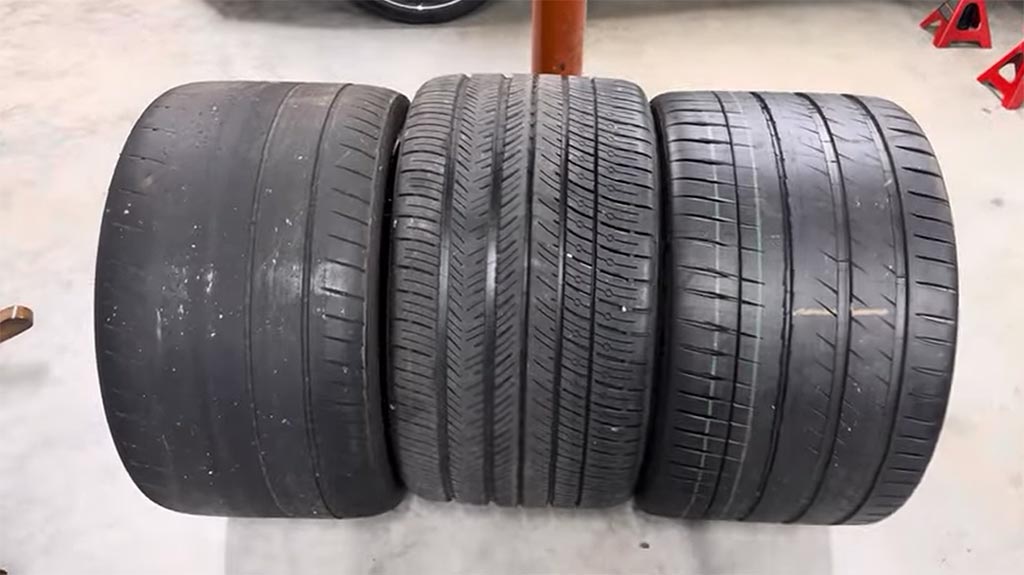
Common tire sizes by Corvette generation: factory and typical setups
What tire sizes does the Corvette use across different generations? Here are the common factory sizes you’ll see.
- C5 (1997–2004)
- Front: 245/45ZR17
- Rear: 275/40ZR18
- C6 (2005–2013)
- Front: 245/40ZR18 or 245/35ZR19
- Rear: 285/35ZR18 or 285/30ZR19
- C7 (2014–2019)
- Front: 245/35ZR19
- Rear: 285/30ZR20 or 305/30ZR19 on Z06
- C8 (2020–present)
- Front: 245/35ZR19
- Rear: 305/30ZR20 on base models
- Rear: 345/25ZR21 on Z06 (high-performance track-focused fitment)
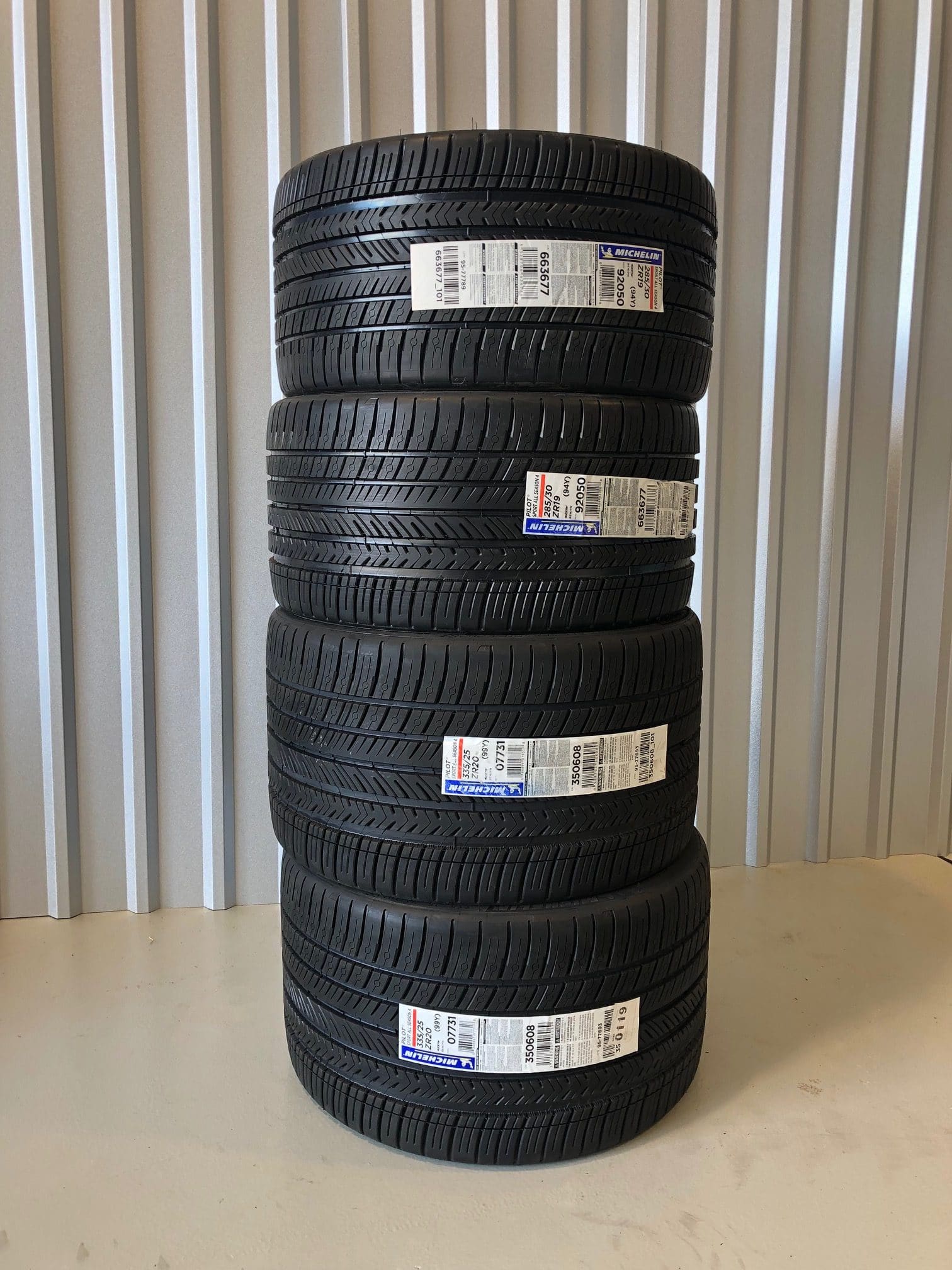
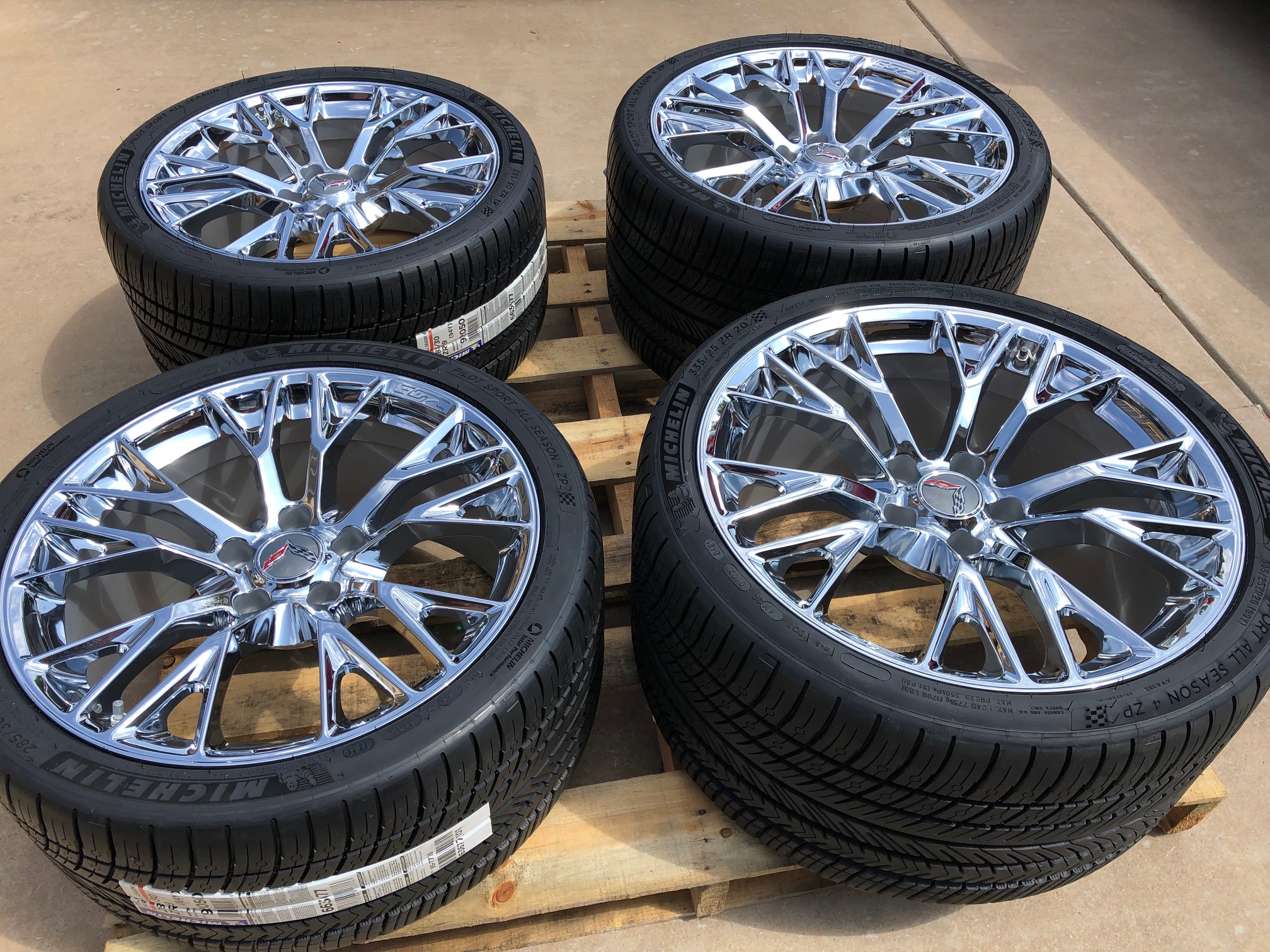
These sizes reflect factory staggered setups. What tire sizes does the Corvette use tells you the rear tires are typically much wider than the fronts. That gives traction in a powerful rear-wheel-drive car while keeping steering response agile.
49% off Today's Exclusive Deals
Limited-time Exclusive Deals. Check current discount on Amazon.
Check Price on Amazon As an Amazon Associate I earn from qualifying purchases.Performance variants and aftermarket size options
What tire sizes does the Corvette use on high-performance trims and aftermarket builds? Performance Corvettes often come with wider or lower-profile tires.
- Z06 and ZR1 factory fits
- Much wider rears, lower aspect ratios, and often larger wheel diameters.
- Grand Sport
- Midway between base and Z06 widths; often uses staggered Michelin or Goodyear performance tires.
- Aftermarket changes
- Many owners go up one wheel size or switch to square setups for even wear and rotation freedom.
When I upgraded my own C6 from factory to a staggered ultra-high-performance tire, lap times and street grip improved, but ride harshness increased. Expect trade-offs.
- Many owners go up one wheel size or switch to square setups for even wear and rotation freedom.
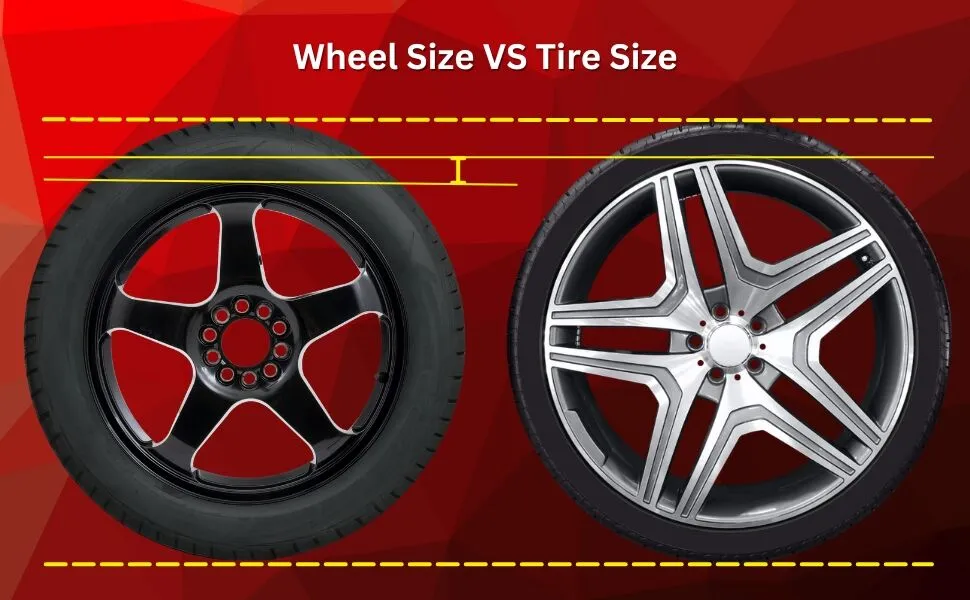
Staggered vs. square tire setups: pros, cons, and real advice
What tire sizes does the Corvette use relates directly to staggered (different front/rear) or square (same all around) setups.
Benefits of staggered setups
- Better rear traction and launch grip.
- Aggressive visual stance and handling tuned for power.
Benefits of square setups
- Easier tire rotation and longer even wear.
- Possible improved rotation options for track-focused driving.
My experience: For daily driving and occasional track days, a staggered setup from the factory strikes the best balance. If you track often and want predictable wear and rotating, consider square sizing with matching wheel offsets and proper suspension tuning.
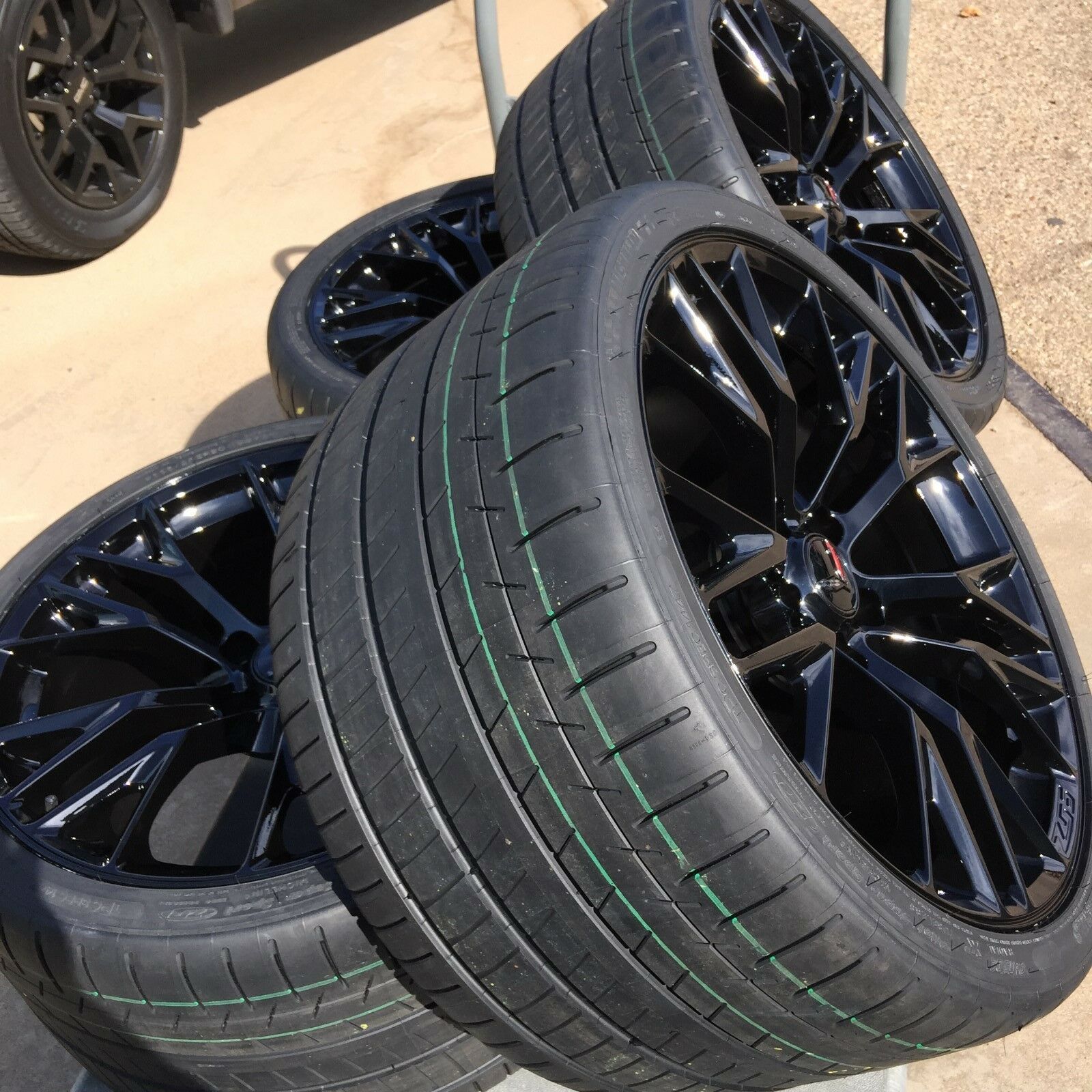
Choosing the right tire: load index, speed rating, and fitment tips
What tire sizes does the Corvette use is only one part of the choice. The other parts are load index, speed rating, and overall tire diameter.
Practical tips
- Match overall diameter to factory specs within about 1% to keep speedometer and gearing correct.
- Always meet or exceed factory load and speed ratings.
- Consider sidewall height: lower aspect ratios add grip but reduce comfort.
- Use the correct wheel offset to maintain handling balance.
I once fitted tires with a slightly taller overall diameter and noticed the traction control behaved oddly. Keeping diameter close to stock avoids electronic calibration issues.

Maintenance, wear patterns, and lifespan expectations
What tire sizes does the Corvette use will affect wear rates. Wider rear tires on a Corvette wear differently than fronts.
Common points
- Rear tires on staggered setups typically wear faster under hard launches.
- Proper alignment and occasional tire rotation (when possible) extend life.
- Check tire pressure weekly; Corvettes are sensitive to PSI for both grip and wear.
On my cars, rotating when possible and keeping pressures consistent added months to the rear tires’ life.

Quick questions drivers ask (PAA-style)
What tire sizes does the Corvette use for the C7 Stingray?
C7 Stingrays commonly use 245/35ZR19 front and 285/30ZR20 or 305/30ZR19 rear depending on wheel options and trim.
Can I fit wider rear tires on my Corvette?
Yes. Many owners fit wider rears for traction, but you must check wheel width, offset, and clearance to avoid rubbing.
Do Corvette tire sizes affect speedometer accuracy?
Yes. Changing overall diameter beyond about 1–2% can change speedometer and odometer readings and may affect stability control behavior.
Personal experience, mistakes to avoid, and practical recommendations
As someone who has changed tires on multiple Corvettes, here are real tips I use and recommend.
Mistakes I made and learned from
- Fitting a too-tall tire that altered ABS behavior. Lesson: keep diameter close to stock.
- Choosing ultra-low-profile tires for daily streets. Lesson: prioritize comfort when you drive daily.
Recommendations
- For street use: stick to factory or factory-equivalent sizes.
- For mixed track/street: consider staggered high-performance tires with slightly stiffer sidewalls.
- For full track use: a square tire setup with soft compound and consistent rotation is ideal.
Related concepts: wheel width, offset, and sidewall stiffness
What tire sizes does the Corvette use is interconnected with wheel width and offset. The same tire size can behave differently on wide vs narrow wheels due to the tire’s profile change.
Key terms
- Wheel width: determines tire seating and contact patch.
- Offset: affects scrub radius and handling.
- Sidewall stiffness: affects ride and steering feel.
If you change wheel width, re-evaluate tire fitment and alignment.
Frequently Asked Questions of What tire sizes does the Corvette use?
What tire sizes does the Corvette use for the C8 base model?
C8 base models commonly use 245/35ZR19 front and 305/30ZR20 rear as factory sizes.
Are Corvette tires directional?
Some performance tires are directional and must be mounted to roll in a specific direction for optimal performance and water clearing. Check the tire sidewall arrow.
Can I rotate tires on a staggered Corvette setup?
Rotation is limited on staggered setups. Front-to-rear rotation is not possible unless you run a square setup or use matching widths and wheels.
Will changing tire size affect traction control on my Corvette?
Yes. Significant changes to overall diameter or wheel speed sensor readings can affect traction and stability systems.
How often should I replace Corvette tires?
Replace tires when tread depth reaches 2/32 inch, sooner for track use or if you notice dry rot, uneven wear, or loss of performance.
Conclusion
Understanding what tire sizes does the Corvette use helps you pick tires that match your driving goal, whether that is daily comfort, spirited street driving, or track performance. Match sizes to factory specs when possible, respect load and speed ratings, and consider staggered vs square setups based on use. Start with the factory-recommended size, inspect fitment carefully, and consult a trusted tire professional for major changes. Try one upgrade at a time, monitor behavior, and share your results—leave a comment, subscribe for updates, or test options locally to find your best tire match.