A winch is a tool that solves real-world problems. You might see one on a truck, boat, or construction site. But many people don’t know what a winch really does, how it works, and why it’s so important in many industries.
If you want to understand winches, this guide will walk you through everything—from the basics to advanced uses—using clear English and practical examples.
49% off Today's Exclusive Deals
Limited-time Exclusive Deals. Check current discount on Amazon.
Check Price on Amazon As an Amazon Associate I earn from qualifying purchases.What Is A Winch?
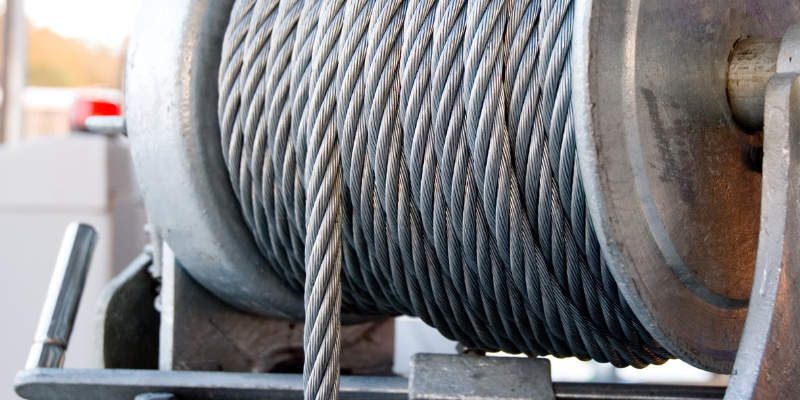
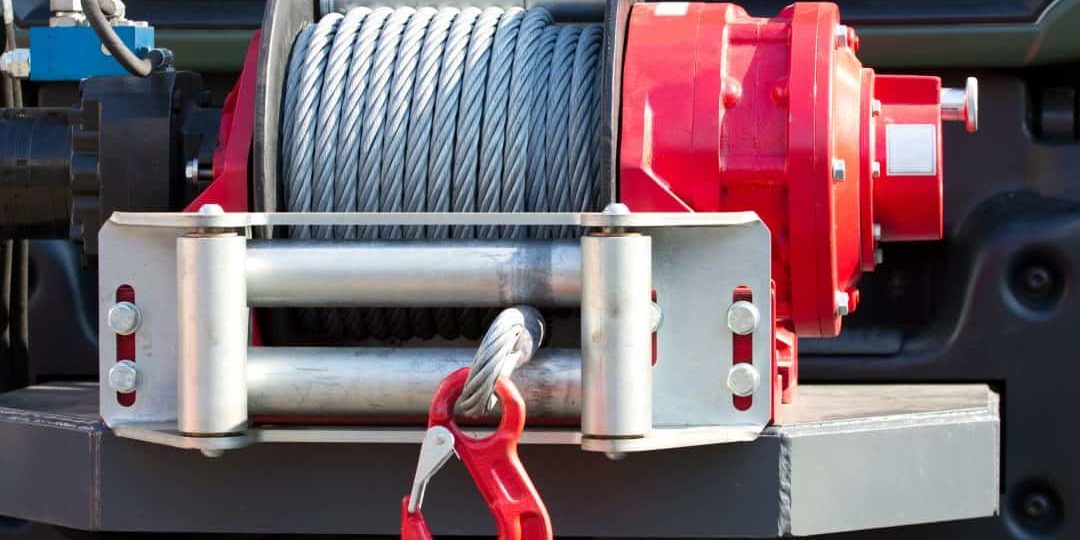
A winch is a mechanical device that helps pull, lift, or move heavy objects. It uses a spool (also called a drum) wrapped with a rope, wire cable, or chain. When you turn the winch, the spool winds or unwinds, moving the attached object. Some winches work with hand power, while others use motors. The main job of a winch is to make moving heavy things easier and safer.
How Does A Winch Work?
The core parts of a winch are:
- Drum (Spool): Holds the cable or rope.
- Cable, Rope, or Chain: Connects the winch to the object.
- Gear Mechanism: Increases pulling power.
- Motor or Handle: Powers the winch.
- Brake System: Stops the cable from unwinding too quickly.
When you activate a winch, the drum spins and wraps (or unwraps) the cable. The gear system multiplies your strength or the motor’s power, so you can pull much heavier loads than you could by hand.
49% off Today's Exclusive Deals
Limited-time Exclusive Deals. Check current discount on Amazon.
Check Price on Amazon As an Amazon Associate I earn from qualifying purchases.Manual Vs Powered Winches
Manual winches use a hand crank. Powered winches use electricity, hydraulics, or air (pneumatics) to spin the drum. Powered winches are much stronger and faster, but manual winches are lighter, cheaper, and easy to use where power is not available.
Safety Mechanisms
Most winches have brakes or locking systems. These stop the cable from slipping and prevent accidents. High-quality winches may have emergency stops or overload sensors.
Main Uses Of A Winch
Winches are everywhere, even if you don’t notice them. Here are the most common uses:
- Vehicle Recovery: Helping stuck cars, trucks, or off-road vehicles get out of mud, sand, or snow.
- Construction: Lifting or moving building materials, tools, and machinery.
- Boating and Marine: Raising anchors, towing boats, and handling sails.
- Industrial Work: Moving heavy equipment or products in factories.
- Entertainment: Lifting stage props or scenery in theaters.
- Rescue Operations: Pulling people or vehicles in emergency situations.
- Forestry: Moving logs and clearing land.
- Mining: Lifting ore or equipment from deep shafts.
- Home Use: Small winches can help move furniture, lawn equipment, or other heavy items.
Types Of Winches
Winches are not all the same. Different types fit different jobs. Here’s a breakdown:
49% off Today's Exclusive Deals
Limited-time Exclusive Deals. Check current discount on Amazon.
Check Price on Amazon As an Amazon Associate I earn from qualifying purchases.| Type | Power Source | Typical Use | Max Load (lbs) |
|---|---|---|---|
| Manual | Hand | Small boats, trailers | Up to 2,000 |
| Electric | Battery/AC | Vehicles, construction | Up to 12,000 |
| Hydraulic | Fluid Power | Heavy machinery, marine | Up to 40,000 |
| Pneumatic | Compressed Air | Factories, mines | Up to 10,000 |
Key Differences
- Manual winches are simple, portable, and cheap.
- Electric winches are easy to use but need a power source.
- Hydraulic winches are powerful and reliable, used in big jobs.
- Pneumatic winches are safe in explosive environments.
Choosing The Right Winch
Selecting a winch is not just about picking the biggest one. The right winch depends on your job, safety, and budget.
Factors To Consider
- Load Capacity: The maximum weight the winch can pull. Always choose a winch rated at least 1.5 times your highest expected load.
- Power Source: Do you have access to electricity, hydraulics, or only manual power?
- Cable Type: Steel cable is strong but heavy. Synthetic rope is lighter and safer but can wear out faster.
- Mounting Options: Where will you install the winch? Vehicle, boat, floor, wall?
- Speed: Some winches pull faster than others. For regular use, speed can save time.
- Durability: Look for weatherproofing and strong materials if you work outside.
- Safety Features: Brakes, overload protection, and remote controls make winches safer to use.
Common Mistakes
Many beginners make mistakes when buying a winch:
- Underestimating load: They choose a winch that’s too weak for the job.
- Ignoring cable type: Using the wrong cable can lead to dangerous breaks.
- Not checking mounting: If the winch cannot be installed correctly, it’s useless.
- Skipping safety features: Older or cheap winches may lack good brakes.
Winch Components Explained
Understanding winch parts helps you use and maintain them better.
| Component | Function | Material |
|---|---|---|
| Drum | Holds and winds cable | Steel, aluminum |
| Cable/Rope | Connects to load | Steel, synthetic fiber |
| Gearbox | Multiplies force | Steel |
| Motor | Power source | Electric, hydraulic |
| Brake | Stops motion | Steel, composite |
| Mounting Plate | Attaches winch | Steel, alloy |
Real-world Examples
Winches are more than just theory—they solve problems daily.
Off-road Recovery
Imagine a 4×4 vehicle stuck in deep mud. A vehicle recovery winch can pull it out, even if the car is too heavy to push by hand. Most off-road winches are electric, rated between 8,000–12,000 pounds.
Marine Use
In sailing, winches help control sails and anchor chains. A small boat may use a manual winch to lift an anchor, while a large ship uses hydraulic winches for heavy loads.
Construction
On building sites, winches lift steel beams or move machinery. Hydraulic winches are preferred because they can handle loads over 20,000 pounds safely.
Entertainment Industry
Theaters and studios use winches to move lights, scenery, or props silently and smoothly. These winches are often electric and controlled remotely.
How To Operate A Winch Safely
Safety is critical. Winch accidents happen when people ignore best practices.
Basic Steps
- Inspect the Winch: Check cable for damage, test brakes, and make sure everything is tight.
- Secure the Load: Attach the hook or cable to the object. Use rated anchors or points.
- Stand Clear: Never stand in line with the cable. If it snaps, it can cause serious injury.
- Control the Winch: Use a remote or handle. Go slowly, watch for problems.
- Stop and Lock: When finished, engage the brake and lock the winch.
Common Safety Mistakes
- Using damaged or frayed cables.
- Overloading the winch beyond rated capacity.
- Standing too close to the cable.
- Not wearing gloves (steel cables can cut hands).
- Skipping regular maintenance.
Winch Maintenance
Keeping a winch in good shape is important for safety and performance.
Maintenance Tips
- Clean regularly: Remove mud, salt, or dirt from the winch.
- Lubricate moving parts: Use recommended grease or oil.
- Inspect cables: Replace if you see fraying, rust, or kinks.
- Check electrical connections: For electric winches, look for corrosion or loose wires.
- Test brakes: Make sure they hold under load.
Service Frequency
- After every heavy use, inspect cables and brakes.
- Monthly: Clean and lubricate.
- Yearly: Full inspection and replace worn parts.
Winches In Different Industries
Winches are used in many fields. Each industry has special needs.
Automotive
- Recovery winches help tow trucks, off-roaders, and emergency vehicles.
- US sales for vehicle winches reach over $70 million yearly.
Marine
- Anchor winches lift anchors; capstan winches manage ropes for docking.
- Marine winches must resist saltwater corrosion.
Construction
- Hoist winches lift tools and materials.
- Hydraulic winches dominate, handling up to 40,000 pounds.
Forestry
- Logging winches drag trees or logs.
- They use strong steel cables for durability.
Mining
- Deep shaft winches lift ore and equipment.
- Pneumatic winches are used for safety in explosive areas.
Winch Vs Hoist: What’s The Difference?
People often confuse winches and hoists. Both lift or pull loads, but there are key differences.
| Feature | Winch | Hoist |
|---|---|---|
| Main Purpose | Pull horizontally | Lift vertically |
| Brake Type | Usually standard | Load-holding brakes |
| Cable Design | Flexible, long | Short, strong |
| Safety | Less strict | Stricter (lifting people/things) |
| Typical Load | Vehicles, boats | Construction, industry |
Winches are for pulling objects across the ground, while hoists are for lifting objects upward. Using a winch as a hoist can be dangerous because winches are not designed to hold loads vertically for long.
Innovations In Winch Technology
Winches are evolving, especially as technology improves.
Smart Winches
New models offer wireless controls, automatic load sensing, and smart brakes. Some electric winches connect to phones for remote operation.
Synthetic Ropes
Synthetic ropes are lighter and safer than steel cables. They do not store as much energy, so if they break, they are less dangerous.
Safety Improvements
Sensors and alarms warn users if loads are too heavy. Emergency stops can cut power immediately.
Eco-friendly Designs
Manufacturers are designing energy-efficient winches and using recyclable materials. Hydraulic winches now use eco-friendly fluids.

Practical Tips For Beginners
If you’re new to winches, here are some insights to help you start right:
- Start small: Practice with a manual winch before moving to powered ones.
- Read the manual: Each winch is different. Always read instructions.
- Check ratings: Labels show maximum load and cable length. Respect these limits.
- Use gloves: Protect your hands, especially with steel cables.
- Avoid sudden jerks: Pull smoothly to prevent cable damage.
- Inspect regularly: Don’t wait for a problem. Catch issues early.
A common mistake is forgetting that winches need regular maintenance, even if not used often. Rust, dirt, and wear can build up silently.
Winch Myths And Misconceptions
Many people believe myths about winches. Let’s clear up a few:
- “Bigger is always better”: A winch too large is heavy, expensive, and may drain your battery.
- “Steel cables never break”: All cables can fail. Synthetic ropes are safer in many cases.
- “Winches pull anything”: Only within their rated capacity.
- “Winches don’t need maintenance”: Neglect leads to failures and accidents.
A non-obvious insight: The cable’s length is not always an advantage. Longer cables can tangle or reduce pulling power if not managed carefully.
Environmental Impact
Winches help reduce manual labor and injury, but they also use resources.
- Electric winches use power, which can impact the environment if not used wisely.
- Hydraulic winches may leak fluids, so modern designs use eco-safe oils.
- Synthetic ropes are recyclable, but steel cables must be disposed of carefully.
If you want to reduce your impact, choose winches with energy-saving features and maintain them well.
Frequently Asked Questions
What Is The Main Purpose Of A Winch?
A winch is mainly used to pull or lift heavy objects. It makes tasks easier and safer by multiplying human or motor power.
Can I Use A Winch To Lift People?
No, winches are not designed to safely lift people. For lifting humans, use a certified hoist with special safety brakes.
How Do I Choose The Right Cable For My Winch?
Choose a cable based on load strength, flexibility, and environment. Steel cables are strong but heavy; synthetic ropes are lighter and safer for most jobs.
What Is The Difference Between A Winch And A Hoist?
A winch pulls objects horizontally, while a hoist lifts objects vertically. Hoists have stricter safety standards and special brakes.
How Often Should I Maintain My Winch?
Inspect your winch after every heavy use and do full maintenance at least once a year. Clean, lubricate, and replace damaged parts.
Winches make tough jobs easier, safer, and faster. Whether you work on vehicles, boats, or construction sites, knowing how a winch works and how to choose the right one can save time, prevent injuries, and get the job done efficiently. For more technical information and history, visit Wikipedia. With the right knowledge, you can use winches confidently and safely in any situation.