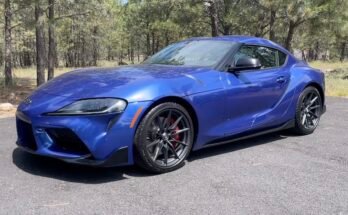
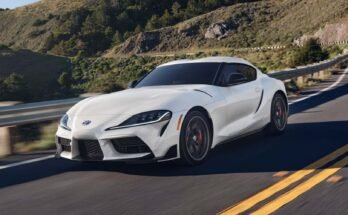
The 1993–1998 MKIV (A80), especially stock twin‑turbo examples, are the best used buy.
I’ve spent years inspecting, buying, and advising on Supras. In this guide I cut through hype and data to show which Toyota Supra model year is the best used buy, why it stands out, and how to buy one smartly. Expect clear comparisons, practical checks, cost estimates, and real tips from hands‑on experience to help you pick the right used Supra.

49% off Today's Exclusive Deals
Limited-time Exclusive Deals. Check current discount on Amazon.
Check Price on Amazon As an Amazon Associate I earn from qualifying purchases.
How I evaluate a used Toyota Supra
I use four simple criteria when judging any Supra.
Keep and compare these points when shopping.
- Reliability and mechanical soundness. I focus on engine history and known weak spots.
- Value and long‑term cost. I weigh purchase price, parts cost, and likely depreciation.
- Parts and service availability. Easy access to parts keeps ownership affordable.
- Enjoyment and tuning potential. How fun and flexible is each model for upgrades?
From years of work with performance cars, I’ve seen how one or two hidden problems can ruin ownership. These checkpoints help avoid that.
49% off Today's Exclusive Deals
Limited-time Exclusive Deals. Check current discount on Amazon.
Check Price on Amazon As an Amazon Associate I earn from qualifying purchases.
Toyota Supra generations and what to look for
There are three Supra generations most buyers consider. Each has pros and cons.
A70 (1986–1992)
This is the third generation. It’s lighter and has older tech. Turbo models are fun but parts are rarer. Look for rust and service history.
A80 / MKIV (1993–1998)
This is the most famous Supra. Many cars have the 2JZ-GTE twin‑turbo engine. The engine is strong, easy to tune, and very reliable when cared for. Many enthusiasts and aftermarket companies still support this model.
49% off Today's Exclusive Deals
Limited-time Exclusive Deals. Check current discount on Amazon.
Check Price on Amazon As an Amazon Associate I earn from qualifying purchases.A90 / A91 (2019–present)
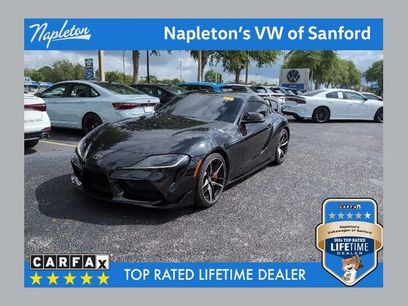
This modern Supra shares parts with a BMW Z4. It’s nimble, fast, and more refined. Electronics and sensors are more complex. Servicing can be pricier but parts are widely available through dealers.
How you value each generation depends on goals. For raw tuning and long‑term value, the MKIV often leads. For daily drivability and warranty support, the A90 is attractive.

Best model year picks and why
Shortlist of best used Toyota Supra options, with reasons.
- 1993–1998 MKIV (A80) Turbo — Best overall buy for collectors and tuners.
Reason: Legendary 2JZ-GTE durability, huge aftermarket, strong resale. Stock twin‑turbo cars keep value and are more likely to be maintained well. - 1997–1998 MKIV Turbo (late years) — Best buy among MKIVs.
Reason: Later build quality tweaks, better availability of well‑kept examples, and often lower race‑mod risk than early years. - 2019–2021 A90 3.0 — Best modern used buy.
Reason: Newer tech, strong B58 engine, warranty history possible, and easier daily use. - 1991–1992 A70 Turbo — Best budget classic.
Reason: Cheaper entry cost and simpler systems. Expect more restoration work.
If your goal is the single best used buy, the MKIV turbo from 1993–1998 typically gives the best mix of reliability, parts support, and long‑term value. The phrase best used Toyota Supra fits here because this model offers the strongest combination of attributes most buyers want.

Costs, parts, and maintenance to expect
Owning a Supra is rewarding but not without costs. I list typical expenses and what to budget.
- Regular service and fluids — oil, filters, belts. Expect routine service every 5,000–7,500 miles.
- Tires and brakes — performance parts cost more than economy items. Plan for higher wear if you drive spiritedly.
- Major engine work — uncommon for well‑maintained 2JZs but can be costly if needed. Budget for potential head work or turbo servicing on older cars.
- Insurance and registration — classic Supras may have collector rates; modern A90 models often carry higher premiums due to value.
Parts availability is excellent for MKIVs. Aftermarket turbos, intakes, and intercoolers are common. For A90, dealer parts and BMW‑shared items are easy to source, but labor and diagnostic costs can be higher.
How to inspect and buy a used Supra
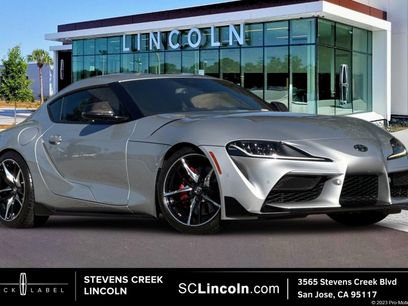
Follow a tight checklist when you view a car. I use this in person and recommend you do too.
- Check service records and ownership history. Cars with full records are worth a premium.
- Inspect for rust and collision repairs. Look under wheel arches, trunk, and subframe areas.
- Listen to the engine cold and hot. Knocks, smoke, or unusual noises need further diagnosis.
- Verify VIN and match it to title and records. Confirm the car was not salvaged or flooded.
- Have a compression test and leak‑down test done for older engines. They reveal hidden wear.
- Bring a mechanic familiar with Supras. Their experience will catch issues you might miss.
I once walked away from a pristine‑looking MKIV because the compression test showed uneven numbers. That single test saved me a costly engine rebuild. Always spend on inspection up front. It pays off.

Ownership tips and mistakes to avoid
Short, practical tips from hands‑on experience.
- Avoid heavily modified cars without receipts. Modifications often hide neglect.
- Prioritize cars with service records and original parts. These hold value better.
- Budget for brakes and rubber. Old cars need updated hoses and bushings.
- When buying an A90, verify software updates and service recall history.
- Consider a pre‑purchase mechanical inspection from a specialist.
A common mistake is buying purely for looks or low miles. Low miles don’t matter if maintenance was skipped. I treat maintenance history as equally important to mileage.
Frequently Asked Questions of Which Toyota Supra model year is the best used buy?
Which Toyota Supra model year holds value best?
Late MKIV (1993–1998) Turbo models generally hold value best due to rarity, demand, and the 2JZ engine’s reputation.
Is a modern A90 Supra a better buy than an MKIV?
For daily driving and warranty‑backed reliability, the A90 is often a better used buy; for tuning and collector value, the MKIV leads.
What should I pay for a clean MKIV Turbo?
Prices vary widely. Expect to pay a significant premium for well‑documented, low‑mile examples; set a budget and be patient.
Are parts for the MKIV easy to find?
Yes. Aftermarket support for the MKIV remains strong, especially for engine and performance upgrades, making repairs and upgrades easier.
Can I daily drive an older Supra?
Yes, but plan for more frequent maintenance and checks. Older Supras can be daily drivers if they are well maintained and inspected regularly.
Conclusion
Choosing the best used Toyota Supra comes down to goals and budget. If you want tuning potential, strong resale, and wide parts support, the 1993–1998 MKIV Turbo is the best used Toyota Supra to buy. If you prefer modern reliability and daily comfort, a 2019+ A90 3.0 is a solid alternative. Use the inspection checklist, prioritize service history, and avoid heavily modified cars without documentation.
Take action: make a short checklist before you shop, schedule a pre‑purchase inspection, and join owner forums to learn more about specific VIN histories. If you found this helpful, leave a comment with your budget and goals—I’ll help narrow down specific model years and listings.