Most Toyota Supras come with staggered 255/35R19 front and 285/30R19 rear tires.
I’ve worked on and driven multiple Supras and helped owners pick tires for daily driving and track use. This guide explains Toyota Supra tire sizes across generations, how to read size codes, OEM vs aftermarket options, fitment trade-offs, and practical tips to choose the right tires with confidence.

49% off Today's Exclusive Deals
Limited-time Exclusive Deals. Check current discount on Amazon.
Check Price on Amazon As an Amazon Associate I earn from qualifying purchases.
OEM tire sizes by Supra generation
Toyota Supra tire sizes vary by model year, trim, and wheel option. The two most discussed generations today are the MK4 (A80, 1993–2002) and the MK5 (A90/A91, 2019–present). Below are typical OEM ranges you’ll see.
-
MK4 (A80) common OEM ranges
Deal49% off Today's Exclusive Deals
Limited-time Exclusive Deals. Check current discount on Amazon.
Check Price on Amazon As an Amazon Associate I earn from qualifying purchases.- Wheel diameters typically 16–18 inches depending on trim and year.
- Tire widths commonly range from 205 mm to 275 mm; a popular factory fitment on Turbo models is around 245/45R17 or similar.
- Many MK4 owners upgrade to wider 17–18 inch tires for grip.
-
MK5 (A90/A91) common OEM ranges
- Factory wheels are 18 or 19 inches across trims.
- Common factory fitment for higher trims is staggered: 255/35R19 front and 285/30R19 rear. Lower trims or 2.0L models may come with narrower 18-inch tires.
- Performance trims often ship with wider rear tires for traction.
Remember: exact Toyota Supra tire sizes can differ by market and optional wheel packages. Always check the door placard or owner’s manual for factory specs before buying replacements.
How to read tire sizes and why it matters for a Supra
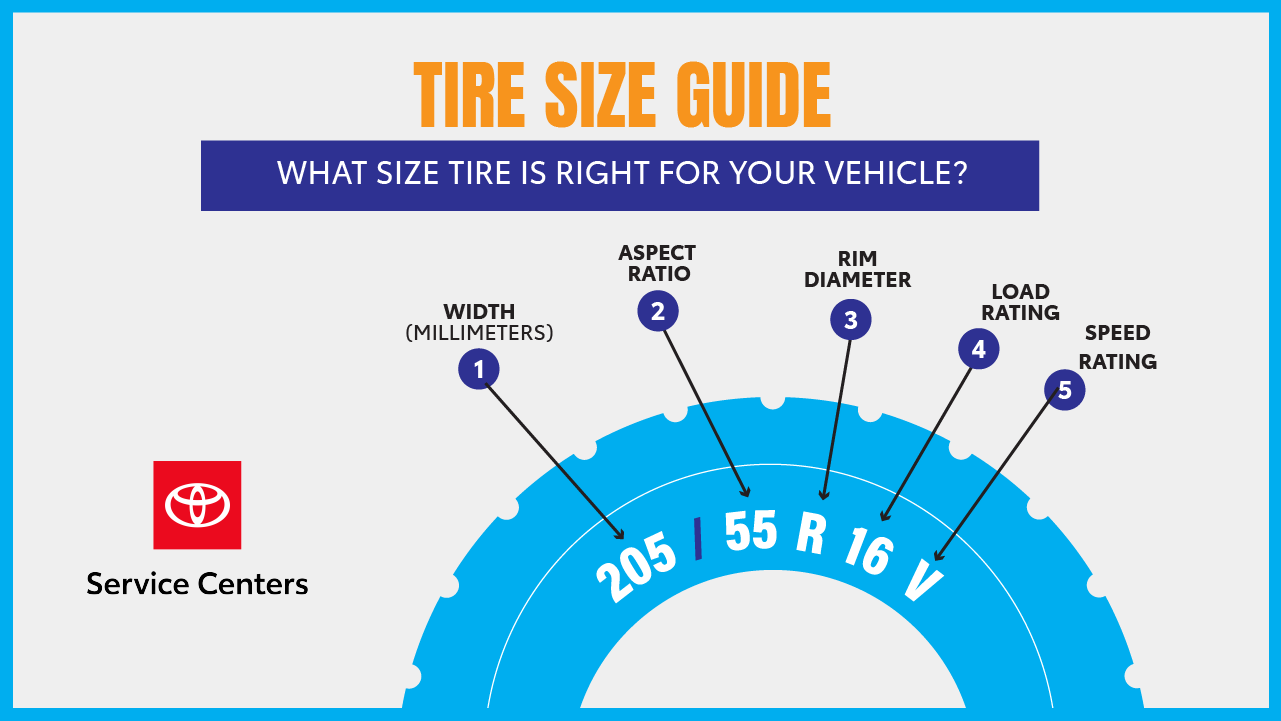
A tire code like 255/35R19 tells you three key things. Knowing how to read tire sizes helps you match replacements for the Supra and avoid clearance or speedometer issues.
49% off Today's Exclusive Deals
Limited-time Exclusive Deals. Check current discount on Amazon.
Check Price on Amazon As an Amazon Associate I earn from qualifying purchases.- 255 — tire width in millimeters measured across the tread.
- 35 — aspect ratio; sidewall height is 35% of the width.
- R19 — radial construction and wheel diameter in inches.
Other important attributes:
- Load index and speed rating determine safe load and top speed handling.
- Rolling circumference affects speedometer accuracy and traction control calibrations.
- Staggered fitments (different front and rear widths) change handling balance.
When checking Toyota Supra tire sizes, also confirm wheel width and offset. Incorrect wheel width or offset can cause rubbing, poor handling, or brake/caliper interference.

Aftermarket fitments: staggered vs square and common swaps
Car owners often change Toyota Supra tire sizes for performance or style. Two common approaches are staggered and square setups.
-
Staggered setup
- Wider rear tires than front for better rear traction.
- Common for MK5 performance: front 255, rear 285 or 295.
- Pros: improved launch traction. Cons: limited tire rotation options and slightly biased handling.
-
Square setup
- Same size front and rear (for example, 255/35R19 all around).
- Pros: easier rotation, more even wear, predictable handling and better rotation options for track tires.
- Cons: may reduce rear traction compared to a staggered layout.
Popular aftermarket sizes for the MK5 often include:
- Front: 235–265 mm widths, aspect ratios 30–40, with 18–19 inch diameters.
- Rear: 255–305 mm widths, often wider than the front.
Always check suspension, fender clearance, and wheel offsets before finalizing a swap.
Choosing tires for street, track, and mixed use
Selecting Toyota Supra tire sizes depends on your use case. Here are practical recommendations.
-
Daily street and wet performance
- Aim for an all-season or high-performance summer tire.
- Typical sizes: factory OEM sizes (example: 255/35R19 front and 285/30R19 rear on MK5) maintain ride comfort and handling balance.
-
Summer / spirited driving
- High-performance tires with stickier compounds.
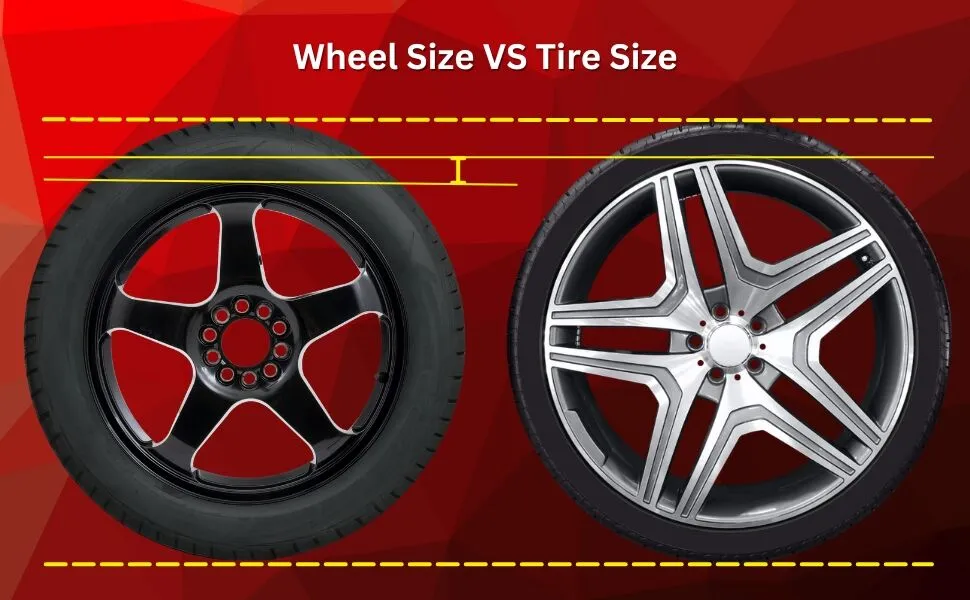
- Consider slightly lower sidewall (lower aspect ratio) for sharper response, but don’t go too low or you’ll hurt ride comfort.
-
Track days / autocross
- Track-focused compound tires or semi-slicks.
- For best grip, go wider at the rear (for rear-wheel drive Supras) and use a square setup if you expect even wear and frequent rotation.
Match tires to the wheel diameter and maintain proper load index. Staggered setups often yield better launches but limit rotation options.
Fitment and maintenance tips for Toyota Supra tire sizes
A few practical tips will save you money and headaches when replacing Supra tires.
- Always verify the door placard or owner’s manual for recommended tire sizes and pressures before buying.
- Replace tires in axle-matching pairs when possible to keep grip balanced.
- Keep TPMS working; sensor compatibility matters when changing wheel brands.
- Check rolling circumference if you change tire diameter—bigger or smaller tires affect speedometer and stability control.
- Inspect suspension and fender clearance when moving to wider tires; you may need minor trimming or different offsets.
These checks will keep the car safe and preserve handling traits you expect from a Supra.
Personal experience: lessons from fitting tires on Supras
I’ve helped tune and fit tires on multiple Supras. A few lessons I learned that may help you:
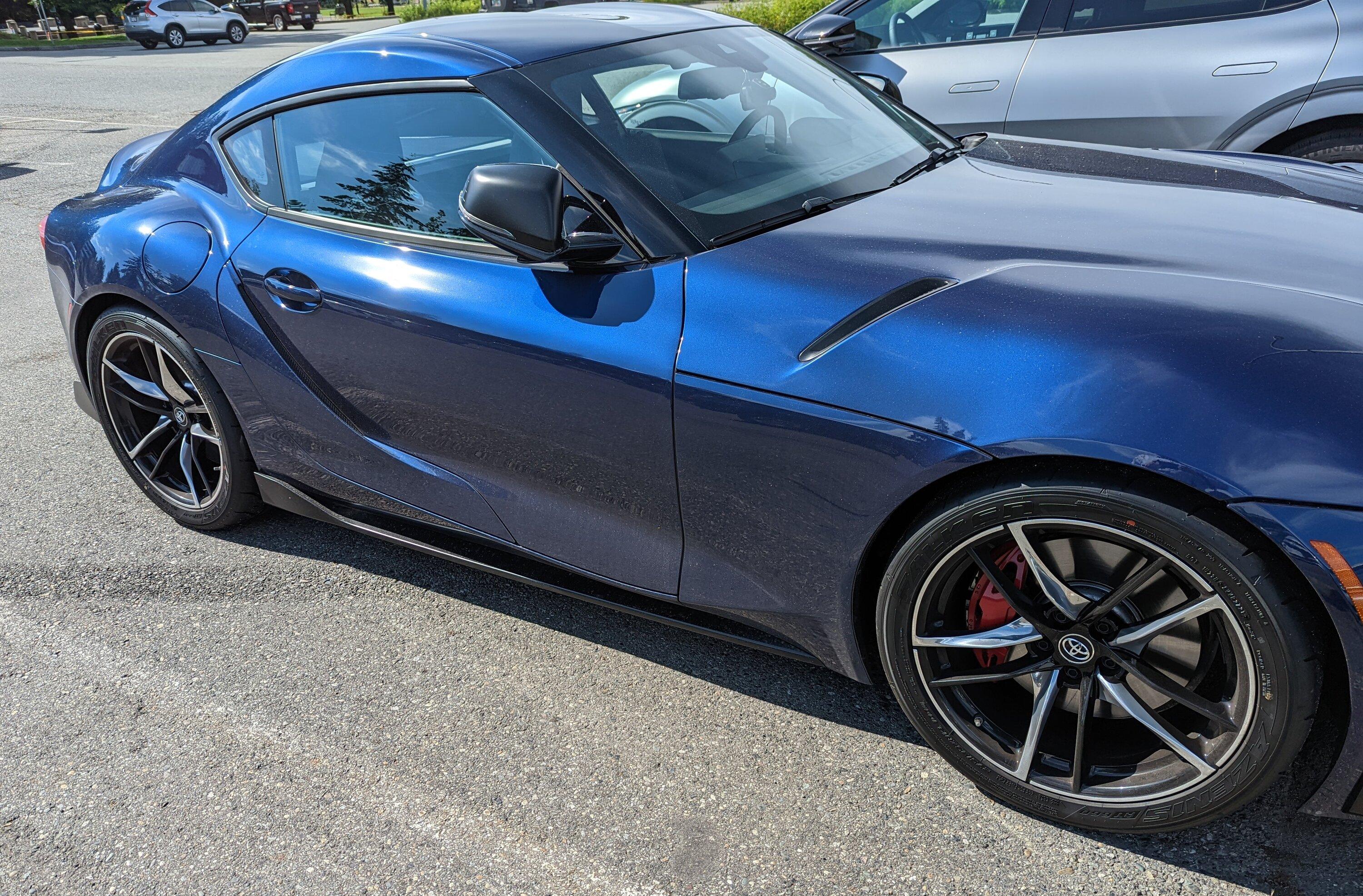
- Don’t oversize without checking offset. I once fitted wider rear tires on an MK5 without adjusting offset; the result was light rubbing on full lock.
- Square setups work well when you track the car often. I switched one Supra from staggered to square; lap times became more consistent and tire wear more even.
- Use the factory pressure as a starting point, then adjust based on load and temperature. Slight pressure changes matter a lot for grip and response.
These small, practical choices make a big difference in daily drivability and track performance.

2–3 common questions (PAA-style)
Q: Can I use the same tire size front and rear on a Supra?
A: Yes, a square setup is possible and common for track use. It improves rotation options and often evens out wear, but may change traction balance.
Q: Will larger wheels change ride quality?
A: Larger wheels with lower-profile tires typically make the ride firmer and can increase road noise. They can improve cornering response but risk more rim and sidewall damage.
Q: How much wider can I go without modifications?
A: You can usually go up one tire width step without major mods if offset and wheel width match. Larger jumps often require fender rolling, different offsets, or suspension changes.
Frequently Asked Questions of What tire sizes does the Toyota Supra use?
What are the factory tire sizes for the MK5 Supra?
Factory tire sizes vary by trim and wheel option, but common higher-trim MK5 fitments use staggered 19-inch tires, such as 255/35R19 front and 285/30R19 rear. Always confirm via the door placard or owner’s manual for your specific VIN.
Can I switch to square tire sizes on a Toyota Supra?
Yes. Many Supra owners switch to a square setup to allow tire rotation and even wear. Just make sure to match wheel widths and offsets to maintain proper handling.
Will changing tire diameter affect my speedometer?
Changing tire diameter changes the rolling circumference and can shift speedometer and odometer readings. Keep diameter close to OEM or recalibrate electronics if you make significant changes.
Are wider tires always better for a Supra?
Wider tires increase grip up to a point but can hurt steering response and hydroplaning resistance if overdone. Balance width with tire compound, wheel offset, and intended use.
How often should I replace Supra tires?
Replace tires when tread depth reaches 2/32" or when performance falls off, typically every 3–6 years depending on use. For spirited driving or track use, inspect tires more often and replace sooner based on wear and heat cycling.
Conclusion
Choosing the right Toyota Supra tire sizes comes down to generation, trim, and how you drive. Use factory specs as your baseline, consider square versus staggered setups for your goals, and always verify fitment, load index, and rolling circumference. Take action: check your door placard, pick a tire that fits your driving style, and don’t be afraid to ask a tire pro for a fitment check before you buy. Share your experience or questions below — I’ll help you pick the best set for your Supra.