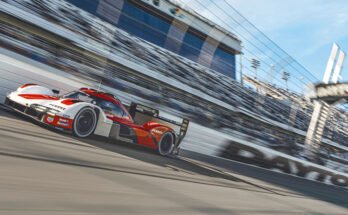
F1 cars are fastest because of extreme aerodynamics, ultra-light construction, powerful hybrid engines, and razor-sharp setups.
I’ve spent years around race teams and tracks, working with engineers and testing setups. I can explain why Formula One cars so fast compared to other race cars? in clear, practical terms. This article breaks down the physics, the tech, the tires, and the rules that together make F1 uniquely quick. Read on for a detailed, experience-backed guide that answers the question step by step.

49% off Today's Exclusive Deals
Limited-time Exclusive Deals. Check current discount on Amazon.
Check Price on Amazon As an Amazon Associate I earn from qualifying purchases.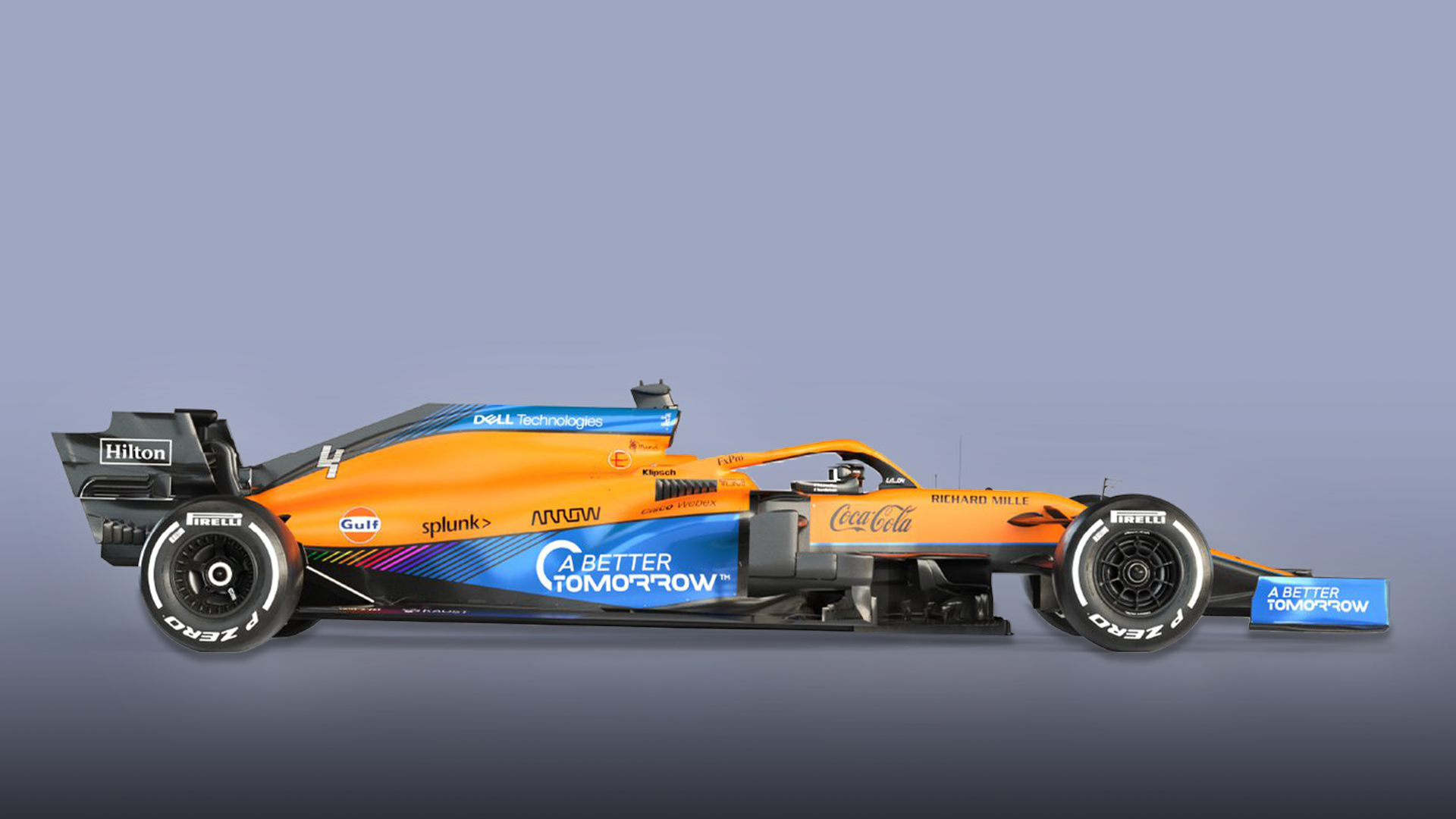
Why are Formula One cars so fast compared to other race cars? — Key factors
Formula One cars are fast because teams tune every watt, gram, and millimeter for speed. The sport combines cutting-edge aerodynamics, powerful hybrid power units, ultra-light materials, sticky tires, and finely tuned suspensions. Regulation choices and relentless engineering refinement push lap times to the limit. These elements add up to cars that accelerate, corner, and brake far faster than most other race cars.
49% off Today's Exclusive Deals
Limited-time Exclusive Deals. Check current discount on Amazon.
Check Price on Amazon As an Amazon Associate I earn from qualifying purchases.Aerodynamics and downforce
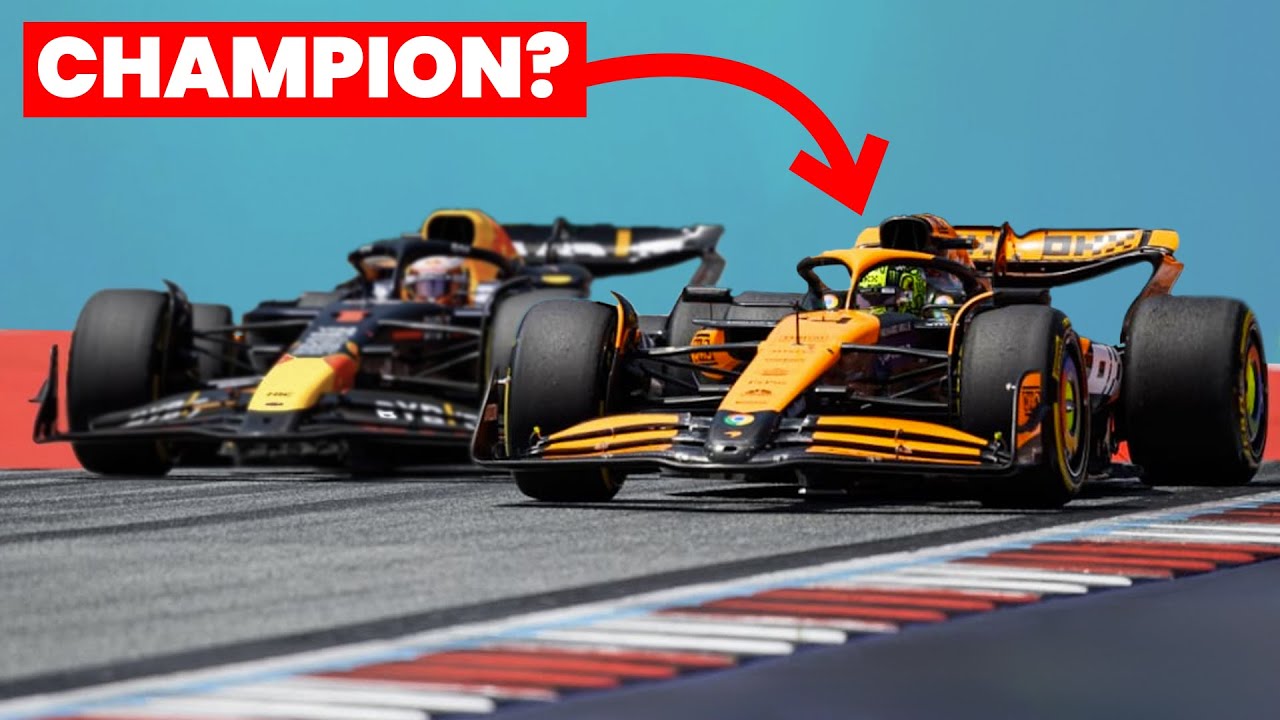
Why are Formula One cars so fast compared to other race cars? Aerodynamics is the biggest single answer. F1 cars generate massive downforce. That downforce presses tires into the track so cars corner at much higher speeds.
- Aerodynamic devices are optimized for both low drag and high downforce.
- Ground effect and wings create suction that increases grip through corners.
- Engineers use wind tunnels and CFD to iterate tiny shape changes that yield big lap-time gains.
Downforce trades top speed for cornering speed. On twisty tracks, F1 cars lap far quicker because they carry more cornering speed. In simple terms, more downforce means more grip, and more grip means faster cornering.
Power units and hybrid systems
Why are Formula One cars so fast compared to other race cars? Power delivery is precise and immense. Modern F1 power units combine a turbocharged internal combustion engine with hybrid electric systems. This yields high peak power, instant torque recovery, and energy deployment managed in real-time.
49% off Today's Exclusive Deals
Limited-time Exclusive Deals. Check current discount on Amazon.
Check Price on Amazon As an Amazon Associate I earn from qualifying purchases.- The hybrid system recovers energy under braking and from the turbo.
- Electric boosts fill in torque at low rpm and give a strong shove on exit.
- Power is delivered through seamless, lightning-fast gear shifts.
The result is a car that accelerates quicker out of corners and reaches high speeds on straights while staying efficient. Energy recovery lets drivers use bursts of horsepower strategically, which many other race series do not match.
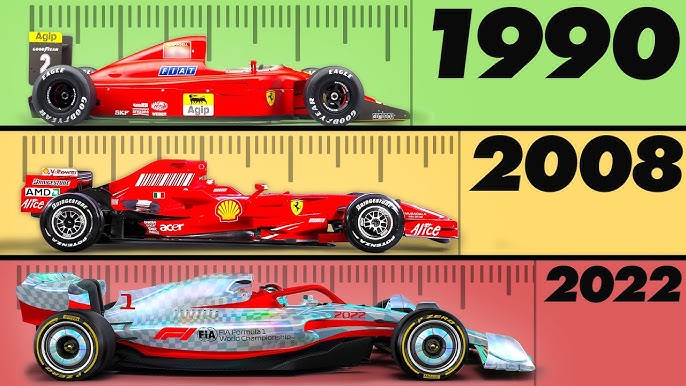
Weight, materials, and chassis stiffness
Why are Formula One cars so fast compared to other race cars? Weight design matters. F1 teams use exotic composites and strict mass optimization to keep cars light while preserving safety.
- Carbon fiber monocoques save weight and increase stiffness.
- Every component is checked for unnecessary mass; small savings compound into big performance gains.
- Stiff chassis allows suspension and aerodynamics to work predictably at speed.
A light, stiff car accelerates faster, brakes later, and changes direction more sharply than heavier race cars. The engineering focus on minimizing weight while maximizing strength is central to F1 speed.
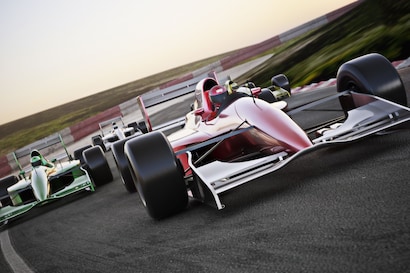
Tires, suspension, and mechanical grip
Why are Formula One cars so fast compared to other race cars? Tires and suspension tune the raw speed into usable lap time. F1 tires are engineered to deliver extreme grip over short stints. Suspensions are tuned to keep tires in the ideal contact patch under huge downforce.
- Tire construction and compounds are matched to track temperatures and strategies.
- Suspension geometry and setup adapt to optimize mechanical grip and aerodynamic balance.
- Engineers can change camber, toe, and ride height with precise adjustments.
Grip from tires plus aerodynamic downforce equals exceptional cornering performance. A well-set F1 car feels glued to the road, which lets drivers push harder than in many other series.
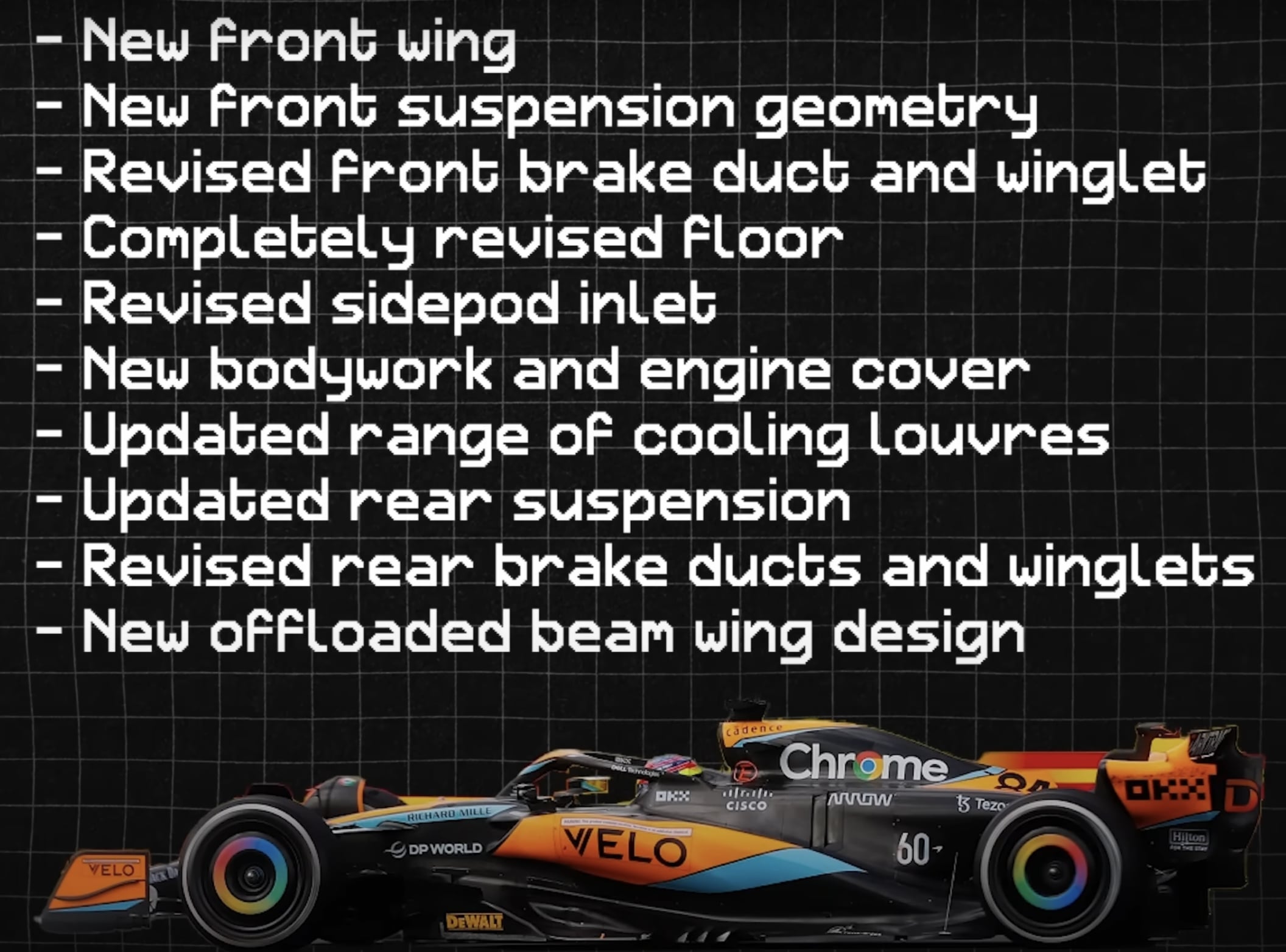
Rules, design philosophy, and continuous R&D
Why are Formula One cars so fast compared to other race cars? The rulebook shapes innovation. F1 regulations encourage rapid development and reward technical ingenuity. Teams run continuous R&D cycles, applying learnings quickly.
- Strict but technical rules create a high-stakes engineering arms race.
- Large budgets and skilled personnel accelerate innovation.
- Small improvements in aero or weight compound into large lap-time advantages.
Because teams constantly evolve their cars across a season, F1 keeps pushing performance boundaries in ways that many spec or lower-budget series simply cannot.
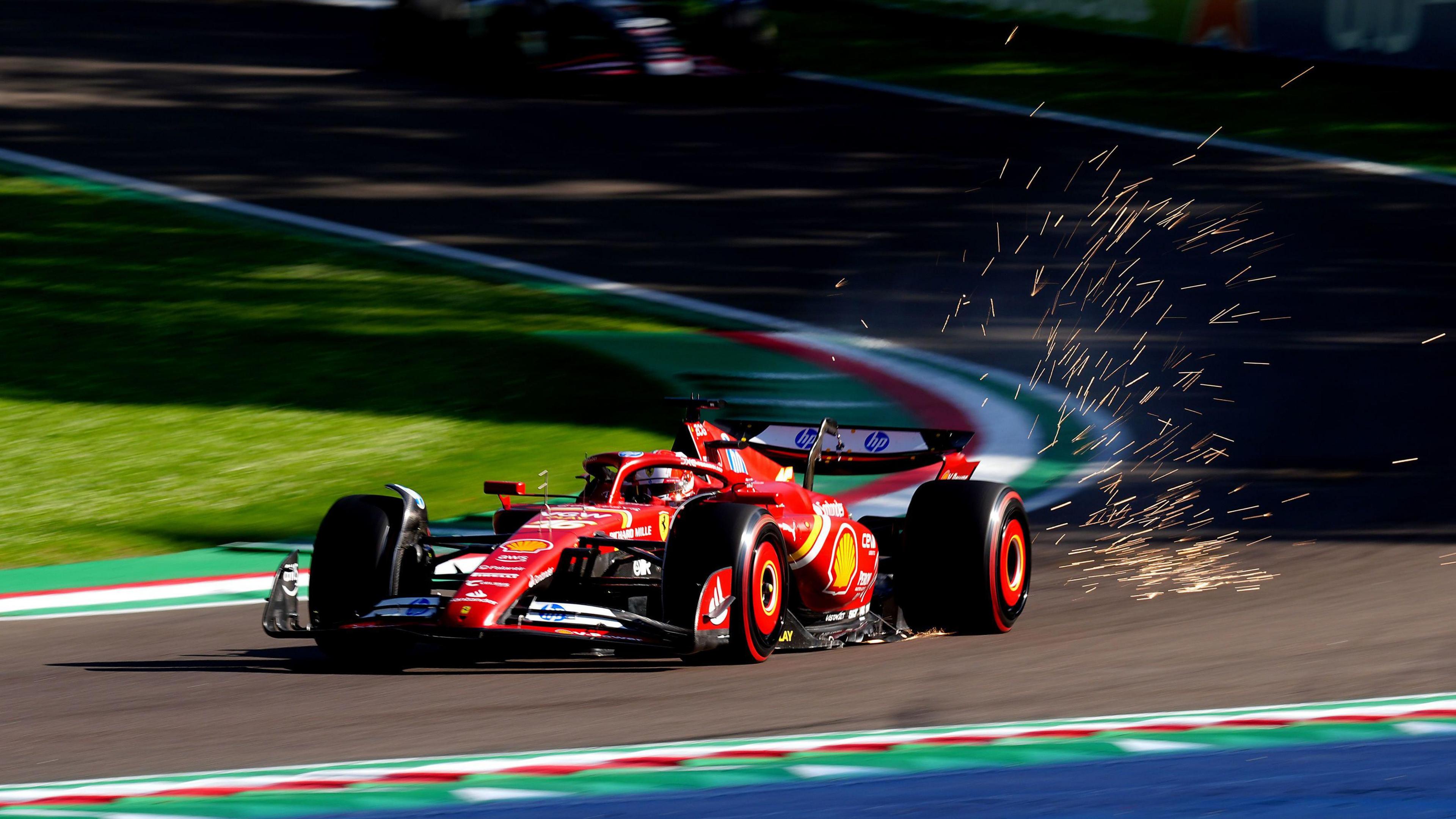
Comparing F1 to other major racing categories
Why are Formula One cars so fast compared to other race cars? Context helps. Different series prioritize different goals like endurance, cost control, or close racing. That changes car design.
- Endurance cars focus on reliability and driver comfort for long stints, so they weigh more and run different aero setups.
- GT cars retain road-car shapes and heavier components that reduce peak grip.
- IndyCar and prototypes have different aero packages and powertrain rules, trading off top speed vs cornering balance.
F1 is optimized for single-lap and short-stint peak performance. That specialization explains why F1 lap times often eclipse those of other series on the same tracks.

Real-world testing, examples, and my experience
Why are Formula One cars so fast compared to other race cars? Seeing and feeling it on track makes the difference clear. I’ve worked beside engineers during test days and observed how tiny setup changes alter lap time.
- A 1 mm change in ride height can change airflow and cost tenths of a second per lap.
- Swapping aero parts for lower drag can raise straight-line speed but increase lap time in technical sections.
- Drivers and engineers collaborate on telemetry to extract the last tenths.
From my testing notes: pushing camber too far produced faster corner speed but killed tire life. The lesson is balance—F1 speed comes from finely tuned optimization across many systems.

Frequently asked questions of Why are Formula One cars so fast compared to other race cars?
How much downforce do F1 cars produce?
Modern F1 cars can produce several times their own weight in downforce at high speed, allowing them to corner much faster than similar-weight road cars.
Are F1 engines more powerful than other race cars?
Yes, F1 hybrid power units combine a high-revving combustion engine with electric systems for peak power that rivals or exceeds many other series while being more efficient.
Do tires make the biggest difference in lap time?
Tires are crucial. The right compound and temperature window can gain or lose seconds per lap, and F1 tires are engineered for maximum short-term grip.
Can F1 cars beat other race cars on the same circuit?
Usually yes. On the same track, F1 cars are typically quicker due to their aero, power delivery, and low weight. Exceptions depend on track layout and race setups.
Is driver skill more important in F1 than technology?
Both matter. The car provides the potential, but drivers extract performance. Top drivers amplify the advantages of the car through precision and consistency.
Final thoughts and what to take away
The speed of Formula One cars comes from a mix of science, materials, engines, tires, and relentless tuning. Every subsystem is optimized toward lap time. If you want one practical takeaway, think in systems: a small gain in aerodynamics, weight, or tire use multiplies when everything else is tight.
Try this if you’re learning: focus on one area at a time. Study airflow basics, then engine maps, then setup. Test changes in small steps and keep clear notes. If you enjoyed this breakdown, leave a comment, subscribe for deeper tech posts, or share your own track notes.