Car transmission slipping means your transmission is losing grip, causing delayed, rough, or unexpected gear changes.
Car transmission slipping is one of those problems that can feel small at first and then turn into a much bigger repair if you ignore it. I’ve seen this issue start with a simple flare in RPMs and end with a driver stranded at the worst possible time. In this guide, I’ll break down what car transmission slipping really means, why it happens, how to spot it early, and what you can do before it gets worse.

49% off Today's Exclusive Deals
Limited-time Exclusive Deals. Check current discount on Amazon.
Check Price on Amazon As an Amazon Associate I earn from qualifying purchases.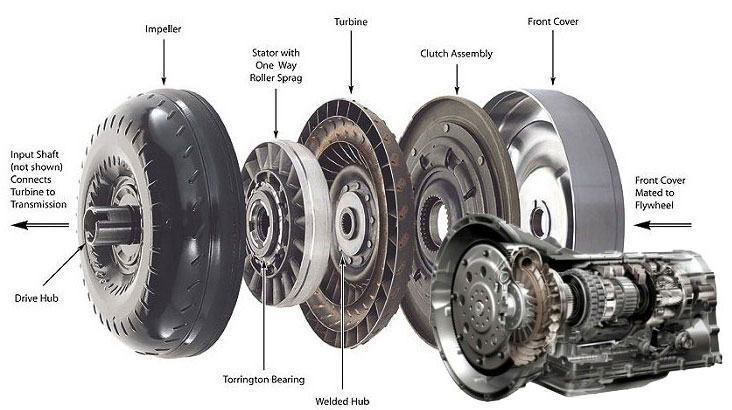
What Is Car Transmission Slipping?
Car transmission slipping happens when your transmission does not stay properly engaged in gear. The engine may rev, but the car does not accelerate the way it should. Sometimes the shift feels delayed, harsh, or uneven.
In an automatic transmission, the system depends on hydraulic pressure, clean fluid, and working internal parts to move smoothly between gears. In a manual transmission, slipping can show up when the clutch fails to hold power properly. Either way, the result is the same: the power from the engine is not reaching the wheels as it should.
49% off Today's Exclusive Deals
Limited-time Exclusive Deals. Check current discount on Amazon.
Check Price on Amazon As an Amazon Associate I earn from qualifying purchases.A slipping transmission is more than an annoyance. It is often an early warning sign of wear, fluid problems, or internal damage. Catching it early can save a lot of money and stress.
Common Signs of Car Transmission Slipping
The signs of car transmission slipping are usually easy to notice once you know what to watch for. The car may seem like it is “thinking” before it moves, or the engine may sound busy while the vehicle barely picks up speed.
Common symptoms include:
- Higher engine RPM without matching acceleration
- Delayed shifting or hesitation when changing gears
- Sudden gear changes or gear hunting
- A burning smell from overheated transmission fluid
- Strange noises like whining, buzzing, or humming
- Poor fuel economy
- Warning lights on the dashboard, including check engine or transmission warning lights
- A feeling that the car “loses power” for a moment
I once rode in a sedan that felt fine around town, but on the highway it would surge and then hesitate every time it tried to shift. The owner thought it was just “being old,” but the real issue was low, dirty transmission fluid. That small warning saved the transmission from a much bigger failure.
49% off Today's Exclusive Deals
Limited-time Exclusive Deals. Check current discount on Amazon.
Check Price on Amazon As an Amazon Associate I earn from qualifying purchases.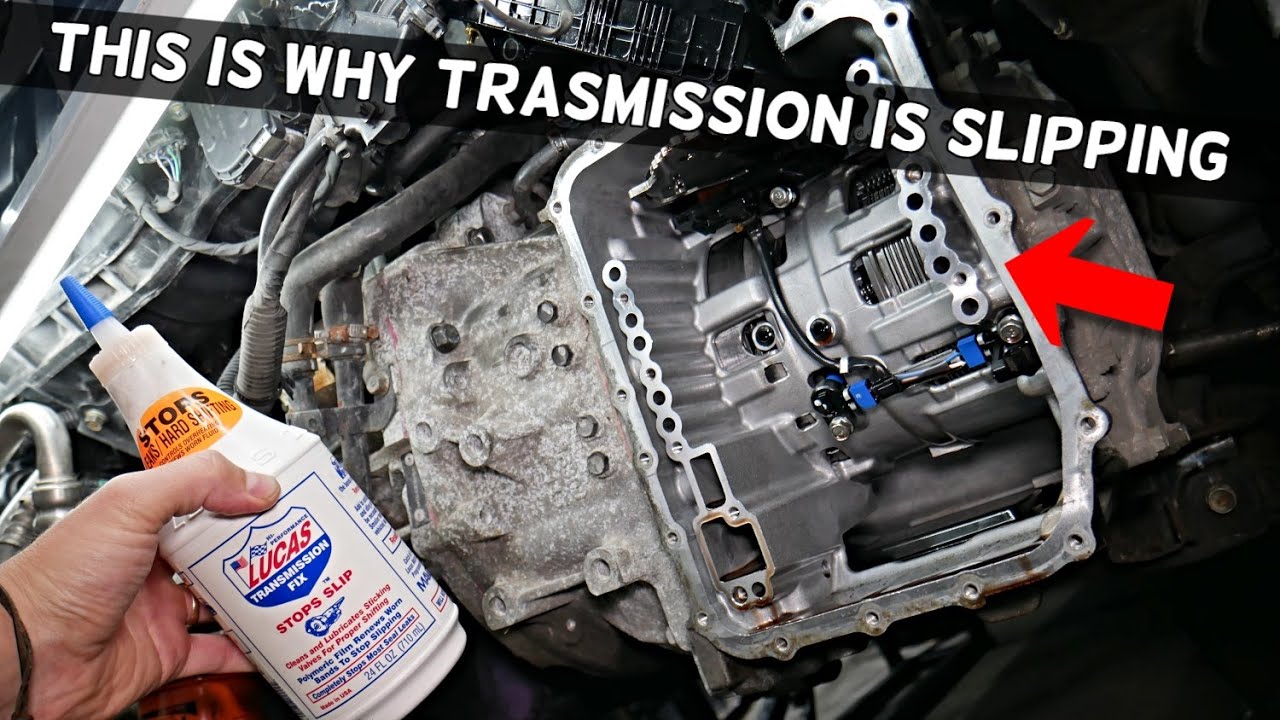
Why Car Transmission Slipping Happens
There are several possible causes of car transmission slipping, and some are simpler than others. The key is to understand that the transmission is a system, not one single part. When one part struggles, the whole system can start acting up.
Low transmission fluid
Low fluid is one of the most common causes. Transmission fluid helps with lubrication, cooling, and hydraulic pressure. If the fluid level is low, the transmission may not engage gears properly.
This can happen because of a leak, worn seals, or poor maintenance. Even a small leak can lead to slipping over time.
Dirty or burnt transmission fluid
Old fluid can break down from heat and use. When that happens, it loses its ability to protect internal parts and maintain pressure. Burnt fluid often smells sharp or smoky and may look dark brown or black.
This is a big reason many mechanics stress fluid checks and service intervals. Clean fluid is like good blood flow in the body; when it gets weak, everything suffers.
Worn transmission bands or clutches
Inside the transmission, clutches and bands help hold gears in place. Over time, these parts can wear out, especially if the vehicle has high mileage or has been driven hard. Once they lose grip, slipping becomes more noticeable.
Manual transmissions can also slip when the clutch disc is worn. If the clutch cannot fully connect the engine to the transmission, power slips away.
Faulty solenoids or valves
Automatic transmissions use solenoids and valve bodies to control fluid flow and gear changes. If one of these parts sticks, clogs, or fails, gear shifts can become erratic. This may cause the transmission to slip or hesitate.
Torque converter issues
The torque converter helps transfer engine power in automatic transmissions. If it fails, the transmission may have trouble staying engaged, especially at higher speeds or under load.
Software or sensor problems
Modern vehicles rely on sensors and computer control units. A bad speed sensor, throttle position sensor, or transmission control module can confuse the system and cause poor shifting. Sometimes the problem is electronic, not mechanical.
Overheating
Heat is a major enemy of transmissions. Heavy towing, stop-and-go traffic, low fluid, or a failing cooler can raise temperatures fast. Once the transmission overheats, slipping often follows.
How Car Transmission Slipping Feels in Real Driving
Car transmission slipping does not always feel dramatic at first. In many cases, it starts as a small delay or odd shift that drivers shrug off. That is why it is so easy to miss.
Here are a few real-world examples of how it can feel:
- You press the gas, the engine revs, but the car barely moves for a second
- The car shifts into the next gear, then suddenly drops back down
- The RPM needle jumps up and down during normal driving
- The car feels smooth one day and weird the next
- On hills, the vehicle struggles to hold speed
Think of it like riding a bike with a chain that keeps slipping off the gear. You keep pedaling, but the power is not landing where it should. That is what slipping feels like in a car.
Is It Safe to Drive With a Slipping Transmission?
Driving with car transmission slipping is risky. The vehicle may still move, but each drive can make the problem worse. If the transmission slips badly, the car can fail to accelerate when you need it most.
That said, the level of danger depends on the symptoms. A mild delay may let you drive a short distance to a repair shop. Severe slipping, burning smell, grinding, or loss of gear should be treated as urgent.
If the car is slipping badly, avoid:
- Highway driving
- Heavy loads
- Towing
- Long trips
- Hard acceleration
I usually tell people this: if a transmission is already warning you, do not ask it to prove itself. Give it less work, not more.

How to Diagnose Car Transmission Slipping
A proper diagnosis starts with simple checks before moving to deeper testing. Many drivers focus only on the symptoms, but the cause matters more than the feeling.
Step 1: Check the transmission fluid
Look at the fluid level, color, and smell if your vehicle has a dipstick. Healthy fluid is usually red or pinkish and should not smell burnt. If the fluid is low, dark, or contaminated, that is a strong clue.
Step 2: Look for leaks
Check under the vehicle for reddish fluid spots. Leaks can come from pan gaskets, seals, lines, or cooler connections. Even a slow leak can lead to car transmission slipping.
Step 3: Scan for trouble codes
A diagnostic scan can reveal sensor faults, solenoid issues, or transmission-related codes. This is especially important on newer vehicles with electronic shift control.
Step 4: Test drive carefully
A mechanic may test how the car shifts under light and medium throttle. They will watch for flare, delayed engagement, harsh shifting, or gear hunting. These clues help narrow down the cause.
Step 5: Inspect internal wear if needed
If the fluid and electronics check out, the problem may be internal. At that point, the transmission may need a more advanced inspection by a specialist.
Can You Fix Car Transmission Slipping Yourself?
Sometimes, yes. But it depends on the cause. Simple maintenance can help if the problem is caught early. Internal damage usually needs a professional repair.
DIY-friendly fixes may include:
- Checking and topping off transmission fluid
- Replacing old fluid and filter if your vehicle service plan allows it
- Repairing external leaks
- Replacing a faulty sensor if you have the right tools and scan data
Problems that usually need a pro:
- Worn clutches or bands
- Damaged valve body
- Torque converter failure
- Burnt internal components
- Software or module programming issues
One mistake I see often is people adding fluid without checking why it was low. That can hide the symptom for a while, but the leak is still there. Fix the cause, not just the level.
Repair Costs for Car Transmission Slipping
Repair costs can vary a lot depending on what is wrong. A simple fluid service is far cheaper than a rebuild. Still, skipping a small fix can turn into a major expense later.
Typical cost ranges may include:
- Transmission fluid service: lower-cost maintenance repair
- Leak repair: moderate cost, depending on location
- Solenoid replacement: moderate to higher cost
- Valve body repair: higher cost
- Torque converter replacement: higher cost
- Transmission rebuild or replacement: very high cost
The exact price depends on the vehicle make, model, age, and labor rates in your area. Luxury and performance cars usually cost more to repair. According to common industry repair trends, transmission work is among the most expensive drivetrain repairs because of labor and part complexity.
How to Prevent Car Transmission Slipping
Prevention is the best way to avoid a major transmission bill. Good habits go a long way here. I have seen well-maintained transmissions last far longer than neglected ones, even on high-mileage cars.
Helpful prevention tips:
- Check transmission fluid regularly
- Follow the service schedule in your owner’s manual
- Fix leaks as soon as you spot them
- Avoid aggressive driving when the transmission is cold
- Do not overload the vehicle
- Use the correct type of transmission fluid
- Keep the cooling system in good shape
- Get warning lights checked early
If you tow, drive in hot weather, or sit in traffic a lot, your transmission works harder than average. That means you may need more frequent fluid checks than someone who mostly drives short, easy routes.
Automatic vs Manual Transmission Slipping
Car transmission slipping can happen in both automatic and manual vehicles, but the signs differ a bit.
Automatic transmission slipping
This usually feels like:
- RPM flare between shifts
- Delayed engagement when shifting from park to drive
- Gear hunting on hills or at highway speed
- Sudden drop in power
Automatic slipping is often tied to fluid pressure, electronics, or worn internal parts.
Manual transmission slipping
This often feels like:
- Engine revs rise, but speed does not increase much
- A burnt clutch smell
- Trouble climbing hills
- Weak acceleration in higher gears
Manual slipping is usually caused by a worn clutch disc, pressure plate, or hydraulic clutch issue.
What Happens If You Ignore Car Transmission Slipping?
Ignoring car transmission slipping usually makes the problem more expensive. Small issues can turn into heat damage, worn gears, and full transmission failure. Once the internal parts are badly worn, repair options become limited.
Possible long-term damage includes:
- Overheated fluid
- Burnt clutch packs
- Damaged gears
- Metal contamination in the system
- Complete loss of drive
That is why early attention matters. A quick repair today can prevent a major rebuild tomorrow.
Frequently Asked Questions
What does car transmission slipping feel like?
It often feels like the engine revs rise without a matching increase in speed. You may also notice delayed shifting, sudden gear changes, or a brief loss of power.
Can low transmission fluid cause slipping?
Yes, low transmission fluid is one of the most common causes of slipping. The transmission may not build enough hydraulic pressure to stay engaged properly.
Is transmission slipping always a sign of a bad transmission?
Not always. Sometimes the issue is as simple as low fluid, a leak, or a bad sensor. But if the slipping is severe or ongoing, it may mean internal wear that needs repair.
How long can I drive with a slipping transmission?
There is no safe long-term answer, because it depends on how bad the slipping is. Mild symptoms may allow short trips to a shop, but serious slipping can leave you stranded or cause more damage fast.
Will changing transmission fluid fix slipping?
It can help if the problem is caused by old, dirty, or low fluid. However, if internal parts are already worn or burnt, a fluid change alone will not solve it.
Conclusion
Car transmission slipping is a warning sign you should never ignore. It can come from low fluid, worn parts, overheating, sensors, or deeper internal damage, and the sooner you catch it, the better your chances of avoiding a major repair. The best move is simple: pay attention to the signs, check the fluid, and get help early if the problem keeps coming back.
If your car transmission slipping feels familiar, take action now rather than later. A little attention today can save a lot of money, time, and stress down the road. For more car care tips and repair insights, keep learning, stay alert, and share your experience if you have dealt with this issue yourself.


