You press the brake pedal and it sinks toward the floor. A Jeep Wrangler brake pedal soft like that is one of the most unsettling things you can feel behind the wheel. It's also a safety issue that deserves attention right away, not after a few more trips.
Manufacturer specifications indicate a healthy hydraulic system should feel firm after about an inch of pedal travel. As of 2026, the factory service manual still starts the same way: check fluid, check for leaks, then test the pedal with the engine on and off. Most soft-pedal cases we've researched trace back to air in the lines, an external leak, or a failing master cylinder.

49% off Today's Exclusive Deals
Limited-time Exclusive Deals. Check current discount on Amazon.
Check Price on Amazon As an Amazon Associate I earn from qualifying purchases.Let's walk through each cause in the order a real mechanic would use.
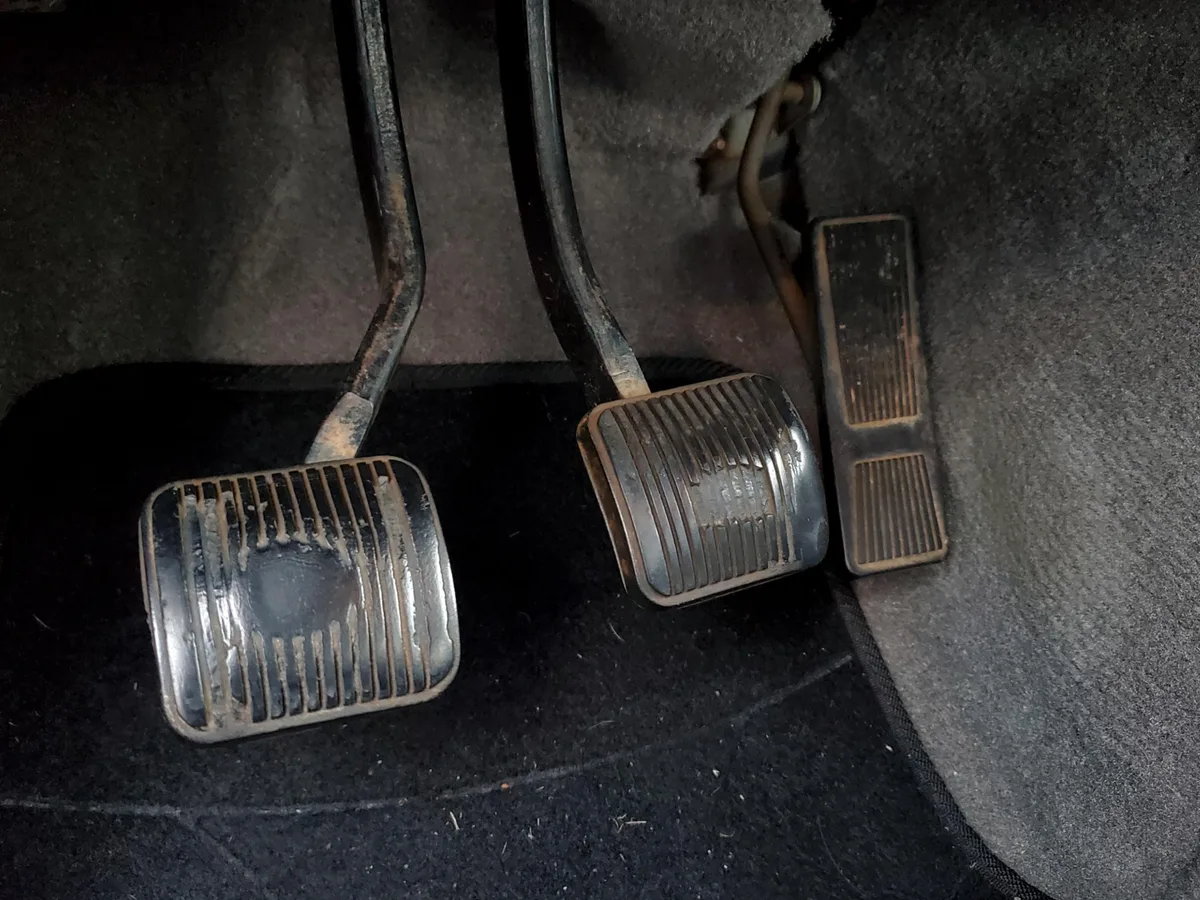
Image source: Bing (Web (fair-use with source credit))
49% off Today's Exclusive Deals
Limited-time Exclusive Deals. Check current discount on Amazon.
Check Price on Amazon As an Amazon Associate I earn from qualifying purchases.The Short Version: What a Soft Brake Pedal Means on a Wrangler
A soft pedal means braking pressure is escaping. The hydraulic system can't hold fluid, so the calipers and wheel cylinders don't get enough force. Common causes include air in the lines, a visible leak, or an internal master cylinder leak.
If the pedal sinks toward the floor, stop driving and diagnose it now.
Your brakes rely on fluid, not cable. Once pressure drops, every stop becomes a gamble. The pedal is your only gauge.
On a Wrangler, the usual suspects are:
49% off Today's Exclusive Deals
Limited-time Exclusive Deals. Check current discount on Amazon.
Check Price on Amazon As an Amazon Associate I earn from qualifying purchases.- Air trapped in the hydraulic system
- External leaks at the calipers, lines, or master cylinder
- Internal master cylinder bypass, where fluid slips past the seals
Pedal behavior matters. A spongy pedal, a low pedal, and one that slowly sinks all point to different causes. Recognizing that difference is how you avoid replacing parts blindly.
Don't ignore the early signs of fading brake pressure, because a soft pedal can get worse without warning.
How a Wrangler's Brake System Works and Why Pedal Feel Changes
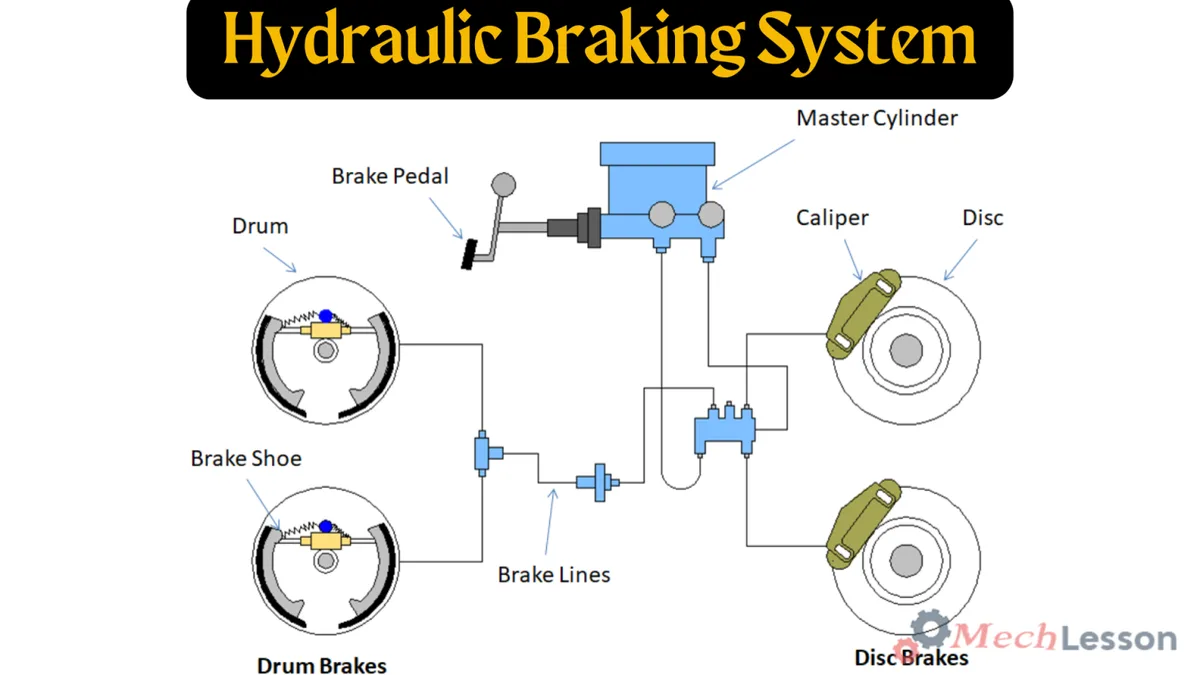
Image source: Bing (Web (fair-use with source credit))
The braking system in a Wrangler is a closed hydraulic loop. Press the pedal and the master cylinder pushes fluid through steel lines and rubber hoses. That fluid moves the calipers or wheel cylinders, which press the pads against the rotors or drums.
The brake booster uses engine vacuum to multiply your foot pressure.
Three factors control pedal feel: hydraulic pressure, vacuum assist, and friction. If any one is compromised, you'll feel it through your foot.
A spongy pedal usually means air in the lines. Air compresses under pressure. It feels like stepping on a thick sponge.
A low pedal that requires extra travel often points to worn parts, low fluid, or rear drum adjustment.
A pedal that slowly sinks to the floor points to the master cylinder. Fluid is leaking past the internal seals, so pressure fades even when you hold the pedal steady.
Wranglers see more of these issues than many modern vehicles. Larger tires add load, off-road use exposes the system to mud and water, and older models use steel lines that rust in salt-belt climates.
Worn pads often show up as grinding noises when you brake. That's a separate issue, but it can make the pedal feel less firm and should be handled as part of the same brake inspection.
Quick Safety Checks Before You Start Working
Before you pull any wrenches, run three quick checks. Each one takes under a minute.
Check the brake fluid reservoir. It sits under the hood, usually on the driver's side. The level should sit between MIN and MAX. Low fluid means a leak or worn pads. Dark or milky fluid means moisture contamination, which lowers the boiling point and creates a spongy pedal.
Inspect every brake line and hose. Look for wet spots, crusty residue, bulges, or rust. Pay special attention to the steel lines near the frame and the rubber hoses at all four wheels.
Do the engine-off pedal test. Pump the pedal three times, then hold steady pressure. If the pedal holds firm, the master cylinder seals and the hydraulic side are likely okay. If it slowly sinks, suspect an internal master cylinder leak.
If the pedal drops straight to the floor, don't drive the Jeep. That's a serious brake fault that calls for a tow, not a driveway test.
Also watch for a high-pitched squeal when you brake. That often means the wear indicators are touching the rotor. Squealing brakes are a separate issue, but they're worth noting during the same inspection.
If your brake lights aren't working either, that's an electrical fault, not a hydraulic one. It won't cause a soft pedal, but it does make the Jeep harder to spot on the road.
Per NHTSA's brake system standards, FMVSS 105 sets the minimum stopping performance for hydraulic brakes. A serviceable system should stop the vehicle in a controlled distance without excessive pedal effort or travel.
A Step-by-Step Diagnosis: What to Check in Order (and Why)
Work through these tests in order. Each one rules out a cause or confirms one.
| Test | What You Feel | Likely Cause |
|---|---|---|
| Engine off, pump 3 times, hold | Pedal slowly sinks | Master cylinder internal bypass |
| Engine off, pump 3 times, hold | Pedal stays firm but low | Air, low fluid, or rear drum adjustment |
| Engine running, hold light pressure | Pedal sinks to floor | Master cylinder or ABS internal leak |
| Engine off, press pedal, start engine | Pedal doesn't drop | Bad booster, vacuum hose, or check valve |
Master cylinder test. Pump the brake with the engine off. A firm pedal that holds means the seals are holding. A pedal that sinks means fluid is bypassing internally.
Replace the master cylinder, don't just bleed it.
Brake booster test. A vacuum booster failure usually makes the pedal hard, not soft. To test it, press the pedal with the engine off. Hold it down, then start the engine.
The pedal should drop slightly. If it doesn't, the booster, vacuum hose, or check valve is faulty.
Lines and hoses. Inspect every steel line and rubber hose. A rusted line can weep fluid under pressure. A bulged hose can expand internally.
Replace anything questionable.
Rear drums. If your Wrangler has rear drums, check the self-adjusters. Worn shoes or a stuck adjuster leaves the pedal low. Adjust them if the pedal height doesn't improve.
If you also have a soft clutch pedal, the leak-finding logic is similar. Just remember that the clutch and brake systems are separate, so one won't cause the other.
How to Bleed the Brakes the Right Way on a Wrangler
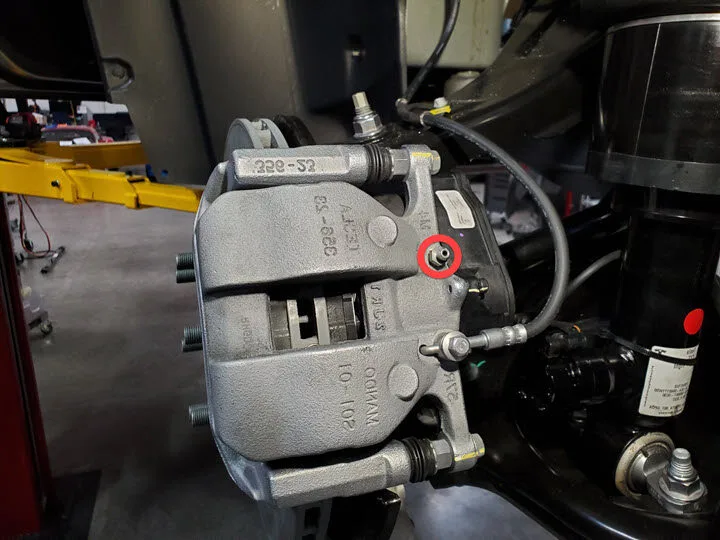
Image source: Bing (Web (fair-use with source credit))
Bleeding removes trapped air from the hydraulic system. Air compresses, so it turns a firm pedal into mush. If your diagnosis points to air, here's the correct process.
Use the right fluid. DOT 3 is standard on most Wranglers. DOT 4 has a higher boiling point and suits off-road use.
Check your owner's manual for the exact spec. Don't mix them unless the manual allows it.
Gather a flare nut wrench, clear vinyl tubing, a catch bottle, and a helper. The flare nut wrench keeps you from rounding the fittings. The clear tubing lets you see air bubbles as they leave.
The correct bleeding order on a Wrangler is:
- Passenger rear
- Driver rear
- Passenger front
- Driver front
The two-person method works best. One person pumps the pedal three times and holds it down. The other opens the bleeder screw until fluid flows clean and bubble-free.
Tighten the screw, then release the pedal. Repeat until no air appears.
Don't let the reservoir run dry. Refill it often with fresh fluid from a sealed container. Keep flushing until you see clean, pale fluid at each wheel.
If the Wrangler has ABS and the module holds air, a manual bleed may not reach it. You'll need a scan tool to cycle the ABS pump. That's a job for a shop or someone with a pressure bleeder.
If you replace the master cylinder, bench bleed it before installation. Dry mounting leaves air trapped behind the seals, and no amount of wheel bleeding will fully clear it.
Brake fluid also absorbs water over time. Most manufacturers recommend a full flush every two years or 30,000 miles. If the fluid looks dark, flush the system before topping it off.
Common Mistakes That Turn a Soft Pedal Into a Bigger Problem
A soft pedal is never fixed by luck. It requires methodical diagnosis. These five mistakes are the most common ways DIYers make things worse.
Skipping the leak check. Many owners go straight to bleeding the brakes. A small leak in a line or at a caliper will still let pressure escape. You'll have a mushy pedal all over again.
Overfilling the reservoir. Adding fluid above the MAX line is a real mistake. When the fluid heats up, it expands. The excess forces its way out past the cap and can damage the master cylinder seals.
Using old or contaminated brake fluid. Brake fluid pulls moisture from the air. Once it's waterlogged, its boiling point drops. That creates a spongy pedal under hard braking. Always use a freshly sealed container.
Ignoring rusty steel lines. Wranglers in salt-belt states are prone to this. Rust hides behind frame brackets and under the engine bay. A corroded line can burst without warning.
Mistaking a bad booster for air in the lines. If the pedal is hard instead of spongy, bleeding won't help. A booster failure needs a vacuum test, not a bleed.
Each mistake comes down to the same lesson. Diagnose first, replace parts second.
When to Stop Shade-Tree Mechanic Work and Call a Pro
Some jobs need a lift, a scan tool, and a factory service manual. If any of these apply, stop right there.
- The brake pedal has zero resistance and drops completely to the floor.
- The ABS light is on or the module won't bleed.
- You see fluid under the Jeep but can't find the source.
- The vehicle pulls left or right during a drive.
A technician can pressure-bleed the ABS module, read live data, and test booster vacuum. That's worth the money when your safety is on the line.
Here's a rough idea of what the work costs:
| Job | Typical Cost Range |
|---|---|
| Brake fluid flush | $100 to $150 |
| Master cylinder replacement | $200 to $400 |
| Brake line replacement | $150 to $300 per line |
| Brake booster replacement | $400 to $700 |
Always get a quote before approving work. A good shop will confirm what you thought was air and find the true cause.
If the pedal feels soft right after a crash or a hard off-road hit, don't drive at all. Have the Jeep towed and let a professional inspect the hydraulic system. A closed hydraulic circuit fails at its weakest point, and a professional knows where to look.
Wrangler Brake Pedal Soft: Quick Answers to Common Questions
Can I drive with a soft brake pedal?
No. A soft pedal means hydraulic pressure is escaping somewhere. That can fail completely without warning.
If the pedal sinks toward the floor, have the Jeep towed to a shop. Diagnose the issue before turning the key again.
How long does a brake fluid flush take?
A standard two-person bleed takes about 30 to 60 minutes. A full flush with a pressure bleeder is similar. Add extra time if air is trapped in the ABS module.
Most DIYers finish in an afternoon.
Is a soft pedal after pad replacement normal?
No. A soft pedal after new pads usually means air got into the system or the master cylinder is bypassing internally. Pushing a caliper piston back can force air through the bleed screw.
Bleed the system and retest.
Do I need to replace the master cylinder or just bleed it?
Only bleed first if the pedal holds firm with the engine off. If it sinks slowly under steady pressure, the master cylinder has an internal bypass. Bleeding won't fix that.
Replace the unit and bench bleed it before installation.
Does lifting my Wrangler cause a soft pedal?
A lift itself doesn't change brake hydraulics. Larger tires add rotational mass and demand more stopping force. That extra load can expose a weak master cylinder or booster that was already borderline.
If the pedal feels spongy after a lift, check for air and worn components.
What's the best brake fluid for a Jeep Wrangler?
DOT 3 meets the factory spec on most Wranglers. DOT 4 has a higher boiling point and is a solid upgrade for towing or off-road use. Always use fresh fluid from a sealed container and flush before changing fluid types.