If you've ever seen a "Steering assist reduced" alert flash up on your Tesla Model 3's touchscreen, you know the mix of confusion and panic that follows. The Tesla Model 3 steering problem is one of the most reported issues across owner forums, and it can range from a harmless software glitch to a serious safety hazard. Understanding what you're dealing with is the first step toward a safe fix.
As of 2026, National Highway Traffic Safety Administration (NHTSA) data shows thousands of steering-related complaints and multiple recall inquiries tied to the Model 3's electric power steering rack. The good news? Most problems follow predictable patterns.

49% off Today's Exclusive Deals
Limited-time Exclusive Deals. Check current discount on Amazon.
Check Price on Amazon As an Amazon Associate I earn from qualifying purchases.Once you know the symptoms, the causes, and your service options, you can handle the situation with confidence. Let's walk through exactly what's happening, what's urgent, and what can wait.
Quick Answer
The Tesla Model 3 steering problem usually shows up as a "Steering assist reduced" warning or stiff, heavy steering. It can come from a failing steering rack, a worn suspension part, or even a weak 12V battery. Restarting the car clears some cases.
If the warning returns, stop driving and schedule a service visit. Safety always comes first.
49% off Today's Exclusive Deals
Limited-time Exclusive Deals. Check current discount on Amazon.
Check Price on Amazon As an Amazon Associate I earn from qualifying purchases.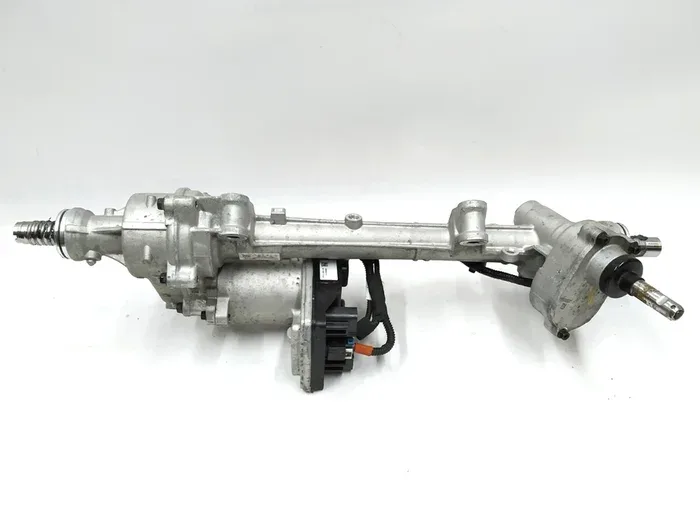
Image source: Bing (Web (fair-use with source credit))
The One Warning That Actually Matters: "Steering Assist Reduced"
This alert isn't just a suggestion. It means your electric power steering system has detected a fault and is reducing assist to protect itself. In simple terms, the motor that helps you turn the wheel is either partially disabled or about to fail completely.
If you see this message while driving, here's your immediate step-by-step response:
49% off Today's Exclusive Deals
Limited-time Exclusive Deals. Check current discount on Amazon.
Check Price on Amazon As an Amazon Associate I earn from qualifying purchases.- Don't panic. The steering will get heavier, but you still have control.
- Pull over safely when you can, preferably to a flat, quiet area.
- Restart the car. Power it down completely, wait 30 seconds, then turn it back on.
- Watch for the warning. If it clears and stays gone, it may have been a one-time glitch.
- If it returns, stop driving. Call Tesla Roadside Assistance and have the car towed.
Our research shows that a single transient warning is often resolved with a simple restart. But repeated warnings point to a deeper issue. Aggregate owner reports suggest that when this alert appears frequently, the steering rack is usually the culprit.
Rarely, a low 12V battery triggers the same message, since the power steering system depends on stable low-voltage power. Don't ignore it, but don't assume the worst either.
How Tesla Model 3 Steering Works and What Really Breaks
The Model 3 uses an electric power steering (EPS) system. There's no hydraulic fluid, no power steering pump, and no belts. Instead, an electric motor mounted on the steering rack provides assist based on input from a torque sensor in the steering column.
It's simpler than old hydraulic systems, but it comes with its own failure points.
The main components that can fail are:
- The steering rack assembly: Contains the motor, gears, and internal electronics. This is the most common failure point.
- The steering column torque sensor: Reads how hard you're turning the wheel. If it sends bad data, assist feels wonky.
- The steering angle sensor: Tracks wheel position for stability control and Autopilot. A misaligned sensor triggers confusing warnings.
- The 12V battery: Low voltage can cause intermittent steering faults while driving.
- Front suspension parts: Tie rod ends, ball joints, and control arm bushings. Wear here shows up as clunks and pulls, not always assist warnings.
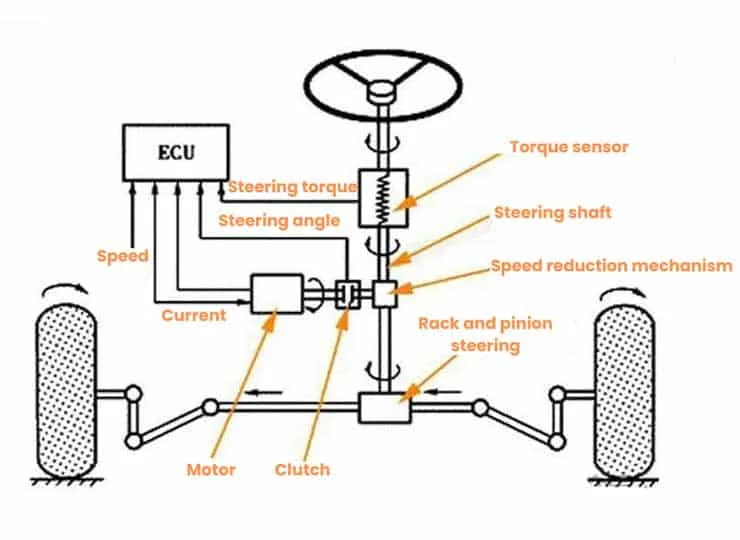
Image source: Bing (Web (fair-use with source credit))
In our research, the steering rack itself dominates failure reports. Tesla has issued service bulletins and warranty extensions for rack issues on certain Model 3 production dates. Per NHTSA complaint data, owners describe symptoms like a grinding noise during turns, sudden loss of power steering, and recurring warning messages.
If your car is still under the Basic Vehicle Limited Warranty, which typically covers 4 years or 50,000 miles, a rack replacement may cost you nothing.
Is It Safe to Drive? A Symptom-by-Symptom Guide
The question we hear most is, "Can I still drive it?" The honest answer depends entirely on what your car is doing. Use this table as a quick decision guide:
| Symptom | Safe to Drive? | Recommended Action |
|---|---|---|
| One-time "Steering assist reduced" warning, steering feels normal | Yes | Restart, monitor. Schedule an inspection if it repeats |
| Warning appears often, steering feels heavy | Yes, cautiously | Drive to the nearest Tesla Service Center or call mobile service |
| Steering wheel shakes or vibrates at speed | Yes, but likely not a steering fault | Check tire balance and alignment first |
| Car pulls left or right on a flat road | Yes | Check tire pressure and condition, then alignment |
| Clunk or click when turning at low speed | Yes | Inspect tie rods and control arm bushings |
| Complete loss of power steering assist | No | Pull over safely, call for a tow. Do not drive |
| Steering feels loose or unresponsive while driving | No | Stop immediately, flatbed the vehicle |
The red line is total loss of assist. If the wheel suddenly goes heavy and unassisted, that's a serious safety risk. You still have mechanical steering, but it requires significantly more effort, especially at low speed or during emergency maneuvers.
In those cases, do not drive the car. Have it flatbedded to a service center. Your safety, and everyone else's on the road, is worth the tow bill.
Also, be careful not to confuse suspension noise with a steering fault. A worn control arm bushing might produce a clunk that feels like it's coming from the steering rack. A wheel vibration at highway speed often has nothing to do with power steering at all.
Sometimes it's just a bent wheel or an out-of-balance tire. Diagnosis matters more than jumping to expensive repairs.
Common Fixes: Steering Rack, Suspension Parts, Alignment, and the Cheap 12V Battery Surprise
Once you've identified the issue, the fix can range from a quick battery swap to a full steering rack replacement. Here's what our research and aggregate owner feedback show about the most common solutions.
The 12V battery surprise. Many owners report intermittent "Steering assist reduced" warnings that vanish completely after replacing the 12V battery. The Model 3's steering electronics are sensitive to voltage dips. If your battery is older than three or four years, test it first.
This is the cheapest fix on the list, and it's worth ruling out before anything expensive.
Steering rack replacement. This is the big one. If diagnostics confirm internal rack failure, a replacement is the only permanent fix. Tesla service typically charges between $2,500 and $4,000 for parts and labor, depending on your region and whether the car is in warranty.
Under warranty, you pay nothing. Independent EV shops with Tesla experience may charge less, but they're not available everywhere.
Suspension components. Tie rod ends, ball joints, and control arm bushings wear out like any car's. Symptoms include clunks, uneven tire wear, and a steering wheel that sits off-center. Replacing these parts costs far less than a rack, usually $200 to $800 for parts and labor, and a proper wheel alignment afterward is mandatory.
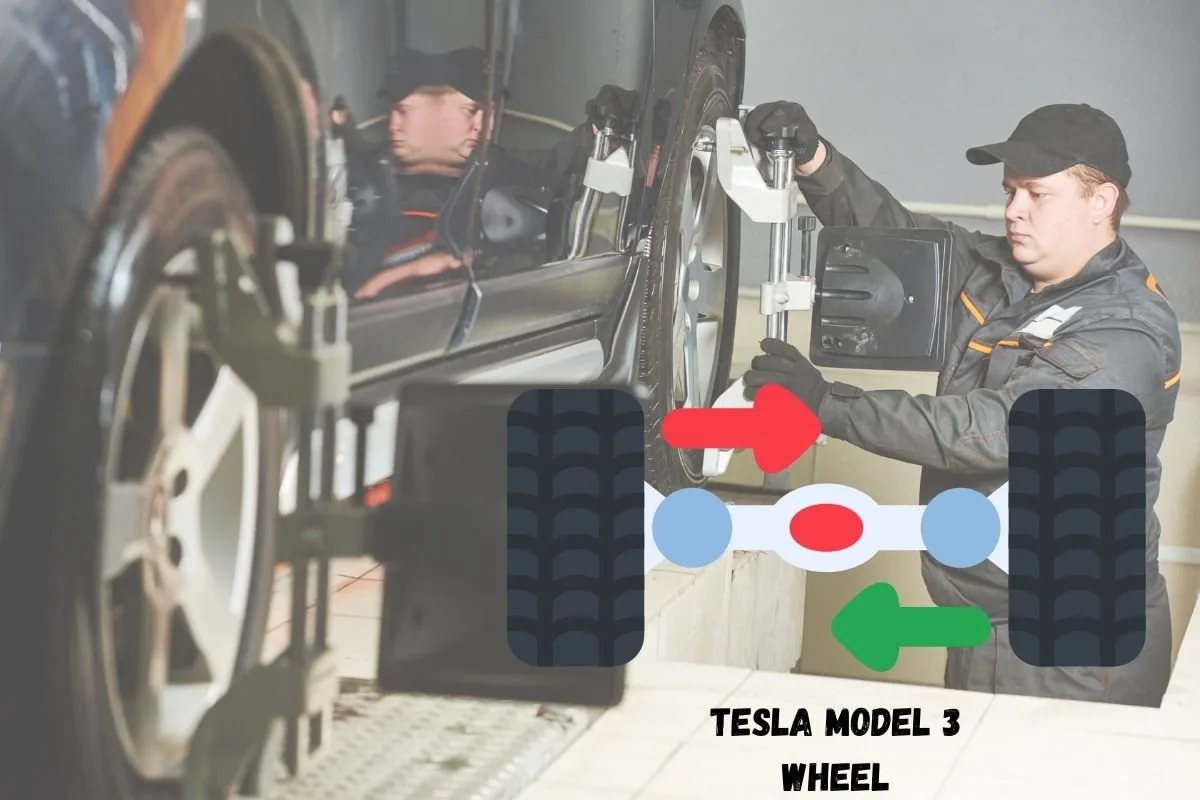
Image source: Bing (Web (fair-use with source credit))
Wheel alignment and balance. A car that pulls to one side or vibrates at speed often gets misdiagnosed as a steering failure. A four-wheel alignment at a Tesla-certified shop typically runs $150 to $300. Road-force balancing your tires is another $50 to $150.
These are cheap checks that can save you from chasing a ghost in the steering rack. Skipping them leads many owners to replace hardware that was never broken.
Tesla Service vs. Mobile Repair vs. Warranty: Your Realistic Options
You have three main paths to a fix: Tesla Service Centers, Tesla Mobile Service, and independent EV specialty shops. Each has trade-offs, and the right choice depends on your situation.
Tesla Service Center. This is the safest option for steering repairs. Tesla technicians have factory training, proper diagnostic tools, and access to genuine parts. They also handle warranty claims without hassle.
The downside? Wait times can stretch to several weeks in busy regions. If the car is drivable and the issue isn't urgent, this is the recommended route.
Tesla Mobile Service. For simpler issues like a 12V battery replacement or a steering angle sensor recalibration, mobile service can come to your driveway. It's convenient, often cheaper than a service center visit, and still uses Tesla's official procedures. Not every task qualifies.
Rack replacements require a lift and specialized tools, so those stay at the service center.
Independent EV shops. Some independent shops now specialize in Tesla repairs. They charge less and often have shorter wait times. Before trusting them with steering, verify they have experience with the Model 3's EPS system.
This isn't like an alternator swap on a 1995 Camry. If they lack proper diagnostic equipment, you risk a bad repair and a safety liability. Check reviews, ask about their Tesla-specific tools, and confirm whether their work includes any warranty.
If you're out of the factory warranty, estimate your options. A Tesla Service center will quote the repair without obligation. An independent shop's quote gives you a comparison point.
Just remember that steering repairs are safety-critical, so the cheapest bid isn't automatically the best one. A brake issue or a steering issue is not where you want to cut corners. Vehicle control systems demand proper attention, just like your stopping power deserves a thorough brake system inspection when something feels off.
Steering Repair Mistakes That Cost Model 3 Owners Money and Safety
The most expensive steering failure is the one that was never a steering failure at all. Misdiagnosis sends countless owners down a rabbit hole of unnecessary repairs. Avoid these common errors and you'll save both cash and headaches.
Skipping the cheap checks first. A pulling car usually needs a wheel alignment, not a new rack. Same goes for vibration at highway speed, which is often just a tire balance issue. Test the 12V battery before any major work.
Low voltage triggers phantom warnings that disappear for free with a swap. Our research shows these simple checks catch a surprising share of reported "steering failures."
Trusting a general mechanic with the EPS system. The Model 3's electric power steering is computer-controlled and high-voltage. A shop without Tesla diagnostic tools is guessing. Guesses lead to replaced parts that don't fix the problem, plus labor bills you can't get back.
If a local shop can't pull Tesla-specific fault codes, drive elsewhere.
Using cheap aftermarket suspension parts. Tie rods and control arms are safety-critical. Non-genuine components can fail early or knock your alignment off. The savings aren't worth the risk.
At the very least, confirm the parts meet OEM specifications before installation.
| Mistake | Real Cost | What It Should Have Cost |
|---|---|---|
| Replacing steering rack for tire pull | $2,500+ | $150 alignment |
| Replacing rack for 12V battery fault | $2,500+ | $100 battery |
| Catching rack failure early | $0 under warranty | $2,500+ tow and repair |
Ignoring a recurring warning. A failing steering rack won't heal itself. Every drive with an active "Steering assist reduced" alert risks sudden assist loss on the highway. That's a crash waiting to happen, and a tow bill on top of the repair.
No steering component is worth gambling your safety over. The same logic applies to other critical vehicle systems, which is why staying current on your brake system health matters just as much. If you've noticed any brake problems, don't wait to investigate them.
Frequently Asked Questions
How much does it cost to fix Tesla Model 3 steering problems?
Costs range from about $100 to $4,000 depending on the cause. A 12V battery replacement runs roughly $100 to $200. A wheel alignment is typically $150 to $300.
A steering rack replacement costs $2,500 to $4,000 out of pocket. Under the factory warranty, rack replacement is free.
Is it safe to drive with "Steering assist reduced"?
If the warning clears after a restart and steering feels normal, you can drive cautiously to a service center. If the message returns or the wheel feels heavy, stop driving. Loss of power steering assist makes the car hard to control at low speeds and during evasive maneuvers.
Call for a tow instead.
Why does my steering wheel shake at highway speeds?
Steering wheel shake almost always comes from the tires, not the steering rack. A bent wheel, an out-of-balance tire, or uneven tread wear causes vibration. Road-force balancing fixes most cases for under $150.
Check tire pressure first, then get the wheels balanced before suspecting any steering hardware.
How long does a Tesla steering rack replacement take?
Plan for one full day at a Tesla Service Center. Some locations need to order the part, which can add several days to the schedule. Tesla Mobile Service doesn't perform rack replacements because the job requires a lift.
Ask your service advisor for a specific timeline when you book the appointment.
Can a low 12V battery cause steering problems?
Yes. A weak 12V battery causes voltage dips that confuse the steering electronics. Owners often see intermittent "Steering assist reduced" warnings that vanish after a battery replacement.
This is the cheapest fix to rule out before any expensive diagnostics. If your car is older than three to four years, test the battery first.
Does the Tesla warranty cover steering repairs?
The Basic Vehicle Limited Warranty covers steering components for 4 years or 50,000 miles, whichever comes first. Battery and drivetrain warranties have different terms. If you're out of warranty, check for any service bulletins or recall notices related to your VIN on NHTSA's website first.
Open recalls get fixed for free.