If your Subaru Outback engine shaking has you searching the internet at 2 a.m., you're not alone. This is one of the most common owner complaints across all Outback generations. The good news is that the cause is usually simple, not catastrophic.
Our research, pulling from owner forums and Subaru service bulletins, shows most shaking Outbacks are dealing with a misfire, a dirty sensor, or worn engine mounts. The OBD-II diagnostic standard points you in the right direction in minutes. As of 2026, these same steps work for any Outback from 1996 onward.
49% off Today's Exclusive Deals
Limited-time Exclusive Deals. Check current discount on Amazon.
Check Price on Amazon As an Amazon Associate I earn from qualifying purchases.Let's break down what to check first.
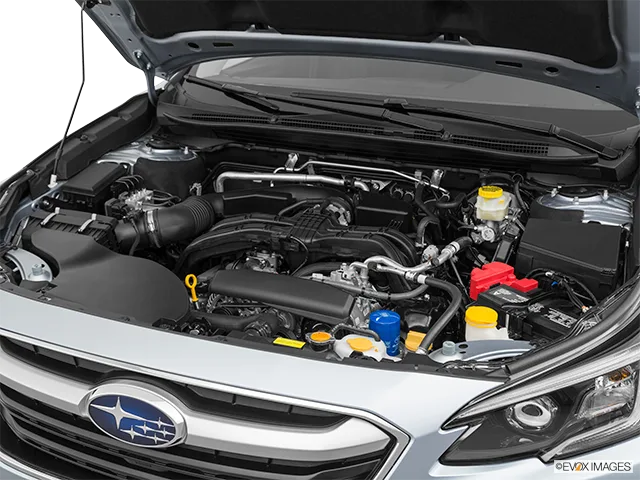
Image source: Bing (Web (fair-use with source credit))
49% off Today's Exclusive Deals
Limited-time Exclusive Deals. Check current discount on Amazon.
Check Price on Amazon As an Amazon Associate I earn from qualifying purchases.Is Your Subaru Outback Engine Shaking? Start Here
If the shake happens only at idle and clears up under acceleration, you're most likely dealing with a misfire. Bad spark plugs or a failing ignition coil sit at the top of the list. If the whole car vibrates even in park, suspect worn engine mounts.
If the shake shows up under load while towing or climbing, fuel delivery or a clogged sensor could be the issue.
Match the symptom pattern to the cause before spending money.
| When the shake happens | Most likely culprits |
|---|---|
| At idle, in park or at a stop | Spark plugs, ignition coils, vacuum leak, MAF sensor |
| Under acceleration or load | Fuel injectors, fuel pump, failing coil |
| All the time, even in park | Engine mounts, transmission mounts |
| Only when cold | MAF sensor, cold-start fuel trim, PCV valve |
| With a flashing check engine light | Active misfire, catalytic converter risk |
We'll walk through how to tell these apart in the next sections.
49% off Today's Exclusive Deals
Limited-time Exclusive Deals. Check current discount on Amazon.
Check Price on Amazon As an Amazon Associate I earn from qualifying purchases.What the Shake Is Telling You: Misfire vs. Engine Mounts vs. CVT Judder
Before pulling anything apart, figure out what kind of shake you're feeling. A single cylinder misfire feels like a rhythmic pulse, almost like a rough heartbeat. The steering wheel shudders.
You might smell unburned fuel. That's a combustion problem, not a structural one.
Worn engine mounts feel different. The entire body vibrates, and you sense a dull clunk when shifting from park to drive. The Boxer engine's movement is no longer dampened by the rubber mounts.
Rev the engine slightly in park. If the shake changes with RPM, mounts are a strong suspect.
CVT judder is its own animal. It usually shows up between 20 and 40 mph under light throttle. The car feels like it's running over rumble strips.
That has nothing to do with the engine. If the vibration only happens while moving, the engine is fine.
If the vibration ties to the moment it shifts gears, you might be dealing with a slipping transmission instead. That's a separate diagnostic path worth exploring on our transmission won't shift guide.
Read the Codes First: The Smart Diagnostic Tree That Saves You Money
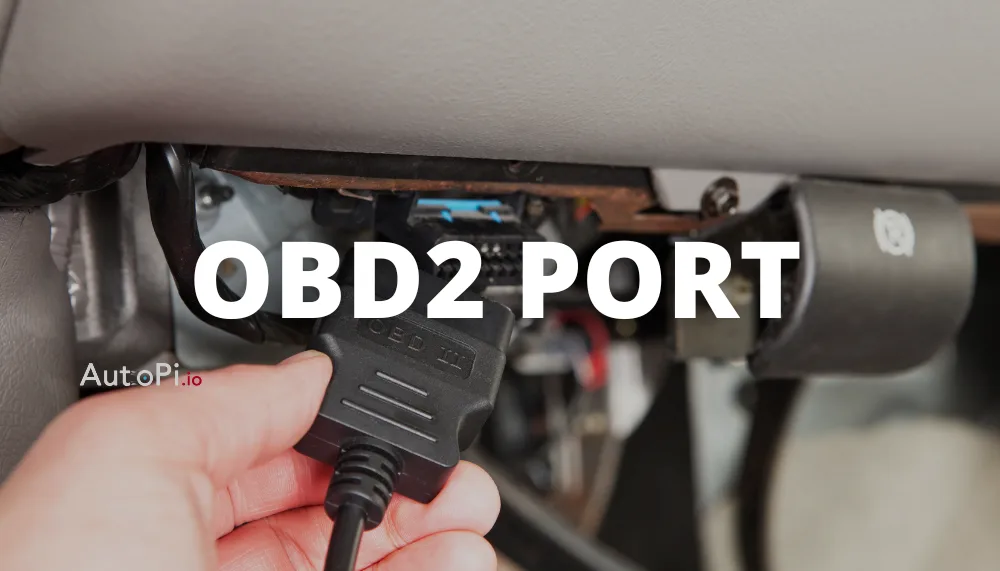
Image source: Bing (Web (fair-use with source credit))
Stop guessing. Plug an OBD-II scanner into the port under the dashboard and read any stored codes. On Subaru Boxer engines, common codes include P0301 through P0304 for specific cylinder misfires, P0300 for a random misfire, and P0171 or P0174 for fuel trim issues.
A flashing check engine light puts you in a danger zone. It means the misfire is severe enough to send raw fuel into the exhaust. That overheats and destroys the catalytic converter.
A $50 coil becomes a $1,500 repair.
Use the code to narrow your search:
- P0301: misfire on cylinder 1. Swap the coil with cylinder 2 and see if the code moves.
- P0300: multiple misfires. Check the MAF sensor, fuel pressure, or vacuum leaks.
- P0171: running lean. Look for vacuum leaks or a dirty MAF.
The EPA's OBD-II program covers the full technical background on emissions diagnostics. Every car sold in the US since 1996 uses this system.
If the scanner shows a transmission code instead of an engine code, that points to shift problems. You won't fix those by swapping engine parts.
The Usual Suspects: How to Test Each One Without Replacing Parts Blindly
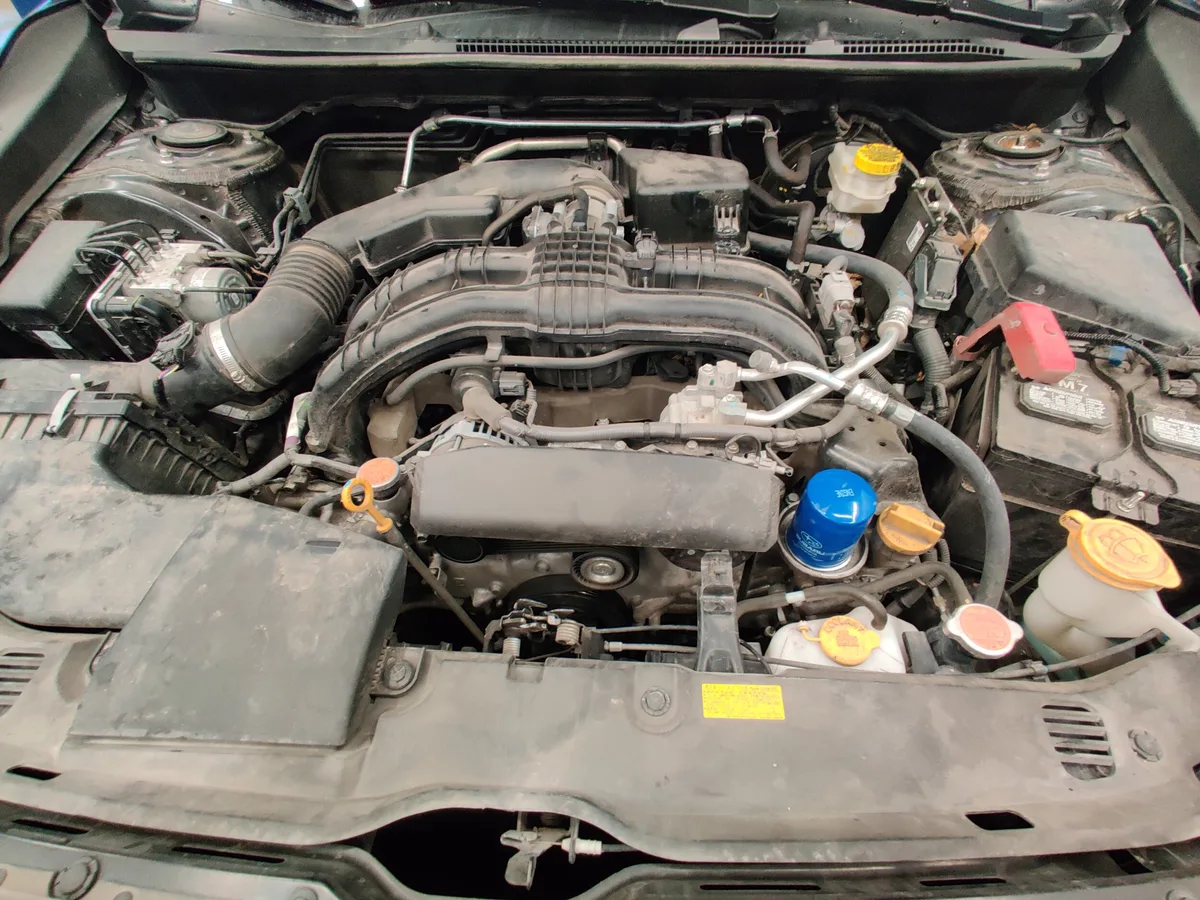
Image source: Bing (Web (fair-use with source credit))
Now we test each suspect with basic tools.
Ignition coils and spark plugs. Pull the coil pack off the misfiring cylinder. Inspect the plug for carbon fouling or a cracked insulator. Swap the coil to a healthy cylinder.
If the code follows the coil, you've found the bad one. Don't replace parts without doing this swap test.
MAF sensor and throttle body. If the engine runs rough at idle but clears up when revved, unplug the MAF. If the engine smooths out, the sensor is dirty or failing. Use a dedicated MAF cleaner only.
Brake cleaner or carb cleaner will strip the sensor coating and ruin it.
Vacuum leaks and PCV valve. Spray starting fluid around the intake manifold mating surface. If the RPM jumps, you found a leak. Pull the PCV valve and shake it.
If it doesn't rattle, replace it. That's a $15 fix that many people overlook.
Engine and transmission mounts. Look at the rubber bushings for cracks or collapse. Put the car in drive, hold the brake, and gently tap the gas. If the engine lifts sharply, the mounts aren't holding it.
Fuel delivery and cold-start quirks. If the shake only happens on cold mornings, clean the throttle body first and replace the PCV valve. Those are the two biggest cold-start causes on Boxer engines. A worn oil leak dripping onto the exhaust can also cause rough running that mimics a misfire.
Check that while you're under the hood. If your cooling system looks low too, read up on coolant leak causes.
Common Mistakes That Turn a $50 Fix into a $1,500 Bill
The biggest mistake is throwing parts at the problem without testing. New spark plugs won't fix a bad coil if you never swapped them to check. Ignoring a flashing check engine light ranks a close second.
Every mile you drive with it flashing cooks the catalytic converter further.
Using cheap aftermarket parts saves $10 now but costs $200 later when they fail early. Skipping the PCV valve is another trap. It costs $15 and takes two minutes.
A stuck valve causes crankcase pressure, blue smoke, and rough idle.
Forgetting to check for vacuum leaks wastes hours. A quick smoke test finds what spray bottles miss. And assuming it's the head gasket?
Subaru owners panic about this, and yes, these engines can blow head gaskets. But a misfire or dirty MAF is far more common. Check the cheap stuff first.
If those tests don't solve it, that's when deeper diagnosis makes sense.
What It Costs: Shop Diagnostic Fees vs. DIY Parts Prices
Cost is the first question everyone asks. A shop diagnostic runs $80 to $150 before any work happens. That's not wasted money if you don't want to dig in yourself.
But you can often get the same answer with a $40 scanner and twenty minutes of patience.
Here's a practical cost breakdown:
| Route | What you'll pay | What you get |
|---|---|---|
| DIY scanner | $20 to $80 | Trouble codes, live data, misfire counts |
| Shop diagnostic | $80 to $150 | Professional scan, written estimate |
| Spark plugs | $60 to $200 | Parts and labor, DIY or shop |
| Ignition coil | $50 to $150 per coil | Replacement after you confirm the bad cylinder |
| Engine mounts | $300 to $700 | Parts and labor, 2 to 4 hours of work |
| MAF sensor | $80 to $200 | Often cleaned instead of replaced |
| PCV valve | $15 to $50 | Cheap and fast. Replace early. |
DIY labor saves the biggest chunk, but only if you have the tools and patience. A full coil swap takes about an hour on an Outback. That's $100 saved by watching a video and following our testing steps above.
Frequently Asked Questions
Will a Subaru Outback Shake Damage the Engine?
Yes, if you ignore it. A continuous misfire overheats the catalytic converter. Raw fuel washes past the piston rings and thins the oil.
That turns a $50 coil replacement into a $2,000 engine repair.
Can I Drive with a Flashing Check Engine Light?
No. Pull over and turn the engine off. A flashing light means severe misfire and an overheating catalytic converter.
Every minute you keep running causes more damage. Call for a tow.
Why Does My Outback Only Shake When Cold?
Cold-start shake usually points to a dirty MAF sensor or a stuck PCV valve. The engine runs rich until it warms up. That rough fuel trim creates vibration.
Cleaning both sensors usually fixes it.
Is It Always a Head Gasket?
No. Head gasket failure is the fear every Subaru owner carries, but it's uncommon. A misfire, dirty sensor, or worn mount causes most shaking.
Check those cheap fixes before worrying about anything internal.
Your Fix Plan: When to DIY, When to Head to the Shop
If your OBD-II code points to a coil, plug, MAF sensor, or PCV valve, go for it. These are clean, straightforward jobs. You'll save $200 to $400 in labor and learn your Outback in the process.
If the scan shows a transmission code, or you have no code at all, stop guessing. A shop with proper diagnostic equipment can run live data and end the part-swapping cycle. That's especially true for intermittent shakes that only appear under load.
Check your warranty status before doing anything if you own a newer model. Powertrain coverage at Subaru of America may handle this for free. If your steering feels off alongside the vibration, don't ignore that either.
A shaking engine can mask other issues like brake problems that need separate attention.
The bottom line is simple: read the codes, test the cheap parts first, and never ignore a flashing light. A shaking Outback is rarely a dying Outback. It's usually something straightforward waiting for you to find it.