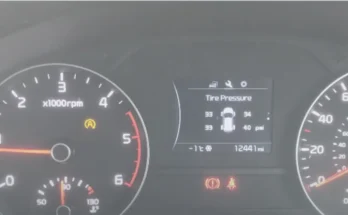
That yellow tire pressure warning light on your Mercedes C-Class can feel alarming, but it's usually a straightforward fix. The Mercedes C-Class tire pressure light means one or more of your tires is significantly under-inflated, typically by at least 25% below the recommended PSI. It's the car's way of asking for a quick check.
Most C-Class models use a direct TPMS with sensors inside each wheel. Per federal safety standard FMVSS 138, this system must alert you when tire pressure drops 25% below the vehicle's recommended cold inflation pressure. Let's walk through exactly what that light means and how to clear it.

49% off Today's Exclusive Deals
Limited-time Exclusive Deals. Check current discount on Amazon.
Check Price on Amazon As an Amazon Associate I earn from qualifying purchases.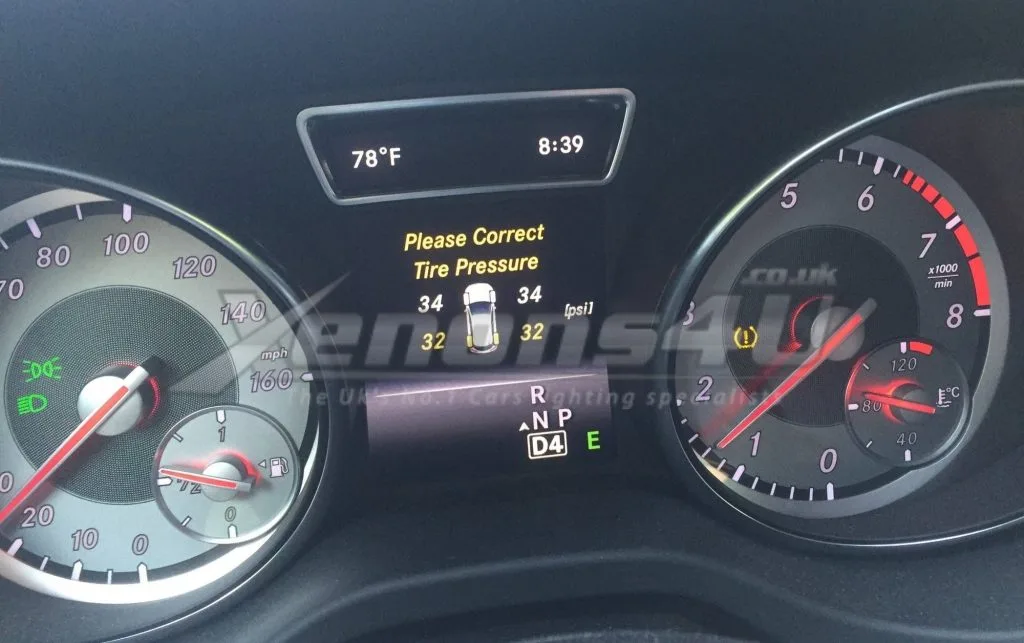
Image source: Bing (Web (fair-use with source credit))
What Your Mercedes C-Class TPMS Light Means (Steady vs. Flashing)
A steady light is the most common scenario. It's a straightforward low-pressure warning. You need to check and inflate your tires to the correct PSI, which you'll find on the sticker inside your driver's door jamb.
49% off Today's Exclusive Deals
Limited-time Exclusive Deals. Check current discount on Amazon.
Check Price on Amazon As an Amazon Associate I earn from qualifying purchases.A flashing light is different and more serious. It usually indicates a malfunction within the TPMS system itself. This could be a dead sensor battery, a failed sensor, or a problem with the system's receiver module.
A steady light says "fix your tires"; a flashing light says "fix the monitoring system."
| Light Behavior | What It Indicates | Your Immediate Action |
|---|---|---|
| Steady On | Low tire pressure (under-inflation) | Check and inflate tires when cold. |
| Flashing then Steady | TPMS system fault (e.g., dead sensor) | Requires diagnostic scan by a technician. |
The first step is always identifying which scenario you're in. If your light is on steady, proceed to the diagnostic workflow below. If it's flashing, you'll likely need a Mercedes-Benz diagnostic tool to read the fault codes.
How Mercedes Direct TPMS Actually Works
Your C-Class uses a direct Tire Pressure Monitoring System. This means each wheel has a physical sensor mounted inside the tire, integrated with the valve stem. This sensor measures air pressure and temperature in real time.
49% off Today's Exclusive Deals
Limited-time Exclusive Deals. Check current discount on Amazon.
Check Price on Amazon As an Amazon Associate I earn from qualifying purchases.The sensor transmits data wirelessly to a receiver module in the car, typically at a frequency of 315 MHz or 433 MHz. If the pressure in any tire drops below the threshold, the system triggers the warning light on your dashboard.
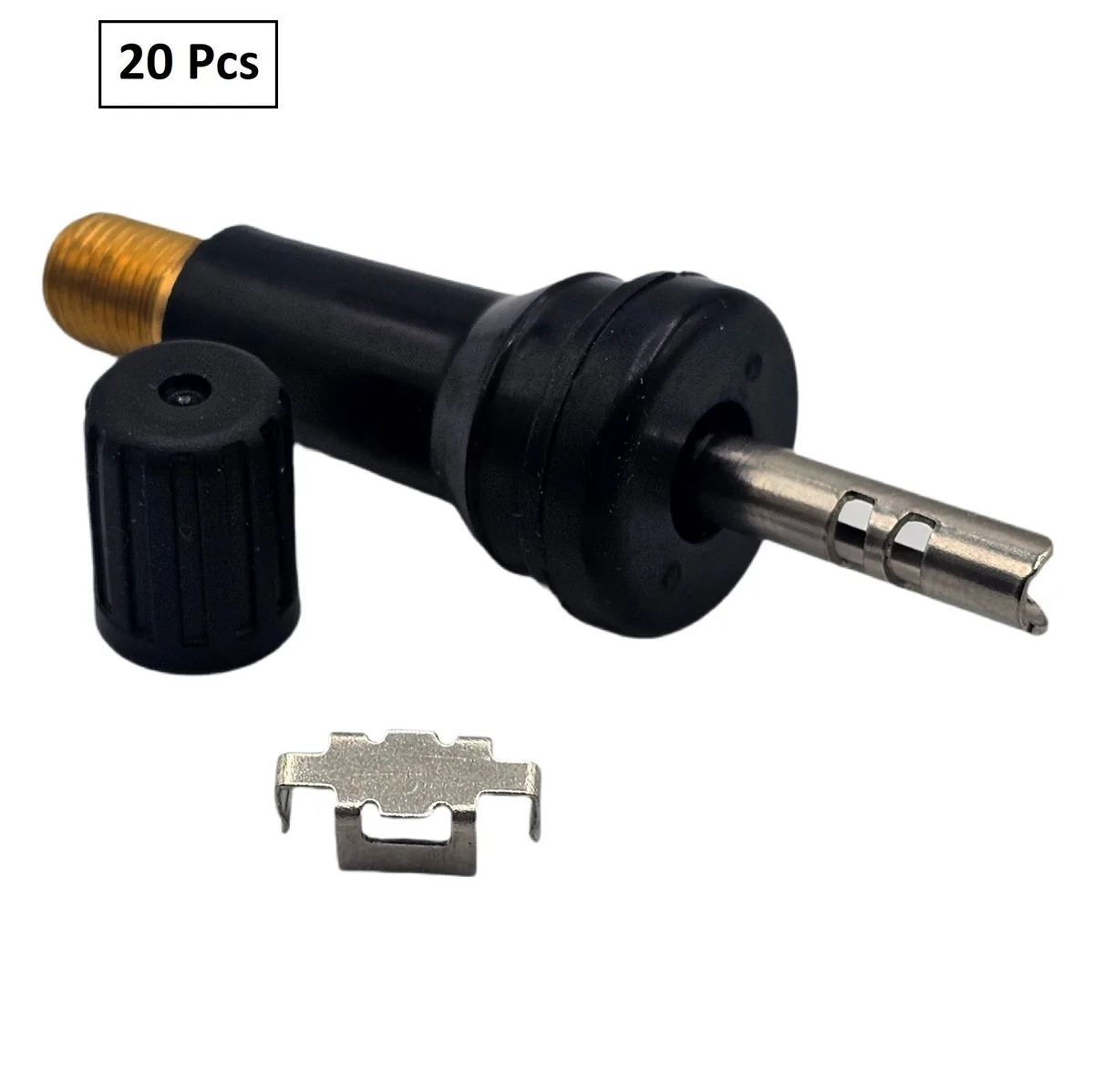
Image source: Bing (Web (fair-use with source credit))
These sensors are battery-powered and are designed to last about 5 to 7 years. When the battery dies, the sensor stops transmitting, which the system interprets as a fault, often causing a flashing light. This is a common reason for TPMS warnings in older C-Class models.
Fixing a Steady TPMS Light: Step-by-Step Diagnostic Workflow
Follow this decision tree to resolve a steady TPMS light. The process is logical and safe if you take it step by step.
Step 1: Check Pressure When Tires Are Cold
Park the car for at least three hours, or drive less than a mile at low speed. Use a reliable tire pressure gauge. Compare the reading to the PSI listed on your driver's door jamb sticker.
Do not use the number on the tire's sidewall.
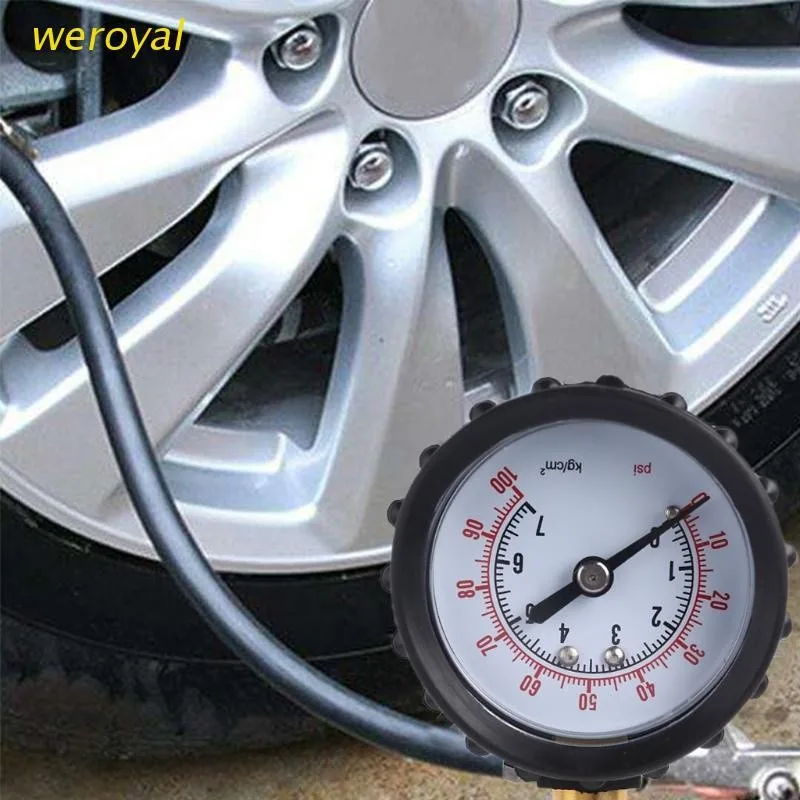
Image source: Bing (Web (fair-use with source credit))
Step 2: Inflate Under-inflated Tires
Add air to any tire that reads below the recommended PSI. Use a reliable air compressor at a gas station or a home unit. Recheck the pressure until it matches the door jamb specification.
Step 3: Drive to Reset the System
After inflating, drive the vehicle at a steady speed, typically above 50 mph, for 10 to 15 minutes. The TPMS system needs this drive cycle to re-calibrate and recognize the new pressures. The light should turn off.
If the light remains on after driving, you may need to initiate a TPMS reset. Check your owner's manual for the specific procedure, which often involves navigating a menu in your infotainment system or pressing a reset button.
When the Light Won't Clear: Your Next Decision
If the light stays on after inflation and a proper drive cycle, you need to diagnose further. Here's how to decide your next move.
If you've recently rotated your tires, the system needs a "relearn" procedure. The TPMS module must reassign each sensor's unique ID to its new wheel position. This often requires a specific sequence using the vehicle's controls or a specialized tool.
If the light was off, you inflated the tires, and it comes back on days later, you likely have a slow leak. This could be a nail in the tread, a faulty valve stem, or a damaged rim. A tire shop can perform a dunk test to find and repair the leak.
If the light is flashing, this confirms a system fault. You'll need a diagnostic scan. The fault code will point to the specific issue, such as a "low battery in sensor #3" or "lost communication with TPMS module." According to aggregate repair data, sensor battery failure is the most common cause after five years of vehicle age.
Common Mistakes That Keep the TPMS Light On
Avoid these frequent errors to save time and frustration.
Checking pressure on hot tires. Driving heats the air inside the tire, increasing the pressure by 3-6 PSI. A reading that looks correct on a hot tire may actually be dangerously low when cold. Always check first thing in the morning or after the car has parked for hours.
Ignoring the door jamb sticker. The "Max Pressure" number on the tire's sidewall is for load and speed ratings, not your daily driving. Inflating to that number will give you a harsh ride and reduced traction. Only use the vehicle-specific PSI from the door jamb.
Forgetting the relearn after a tire rotation. If you get your tires rotated at a shop and the light comes on, it's not an error. The system is confused about which sensor is where. A proper TPMS relearn is a required step after rotation, not an optional extra.
Assuming a steady light means a sensor failure. It almost never does. A steady light means low pressure. Start by checking the air, not by ordering a new sensor.
FAQs
How much does it cost to fix a Mercedes TPMS light?
If it's just low air, the fix is free. If a sensor needs replacement, costs range from $100 to $250 per wheel, including the part, labor, and programming. A system diagnostic fee is typically $100 to $150.
Can I drive with the TPMS light on?
You can drive, but you must check your tire pressure immediately. Driving on an under-inflated tire risks poor handling, increased wear, and potential blowouts. Do not ignore it.
Will the TPMS light reset itself?
A steady light will often turn off after you inflate the tires to the correct pressure and drive for 10-15 minutes at speed. A flashing light will not reset itself; it requires professional diagnosis.
Why is my tire pressure light on after adding air?
The most common reason is that the pressure was set on a warm tire. The pressure reading was falsely high. The light will come back on as the tire cools.
Another possibility is that the system needs a longer drive cycle to re-calibrate.
TPMS Sensor Replacement: Costs, Timing, and When to Get Help
If your TPMS light is flashing or the system keeps showing a fault after you've confirmed correct tire pressure, a sensor replacement is probably next. Direct TPMS sensors are mounted inside the wheel, attached to the valve stem. They're not something you can fix, only replace.
The sensor itself typically costs between $50 and $120, depending on whether you choose an OEM Mercedes-Benz part or a quality aftermarket equivalent. Labor for mounting, balancing, and programming usually adds another $50 to $130 per wheel. Total cost per sensor replacement runs $100 to $250 all-in.
| Cost Component | Price Range (Per Wheel) |
|---|---|
| OEM TPMS Sensor | $80 – $120 |
| Aftermarket Sensor | $50 – $80 |
| Mounting & Balancing | $25 – $50 |
| Programming / Relearn | $25 – $80 |
| Total Per Wheel | $100 – $250 |
How do you know which sensor failed? A diagnostic scan tool reads the fault codes stored in the TPMS module. The code will identify the specific wheel position (e.g., "sensor #2, left rear, low battery").
If your C-Class is out of warranty, a generic OBD-II scanner won't read TPMS codes. You'll need a Mercedes-specific tool or a shop with the right equipment.
Should you replace just the dead sensor or all four? Aggregate repair data from independent shops suggests replacing sensors in sets once the vehicle passes seven years old. If one sensor battery has died, the others are close behind.
Replacing all four avoids repeat labor charges within a short window.
For owners dealing with a similar tire pressure warning on a different vehicle, the process is comparable, though sensor costs and relearn procedures vary by make.
Why Proper Tire Pressure Matters More Than You Think
That warning light exists for good reason. The National Highway Traffic Safety Administration (NHTSA) estimates that under-inflated tires contribute to roughly 11,000 tire-related crashes per year in the United States. Proper inflation is one of the simplest safety measures you can take.
Under-inflated tires create excess rolling resistance. Your engine works harder to move the car, which wastes fuel and increases engine strain over time. Studies by the U.S.
Department of Energy show that tires inflated just 6 PSI below recommended levels can reduce fuel economy by about 3%.
Beyond efficiency, incorrect pressure affects how your C-Class handles. Under-inflated tires generate excessive heat, which can lead to tread separation and blowouts at highway speed. Over-inflated tires reduce the contact patch with the road, meaning less grip during braking and cornering.
That affects your steering response and overall vehicle stability.
Tire wear patterns tell the story too. Center wear indicates over-inflation. Edge wear signals under-inflation.
Uneven wear across axles suggests alignment issues or inconsistent pressures. Monitoring your tires monthly, even when the light stays off, prevents premature replacement and keeps braking performance consistent.
Seasonal temperature drops matter as well. Tire pressure decreases by roughly 1 PSI for every 10°F drop in ambient temperature. If your light came on during the first cold snap of winter, that's likely the cause.
A quick top-off should resolve it, and checking pressures at the start of each season prevents repeat warnings.
Frequently Asked Questions
How do I reset the Mercedes C-Class tire pressure light manually?
Drive at a consistent speed above 50 mph for 10 to 15 minutes after inflating all tires. The system re-calibrates automatically during this drive cycle. If the light persists, navigate to the "Service" menu in your COMAND or MBUX infotainment system and look for the "Tire Pressure" reset option.
What PSI should my Mercedes C-Class tires be?
Check the sticker inside your driver's door jamb for the exact specification. Most C-Class models recommend between 32 and 36 PSI when cold. The exact number depends on your tire size, trim level, and whether you have the sport or luxury package.
Can cold weather cause the tire pressure light to come on?
Yes. Temperature drops reduce tire pressure by about 1 PSI per 10°F decrease. A sudden cold snap can easily trigger the warning if your tires were already near the threshold.
Warming the car and driving may temporarily clear it, but you should add air to prevent it from returning.
Is it safe to drive long distances with the TPMS light on?
Not without checking your pressures first. If the tires are properly inflated and the light is on due to a sensor fault, you can drive carefully to a service appointment. If pressure is genuinely low, driving at highway speed risks a blowout.
Pull over safely and address it immediately.
Do I need Mercedes-specific sensors or will universal ones work?
Aftermarket universal TPMS sensors can work, but they must be compatible with your C-Class model year and TPMS frequency. Universal sensors require programming with a TPMS tool before installation. For guaranteed compatibility and fewer headaches, OEM Mercedes sensors remain the most reliable choice.