A BMW 3 Series brake pedal soft or spongy feel is a direct warning from your car's hydraulic system. It means the solid, confidence-inspiring pedal you expect has been compromised. This is a safety-critical signal that demands immediate attention and a systematic diagnosis.
The cause can range from a simple fluid top-off to a failing ABS module. Per manufacturer specifications, brake fluid should boil at over 446°F (230°C) when new, but moisture absorption over time drastically lowers this point. Before you replace parts, isolate the fault first.

49% off Today's Exclusive Deals
Limited-time Exclusive Deals. Check current discount on Amazon.
Check Price on Amazon As an Amazon Associate I earn from qualifying purchases.Quick Answer
A soft brake pedal on a BMW 3 Series usually signals one of three things. Air trapped in the brake lines after recent service. Low or contaminated brake fluid.
Or a failing component like the master cylinder, vacuum pump, or ABS module. The diagnostic path depends on whether the pedal feels spongy or sinks under steady pressure. A spongy pedal suggests air in the system.
A sinking pedal points to a hydraulic leak or vacuum supply failure. Check fluid level first, then perform the engine-on versus engine-off pedal test to narrow it down.
49% off Today's Exclusive Deals
Limited-time Exclusive Deals. Check current discount on Amazon.
Check Price on Amazon As an Amazon Associate I earn from qualifying purchases.
Image source: Bing (Web (fair-use with source credit))
What a Soft Brake Pedal Actually Means on Your BMW 3 Series
A soft pedal isn't just one feeling. How it behaves tells you a lot about the underlying problem. You need to distinguish between "spongy" and "sinking."
A spongy pedal feels vague and springy underfoot, like pushing into a dense cushion. It often requires pumping to build pressure. This classic symptom points to air somewhere in the hydraulic lines.
49% off Today's Exclusive Deals
Limited-time Exclusive Deals. Check current discount on Amazon.
Check Price on Amazon As an Amazon Associate I earn from qualifying purchases.Air is compressible, unlike brake fluid, so it absorbs your pedal force.
A sinking pedal is different. The pedal feels firm at first but slowly drops toward the floor when you hold steady pressure on it. This signals internal hydraulic failure.
Fluid is bypassing a seal somewhere inside the system.
Why are modern BMWs especially prone? Many 3 Series models (F30 and later) use sophisticated brake systems like I-Booster or integrate heavily with the ABS/DSC module. A fault in these electronic components can mimic a traditional hydraulic issue.
Aggregate owner reports indicate a significant number of "soft pedal" complaints on turbocharged models trace back to a failing electric vacuum pump, not the brakes themselves.
BMW 3 Series Brake System Diagnostic Workflow
Follow this sequence to narrow down the cause. Each step is a branch in the decision tree.
Step 1: The Initial Pedal Test (Engine Off vs. On)
This is your first and most revealing test. It takes 60 seconds and needs no tools.
- Turn the ignition OFF. Pump the brake pedal four or five times until it becomes firm and hard to press. This depletes stored vacuum in the booster.
- Press and hold the pedal with moderate, steady force. Note how far it travels.
- Start the engine. The pedal should sink slightly, about one inch, as vacuum assist engages, then hold firm.
If the pedal sinks significantly or continues to drop after the engine starts, you have an internal hydraulic leak or a major vacuum leak. If the pedal stays rock-hard with the engine off and doesn't change when started, your booster or vacuum supply has failed.
Step 2: Fluid Level and Visual Inspection
Check the brake fluid reservoir under the hood. The level should sit between the MIN and MAX lines.
- If the level is low: Fluid has leaked out somewhere. Look under the car at each wheel for wetness or drips. Inspect brake lines and flexible hoses for cracks or bulges.
- If the level is full: The problem is likely internal. Move to steps three and four.
Step 3: Checking the Brake Booster and Vacuum Supply
The brake booster uses engine vacuum to multiply your pedal force. A loss of vacuum affects pedal feel directly.
- Locate the large vacuum hose running from the intake manifold to the brake booster.
- With the engine idling, disconnect the hose at the booster. You should feel strong suction.
- If there's no suction, check the hose for cracks. If the hose looks fine, suspect the electric vacuum pump, which is common on BMW N54, N55, and B58 engines.
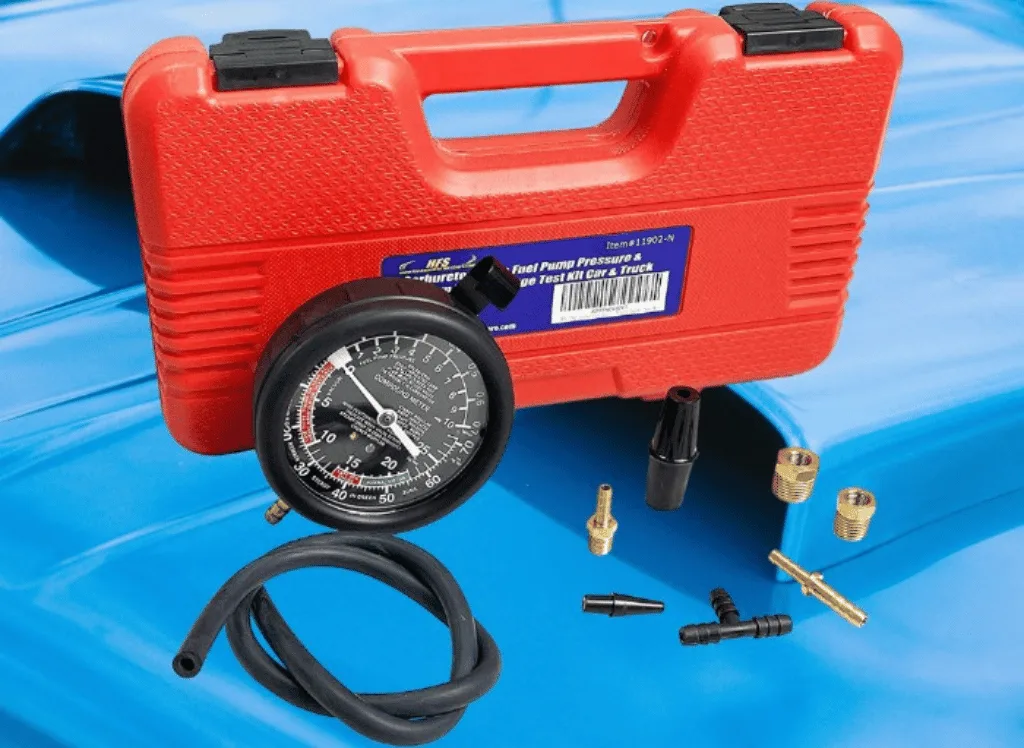
Image source: Bing (Web (fair-use with source credit))
Step 4: The ABS/DSC Module and Electronic Check
Modern BMWs use the ABS pump to modulate brake pressure. An internal leak within this module causes a soft pedal with no external fluid loss.
This step requires a diagnostic scan tool (like Carly for BMW or ISTA/D) that reads chassis-specific codes. Look for codes related to brake pressure sensors, the return pump, or the ABS hydraulic unit. A soft pedal paired with an illuminated ABS or DSC warning light almost always points to this module.
Key Components Involved in a Soft Pedal
Understanding these parts helps you communicate with a mechanic and make informed decisions.
The Vacuum Pump (Common Failure on Turbocharged Models)
Turbocharged BMW engines produce less natural manifold vacuum. They rely on an electric vacuum pump to ensure brake boost. When this pump fails or its check valve sticks, the booster loses pressure.
Symptoms include a pedal that feels normal initially but gets progressively harder, especially after repeated braking.
Brake Fluid Condition and Moisture Content
Brake fluid is hygroscopic, meaning it absorbs moisture from the air over time. This lowers its boiling point. During heavy braking, contaminated moisture can boil and create vapor bubbles in the lines.
Those bubbles compress under pedal force, creating that spongy feel. Per DOT standards, brake fluid should be replaced every two years regardless of mileage.
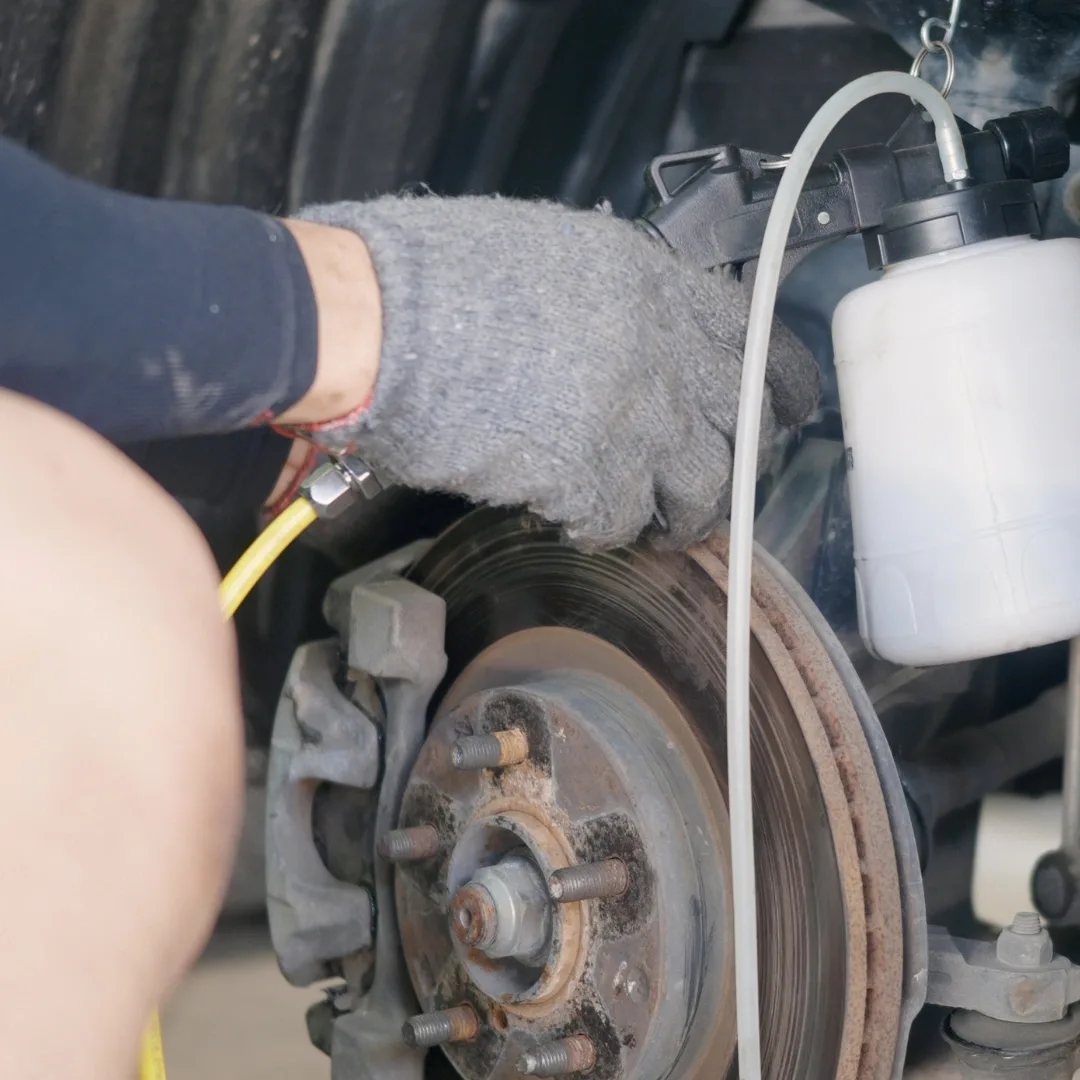
Image source: Bing (Web (fair-use with source credit))
A simple test with a brake fluid moisture tester confirms this. If the tester lights up red, the fluid is contaminated and needs a full flush with fresh, BMW-approved DOT 4 fluid.
Master Cylinder and Hydraulic Integrity
The master cylinder converts pedal pressure into hydraulic pressure. Internal seals can wear out, allowing fluid to bypass them. This creates a sinking pedal feel.
A quick test: while holding firm pressure on a sinking pedal, crack open a bleeder screw at a wheel. If the pedal then becomes rock-hard, the master cylinder is faulty.
Most Common Mistakes When Diagnosing a Soft Pedal
Save time and money by avoiding these pitfalls.
- Assuming it's always air in the lines. Air causes a spongy feel, not a sinking one. If the pedal sinks steadily, bleeding the brakes won't fix a worn master cylinder.
- Overlooking the vacuum pump or check valve. On any turbo 3 Series built after 2011, this is a prime suspect. A failing pump can leave the system without adequate vacuum.
- Ignoring intermittent warning lights. A fleeting ABS or DSC light during hard braking signals the module is detecting an internal pressure fault. Scan for codes even if the light is currently off.
- Skipping the simple pedal test. Most people jump straight to bleeding. The engine-on versus engine-off test costs nothing and immediately rules out major categories.
When to Handle It Yourself vs. See a Specialist
DIY Checks You Can Perform Safely
You can handle the pedal test, visual inspection, fluid level check, and brake fluid moisture test with basic tools. Topping off fluid with the correct specification is straightforward. Reading OBD-II codes with a consumer scan tool also works for basic diagnostics.
Scenarios That Require Professional Diagnostics
If the problem persists after a fluid top-off, or if any warning lights are present, you need professional help. A soft pedal caused by ABS/DSC module failure or I-Booster faults requires specialized tools and knowledge. These systems need electronic bleeding procedures that consumer tools can't perform.
When to Stop Driving Immediately
Pull over and arrange a tow if:
- The pedal goes to the floor.
- The brake warning light stays on solidly.
- You hear grinding when braking.
- The car pulls hard to one side.
A brake failure at highway speed is dangerous. Don't risk it. For other dashboard warning scenarios, such as an unexplained check engine light, prompt diagnosis is always the safest path.
Your Questions, Answered
Can I drive my BMW with a soft brake pedal?
No. A soft pedal means your braking system isn't generating full pressure. If the pedal sinks more than halfway to the floor, or drops under steady pressure, stop driving and have the car towed.
Even a marginally soft pedal increases stopping distance meaningfully.
What causes a spongy pedal after bleeding the brakes?
If bleeding didn't fix it, you likely still have trapped air, or the problem isn't air at all. The BMW 3 Series has a specific bleed sequence starting with the wheel furthest from the master cylinder. A pressure bleeder gives the best results.
If sponginess persists after a proper bleed, suspect the master cylinder or an ABS module internal leak. A related soft brake pedal concern on other platforms follows similar diagnostic logic.
How much does it cost to fix a soft brake pedal on a BMW?
Costs depend on the root cause. A brake fluid flush runs $100 to $150. Pad and rotor replacement is $300 to $600 per axle.
Master cylinder replacement: $400 to $700. An ABS/DSC module repair or replacement can run $1,000 to $2,000. Electric vacuum pump replacement: $300 to $600.
As of 2026, independent BMW specialists typically charge 30 to 40 percent less than dealership rates.
Why does my pedal feel soft only at low speeds?
Low-speed soft feel often traces to the brake booster or vacuum supply. At low speeds, you make frequent, lighter brake applications. A marginal vacuum leak or weakening electric vacuum pump won't show up during highway cruising.
It becomes obvious in stop-and-go traffic. Check the vacuum pump output and the one-way check valve on the booster hose first.
Should I bleed my brakes at home or go to a shop?
A home brake bleed works well if you have a pressure bleeder, the correct DOT 4 fluid, and follow the BMW-specific sequence. But if the soft pedal persists after bleeding, the problem isn't trapped air. You need diagnostics from a shop with BMW ISTA software that can scan the ABS module and run electronic service functions.