A Nissan Rogue oil leak isn't something to shrug off. That dark spot on your driveway is your engine telling you something isn't sealing right. Ignoring it can lead to low oil levels, engine damage, and a much bigger repair bill down the road.
The 2.5L QR25DE engine found in many Rogues requires 0W-20 synthetic oil, per Nissan specifications. That specific oil type and its proper level are critical for lubricating the tight tolerances inside your engine. Let's figure out exactly what's going on under your Rogue.

49% off Today's Exclusive Deals
Limited-time Exclusive Deals. Check current discount on Amazon.
Check Price on Amazon As an Amazon Associate I earn from qualifying purchases.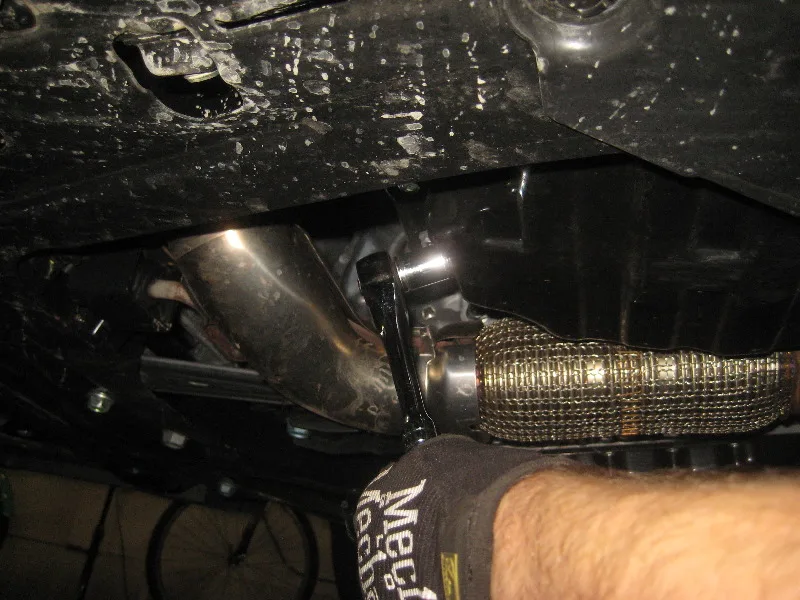
Image source: Bing (Web (fair-use with source credit))
Quick Answer
A Nissan Rogue oil leak needs prompt attention. Common causes include failing gaskets and seals on the valve cover, oil pan, timing chain cover, or rear main seal. Stop driving immediately if the oil pressure warning light comes on.
49% off Today's Exclusive Deals
Limited-time Exclusive Deals. Check current discount on Amazon.
Check Price on Amazon As an Amazon Associate I earn from qualifying purchases.For slow seeps with a full dipstick, drive cautiously to a repair shop. Always check your oil level before every trip until the leak is fixed.
What That Oil Spot Under Your Nissan Rogue Actually Means
That puddle or wet patch is your engine losing vital lubrication. Oil can escape from several places, and the pattern and location give the first clues.
A small, slow seep might just leave a film on the oil pan. A fresh, larger drip that coats the underside points to a more urgent failure. Clean, amber oil means a fresh leak.
Old, black, grimy oil indicates a long-term problem collecting road dirt.
49% off Today's Exclusive Deals
Limited-time Exclusive Deals. Check current discount on Amazon.
Check Price on Amazon As an Amazon Associate I earn from qualifying purchases.You also need to confirm it's engine oil. Power steering fluid and brake fluid can leak too, though engine oil is the most common under-hood culprit. A quick dipstick check confirms your oil level and condition.
Should You Keep Driving? The Quick Safety Answer
This is the most critical decision you'll make. Your safety and your engine's health depend on a quick, correct assessment.
Stop driving immediately and call for a tow if:
- The red oil pressure warning light is on or flickering. The engine isn't getting enough pressure to lubricate itself. Running it even for a few minutes can destroy bearings.
- You notice a significant amount of fresh oil dripping quickly after parking.
- You smell burning oil inside the cabin. That means oil is hitting hot exhaust components.
You can carefully drive to a repair shop if:
- The dipstick shows oil at or near the "full" mark.
- No warning lights are illuminated on the dashboard.
- The leak is a slow seep producing only a few drops overnight.
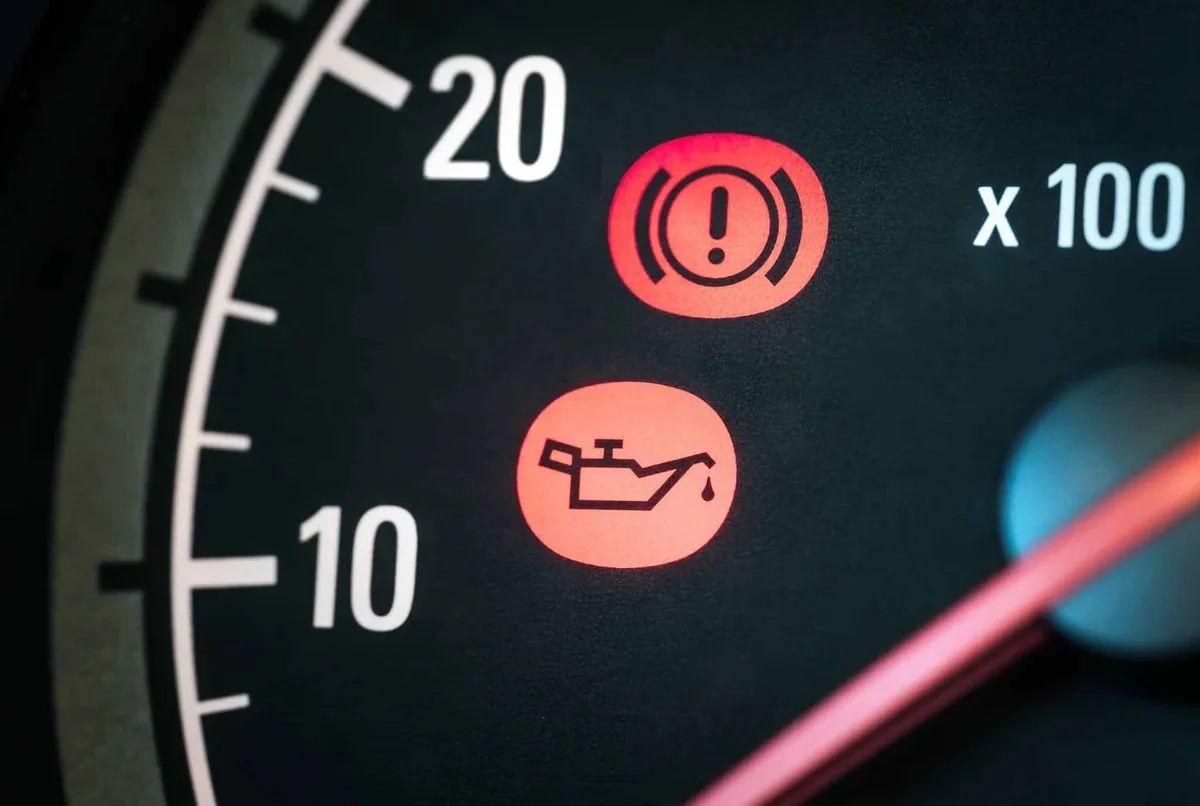
Image source: Bing (Web (fair-use with source credit))
Regardless, check your oil level before every drive. Use the correct 0W-20 oil if you need to top off to reach a shop. If your Rogue's engine is shaking, that could be related to low oil or another serious issue worth diagnosing at the same time.
The 5 Most Common Nissan Rogue Oil Leak Sources
Research on Nissan forums and aggregate repair data point to five frequent failure points. Knowing the probable source helps you understand the repair scope and potential cost.
Valve Cover Gasket Leak
One of the most common leaks, especially on higher-mileage 2.5L engines. The rubber gasket hardens and cracks over time.
Oil seeps down the side of the engine block and can reach the spark plug tubes, which causes misfires. A burning smell is common as oil hits the hot exhaust manifold below. Look for residue along the edges of the metal valve cover at the top of the engine.
Timing Chain Cover Leak
The gasket for the front timing chain cover is a known issue on 2014-2018 Rogues. This is labor-intensive because the front of the engine must be disassembled.
Oil leaks from the front-right side of the engine, often dripping onto the serpentine belt area. You'll see a wet, oily film near where the engine meets the transmission on the passenger side. Nissan issued Technical Service Bulletin NTB18-045 for this specific concern.
Oil Pan Gasket or Drain Plug Leak
The large gasket sealing the oil pan to the engine can fail. More commonly, the drain plug washer isn't replaced during oil changes, causing a slow drip.
A persistent drip from the lowest point of the engine is the giveaway. Check the drain plug itself first, then look for seepage along the seam between the oil pan and engine block.
Oil Cooler Lines and Oil Filter Housing Leak
These are high-pressure connections. A failed O-ring or loose fitting produces an active leak, not just a seep.
You'll see oil running down from near the oil filter. Focus on where rubber hoses connect to metal lines in that area. Fresh, wet oil on these components confirms the diagnosis.
Rear Main Seal Leak
This seal sits between the engine and transmission. It's less common but far more serious to repair. Replacement requires separating the engine and transmission.
Oil weeps from the seam between the engine and transmission, often coating the bottom of the transmission bell housing. For other common vehicle issues, like a tire pressure warning light that won't reset, similar systematic troubleshooting applies.
How to Trace Your Rogue's Leak Without Guessing
Pinpointing the exact source prevents throwing parts at the wrong problem. This method works whether you're a DIYer or preparing for a conversation with your mechanic.
Step 1: Clean the Area
Use engine degreaser and rags to remove all visible oil from the suspected area. A clean surface is essential for tracking fresh oil.
Step 2: Add UV Dye
This is the most accurate method. Add a UV dye designed for engine oil and run the engine for a short drive or idle cycle. The dye circulates with the oil.
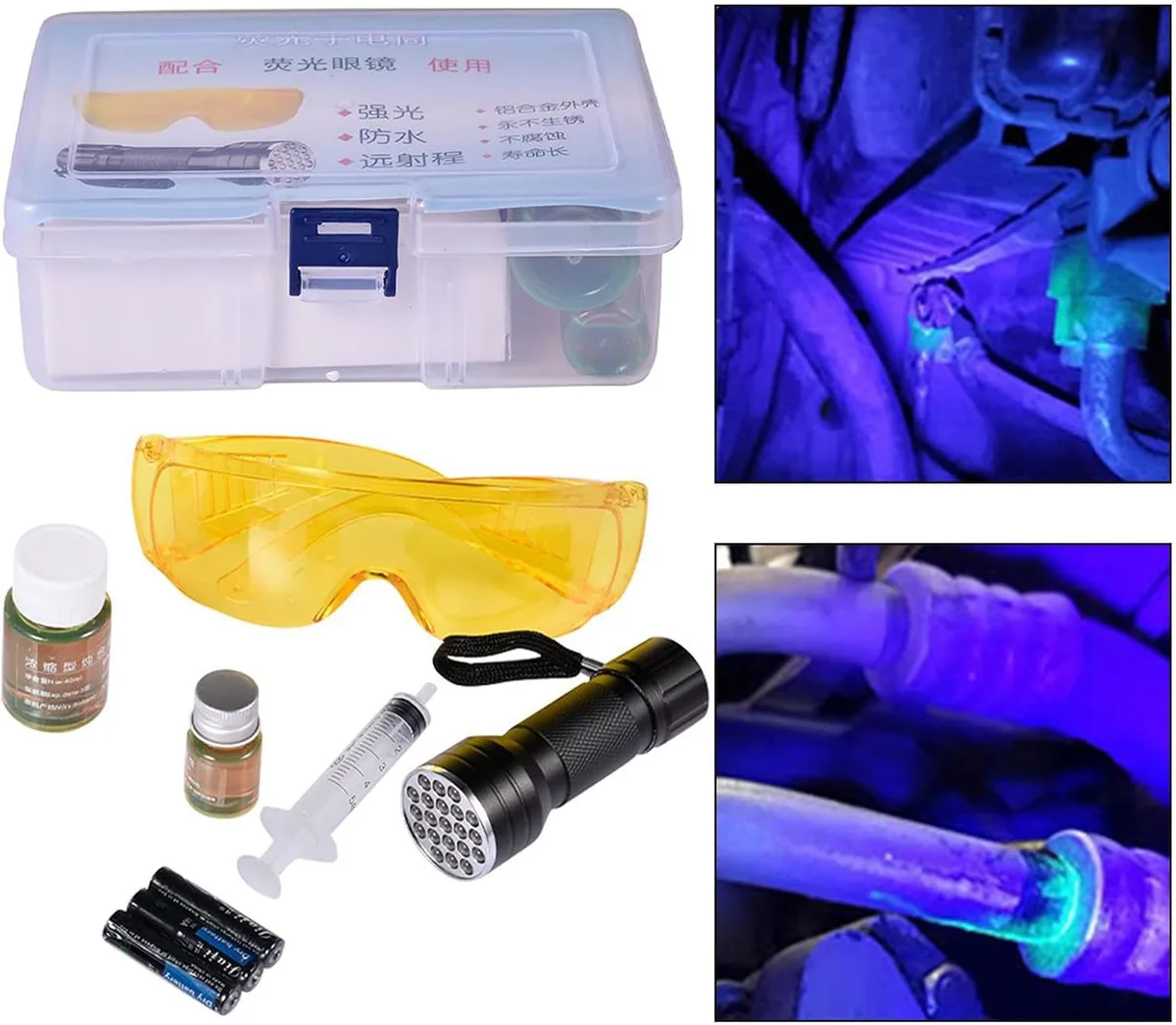
Image source: Bing (Web (fair-use with source credit))
Step 3: Inspect with a UV Light
In a dim garage, scan the engine with a UV light. The dye glows brightly, revealing the exact origin point even from a hairline gasket crack.
Step 4: Trace Upward, Not Downward
Oil runs downhill. A leak at the valve cover can drip all the way down to the oil pan. Always follow the flow upward to find the starting point.
If you've also discovered an engine overheating problem, addressing oil leaks is part of comprehensive engine care.
What a Nissan Rogue Oil Leak Costs to Fix
Repair costs vary dramatically based on the leak's source and your location's labor rates. Here's a general breakdown assuming an independent shop rather than a dealership.
| Leak Source | Estimated Parts | Labor Hours | Total Estimated Cost |
|---|---|---|---|
| Drain Plug Washer | $1 to $5 | 0.1 hrs | $20 to $50 |
| Valve Cover Gasket | $20 to $60 | 2 to 4 hrs | $250 to $550 |
| Oil Pan Gasket | $30 to $80 | 3 to 5 hrs | $350 to $700 |
| Oil Cooler Lines | $40 to $150 | 1 to 2 hrs | $150 to $400 |
| Timing Chain Cover | $50 to $120 | 6 to 10 hrs | $750 to $1,500+ |
| Rear Main Seal | $30 to $80 | 8 to 12 hrs | $900 to $1,800+ |
As of 2026, these ranges reflect common industry pricing. Always get a written estimate. If your leak is from the timing cover, check for any outstanding technical service bulletins that might apply to your model year.
For other drivetrain concerns like transmission slipping, getting a proper diagnosis before repair saves money too.
When a Small Seep Becomes a Big Problem
A slow oil seep doesn't always demand an immediate shop visit. But it can escalate quickly. The gap between "manageable nuisance" and "engine-destroying emergency" is often smaller than people think.
Here's the progression. A dry, dusty film on the oil pan is stage one. It's cosmetic.
Monitor it and check your dipstick weekly. Stage two is fresh oil that's visibly wet after the car sits overnight. You're losing measurable oil between changes.
Stage three is active dripping. The seal has failed enough to allow flow, not just seepage.
Watch for these escalation signals:
- Oil level dropping faster than normal. Adding a quart between changes when you never used to means the leak has progressed.
- Burning oil smell. Oil hitting the exhaust manifold produces a sharp, acrid odor and is a fire risk.
- Smoke from under the hood. Open the hood after a drive and look for wisps of white or blue smoke near the exhaust side.
- Oil on the serpentine belt. A contaminated belt can slip, causing power steering loss, alternator failure, or overheating.
- Oil in the coolant reservoir. This could indicate a blown head gasket or oil cooler failure, both serious.
Aggregate repair data shows that a $300 valve cover gasket repair becomes $1,200 or more if oil contaminates the timing chain and requires additional replacement. The NHTSA recall database is worth checking if your model year has known issues contributing to oil-related engine concerns.
Nissan Rogue Oil Leak FAQs
Can I drive my Rogue with an oil leak?
It depends on severity. If the oil level is full and there are no warning lights, you can drive short distances to a repair shop. Never drive with the oil pressure warning light on.
Running the engine without adequate pressure can destroy it within minutes. Check your dipstick before every trip until the leak is fixed.
Is a Nissan Rogue oil leak covered under warranty?
Nissan's basic warranty covers 3 years or 36,000 miles. The powertrain warranty extends to 5 years or 60,000 miles. If your leak falls within those limits and isn't caused by neglect or aftermarket modification, Nissan should cover the repair.
Ask your dealer whether Technical Service Bulletin NTB18-045 applies to your VIN.
What oil does my Nissan Rogue take?
Nissan specifies 0W-20 full synthetic oil for the 2.5L engine in most Rogues. It must meet Nissan's own specification or be API SN/ILSAC GF-5 certified or newer. Using the wrong viscosity can worsen leaks by changing pressure on gaskets and seals.
Why does my 2017 Rogue burn oil so fast?
Some 2017 Rogues with the 2.5L engine have higher-than-normal oil consumption, often linked to worn piston rings or valve guide seals. If you're burning more than one quart per 3,000 miles, document it and take the vehicle to a Nissan dealer for a consumption test. A rough-running engine is another symptom worth investigating alongside oil consumption.
How often should I check my oil level if I suspect a leak?
Every time before you drive. It takes 30 seconds. Pull the dipstick, wipe it, reinsert, and check where the oil line falls.
If it's below the lower mark, add oil immediately. Keeping a quart of 0W-20 in your trunk eliminates the risk of running low between fills. If the leak coincides with engine stalling, that combination points to a problem that needs immediate professional attention.