A Mazda CX-5 heater not working is a frustrating and common complaint, especially during cold months. The problem usually isn't the entire heating system. It's a specific component in the cooling or airflow path that's failed.
The vehicle's cooling system holds roughly 8.2 to 9.2 liters of coolant depending on the engine. That hot fluid is what powers your cabin heat. Understanding the flow path from engine to dashboard is where diagnosis starts.

49% off Today's Exclusive Deals
Limited-time Exclusive Deals. Check current discount on Amazon.
Check Price on Amazon As an Amazon Associate I earn from qualifying purchases.
Image source: Bing (Web (fair-use with source credit))
Why Your CX-5 Heater Isn't Working
Your CX-5 heater doesn't generate warmth. It borrows heat from the engine. Hot coolant flows through a small radiator called the heater core behind your dashboard.
49% off Today's Exclusive Deals
Limited-time Exclusive Deals. Check current discount on Amazon.
Check Price on Amazon As an Amazon Associate I earn from qualifying purchases.A fan blows air across this hot core, sending warmth through your vents.
If that flow is blocked or the air isn't directed properly, you get cold air instead. The system depends on several parts working together. A failure in any one of them breaks the chain.
Most CX-5 heater complaints trace back to two categories. First, cooling system issues: low coolant, a stuck thermostat, or a weak water pump. Second, HVAC distribution problems: a broken blend door or its actuator motor.
Skipping diagnosis and guessing at parts is expensive. One owner might need a $30 actuator motor. Another needs a $1,500 heater core replacement.
49% off Today's Exclusive Deals
Limited-time Exclusive Deals. Check current discount on Amazon.
Check Price on Amazon As an Amazon Associate I earn from qualifying purchases.Knowing which problem you have before spending money is the whole game.
Step 1: The Two-Minute Check That Solves Half of These
Before you consider any repair, do these basic checks. They resolve a surprising number of "no heat" situations. You need your eyes and ears, nothing else.
Check the coolant level first.
- Find the translucent coolant reservoir under the hood.
- The level should sit between the "MIN" and "MAX" lines when the engine is cold.
- If it's low, top it off with the correct Mazda Super Coolant mixture.
- Low coolant means less hot fluid reaches the heater core.
Confirm the engine warms up properly.
- Start the car and watch the temperature gauge.
- It should climb to the middle of the range within 5 to 10 minutes.
- If it stays low or crawls upward slowly, your thermostat is likely stuck open.
Feel the upper radiator hose once the engine is warm.
- Carefully touch the top radiator hose after the engine reaches operating temperature.
- It should feel hot. If it stays cold while the gauge reads normal, something's off with coolant flow.
If the engine struggles to reach temperature, you've found your problem. A stuck-open thermostat prevents the engine from warming up efficiently. That means no heat for you.
This is a separate repair from the HVAC system itself. Our guide on radiator issues and symptoms covers related cooling system failures that share similar warning signs.
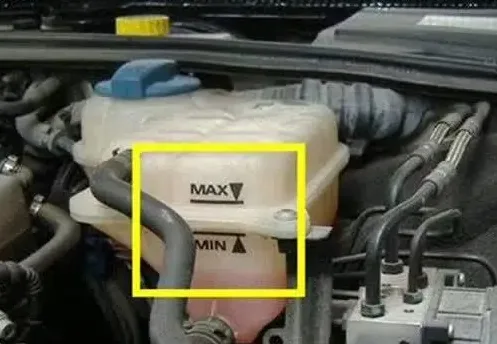
Image source: Bing (Web (fair-use with source credit))
Step 2: Listen, Feel, and Identify the Symptom
After the basic checks, get specific. Start the engine, let it warm up, and turn the heat on full blast. Then pay attention to these three things.
Listen for actuator noise.
Adjust the temperature dial from cold to hot. A working system produces a soft whirring or clicking sound behind the dashboard for a few seconds. That's the blend door actuator motor moving the door.
Complete silence or a grinding rattle means the actuator has likely failed.
Check air temperature at different vents.
Feel the air from the center vents, side vents, and defroster. If it's hot from some but cold from others, a blend door is stuck. The plastic door that routes air over the heater core isn't moving to the right position.
Watch for dashboard warning lights.
A check engine light can sometimes connect to coolant temperature sensor faults. A simple OBD-II code scan can reveal sensor problems that affect heating performance. If your check engine light is on, scanning for codes before other diagnostics saves time.
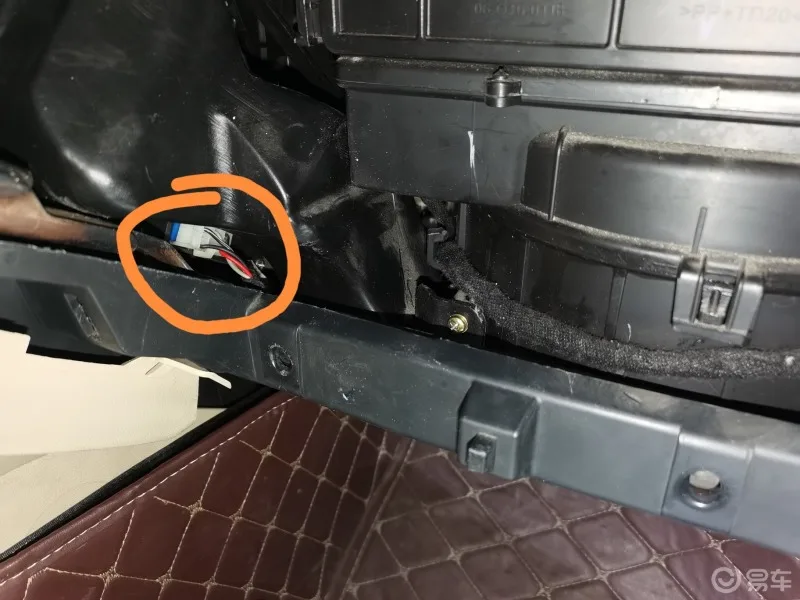
Image source: Bing (Web (fair-use with source credit))
Decision Tree: What Your Findings Mean
Use your observations to follow this diagnostic path. Each symptom points toward the most probable cause.
| Your Symptom | Most Likely Cause | Recommended Action |
|---|---|---|
| Temperature gauge stays low during warm-up | Faulty thermostat stuck open | Replace the thermostat promptly |
| Coolant reservoir is empty or below MIN | Coolant leak somewhere in the system | Top off coolant and inspect for puddles under the car |
| Engine is hot, but all vents blow cold air | Air pocket in system, weak water pump, or clogged heater core | Have the cooling system bled or flushed by a professional |
| Actuator is silent when adjusting temperature | Failed blend door actuator motor | Replace the actuator motor (common CX-5 fix) |
| Center vents are hot, floor and defrost are cold | Broken blend door or stuck track | HVAC housing repair, often requires partial dash removal |
The blend door actuator is the single most common CX-5 heater failure. Aggregate repair data from independent shops confirms this pattern across model years 2013 through 2025. The part costs $30 to $100.
Labor runs 2 to 4 hours depending on your trim level.
When It's Time to Call a Mechanic
Some checks and repairs are straightforward DIY jobs. Others require professional equipment and experience. Knowing the boundary saves you from making a small problem worse.
Call a mechanic if:
- You suspect a coolant leak but can't locate it. A pressure test identifies hidden leaks.
- The heater core itself is clogged or leaking. This part sits buried behind the dashboard. Removal is labor-intensive and model-specific.
- The blend door repair requires extensive dashboard disassembly. One wrong move can crack trim panels or damage wiring.
- You're uncomfortable working with a pressurized cooling system. Hot coolant under pressure causes serious burns.
A DIY approach works if:
- You've confirmed low coolant and know the correct fluid type for your CX-5.
- You have experience with interior trim removal and follow a model-specific guide for actuator replacement.
Per EPA guidelines, used engine coolant contains ethylene glycol and must be disposed of properly. Never pour it down drains or into soil. Many auto parts stores accept used coolant for free recycling.
How Much Does the Fix Typically Cost?
Repair costs vary widely depending on the root cause. The table below shows 2026 averages from independent and dealership shops.
| Repair | Parts | Labor | Total Estimate |
|---|---|---|---|
| Thermostat Replacement | $20-$50 | 1-2 hours | $150-$300 |
| Blend Door Actuator | $30-$100 | 2-4 hours | $200-$450 |
| Coolant System Bleed | $20-$40 | 1-2 hours | $100-$200 |
| Water Pump | $80-$200 | 3-5 hours | $400-$700 |
| Heater Core Replacement | $150-$400 | 6-10 hours | $800-$1,500 |
Independent shops typically charge $100 to $150 per hour. Dealership rates run $150 to $200 per hour. Dealers do have model-specific diagnostic tools that can speed up troubleshooting.
Our recommendation: Pay for a diagnostic visit before committing to any repair. Most shops charge $80 to $150 but credit that amount toward the final bill. It confirms the exact problem and prevents paying for parts you don't need.
The blend door actuator is the most frequent fix and a moderate expense. The heater core is the worst-case scenario in both cost and downtime. Expect your car in the shop for a day or two if that's the diagnosis.
If a thermostat failure caused overheating, check for related damage. Prolonged high temperatures stress gaskets and seals. Our coverage of coolant leak signs walks through secondary symptoms worth watching for.
Frequently Asked Questions
What is the most common cause of no heat in a CX-5?
A failed blend door actuator tops the list. This small electric motor controls which door directs air over the heater core. When it fails, cold air reaches you regardless of the temperature setting.
Low coolant is the second most common cause.
Can I drive my CX-5 without heat?
Yes, it's safe to drive. However, your defroster won't function properly. That creates a visibility hazard in cold or rainy weather.
Fix the issue before winter hits.
How do I know if my thermostat is bad?
Watch your temperature gauge during warm-up. If it stays near the bottom or takes forever to reach the midpoint, the thermostat is stuck open. If the engine overheats quickly, it may be stuck closed.
Both conditions need prompt attention.
Is a blend door actuator easy to replace yourself?
It's a moderate DIY job. The part itself is simple to swap. Accessing it behind the dashboard is the challenge.
You'll remove lower dash panels and possibly the center console. A video walkthrough for your specific year and trim is essential.
What coolant does the CX-5 use?
Mazda specifies their own Super Coolant, a pre-mixed 50/50 solution. Using the wrong type can cause corrosion or gelling in the cooling system. Check your owner's manual for the exact specification.
If you're also dealing with engine overheating symptoms, coolant quality is a good place to start.
Why does my heat work intermittently?
Intermittent heat usually points to an electrical issue. The blend door actuator may have a loose connector or failing circuit. Temperature sensors can also cause erratic behavior.
A diagnostic scan tool reads fault codes that pinpoint the exact component at fault.