That Mazda CX-5 tire pressure light staring back at you is more than an annoyance. It's a direct warning from your vehicle's safety system that something isn't right with your tires. Ignoring it could lead to poor handling, reduced fuel economy, or a dangerous blowout.
Per NHTSA guidelines, tires lose roughly 1 PSI for every 10°F drop in ambient temperature. That simple change often triggers the light, especially during seasonal shifts. Understanding how your Mazda's system works is the first step to fixing it properly.

49% off Today's Exclusive Deals
Limited-time Exclusive Deals. Check current discount on Amazon.
Check Price on Amazon As an Amazon Associate I earn from qualifying purchases.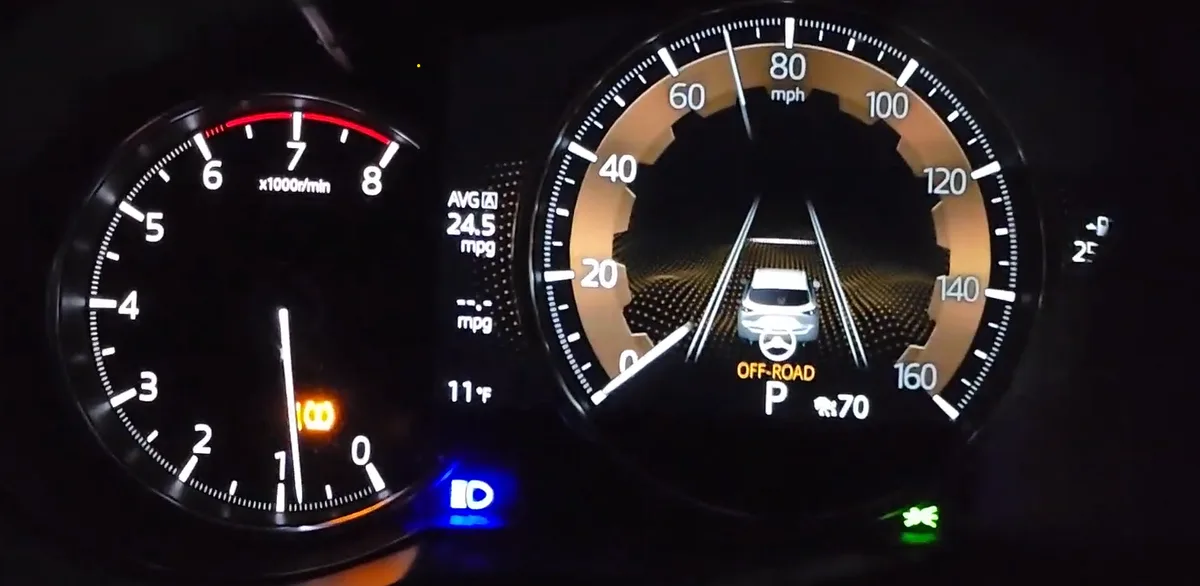
Image source: Bing (Web (fair-use with source credit))
Why Your Mazda CX-5 Tire Pressure Light Just Came On
The light appears for two primary reasons. Most commonly, one or more tires are under-inflated. Less often, there's a malfunction in the Tire Pressure Monitoring System (TPMS) itself.
49% off Today's Exclusive Deals
Limited-time Exclusive Deals. Check current discount on Amazon.
Check Price on Amazon As an Amazon Associate I earn from qualifying purchases.Our research indicates the vast majority of illuminated lights trace back to low air pressure.
Start with a visual inspection. Pull over safely and look at each tire. Do they look low?
Is one obviously flat? If you see a tire that's very low or flat, don't drive the vehicle. Change to your spare or call for roadside assistance.
If the tires look okay visually, you'll need to check pressure with a gauge.
49% off Today's Exclusive Deals
Limited-time Exclusive Deals. Check current discount on Amazon.
Check Price on Amazon As an Amazon Associate I earn from qualifying purchases.How the CX-5's Indirect TPMS System Actually Works
This detail trips up many owners. The Mazda CX-5 uses an indirect TPMS, not a direct one. It doesn't have sensors inside each tire measuring pressure.
Instead, it monitors wheel rotation speed through the ABS wheel speed sensors. An under-inflated tire has a smaller rolling diameter, so it spins slightly faster.
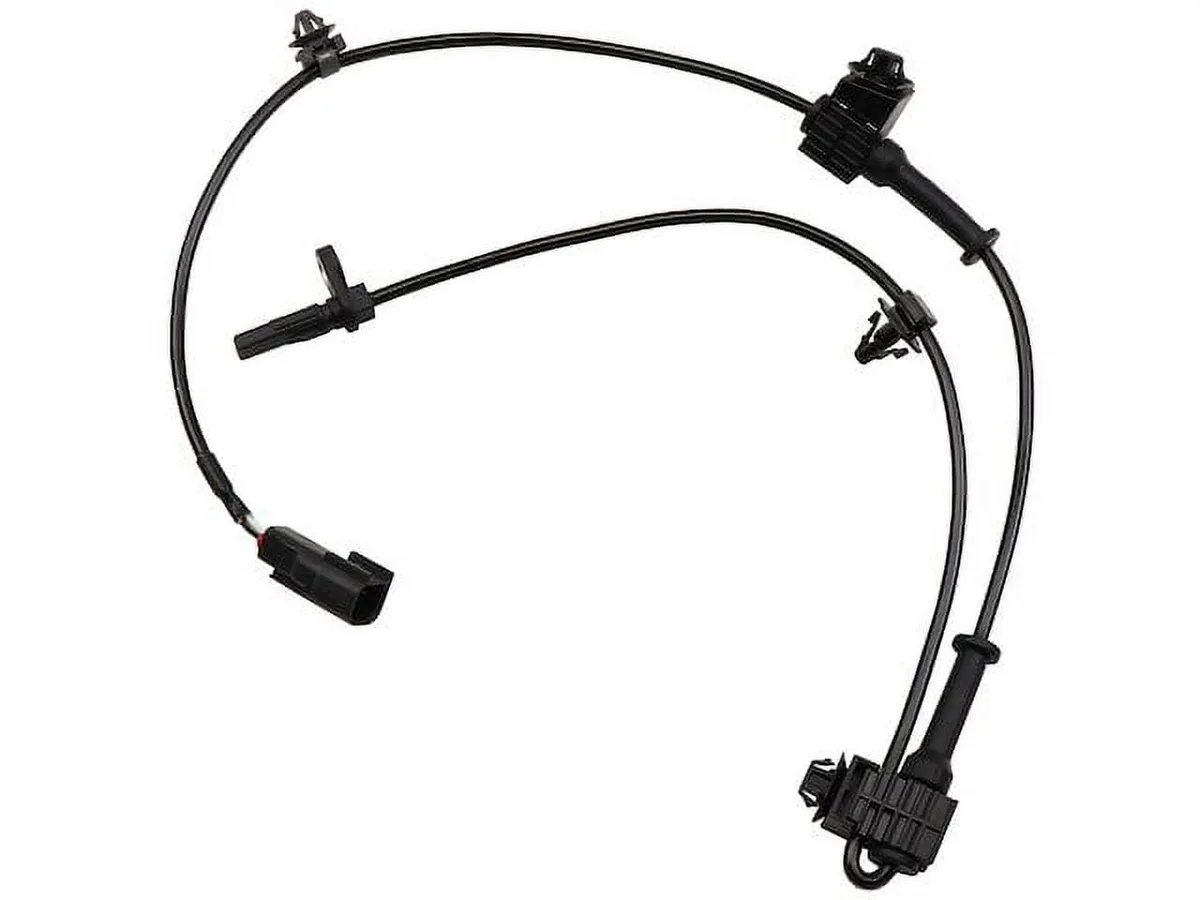
Image source: Bing (Web (fair-use with source credit))
Because it's indirect, the system can't tell you the exact PSI in each tire or identify which one is low. It also means the system must be manually reset whenever you adjust tire pressure, rotate your tires, or install a spare. The car needs to relearn what "normal" looks like.
Similar indirect systems exist on other SUVs, like the Hyundai Tucson's TPMS setup, though the reset procedures differ.
How to Reset the Mazda CX-5 Tire Pressure Light
Once all tires are inflated to the correct cold pressure, perform a reset. The process is straightforward but must be followed exactly. Locate the TPMS reset button under the dashboard, left of the steering column.
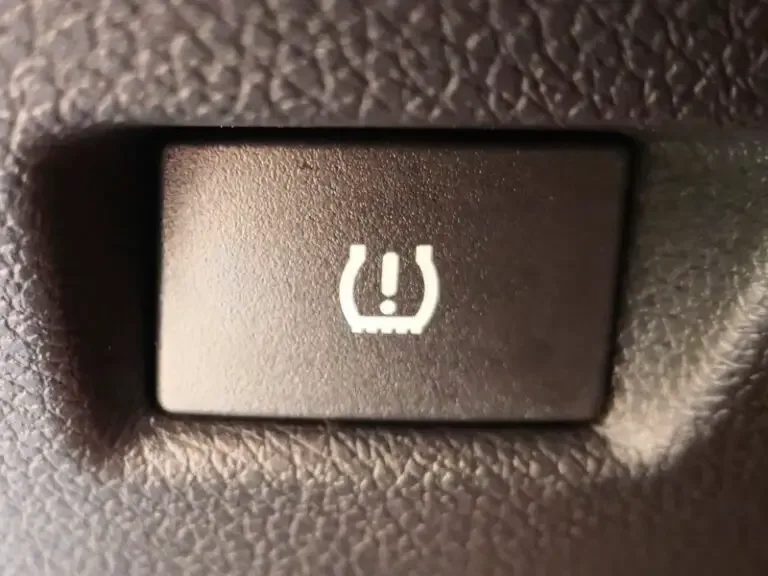
Image source: Bing (Web (fair-use with source credit))
- Ensure all tires are inflated to the PSI listed on the driver's door jamb placard.
- Turn the ignition to the ON position with the engine off.
- Press and hold the TPMS reset button until the dashboard light blinks three times.
- Start the engine and drive for 10 to 15 minutes. The system completes its relearn during this cycle.
The light should turn off during that drive. If it doesn't, recheck your pressures or look for a system fault.
Mistakes That Keep the Tire Pressure Light On After a Reset
Even after inflating and resetting, the light sometimes stays on. The most frequent mistake is checking tire pressure when the tires are warm. Driving heats the air inside, giving a falsely high reading.
You inflate to what seems right, but the cold pressure is still low.
Always check pressure when tires are cold. That means after sitting for at least three hours or driven less than a mile. Another error is skipping the reset step after any pressure adjustment.
The car won't automatically register the fix. Forgetting to check the spare is a third common oversight. A low spare won't trigger the light, but it's a problem you don't want during an emergency.
When the TPMS Light Signals a Bigger Problem
Sometimes the light means more than low air. If it flashes for about a minute at startup and then stays solid, that indicates a TPMS malfunction. The system itself has a fault, likely related to an ABS wheel speed sensor on the CX-5.
This is a safety system failure. Have it diagnosed by a professional. Continuing to drive with a malfunctioning TPMS means no warning if a tire goes critically low.
Don't ignore a blinking TPMS light. Other dashboard warnings deserve the same urgency. A check engine light or transmission warning should never be brushed off either.
Correct Tire Pressure Specs for Every CX-5 Trim
Your CX-5's correct tire pressure lives on the driver's door jamb placard, not the tire sidewall. That's a common mix-up. The sidewall number is the maximum safe pressure for the tire itself, not the recommended operating pressure for your vehicle.
Mazda specifies slightly different pressures by trim and wheel size. Here's what the manufacturer recommends for cold inflation across the 2026 CX-5 lineup:
| CX-5 Trim / Wheel Size | Front Pressure | Rear Pressure |
|---|---|---|
| Sport (17-inch wheels) | 35 PSI | 33 PSI |
| Touring (17-inch wheels) | 35 PSI | 33 PSI |
| Grand Touring (19-inch wheels) | 35 PSI | 33 PSI |
| Turbo / Turbo Signature (19-inch wheels) | 35 PSI | 33 PSI |
Load matters too. When hauling heavy cargo or towing, Mazda recommends increasing rear tire pressure to match the front. Check your owner's manual for load-adjusted values.
Per the NHTSA tire safety guidelines, under-inflation is the leading cause of tire failure on American roads. A monthly check with a digital gauge takes about two minutes. If you've ever missed a gradual coolant leak going unnoticed, you know how easy it is to ignore a slow loss.
Tire pressure drops work the same way, silently.
Mazda CX-5 Tire Pressure Light FAQs
Can I drive with the tire pressure light on?
You can, but you shouldn't. A steady TPMS light means at least one tire is dangerously low. Driving risks blowouts, poor braking, and irreversible tire damage.
Pull over, check pressures, and inflate before continuing. If a tire is visibly flat, don't drive at all.
How do I know which tire is low?
The CX-5's indirect system can't tell you. It detects a rotational difference through ABS sensors but can't pinpoint the specific tire. Check all four tires plus the spare with a pressure gauge.
The manual process takes a few minutes.
Why does the light come on every winter?
Cold air contracts. For every 10°F drop, you lose roughly 1 PSI inside each tire. A 30°F swing means 3 PSI gone across the board.
That's enough to trigger the warning. Adjusting pressure at the start of each cold season prevents it.
Can I reset the TPMS light without a shop?
Yes. Inflate all tires to the correct PSI, hold the reset button until the light blinks three times, then drive 10 to 15 minutes. The system relearns on its own.
No special tools or dealer visit needed.
What if the light flashes instead of staying solid?
A flashing TPMS light that turns solid after about a minute signals a system malfunction, not low pressure. This could indicate a faulty ABS sensor or TPMS module. Have it diagnosed professionally.
You lose your low-pressure warning with a malfunctioning system.
Does the spare tire affect the TPMS light?
No. The spare won't trigger the warning on the CX-5. Still, keep it properly inflated.
Most spares require 60 PSI. Check it every few months so it's ready when needed. If a dead key fob battery has ever left you stranded, you know the value of preventive checks.