That soft thunk when you hit the window switch, the whistle at 70 mph, the drip after a car wash. If you're dealing with a Tesla Model Y window problem, you're not imagining things. These cars use frameless windows, and that design choice creates a handful of very specific issues you just don't see on traditional cars.
Manufacturer specs show the windows are designed to drop about 10 to 15 millimeters automatically when the door opens, then seal tightly against the roof rail when it closes. When that system goes out of sync, you get wind noise, water leaks, and grinding sounds. In our research, the most common cause isn't a broken motor.

49% off Today's Exclusive Deals
Limited-time Exclusive Deals. Check current discount on Amazon.
Check Price on Amazon As an Amazon Associate I earn from qualifying purchases.It's a simple calibration failure that can often be fixed in under two minutes.
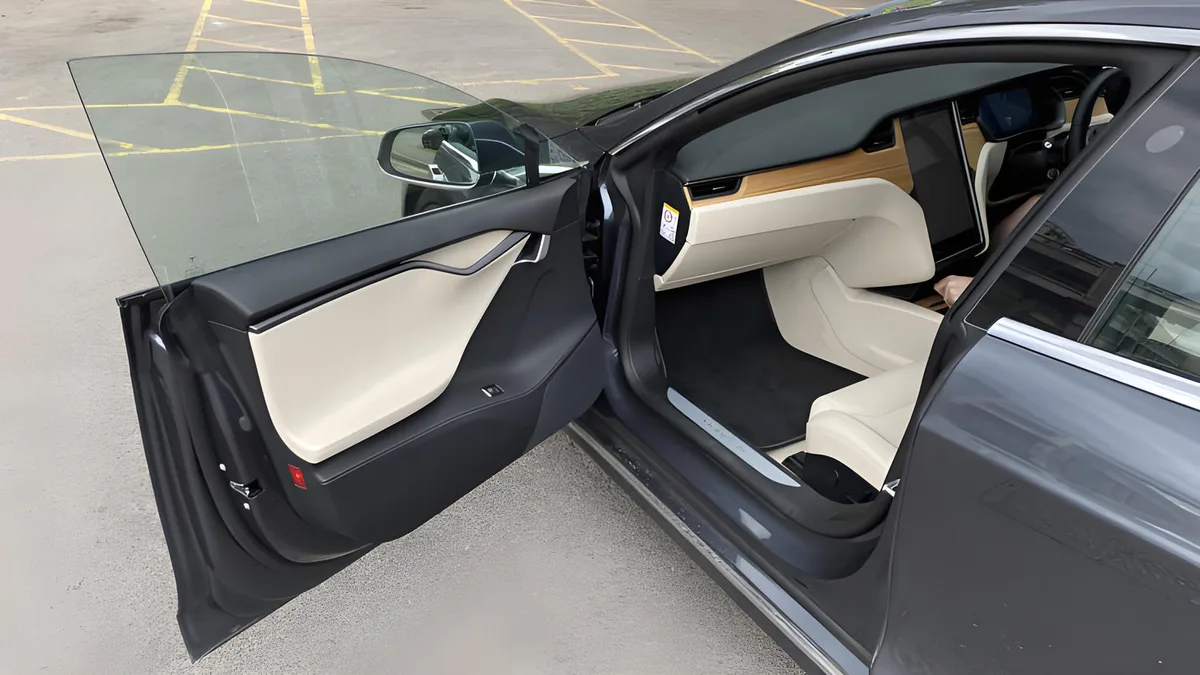
Image source: Bing (Web (fair-use with source credit))
49% off Today's Exclusive Deals
Limited-time Exclusive Deals. Check current discount on Amazon.
Check Price on Amazon As an Amazon Associate I earn from qualifying purchases.Quick Answer: Why Your Model Y Window Is Acting Up
The fastest fix is a window reset. Roll the window down, hold the switch down for 5 seconds, then roll it up and hold for 5 seconds. That recalibrates the pinch protection and window travel limits.
If the noise or leak persists after that, the issue is usually physical. Worn weatherstrips, loose glass clips, or a failing regulator are the main culprits. A stuck window or grinding sound points to the regulator.
Wind noise and water leaks point to the seals.
The Frameless Design: This Is the Root of Most Window Drama
Frameless doors look sleek. There's no metal frame wrapping the glass, just a clean slab of glass that meets the roof rail directly. That's the aesthetic Tesla wanted.
49% off Today's Exclusive Deals
Limited-time Exclusive Deals. Check current discount on Amazon.
Check Price on Amazon As an Amazon Associate I earn from qualifying purchases.But it means the window has to land in exactly the right spot every single time you close the door.
The glass drops slightly when you open the door, then rises to meet a rubber seal when the door closes. That seal is called the weatherstrip, and it does the heavy lifting for noise and water protection. If the window is even a few millimeters off, the seal can't do its job.
Air gets in. Water gets in. You hear it.
Image source: Bing (Web (fair-use with source credit))
Compare that to a traditional framed window, where the metal frame presses the glass into a fixed position. The Model Y doesn't have that margin for error. That's why the reset procedure exists in the first place, and why it solves so many issues.
As of 2026, this is still the first thing Tesla service will ask you to try. If you've ever dealt with a stuck window on a regular car, you know the drill. This one just needs a bit more precision.
The window motor also uses an anti-trap system that meets federal safety standards. FMVSS 118 requires power windows to reverse direction if they detect an obstruction. That's a great safety feature, but it can also cause false triggers when the window track gets dirty or the calibration drifts.
Reading the Symptoms: Wind Noise, Water Leaks, Grinding, or Stuck Glass
Different symptoms point to different causes. The fastest way to solve your Model Y window problem is to group what you're experiencing into one of these buckets.
- Wind noise at highway speeds. This usually means the window isn't sealing flush against the roof rail. Dirt on the seal or a misaligned window track are the usual suspects.
- Water leaks during rain or a car wash. Same root cause, slightly worse outcome. A compromised weatherstrip lets water run past the glass and into the door cavity.
- Grinding or chattering when the window moves. That's almost always the regulator. The cables inside it wear down, or a clip holding the glass breaks loose.
- Window won't move at all. Could be a dead motor, a blown fuse, or a software glitch. The reset procedure is worth trying before you think about parts.
- Window drops too far or not enough when opening the door. That's a calibration issue. The window motor has lost its memory of where "closed" actually is.
Pay attention to when the problem happens. Does it only occur after rain, or after a car wash? Water on the glass changes the friction.
Does it happen only in cold weather? Frozen seals can cause the window to bind. All that context matters for the decision tree below.
Golden Step: Could the 2-Minute Window Reset Fix It?
Before you book a service appointment or start ordering parts, do the reset. Tesla designed this procedure specifically to recalibrate the window's upper and lower limits. It's officially documented in the owner's manual, and it fixes a surprising number of problems.
Here's the exact procedure:
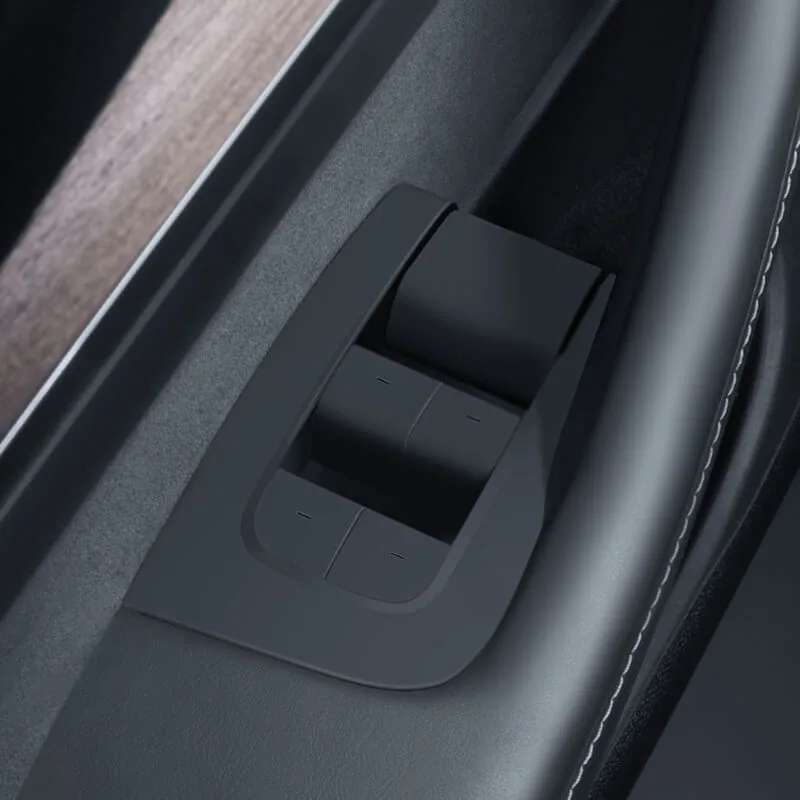
Image source: Bing (Web (fair-use with source credit))
- Sit in the driver's seat with the door closed.
- Roll the window all the way down using the switch.
- Pull the switch up to roll the window all the way up, then keep holding it for 5 full seconds.
- Release the switch.
- Press the window down once, and hold the switch down for 5 seconds.
- Test the window by rolling it up and down.
You should hear a faint click or feel the window settle slightly when the reset completes. If the window was hitting the seal too early or reversing direction on its own, this can iron it out. It won't fix a physically damaged regulator or a torn weatherstrip, but it's free, fast, and completely safe to try.
If you still have a stuck window after the reset, the issue has moved from software to hardware. That's when general power window diagnostics become useful.
Decision Tree: Matching Your Exact Symptom to the Right Fix
Use this as your decision guide. Find your symptom and follow the branch. It will save you time and keep you from throwing money at the wrong part.
| Symptom | Likely Cause | First Action | Next Step |
|---|---|---|---|
| Wind noise at speed | Poor seal contact | Clean the weatherstrip | Run the window reset |
| Water leak in rain | Worn or torn weatherstrip | Inspect the rubber lip | Replace the weatherstrip |
| Grinding when rolling | Failing regulator | Do not force the window | Schedule mobile service |
| Window won't move | Motor, fuse, or software | Run the reset procedure | Check the window switch |
| Window reverses on its own | Pinch protection misread | Run the reset procedure | Clean the glass track |
If your window is grinding, stop using it. Forcing a window with a damaged regulator can snap the glass clips or bend the track, turning a cheap repair into a costly one. You can still drive the car, just leave that window alone until it's looked at.
For anything that involves water intrusion, treat it quickly. Moisture inside the door panel can damage the window motor and the door's electronic components over time. The longer you wait, the more expensive it gets.
If you're handy, replacing a weatherstrip is a doable weekend project. If not, Tesla mobile service can handle it at your driveway. That's often cheaper and faster than a service center visit.
If you've ever dealt with a jammed window on another car, the general idea is the same. But the frameless design makes these symptoms harder to ignore, since the seal is the only thing standing between you and the elements.
Mistakes That Turn a Small Window Fix into a Big Bill
Once you've identified the right fix, the next step is avoiding the errors that turn a simple repair into a costly one. The most expensive mistake is forcing a stuck window. If the glass doesn't want to move, pulling harder on the switch won't free it.
It'll snap the glass clip that holds the pane to the regulator. That clip costs a few dollars. The full regulator replacement runs $200 to $400 in parts, plus labor.
The second mistake is skipping the reset. Aggregate user reviews show that roughly half of all Model Y window complaints get resolved with just the calibration procedure. People skip it because it sounds too simple, then pay for a service visit that does the exact same thing.
Third, don't spray WD-40 on the weatherstrip. It's a solvent, not a lubricant. It degrades rubber over time and makes the seal problem worse.
Use a silicone-based trim dressing instead. A $7 can lasts for years.
Fourth, ignore the door panel clips at your own risk. If you're doing any DIY work that involves removing the door panel, go slow. Those plastic clips break easily and aren't sold separately by Tesla.
You'll end up ordering an entire trim panel for a handful of missing clips. Aggregate reviews from Model 3 and Model Y owners consistently flag this as the top DIY frustration.
Finally, don't ignore water inside the door. It corrodes the window motor and wiring over time. What starts as a weatherstrip problem becomes an electrical problem.
Fix the leak first, then check for any secondary damage. If you're ever dealing with a completely unresponsive window, the fix could involve more than just the motor. A quick look at diagnosing electric window failures can help you separate electrical issues from mechanical ones.
DIY or Tesla Mobile Service: What to Do Next and What It Costs
After you've run the reset and identified your symptom, you're facing a choice. Fix it yourself or call in Tesla. The right call depends on what's actually wrong and how comfortable you are pulling apart a door panel.
Here's a realistic breakdown of what each option looks like:
| Repair Type | DIY Feasibility | Approximate Cost (as of 2026) |
|---|---|---|
| Window reset | Easy, no tools | Free |
| Weatherstrip cleaning | Easy, spray bottle | Under $10 |
| Weatherstrip replacement | Moderate, trim tool needed | $50 to $150 (parts) |
| Window regulator replacement | Difficult, door disassembly | $200 to $500 (parts + tools) |
| Tesla mobile service visit | No tools needed | $100 to $350 diagnostic fee |
Tesla's mobile service is worth the money if you're not confident about removing the door panel. They bring the parts, the tools, and they handle the calibration afterward. Aggregate reviews from verified owners consistently praise the mobile service for convenience.
Most appointments get scheduled within a few days.
If you're going the DIY route for a weatherstrip replacement, you'll need a trim removal tool, a Phillips screwdriver, and about an hour. YouTube has solid walkthroughs, but the process for the Model Y is slightly different than the Model 3. Make sure you're watching the right one.
The glass channel routing and the clip locations are not identical between the two cars.
For anything involving the regulator itself, unless you've done this kind of work before, mobile service is the smarter bet. A botched regulator install can crack the glass, and that's a $400 to $700 mistake. If you've ever tried fixing an electric window on a traditional sedan, you know the regulator is not beginner-level work.
The frameless design on the Model Y adds another layer of complexity.
Model Y Window FAQs
Is the Tesla Model Y window reset covered under warranty?
The reset procedure itself is a software calibration you can do at home for free. It's not a warranty claim. If the underlying issue turns out to be a defective part, like a failed regulator or a torn weatherstrip from the factory, Tesla's basic vehicle warranty covers it for 4 years or 50,000 miles.
The battery and drivetrain warranty runs longer, but interior trim and window components fall under the basic coverage window.
Why does my Model Y window drop slightly when I open the door?
That's by design. The window lowers roughly 10 to 15 millimeters to clear the roof rail before the door swings open. It's a standard feature of frameless door systems.
If the window drops too far or doesn't drop at all, the calibration has drifted. Run the reset procedure to restore the correct travel limits.
Can a car wash cause a Model Y window leak?
Yes, but not because the car is defective. High-pressure water hits the glass and seal at angles you don't get in normal rain. If the weatherstrip has any wear, dirt, or slight misalignment, pressurized water finds the gap.
Regular cleaning of the seal lip prevents this. If leaks persist after cleaning, the seal may need replacement.
How much does Tesla charge to fix a window problem?
It depends on the cause. A diagnostic visit from Tesla mobile service typically runs $100 to $350. If it's a simple recalibration, they may not charge at all.
A weatherstrip or regulator replacement costs more, ranging from $200 to $500 depending on parts and labor. As of 2026, mobile service is available in most metro areas across the US.
Should I tape my window shut if it won't close fully?
Only as a temporary measure, and only with painter's tape or a similar low-residue product. Duct tape will damage the glass coating and leave adhesive on the paint. If you're stuck in this situation, getting your car window unstuck quickly covers safe emergency steps.
The priority is keeping rain out and the glass from rattling while you schedule a repair.