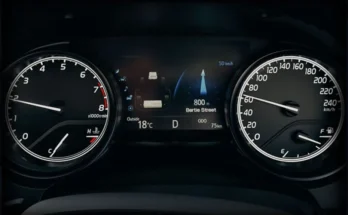
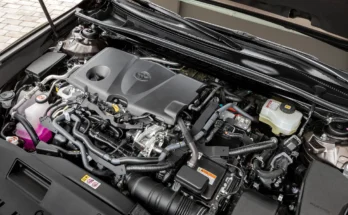
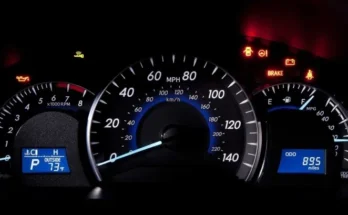
A Toyota Camry engine misfire shows up as a rough idle, a hesitation when you accelerate, or a check engine light that just won't turn off. You'll feel the car shake at stoplights and lose power on the highway. Don't ignore it.
A single misfiring cylinder can overheat and destroy your catalytic converter within days.
49% off Today's Exclusive Deals
Limited-time Exclusive Deals. Check current discount on Amazon.
Check Price on Amazon As an Amazon Associate I earn from qualifying purchases.Toyota's 2.5-liter engines use a coil-on-plug ignition system with a separate coil sitting directly on each spark plug. Manufacturer specs confirm spark plugs need replacement every 60,000 to 100,000 miles depending on model year. A worn plug or failing coil is the most common trigger.
Let's walk through the diagnostic workflow so you can pinpoint the cause without wasting money on parts you don't need.
Quick Answer
A Toyota Camry engine misfire is typically caused by a worn spark plug, a failing ignition coil, or a clogged fuel injector. Start with an OBD-II scan to identify the misfiring cylinder. Run a coil swap test to isolate the ignition coil.
49% off Today's Exclusive Deals
Limited-time Exclusive Deals. Check current discount on Amazon.
Check Price on Amazon As an Amazon Associate I earn from qualifying purchases.If both the coil and plug test fine, check fuel injector resistance and engine compression. Most misfires cost between $15 and $40 to fix when caught early. Ignoring a flashing check engine light can destroy the catalytic converter, turning a cheap repair into a $1,200 job.
Why Your Camry Is Misfiring (and Why Waiting Makes It Worse)
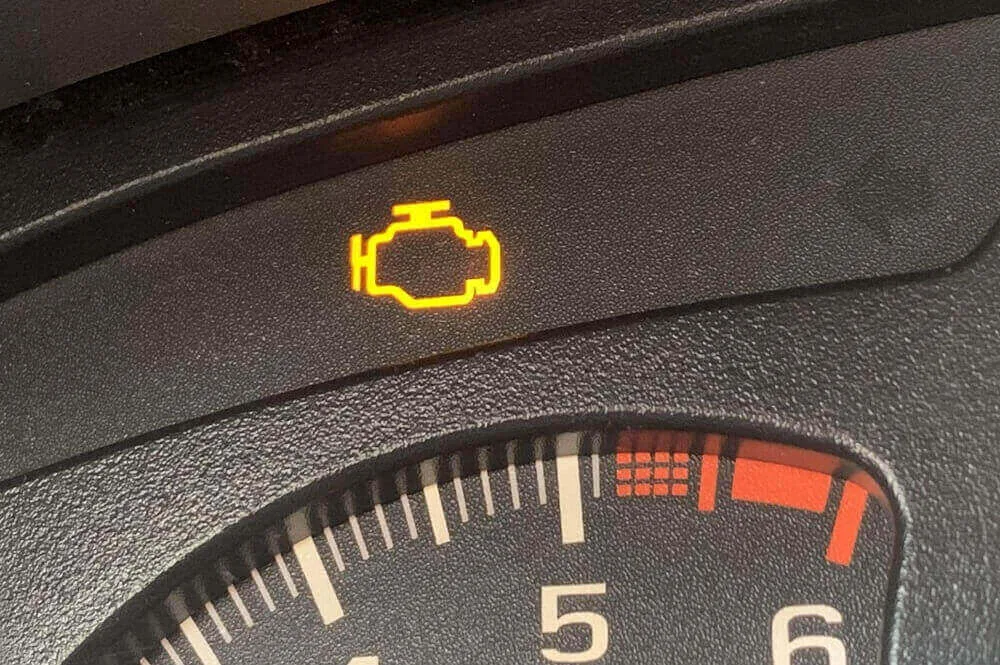
Image source: Bing (Web (fair-use with source credit))
An engine misfire happens when one or more cylinders fail to ignite the air-fuel mixture at the right moment. Your Camry's engine control unit (ECU) detects this through the crankshaft position sensor, which monitors rotational speed moment by moment. When a cylinder skips a beat, that speed fluctuation triggers a diagnostic trouble code.
49% off Today's Exclusive Deals
Limited-time Exclusive Deals. Check current discount on Amazon.
Check Price on Amazon As an Amazon Associate I earn from qualifying purchases.You'll typically see P0301 through P0304 for a specific cylinder, or P0300 for random misfires across the engine.
The three root causes follow a predictable pattern. Ignition problems make up the majority of Camry misfires. A cracked coil, a worn spark plug, or carbon tracking on the coil boot disrupts the spark path.
Fuel delivery issues come next. A clogged injector, weak fuel pump, or contaminated gas fails to create the right mixture. Finally, mechanical failures like low compression from a blown head gasket or worn valve seats create deeper problems that cost significantly more to fix.
The damage from waiting is real. Unburned fuel dumps into the exhaust and ignites inside the catalytic converter. That generates extreme heat which melts the converter's internal honeycomb substrate.
Aggregate data from emissions repair shops shows catalytic converter replacement on a Camry runs $800 to $1,500 for parts and labor. Under EPA emissions regulations, a vehicle with an active misfire will also fail testing in most states. A $15 spark plug or a $40 coil would have prevented every dollar of that.
Here's what makes it urgent. A misfire that starts as an occasional idle stumble gets worse fast. Within a few hundred miles, your check engine light may start flashing.
A flashing CEL is the car's way of screaming stop driving. It means the misfire is severe enough to cause converter damage right now. Pull over and get it diagnosed immediately.
Common symptoms to watch for:
- Rough or shaking idle at stoplights
- Hesitation or stumbling during acceleration
- Reduced fuel economy, sometimes 2 to 4 MPG worse
- A sulfur or rotten egg smell from the exhaust
- The check engine light flashing instead of staying steady
If your Camry has over 80,000 miles and you've skipped scheduled ignition maintenance, the odds increase significantly. In our research, the majority of misfire complaints on 2012 to 2017 Camry models traced back to original spark plugs or aging coils. These components wear gradually, so you may not notice performance loss until the misfire becomes severe enough to trigger a code.
If you suspect coolant contamination might be contributing, our guide on Kia Sportage oil leaks covers how fluid intrusion affects ignition components.
Step 1: Read and Record Your OBD-II Codes
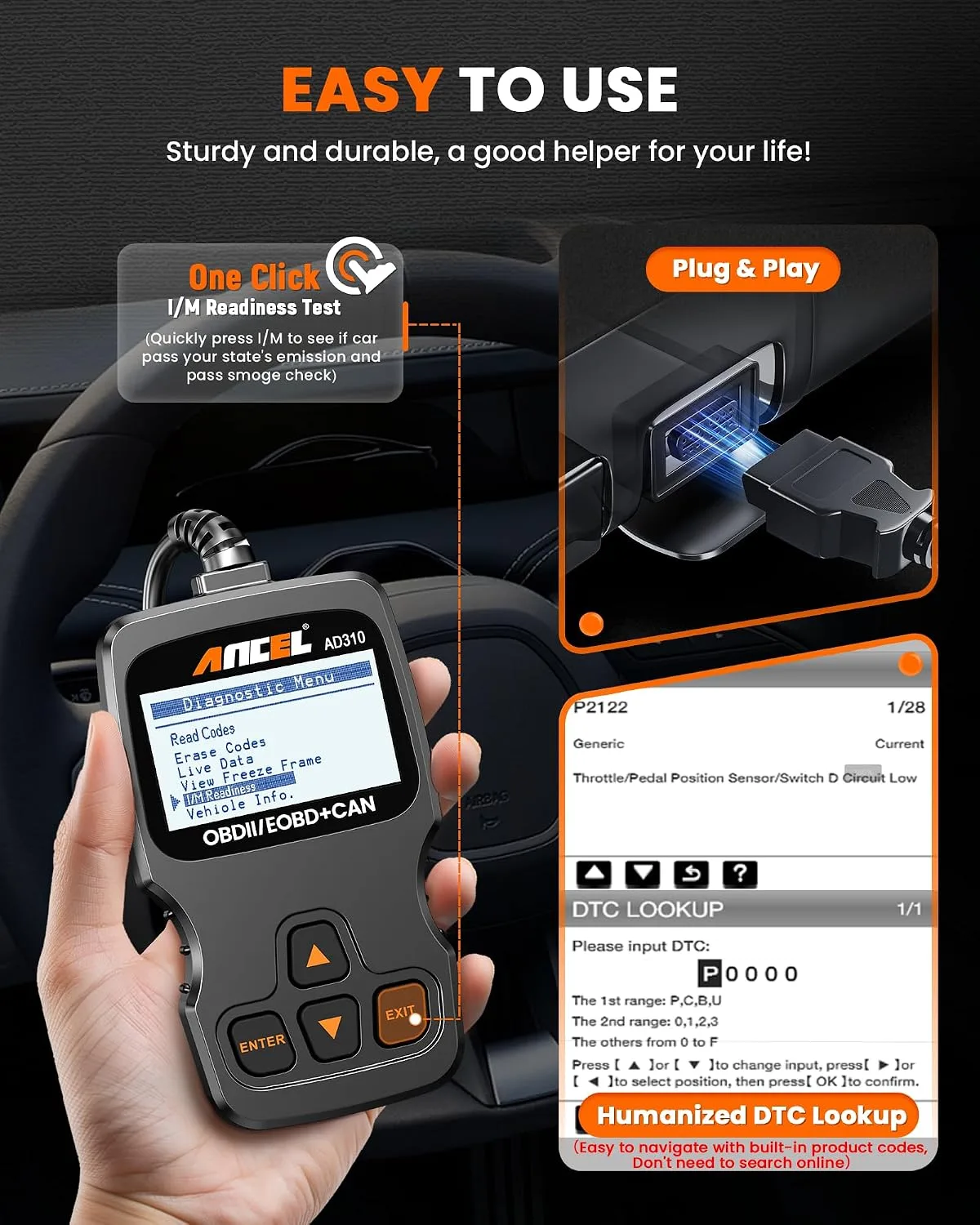
Image source: Bing (Web (fair-use with source credit))
This is where the diagnostic workflow begins, and it's the step that saves you the most money. You need an OBD-II scanner that reads live data, not just a basic code reader that spits out the DTC and nothing else. As of 2026, a solid Bluetooth OBD-II adapter paired with a free app like Torque Pro gives you shop-level data for under $30.
| Tool | What It Does | Approximate Cost |
|---|---|---|
| Basic OBD-II code reader | Reads and clears diagnostic trouble codes | $15 to $30 |
| Bluetooth OBD-II adapter + app | Codes, live data, freeze frame, and misfire counters | $20 to $35 |
| Professional scan tool | Full system access with bi-directional control | $200 to $4,000+ |
Plug the scanner into the OBD-II port located under the dashboard on the driver's side. Turn the ignition to the "on" position without starting the engine. Read and write down every code on the screen.
The cylinder number tells you where to focus. P0301 means cylinder one is the culprit. P0302 means cylinder two.
The pattern continues through P0304 on the four-cylinder engine. If you see P0300, the misfire is random and jumping between cylinders. That points toward a broader issue like fuel quality or a vacuum leak rather than a single failed component.
Pull up the freeze frame data next. This snapshot captures engine conditions at the exact moment the misfire occurred. Record the RPM, engine load, coolant temperature, and vehicle speed.
These details tell you whether the misfire happens at idle, under heavy load, or during cold starts. Each scenario narrows the list of probable causes.
If your scanner supports live data, watch the misfire counters in real time while the engine idles. A single cylinder counting up steadily confirms an isolated problem. Multiple cylinders climbing suggests a system-wide failure.
For another example of how dashboard warning signals require methodical reading, check our coverage of Kia Sportage tire pressure lights.
Most importantly, write everything down before you clear the codes. Those DTCs and freeze frame snapshots are your entire diagnostic roadmap. Without them, you're guessing.
Take a photo of the scanner screen if you need to.
Step 2: The Coil Swap Test, Your Cheapest First Move
Before you spend money on parts, run the coil swap test. This single step confirms whether the ignition coil is your problem. It costs nothing beyond your time, and it takes about ten minutes.
Here's the process. Identify the misfiring cylinder from your OBD-II codes. Pull the ignition coil from that cylinder.
Then pull the coil from a known good cylinder, one that's easy to reach. Swap them. Clear the codes and run the engine until the check engine light returns.
Now watch what happens. If the misfire code moves to the new cylinder, for example P0301 becomes P0302, the coil is bad. Replace it and move on.
If the misfire stays on the original cylinder, the coil isn't the problem. Move to the spark plug next.
Swap the spark plugs between the same two cylinders. Clear codes again and retest. If the misfire follows the plug, replace it.
If it stays put, you've now ruled out both the coil and the plug. That leaves the fuel injector or a mechanical issue like low compression.
Pay attention to torque specs during this test. Per Toyota service specifications, spark plug torque on the 2.5-liter 2AR-FE engine is 18 foot-pounds. Over-tightening cracks the porcelain insulator and creates a brand new misfire.
Under-tightening lets combustion gases leak past the threads. Use a torque wrench and get this right the first time.
While you have the coil out, inspect the rubber boot carefully. Look for white or gray carbon tracking lines running down the inside surface. Carbon tracking creates a path for spark to leak to ground instead of firing across the plug gap.
Even if the coil itself tests fine, a compromised boot causes intermittent misfires that are maddeningly hard to reproduce. Write down which cylinder you swapped from and to. When you're leaning over the engine with greasy hands, it's easy to lose track.
If your vehicle's electrical system is showing other intermittent issues, our breakdown of Kia Sportage alternator problems explains how voltage irregularities can trigger misleading codes across multiple systems.
Step 3: Follow the Right Branch: Ignition, Fuel, or Compression
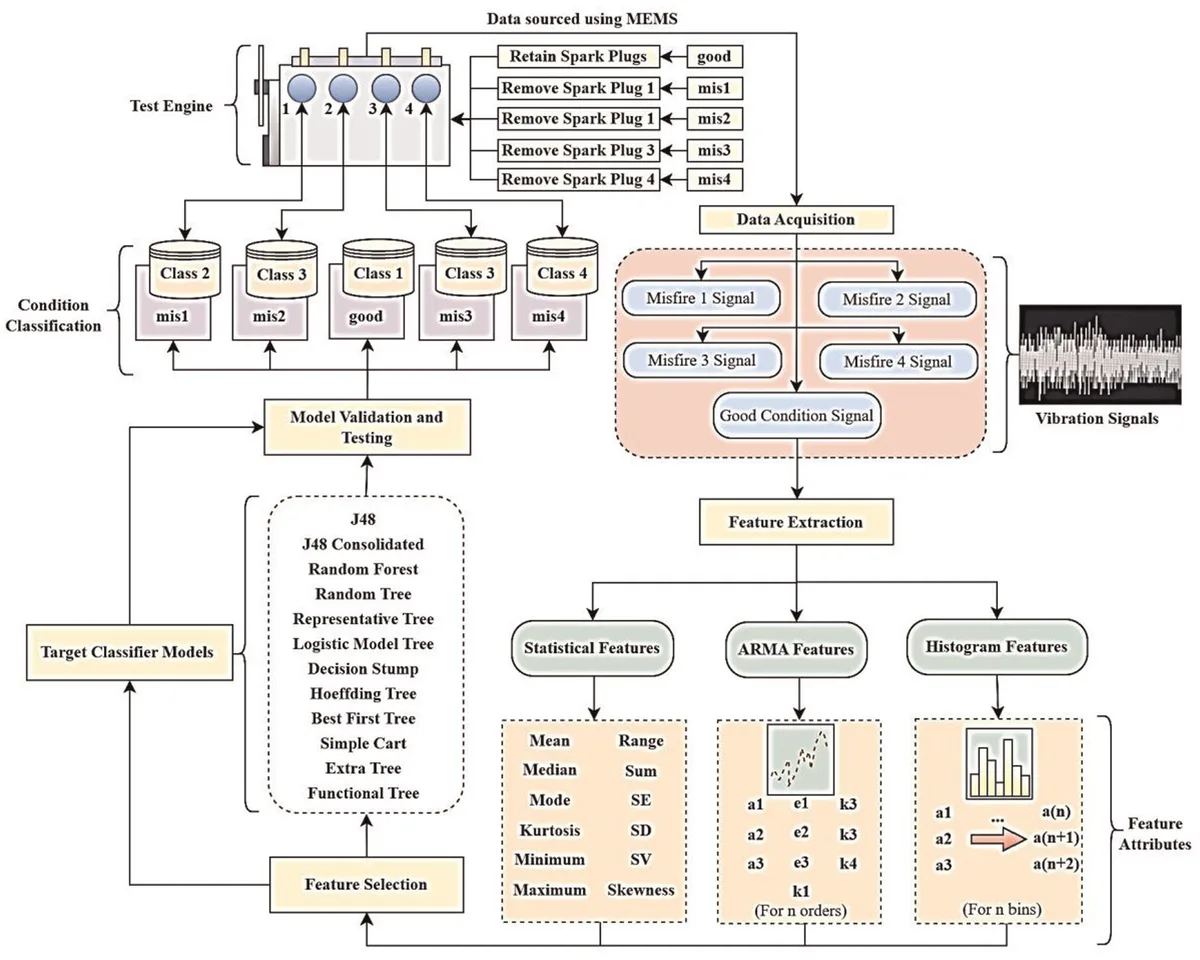
Image source: Bing (Web (fair-use with source credit))
You've tested the coil and the plug. Now it's time to figure out which of the three systems is actually failing. The diagnostic path splits here, and each branch requires a different approach.
Start with the fuel injector if the coil and plug tested fine. Disconnect the injector connector on the misfiring cylinder. Use a mechanic's stethoscope or a long screwdriver pressed to your ear to listen for the injector's rapid clicking. A silent injector is stuck or electrically dead.
You can also measure injector resistance with a multimeter. Toyota's spec for the 2.5-liter engine is 11.6 to 12.4 ohms at room temperature. A reading outside that window means the injector needs replacement or professional cleaning.
If the injector checks out, move to compression testing. Remove all four spark plugs and thread a compression gauge into the misfiring cylinder. Crank the engine and note the reading. Healthy compression on the 2.5-liter engine should fall between 178 and 210 PSI, with less than 10 percent variation between cylinders.
Low compression on a single cylinder signals a burned valve, a blown head gasket, or worn piston rings. This is where DIY diagnosis gets expensive, since a leak-down test is the only way to pinpoint exactly where compression is escaping.
Don't forget vacuum leaks. A cracked intake manifold gasket or a deteriorated PCV valve hose leans out the air-fuel mixture on a single cylinder. Spray carburetor cleaner around the intake manifold area while the engine idles. If the RPM spikes when you hit a specific spot, you've found the leak.
Replace the gasket and retest.
Each branch leads to a different repair cost. An injector replacement runs $150 to $300 per cylinder. A head gasket job can top $1,500 in labor alone.
A vacuum leak fix usually stays under $100. Knowing which branch you're on before you call a shop prevents billing surprises.
For another vehicle diagnostic walkthrough that follows the same logical branching, see our guide on Mazda CX-5 radiator problems.
Mistakes That Waste Money and Damage Your Camry
The most expensive mistake is the parts cannon approach. People replace all four coils and a full set of plugs without running a single test. Sometimes that fixes the issue.
More often, it wastes $200 to $400 on components that weren't the problem. Always diagnose first. The coil swap test and a compression check cost almost nothing.
Clearing codes without recording them comes in a close second. Those DTCs and freeze frame snapshots are your entire diagnostic roadmap. Without them, you're back to square one.
Write every code down or photograph the scanner screen before you hit clear.
Ignoring a flashing check engine light is the most destructive habit we see. A flashing CEL means the misfire is active and severe. Driving on it for even 20 to 30 minutes can overheat the catalytic converter enough to melt the internal substrate.
That turns a $40 spark plug fix into a $1,200 converter replacement. If the light is flashing, stop driving immediately.
Using the wrong spark plug spec causes subtle but real problems. The iridium plugs for the A25A-FKS engine have a different heat range than the copper plugs from older 2AR-FE models. Toyota's part number lookup ensures you get the exact plug for your engine code.
Cross-referencing generic plugs by thread size alone misses critical differences in reach, heat range, and electrode gap.
Don't skip the basics either. A loose or missing gas cap can trigger lean-condition codes on some model years. Contaminated fuel from a bad batch at the station causes random misfires that clear up after two or three tanks of fresh gas.
Check these free possibilities before tearing into the engine.
Finally, avoid chasing intermittent problems by replacing everything at once. If the misfire comes and goes, focus on the freeze frame data and the conditions when it happens. Cold-start misfires often point to aging plugs or coils nearing the end of their life.
Load-dependent misfires suggest fuel delivery or compression issues. Match the symptom pattern to the right test instead of throwing parts at the car. For another example of disciplined diagnostic process, see our walkthrough of Kia Sportage coolant leaks.