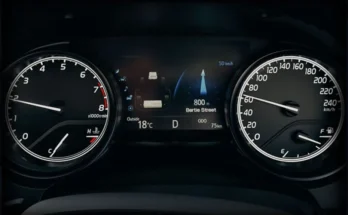
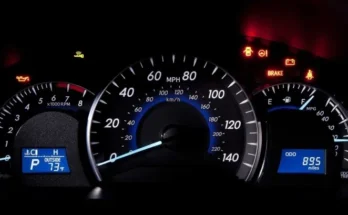
Your Toyota Camry engine overheating isn't just an inconvenience; it's a critical warning that could lead to a $3,000 head gasket repair if you don't act fast. That temperature gauge climbing toward the red zone means your engine is losing its ability to shed heat, and aluminum components start to warp at temperatures far lower than you'd think.
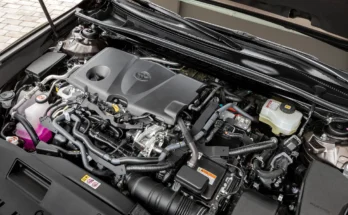
Manufacturer specifications indicate the 2.5L A25A-FKS engine's normal operating range sits between 195°F and 220°F (90°C to 105°C). Once you exceed that, the clock is ticking on potential damage. Let's walk through exactly what to do and what's likely gone wrong.

49% off Today's Exclusive Deals
Limited-time Exclusive Deals. Check current discount on Amazon.
Check Price on Amazon As an Amazon Associate I earn from qualifying purchases.Why Your Camry Is Overheating (And What to Do Right Now)
The single most important reason for overheating is a failure in the heat-exchange cycle. Your engine produces enormous heat from combustion. The cooling system's job is to transfer that heat to the coolant, circulate it to the radiator, and disperse it into the air.
When any part of that loop fails, heat builds rapidly.
A Camry, especially post-2018 models with the more complex cooling circuit, relies on precise component function. The system isn't just about water and a fan anymore. It uses an electronic thermostat and sensors that communicate with the engine control unit (ECU).
49% off Today's Exclusive Deals
Limited-time Exclusive Deals. Check current discount on Amazon.
Check Price on Amazon As an Amazon Associate I earn from qualifying purchases.A single failed sensor can prevent the electric fans from activating in stop-and-go traffic, which is when most overheating incidents occur.
The real danger is the speed of escalation. An engine can go from "slightly high" to "catastrophic failure" in under five minutes of driving under load. That's why the immediate response is non-negotiable and follows a strict safety protocol.
This isn't a "limp it home" situation. It's a "pull over now" event.
49% off Today's Exclusive Deals
Limited-time Exclusive Deals. Check current discount on Amazon.
Check Price on Amazon As an Amazon Associate I earn from qualifying purchases.Image source: Bing (Web (fair-use with source credit))
The Critical First Steps to Prevent Engine Damage
If you see the temperature gauge spike or the red "coolant over temperature" warning illuminates, follow these steps immediately. Your goal is to prevent head gasket failure or a seized engine. This is a safety and financial emergency.
- Turn off the A/C immediately. This reduces the load on the engine. Turn your cabin heater to the highest setting with the fan on full blast. This acts as a secondary radiator, pulling heat from the engine coolant.
- Pull over to a safe location as soon as possible. Do not continue driving. Find a flat, stable shoulder or parking lot.
- Turn off the engine. Once stopped, shut the car off. Do not rev the engine or let it idle.
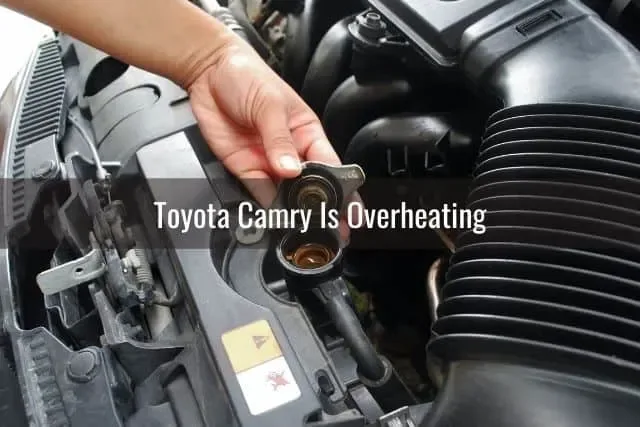
- Pop the hood (carefully). Do NOT touch or open the radiator cap. The system is pressurized and full of superheated coolant. Opening it will cause a violent eruption of steam and boiling fluid, leading to severe burns.
- Let it cool down. Wait at least 30-45 minutes. The hood should feel cool to the touch. Only then can you visually inspect the coolant reservoir tank. The level should be between the "LOW" and "FULL" lines when cold.
Your next action depends on what you see. If the reservoir is empty or low, a leak is the prime suspect. If it's full, the problem may be with airflow, the thermostat, or a sensor.
If you smell a sweet, syrupy odor, coolant is escaping somewhere. At this point, unless you've diagnosed a simple issue like a loose hose clamp, your safest bet is a tow to a qualified technician. Continuing to drive is a gamble you will almost certainly lose.
How Your Camry's Cooling System Actually Works
Understanding the system helps you understand the failure. Think of it as a closed loop with two main circuits: the engine circuit and the radiator circuit. Your Toyota Camry's 2.5L or 3.5L V6 engine uses a water pump, driven by the accessory belt, to circulate Toyota Super Long Life Coolant (SLLC) through passages in the engine block and cylinder head.
The flow is initially restricted by a thermostat, which stays closed when the engine is cold to help it reach operating temperature quickly. Once warmed up (around 180°F), the thermostat opens, allowing hot coolant to flow to the radiator. The radiator is a matrix of thin aluminum tubes and fins.
Air flowing through it, pulled by electric cooling fans, cools the fluid before it returns to the engine.
On 2018+ Camry models, the thermostat is electronically controlled. The ECU commands it to open or close based on driving conditions, not just temperature. This efficiency feature adds a point of failure.
Similarly, the two electric fans are not always on; they cycle based on commands from the coolant temperature sensor and A/C pressure sensor. If that sensor fails, it may not signal the fans to turn on, leading to overheating while idling in a parking lot or traffic jam.
The system also includes a radiator cap that maintains pressure (typically 16 PSI), which raises the coolant's boiling point. A worn cap can allow coolant to boil at a lower temperature and escape into the overflow tank, leading to low coolant levels over time.
The 5 Most Common Culprits Behind Overheating
Based on aggregate repair data for Camrys from the XV50 (2012-2017) and XV70 (2018+) generations, certain failures are far more common. Our research points to these top five suspects.
- Low Coolant from a Leak. This is number one. Common leak points include the plastic radiator end tanks (which crack with age), hose clamps, the water pump weep hole, and the radiator itself. A slow leak might only be visible as a pink or red crusty residue near a component.
- Failed Thermostat. A thermostat stuck in the closed position is a classic cause. It prevents coolant from reaching the radiator to be cooled. This often causes a rapid temperature spike shortly after starting a cold engine.
- Broken Electric Cooling Fan. The fan motor can fail, or the fan relay (located in the under-hood fuse box) can burn out. You should hear the fans kick on when the engine is at operating temperature and you're stationary. If you don't, this is the prime suspect.
- Clogged Radiator. Over years, corrosion and debris can block the tiny tubes inside the radiator core. This reduces its efficiency. You might notice the top of the radiator is hot but the bottom is cool, indicating poor flow.
- Faulty Coolant Temperature Sensor. This sensor tells the ECU (and your gauge) how hot the engine is. If it fails, it can give a false high reading, triggering the warning. Or, worse, it can fail to report high temps, preventing the fans from turning on.
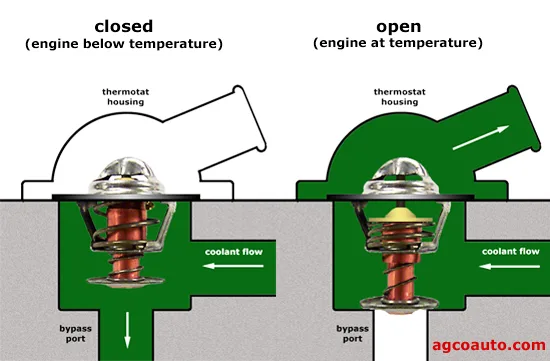
Image source: Bing (Web (fair-use with source credit))
A Safe Diagnostic Workflow for the Driveway or Shoulder
Before calling a tow, you can often narrow down the problem safely. This workflow helps you decide if it's a simple fix or a required shop visit. Safety first: work only on a cold engine.
Step 1: The Visual and Smell Test. With the hood open, look for obvious signs. A puddle of pink/red fluid under the car points to a leak. A milky, frothy substance on the oil filler cap or dipstick is a dire sign of head gasket failure.
A sweet smell from the engine bay confirms burning coolant.
Step 2: The Reservoir and Hose Check. Check the coolant level in the translucent overflow tank. If it's low, you've likely found your problem's origin. Squeeze the upper and lower radiator hoses.
They should feel firm but pliable. A hose that's rock-hard, mushy, or crunchy needs replacement.
Step 3: The Fan Test. If the engine is at normal operating temperature (around 195-210°F on the gauge), you should hear the cooling fans running. Turn on the A/C; the fans should come on immediately. If they're silent, the issue is likely the fan motor, relay, fuse, or the coolant temperature sensor itself.
This is a common failure pattern noted by mechanics working on Kia Sportage coolant leak issues, as many modern cars share similar cooling system designs.
Step 4: The Pressure Test (If Equipped). A cooling system pressure tester is the most accurate way to find a leak. It attaches to the radiator neck and pressurizes the system to its rated PSI (e.g., 16 PSI). If the gauge drops, you have a leak somewhere.
This tool can often be borrowed or rented from an auto parts store.
Step 5: Know When to Stop. If the coolant level is full, the fans work, and you see no external leaks, the problem could be internal (thermostat, water pump, clogged heater core, or a failing water pump). Do not attempt to diagnose further without proper tools and knowledge. A tow to a professional is the correct and safe next step.
Remember, as of 2026, modern Camry cooling systems are integrated with the engine's electronic controls; a simple code scan with an OBD-II reader may reveal a sensor fault code like P0128 (Thermostat Below Regulating Temperature).
Cost Breakdown: Radiator, Water Pump, or Head Gasket?
The final repair cost depends on the failed component and whether you catch it early. Here’s a realistic breakdown based on typical parts and labor rates as of 2026.
| Component Failure | Typical Symptoms | Estimated Cost (Parts & Labor) | Notes |
|---|---|---|---|
| Coolant Leak (Simple) | Visible drip, low reservoir | $100 – $300 | A loose clamp, bad hose, or cracked reservoir tank. |
| Radiator Replacement | Puddle under front, external damage | $800 – $1,200 | Often caused by impact or age-related plastic tank failure. |
| Water Pump Replacement | Weep hole leak, bearing noise | $700 – $1,000 | Access can be labor-intensive on some models. |
| Thermostat Replacement | Rapid temp spike when cold | $250 – $400 | A relatively simple and critical fix. |
| Head Gasket Repair | Milky oil, white exhaust smoke | $1,800 – $3,000+ | The catastrophic outcome of driving while overheating. |
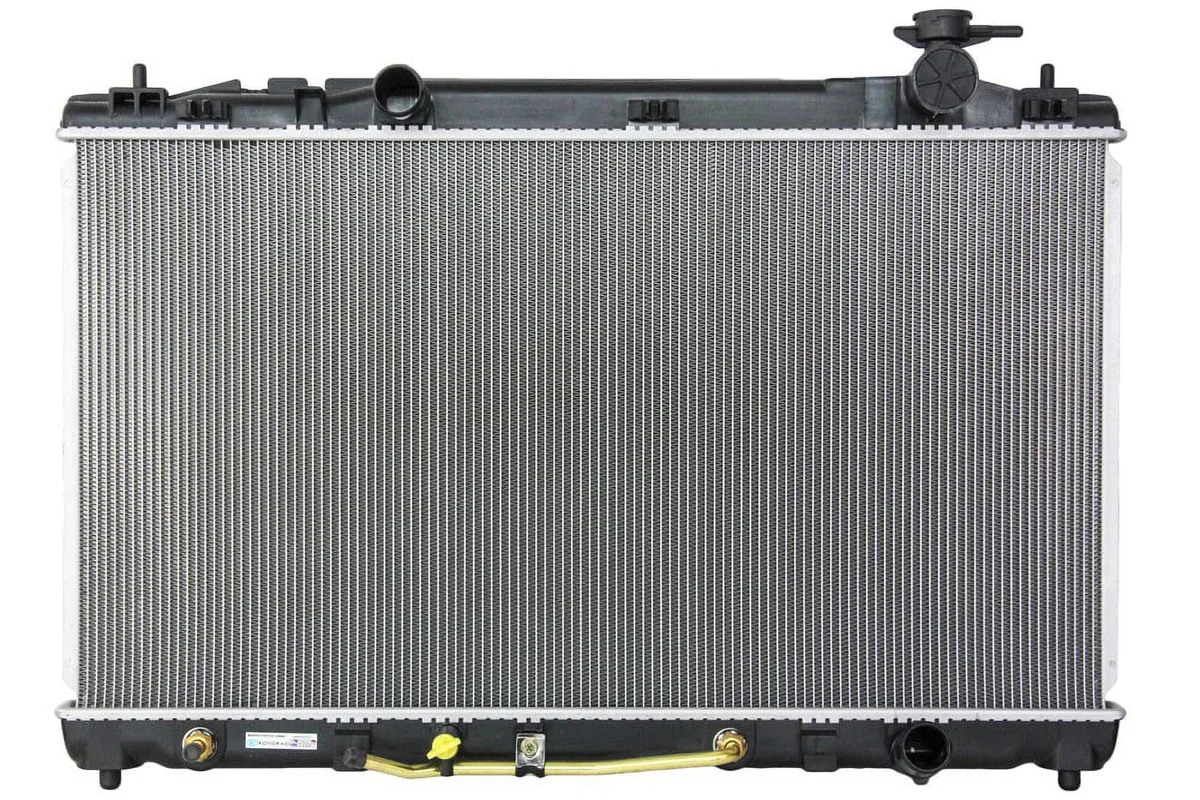
Image source: Bing (Web (fair-use with source credit))
The numbers tell the story: catching a $250 thermostat failure early is infinitely better than ignoring it and facing a $3,000 head gasket job. If your Camry has over 100,000 miles, investing in a preventative cooling system overhaul (new hoses, thermostat, coolant flush, and a pressure test) is often wise. Resources like the Toyota Technical Information System are the authoritative source for exact part numbers and procedure manuals, which a good independent mechanic will reference.
For broader vehicle maintenance context, understanding fluid systems is key, much like knowing the correct fluid level prevents other engine issues.
Expert Warnings: What Never to Do
When your temperature gauge climbs, panic can lead to costly mistakes. Certain actions will almost guarantee you turn a manageable problem into a catastrophic engine failure. Here are the critical "nevers" based on manufacturer guidelines and proven mechanical practice.
- Never open the radiator cap on a hot engine. The system is under 16 PSI of pressure. Opening it releases a geyser of boiling coolant and steam. This causes severe, immediate burns. Wait at least 45 minutes for it to cool completely.
- Never keep driving "just a little farther." If the gauge is in the red or the warning light is on, you have minutes, not miles, before potential warping or gasket failure. Pull over immediately. Driving even a short distance under load can cause thousands in damage.
- Never add cold water to a boiling-hot system. Thermal shock can crack the engine block or cylinder head. If you must add coolant in an emergency, use warm, pre-mixed coolant if you have it. Better yet, just wait and get a tow.
- Never ignore a "sweet" smell from the vents. That's the smell of your heater core burning off coolant that's being forced into the cabin. It's a clear sign of extreme overcooling system pressure, often from a blown head gasket. Pull over.
- Never use green "universal" coolant instead of Toyota SLLC. Mixing coolant types can cause chemical reactions that create sludge. This sludge clogs radiator passages and destroys water pump seals. Always use the specified Toyota Super Long Life Coolant (pink/red) for your model year.
Your car's mazda-cx-5-brake-problem article reminds us that ignoring dashboard warnings in any modern vehicle rarely ends well. The same principle applies here.
The Post-Repair Checklist and Future Prevention
Whether you had a DIY fix or a shop repair, the job isn't done when the car is reassembled. A methodical post-repair process ensures the problem is truly solved and helps prevent a recurrence.
1. The Test Drive Protocol. After a repair, start the car and let it idle. Monitor the temperature gauge.
It should rise steadily to the normal range and stabilize. The cooling fans should cycle on and off. Once warm, take a short, low-stress drive.
Avoid highways or hills initially. Park and let it idle for 10 minutes with the A/C off. Check for leaks under the car.
2. The Week-Long Watch. For the next seven days, check the coolant reservoir level each morning before starting the car. A slowly dropping level indicates a small, lingering leak that must be found.
Also, watch the temperature gauge during your normal commute for any unusual behavior.
3. Establish a Maintenance Schedule. Prevention is always cheaper than repair. For a Toyota Camry, the cooling system benefits from regular attention.
| Maintenance Task | Recommended Interval | Why It Matters |
|---|---|---|
| Visual Inspection (hoses, clamps) | Every oil change (5-7k miles) | Catches cracks, leaks, and swelling early. |
| Coolant Level Check | Monthly | The first line of defense against low-coolant overheating. |
| Coolant Flush & Fill | Every 5 years or 60,000 miles (per owner's manual) | Old coolant becomes acidic and corrosive internally. |
| Thermostat & Hose Replacement | Consider at 100,000 miles | Proactive replacement of common wear items. |
| Radiator Cap Replacement | At first sign of trouble or during a flush | A cheap part that maintains critical system pressure. |
Resources like the Mazda CX-5 Radiator Problem page outline similar preventative cooling system care, a universal truth for modern cars. For the official maintenance schedule for your specific model year, always refer to the Toyota Owners Manual. Following these steps maximizes your Camry's reliability and protects your investment.
Frequently Asked Questions
Why does my Camry only overheat in traffic?
This points strongly to a problem with airflow. When you're moving, air is forced through the radiator. At a stop, the electric cooling fans must do all the work.
A faulty fan motor, a bad fan relay, a blown fuse, or a failed coolant temperature sensor that isn't triggering the fans are the prime suspects.
Can I drive my Camry if the temperature gauge is just slightly above normal?
A gauge that's slightly above the halfway mark but stable isn't necessarily overheating. However, if it's higher than you're used to or creeping upward, treat it as a warning. Reduce load (turn off A/C), find a safe place to pull over, and let the engine idle to see if it stabilizes.
If it keeps climbing, shut it off immediately.
What does it mean if my heater blows cold air when the engine is overheating?
This often indicates very low coolant. There isn't enough fluid to circulate through the heater core. It can also signal a massive air pocket in the system or a severely clogged heater core.
Both scenarios require immediate attention to prevent engine damage.
Is it safe to add coolant to a Camry that's been overheating?
Only after the engine has cooled completely for at least 45 minutes. Open the reservoir cap (not the radiator cap) and add the correct pre-mixed Toyota Super Long Life Coolant. If the system is empty, it likely has a significant leak that needs professional diagnosis before driving again.
How do I scan my Camry for coolant-related error codes?
You need a basic OBD-II scanner. Plug it into the port under the dashboard. Look for codes like P0128 (Thermostat Below Regulating Temperature) or P0125 (Insufficient Coolant Temperature for Closed Loop).
These can point directly to a faulty sensor or thermostat, saving diagnostic time.
Could a blown head gasket be the reason my Camry overheats?
Yes, and it's a worst-case scenario. A failed head gasket allows combustion gases to pressurize the cooling system, pushing coolant out and causing rapid overheating. Signs include milky oil on the dipstick, persistent bubbles in the overflow tank, and white sweet-smelling smoke from the exhaust.
This requires major engine repair.