That sudden heaviness in the steering wheel isn't just annoying. A Toyota Camry steering problem is a direct safety risk, affecting your ability to control the vehicle. This guide cuts through the noise to show you exactly what's wrong, whether it's serious, and what your realistic options are.
A 2018 Toyota Camry technical service bulletin (TSB-0144-18) details specific calibration procedures for its Electric Power Steering (EPS) system. Understanding the difference between that and older hydraulic systems is the first step to a proper fix.
49% off Today's Exclusive Deals
Limited-time Exclusive Deals. Check current discount on Amazon.
Check Price on Amazon As an Amazon Associate I earn from qualifying purchases.Why Your Camry's Steering Feels Wrong (and Why It's a Safety Issue)
The moment your Camry's steering doesn't feel right, your primary concern should be safety. This isn't a problem to schedule "for next month." The National Highway Traffic Safety Administration (NHTSA) logs hundreds of steering-related complaints annually for various model years, underscoring the potential for serious incidents.
A steering problem can manifest in several ways, but the core risk is loss of directional control. A sudden increase in effort can prevent you from avoiding an obstacle. A "loose" or wandering feeling makes lane-keeping exhausting and unpredictable.
What makes this a critical safety threshold?
49% off Today's Exclusive Deals
Limited-time Exclusive Deals. Check current discount on Amazon.
Check Price on Amazon As an Amazon Associate I earn from qualifying purchases.If the steering becomes so heavy you need both hands and significant muscle to turn the wheel at low speed, or if it pulls sharply to one side, the vehicle is unsafe to drive. The same applies to any steering wheel vibration that worsens with speed. Do not rely on "getting used to it." A mechanical or electrical fault is progressive; it will get worse.
How the Camry Steering System Actually Works: EPS vs. Hydraulic
To diagnose the issue, you need to know which system your Camry has. Toyota has used two primary types over the years, and they fail in completely different ways.
Hydraulic Power Steering (HPS): Found in Camrys roughly before 2012. It uses a belt-driven pump, hydraulic fluid, and a series of hoses to provide assist. Think of it like a bike with power brakes.
Its weaknesses are leaks, pump wear, and belt issues. You'll often hear a whining or groaning noise when turning the wheel.
49% off Today's Exclusive Deals
Limited-time Exclusive Deals. Check current discount on Amazon.
Check Price on Amazon As an Amazon Associate I earn from qualifying purchases.Electric Power Steering (EPS): Standard on all newer Camrys (XV50 generation, 2012-2017, and XV70 generation, 2018-present). It's a self-contained, electronically controlled system. An electric motor, controlled by a dedicated ECU, applies assist based on input from a torque sensor in the steering column.
No fluid, no pump, no belts.
This shift means modern steering problems are often electrical. The root cause could be the EPS motor itself, the torque sensor, the ECU, or simply a wiring fault or a weak car battery not providing stable voltage.
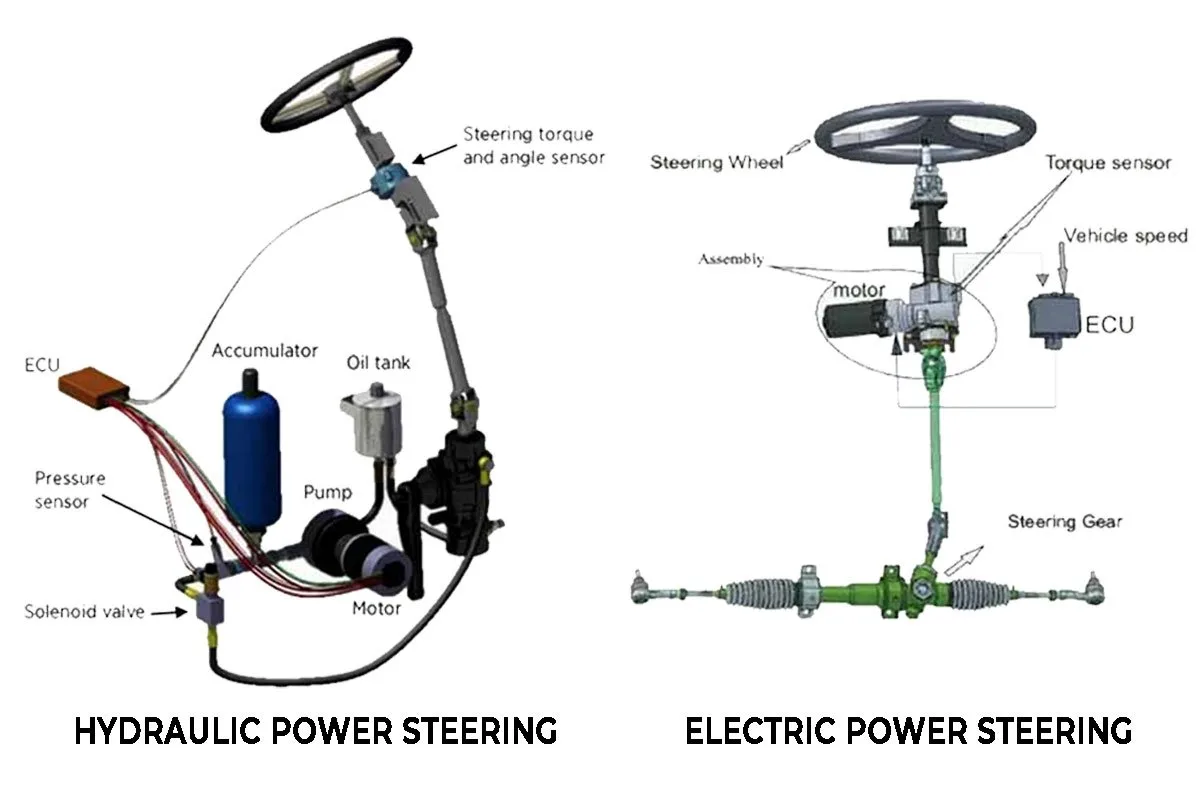
Image source: Bing (Web (fair-use with source credit))
Diagnosing Your Specific Steering Problem: A Step-by-Step Guide
A proper diagnosis saves you from replacing expensive parts unnecessarily. Follow this logical sequence. Always start with the simplest checks.
Step 1: The Dashboard Check
Does the EPS warning light (a steering wheel icon with an exclamation point) illuminate when you start the car? If it stays on, your system has logged a fault code. This is your biggest clue.
Step 2: The OBD-II Scan
Use a diagnostic scanner capable of reading steering and chassis codes (not just engine codes). You'll be looking for codes starting with "C1" (Chassis codes). Common Camry EPS codes include:
- C1511/C1512: Torque Sensor malfunction or zero-point error.
- C1554: EPS ECU internal failure.
- U0121: Loss of communication with the ABS module (critical for stability systems).
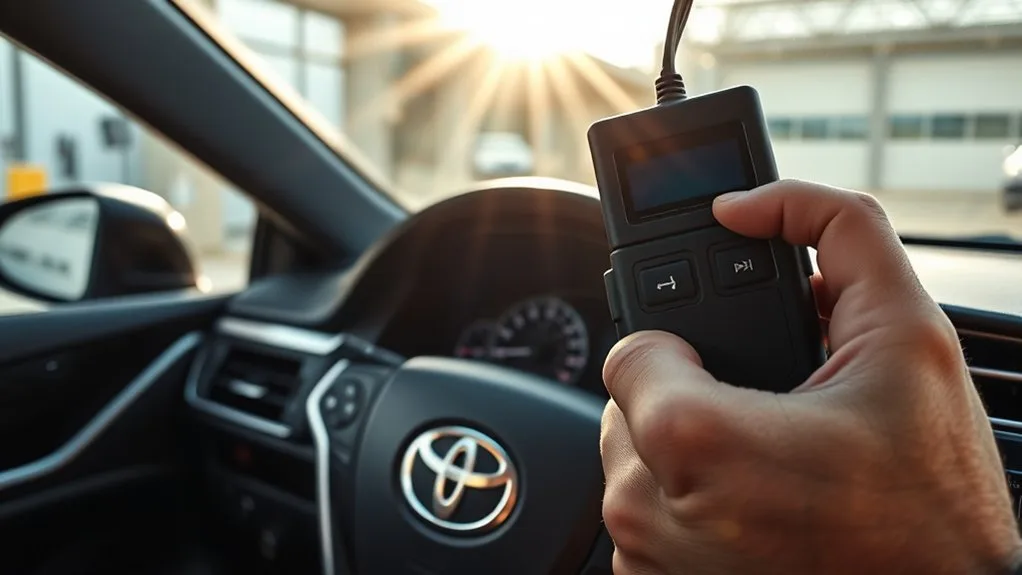
Image source: Bing (Web (fair-use with source credit))
Step 3: The Visual & Physical Inspection
For HPS models, check for leaking power steering fluid around the rack boots, hoses, and pump. For all models, inspect tie rod ends for play (have someone rock the steering wheel while you watch the linkage). Worn tie rods cause clunking and wandering.
Step 4: The Electrical Sanity Check
A weak battery or bad alternator can cause erratic EPS behavior. Have your battery's health and the alternator's output tested. Low voltage is a common, often-overlooked culprit for intermittent EPS warnings.
If you've confirmed a steering wheel shaking issue, our guide on diagnosing a Kia Sportage steering wheel shaking covers universal vibration causes relevant to any vehicle.
Steering Problems You Should Never Ignore: Safety Thresholds and Warning Signs
Not all symptoms are equal. Here’s how to assess the urgency.
Immediate Risk, Stop Driving Safely:
- Complete Loss of Assist: The wheel becomes extremely heavy suddenly. Pull over immediately.
- Violent Pulling: The car aggressively veers left or right without steering input.
- Steering Wheel Locking: Any hesitation or binding in the steering mechanism is catastrophic.
Urgent, Schedule Service Within Days:
- Persistent EPS Warning Light: The system is operating in a fault state, likely with reduced assist or safety features disabled.
- Significant Play: More than an inch of "dead zone" where the wheel moves but the tires don't.
- Persistent Groaning/Whining (HPS): Indicates imminent pump failure or severe fluid starvation.
Investigate Soon, Within a Week or Two:
- Slight Increase in Effort: The wheel feels a bit heavier than usual, especially at low speeds.
- Minor, Constant Pull: Requires constant correction to drive straight. This is often an alignment issue but can signal a failing component.
- Intermittent EPS Light: The light flickers on and off. Often points to a wiring issue or low voltage.
Problems with other critical vehicle systems, like a Kia Sportage brake problem, should be addressed with the same urgency. Your safety relies on multiple systems working in concert.
What the Fix Actually Costs: Repair Breakdown by Component and Severity
Repair costs vary widely based on your Camry's model year, the specific fault, and your location. Here’s a realistic breakdown based on aggregated repair data and parts pricing as of 2026.
| Problem Area | DIY Part Cost (Est.) | Professional Repair (Parts & Labor) | Notes |
|---|---|---|---|
| HPS Fluid Flush | $20 – $40 | $100 – $200 | Simple maintenance; not a fix for leaks. |
| Tie Rod End (per side) | $40 – $120 | $150 – $300 | Requires wheel alignment after replacement. |
| EPS Torque Sensor | $150 – $400 | $500 – $1,200 | Often requires steering column replacement as an assembly. |
| EPS Motor | $300 – $800 | $800 – $2,000 | Cost varies dramatically between OEM and quality aftermarket. |
| Complete Rack & Pinion | $400 – $1,200 | $1,200 – $3,000+ | Most expensive common repair. |
| EPS ECU | $200 – $500 | $600 – $1,500 | May require programming/initialization by a dealer. |
The Biggest Cost Trap: Misdiagnosis. Replacing an EPS motor when the actual problem was a $5 sensor or a wiring fault is a common and expensive mistake. This is why a proper scan and pinpoint testing are non-negotiable.
For an electrical problem that might seem unrelated, like a Kia Sportage alternator problem, remember that a failing alternator can indirectly cause steering assist issues in modern cars.
Pro Tips for Avoiding Repeat Steering Issues
Once your steering is repaired, the goal is keeping it that way. These maintenance habits directly prevent common recurrence.
For Hydraulic Power Steering (HPS) models:
Check your power steering fluid level monthly. Low fluid introduces air into the system, causing pump cavitation and premature wear. Toyota specifies Dexron III ATF or their branded power steering fluid.
Never mix types. Flush the fluid every 50,000 miles or per your service manual. Old fluid loses its lubricating and anti-foam properties.
For Electric Power Steering (EPS) models:
The biggest thing you can do is maintain a healthy battery and charging system. A weak battery forces the EPS ECU to operate under low voltage, which triggers fault codes and erratic assist. Replace your battery every 4 to 5 years, even if it still starts the car.
Have the alternator output checked during regular service.
For all Camrys:
Get a wheel alignment after any suspension work, hitting a major pothole, or noticing uneven tire wear. Misalignment puts constant lateral load on the steering components. Check tire pressures monthly.
Underinflated tires increase steering effort and mask developing problems.
Early warning habits matter. Pay attention to changes in steering feel, even subtle ones. A slight increase in effort at parking speeds often precedes a bigger failure. Address odd noises immediately.
A groan that appears in cold weather and disappears when warm may still indicate a failing component.
If you notice your Mazda CX-5 developing a similar steering problem, the same maintenance principles apply across platforms. Steering systems share fundamental design logic.
Toyota Camry Steering Problem — FAQs
What does the EPS warning light on my Camry mean?
The EPS warning light (a steering wheel icon with an exclamation mark) indicates the electric power steering system has detected a fault. The system may still provide partial assist or none at all. Scan for DTC codes starting with "C1" to identify the specific issue.
Do not ignore this light.
Can I drive my Camry with a steering problem?
It depends on the symptom. If the wheel is slightly heavier than normal but responsive, you can drive short distances to a repair shop. If the steering is extremely heavy, pulls violently, or locks, stop driving immediately.
A complete loss of assist at highway speed is dangerous.
How much does a Toyota Camry steering rack replacement cost?
A complete rack and pinion replacement typically runs $1,200 to $3,000 for parts and labor at a professional shop. OEM racks cost significantly more than aftermarket units. Expect an additional $100 to $200 for a mandatory wheel alignment after the repair.
Is there a recall for Toyota Camry steering problems?
Toyota has issued steering-related recalls for specific model years. Check your VIN on the NHTSA recall lookup page or Toyota's official site. Recall repairs are performed free of charge at authorized dealers, regardless of the vehicle's age or mileage.
What causes a Toyota Camry steering wheel to shake?
Common causes include warped brake rotors, unbalanced tires, worn tie rod ends, or a failing wheel bearing. At highway speeds, tire imbalance is the most likely culprit. At braking speeds, warped rotors are usually to blame.
A professional inspection isolates the exact source quickly.
Can a weak car battery cause steering problems on a Camry?
Yes. The EPS system depends on stable voltage from the battery and alternator. A weak battery or failing alternator can trigger EPS warning lights, intermittent loss of assist, or erratic steering feel.
Testing the charging system is a low-cost first step before replacing expensive EPS components.