An Audi A4 brake problem can range from a simple worn pad to a complex electronic fault. It's a serious safety issue that demands quick, accurate diagnosis. Our research indicates that modern brake systems, especially those with an Electronic Parking Brake (EPB), require specific procedures to service correctly.
A single brake pad wear sensor can trigger a dashboard warning long before the pad material is critically low. Manufacturer specifications indicate minimum pad thickness is often 3 to 4 millimeters. Knowing what each warning light means is your first step to a safe fix.

49% off Today's Exclusive Deals
Limited-time Exclusive Deals. Check current discount on Amazon.
Check Price on Amazon As an Amazon Associate I earn from qualifying purchases.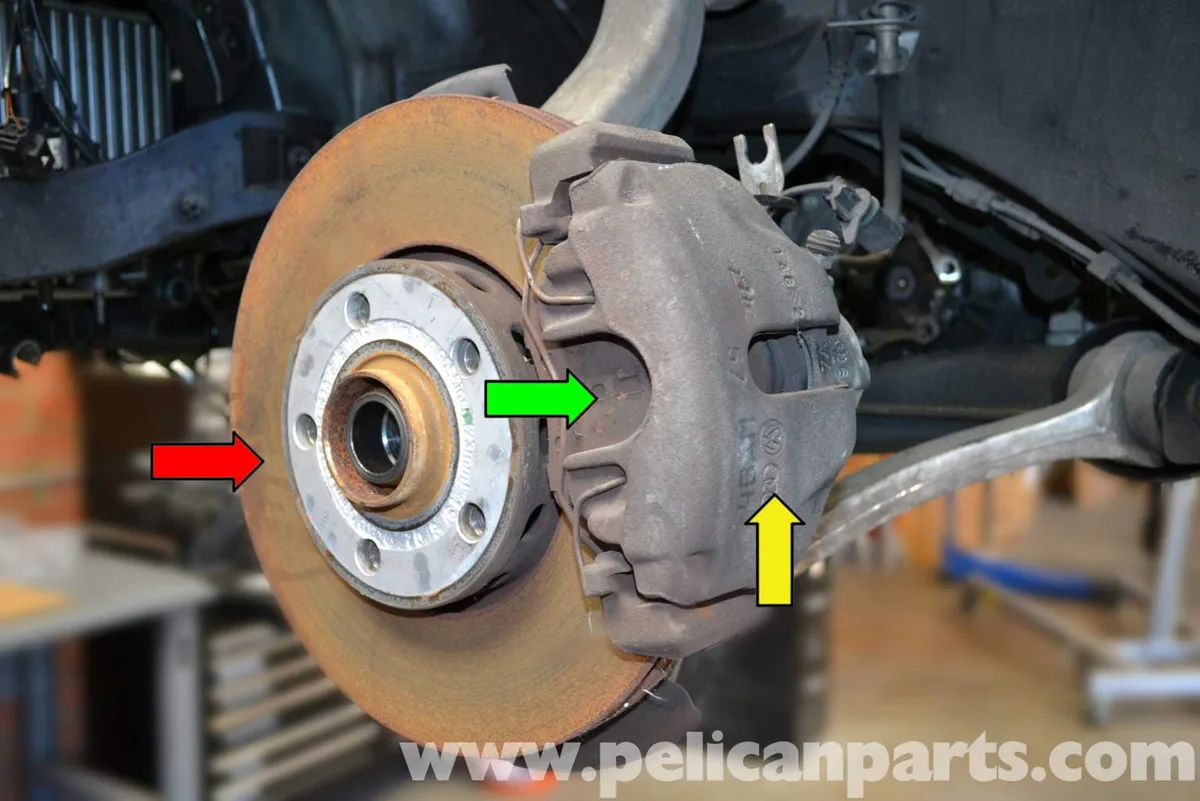
Image source: Bing (Web (fair-use with source credit))
Quick Answer
An Audi A4 brake problem typically involves worn pads, low fluid, or an electronic fault. Warning lights on your dashboard point to the specific issue. Check your brake fluid level and pad thickness first.
49% off Today's Exclusive Deals
Limited-time Exclusive Deals. Check current discount on Amazon.
Check Price on Amazon As an Amazon Associate I earn from qualifying purchases.Use a VAG-specific scan tool for electronic parking brake or ABS faults. Most brake repairs cost $400 to $900 per axle at an independent shop.
Why Audi A4 Brake Issues Demand Immediate Attention
Your brakes are the most critical safety system on your car. A compromised system increases stopping distances dramatically. It can also cause uneven rotor wear, caliper damage, and much higher repair bills if ignored.
The A4 uses an integrated system where a fault in one area affects others. A sticking caliper can overheat, causing brake fluid to boil. This leads to a soft pedal and potential failure.
The National Highway Traffic Safety Administration (NHTSA) tracks brake-related complaints and recalls across all manufacturers. Checking for open recalls on your VIN is free and takes two minutes.
49% off Today's Exclusive Deals
Limited-time Exclusive Deals. Check current discount on Amazon.
Check Price on Amazon As an Amazon Associate I earn from qualifying purchases.Common Brake Warning Lights and What They Mean on Your A4
A dashboard light is your car's way of telling you something is wrong. Not all warnings mean the same thing, and some are more urgent.
| Warning Light | What It Usually Indicates | Urgency Level |
|---|---|---|
| ( ! ) BRAKE | Low brake fluid, worn pads (via sensor), or the parking brake is engaged. | High. Check immediately. |
| ABS | Fault in the Anti-lock Braking System. Regular brakes still work, but ABS is disabled. | Medium. Get diagnosed soon. |
| PARKING BRAKE | EPB system fault, caliper issue, or a problem with the switch or actuator. | High. May not hold the car. |
| ESC / ESP | Stability control issue, often linked to a wheel speed sensor or ABS fault. | Medium. Affects handling. |
If the BRAKE light illuminates while driving, pull over safely. Check the brake fluid reservoir under the hood. The level should sit between the MIN and MAX lines.
A low level often signals worn pads or a leak.
This same method of checking fluid levels applies broadly. Our guide on Hyundai Tucson Brake Problem covers similar reservoir inspections that work on most modern cars.
Diagnosing the Problem: What to Check and What to Scan
Start with a visual check. Look at the brake pads through the wheel spokes. Most A4s have a wear sensor on the front-left pad.
If the sensor touches the rotor, it's time for new pads.
Listen for squealing, grinding, or clicking noises. A high-pitched squeal often comes from the wear sensor itself. Grinding metal means the pad material is completely gone.
Clicking during turns can indicate a loose caliper bolt.
A diagnostic scan with a VAG-COM (VCDS) tool or equivalent is essential for electronic faults. Generic OBD-II scanners miss Audi-specific brake module codes. Look for codes starting with "C" (Chassis).
A common code is C101C, which indicates a parking brake fault.
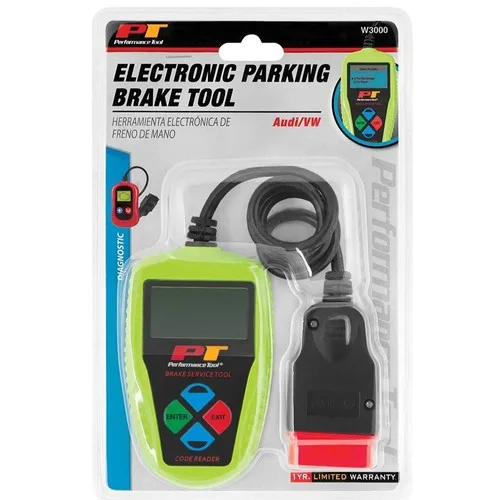
Image source: Bing (Web (fair-use with source credit))
Visual inspection also catches warped rotors. Run your finger across the rotor surface. You'll feel ridges or uneven wear if the rotor is warped.
This causes the steering wheel to pulse when you brake. A Hyundai Tucson Steering Wheel Shaking article explains the same pulsation symptoms across different vehicles.
Electronic Parking Brake (EPB) Service and Calibration
You cannot simply replace rear brake pads on an A4 with an EPB. The system must be placed into "Service Mode" first. This retracts the electronic caliper piston fully.
Forgetting this step will damage the caliper motor and housing. You need a scan tool that communicates with the brake electronics to activate this mode. Once in service mode, you can compress the piston with a standard tool.
After replacing pads and rotors, the system must be recalibrated. This involves closing the piston, measuring rotor runout, and teaching the system the new pad clearance. Skipping this calibration leaves the parking brake unable to grip properly.
A Hyundai Tucson Brake Noise guide explores how even simple brake jobs can cause noise if the components aren't seated or bedded-in correctly.
Repair Options: OEM vs. Aftermarket Parts and Professional vs. DIY
Your choice depends on budget, performance goals, and how long you plan to keep the car. Each option has clear trade-offs.
| Option | Best For | Key Considerations |
|---|---|---|
| OEM (Audi Genuine) | Maintaining original performance, warranty, and resale value. | Higher cost. Guaranteed fit and compound. |
| Premium Aftermarket | Balancing cost and quality (Textar, ATE, Bosch). | Often OEM suppliers. Good all-around performance. |
| Performance Aftermarket | Enhanced braking for spirited or track use. | May increase noise and dust. Requires bedding-in. |
| DIY | Saving labor costs with the right tools and knowledge. | High risk with EPB systems without scan tools. |
| Independent Specialist | VAG-specific expertise, proper tools, warranty on work. | Costs more than DIY, less than the dealer. |
If you're handling a simple fluid flush, the process follows standard hydraulic principles. The same attention to using the correct fluid specification applies everywhere, whether you're topping off the correct fluid level in your tires or bleeding brake lines.
What This Service Will Cost and How Long It Takes
Costs vary based on parts choice and labor rates. As of 2026, here are typical ranges for a front brake job including pads and rotors on both wheels.
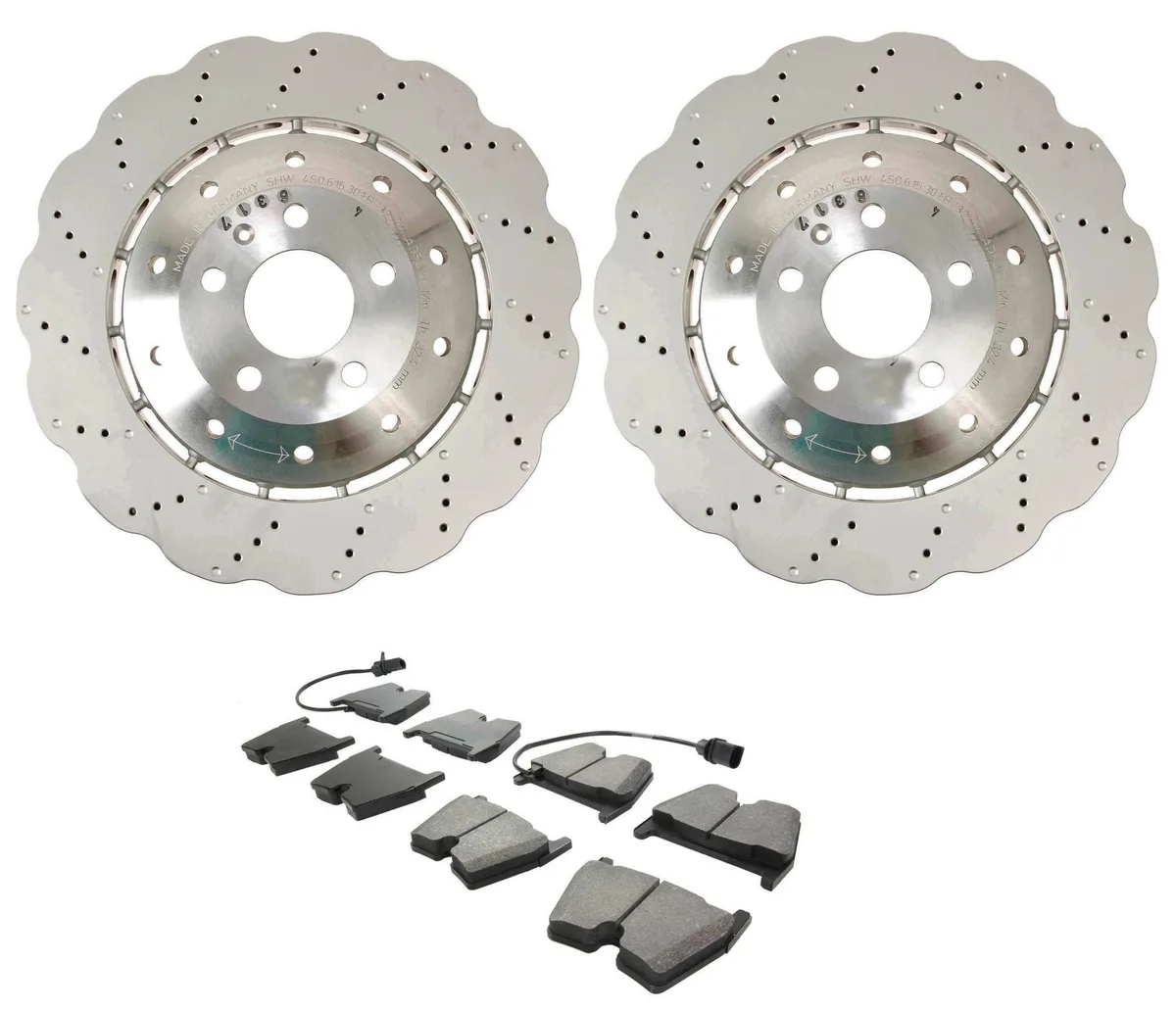
Image source: Bing (Web (fair-use with source credit))
- Front Pads and Rotors (OEM Parts): $600 to $900 at an independent shop. $900 to $1,200 at a dealership.
- Front Pads and Rotors (Premium Aftermarket): $400 to $650 at an independent shop.
- Rear Pads and Rotors with EPB Service: Adds $200 to $400 to the above due to calibration requirements.
- Brake Fluid Flush: $100 to $200. This should happen every two years regardless of mileage.
Time in the shop ranges from 1.5 to 3 hours per axle for pads and rotors. An EPB calibration adds about an hour. A fluid flush alone takes 30 to 60 minutes.
Always ask your shop if they carry the diagnostic tools specific to your model year. An Audi A4-specific brake problem diagnosis is faster when the shop already owns VAG-compatible equipment.
Final Verdict: Your Safe Action Plan
Don't guess. Follow this flow based on your specific symptom. The right diagnosis saves you time, money, and keeps you safe.
- BRAKE light on, pedal feels normal: Check fluid level first. Top off with DOT 4 fluid if low. If the light stays on, get a scan for wear sensor codes. This is likely a pad replacement.
- Pedal feels soft or spongy: Stop driving. This signals potential hydraulic failure. It could be air in the lines or a failing master cylinder. Have the system bled and inspected by a professional immediately.
- Hearing grinding metal: Your pads are gone. Driving further ruins the rotors, turning a $400 job into an $800 one. Replace pads and rotors now.
- ABS or ESC light on: Scan for a wheel speed sensor fault. This is often a dirty or failed sensor, not a brake pad issue. A scan tool points you to the exact wheel.
- EPB fault light: Do not attempt rear brake service without a scan tool that can enter service mode. Forcing the piston breaks the caliper motor, a $500-plus mistake per wheel.
If you're unsure about the severity, a diagnostic fee at a qualified shop is the best insurance you can buy. A soft brake pedal, as explained in our Hyundai Tucson Brake Pedal Soft breakdown, is always a sign to stop driving immediately.
Frequently Asked Questions
Can I drive my Audi A4 with the brake warning light on?
It depends on the light and how the car feels. If it's the red BRAKE light and the pedal feels firm, you can drive cautiously to a shop after checking fluid level. If the pedal is soft, the car pulls to one side, or you hear grinding, do not drive it.
Tow it to avoid an accident.
Why does my electronic parking brake light stay on after a brake job?
This almost always means the system wasn't properly calibrated after the service. The car's computer needs to learn the new pad thickness and rotor position. You need a scan tool that can perform a basic setting or adaptation for the parking brake module.
Simply replacing parts won't clear the fault.
How often should Audi A4 brake fluid be changed?
Manufacturer recommendations state every two years. Brake fluid is hygroscopic, meaning it absorbs moisture from the air over time. This lowers its boiling point, which can cause brake fade during hard stops even if the fluid looks clean visually.
What does it mean when my brake pedal goes to the floor?
This signals a critical hydraulic failure. You've lost pressure in the brake lines. Common causes include a leak in a brake line, a failing master cylinder, or severely worn pads.
Pull over safely using the handbrake and engine braking. Do not continue driving.
Are Audi brake repairs more expensive than other brands?
Generally yes, due to integrated electronic systems like the EPB and specific sensor requirements. Labor times are longer because of calibration procedures. OEM parts cost more as well.
Independent specialists with VAG-specific tools offer a middle ground between dealership pricing and generic shops.