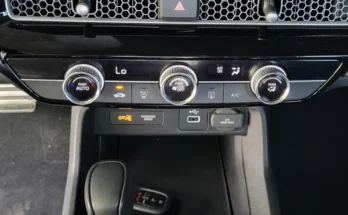
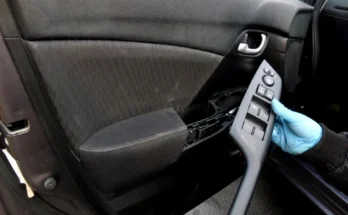
Your Tesla Model 3 AC not working feels worse than it should. The glass roof amplifies the heat, the cabin seals tight, and there's no engine noise to hide mechanical sounds. The good news?
Most Model 3 climate failures follow a clear pattern. In our research, the fastest fix starts with identifying the exact symptom, not tearing into the car.

49% off Today's Exclusive Deals
Limited-time Exclusive Deals. Check current discount on Amazon.
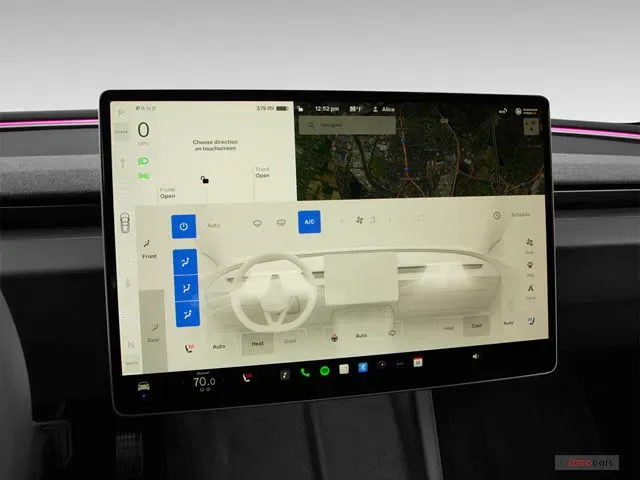
Check Price on Amazon As an Amazon Associate I earn from qualifying purchases.Tesla's thermal system is more complex than a gas car's. Early Model 3s, from 2017 through 2020, use a high-voltage resistive heater for cabin heat. 2021 and newer models add a heat pump that also manages battery temperature. The system uses R-134a refrigerant in older cars and R-1234yf in newer ones, per Tesla's service documentation.
That split matters because the diagnostic path changes with the hardware.
49% off Today's Exclusive Deals
Limited-time Exclusive Deals. Check current discount on Amazon.
Check Price on Amazon As an Amazon Associate I earn from qualifying purchases.Image source: Bing (Web (fair-use with source credit))
Quick Answer
Your Tesla Model 3 AC not working points to one of four issues. Dirty cabin filter, blocked condenser, refrigerant leak, or compressor fault. Run the quick checks first.
Then follow the symptom branches below. A thermal alert means service.
Start Here: What's Your Model 3 A/C Actually Doing?
Before you open the frunk or dig into the touchscreen, stop. Name the exact symptom. Is it warm air, weak airflow, weird noise, or intermittent cooling?
49% off Today's Exclusive Deals
Limited-time Exclusive Deals. Check current discount on Amazon.
Check Price on Amazon As an Amazon Associate I earn from qualifying purchases.Your answer decides everything that comes next.
The model year also shapes your diagnostic path. Pre-refresh cars use a simpler resistive heater. Heat pump cars share a coolant loop with the battery.
If the loop runs low on refrigerant, you can lose cabin cooling and battery thermal management at the same time. That's why some owners see a battery warning right after the AC dies.
Here are the common symptom groups:
- Warm air from the vents, even with Max A/C on.
- Weak airflow that barely moves at fan speed 10.
- A loud click, grind, or buzz from behind the dash or front bumper.
- Cooling that works for 10 minutes, then fades.
- No air at all, sometimes with a touchscreen alert.
If the vents are warm, jump to the warm air branch below. If airflow is weak, check the cabin filter first. And if you hear grinding, stop running the AC.
The compressor is electric, not belt-driven. Strange noise usually means a mechanical fault, not a loose belt.
Do These Quick Checks First: Filter, Condenser, Reboot
Start cheap and easy. These three checks solve a surprising number of cases in our research. Each one takes about ten minutes, and none of them need special tools.
1. Swap the cabin air filter. The Model 3's cabin filter sits behind the glovebox. If it's clogged with dust, airflow drops and cooling feels weak.
A musty smell means it needs replacing right away. Tesla recommends a new filter every two years, but dusty climates need it more often.
2. Clean the front condenser. The condenser sits at the front of the car, behind the bumper grille. Leaves, bugs, and road grit build up there.
A blocked condenser can't shed heat, so the AC blows warm even with a full refrigerant charge. Use a soft brush or low-pressure water rinse. Don't aim a pressure washer straight into the fins, they bend easily.

Image source: Web (Bing) / pngall.com (Web image (fair-use with source credit))
3. Reboot the software. A stale firmware state can stop the compressor from kicking in. Hold both steering wheel scroll buttons until the touchscreen goes black and the Tesla logo returns.
That soft reboot takes about 20 seconds. Some owners also run the "Power Off" cycle in the Safety menu, which shuts down the computer more completely.
After those three, turn the climate back on and set Max A/C. Let it run for five minutes with the blower on high. If the vents now blow cold, you're done.
If not, move to the symptom branches below. If airflow is still weak after a fresh filter, the issue may sit in the blower or ductwork.
The Decision Tree: Diagnose by Symptom
Here's the part that saves you money. Match your symptom to a branch and follow it. Each branch reflects what we see in actual repair data and owner reports.
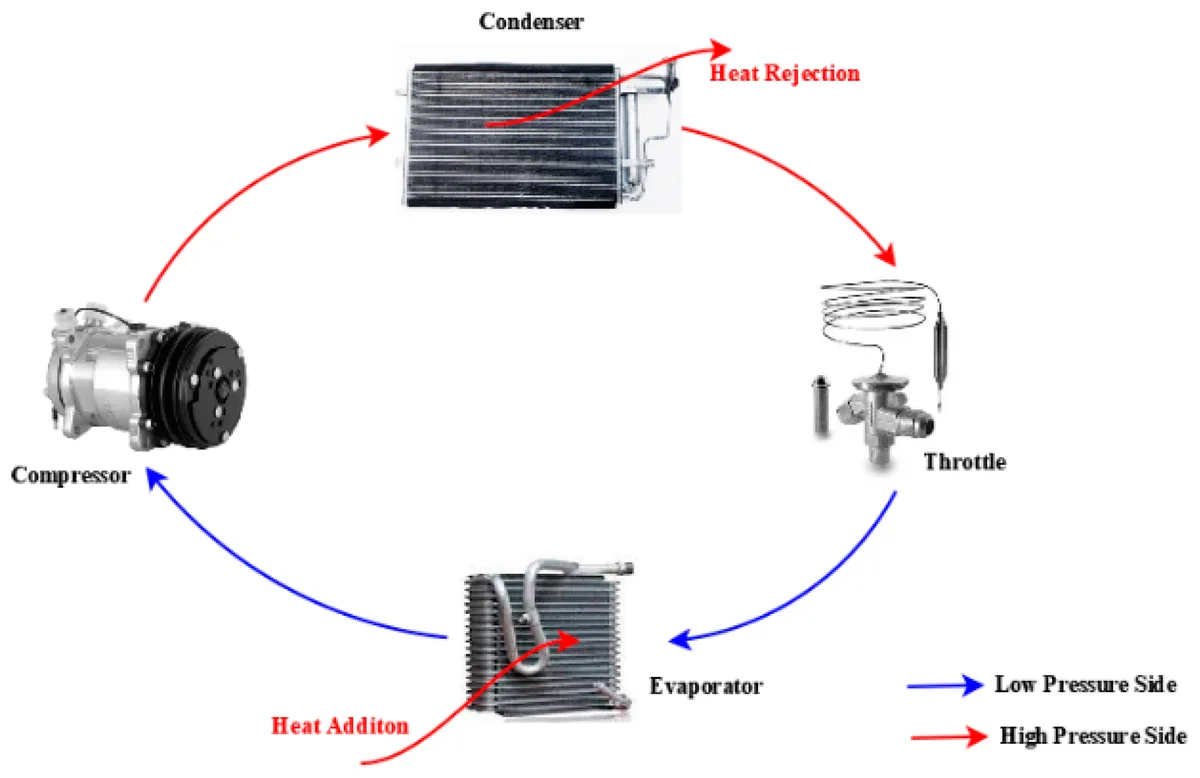
Image source: Bing (Web (fair-use with source credit))
Branch 1: Blowing Warm Air
If the venting warm air matches your case, check the touchscreen for a "Climate control requires service" warning. Then listen for the compressor when Max A/C is on. You should hear a soft hum from the front passenger area.
If you hear nothing, the compressor may not be receiving power. If you hear a whine that fades after a few seconds, refrigerant is likely low.
Low refrigerant always means a leak. A sealed system doesn't lose gas on its own, and the Model 3's loop is no exception. Have a certified tech pull the system into a vacuum and test for leaks.
Common leak points include the condenser and the refrigerant lines near the front bumper. On heat pump cars, the leak can also sit near the battery chiller, which is buried deeper in the cabin.
Branch 2: Weak or No Airflow
Weak airflow points straight to the cabin filter first. If you just replaced it, check the blower motor. Listen for a change as you cycle fan speeds.
No change suggests a failing blower or a clogged evaporator core. On humid days, ice can form on the evaporator and block airflow. Turn off the AC, run the heater for 10 minutes, and see if airflow returns.
If it does, the evaporator was icing over. That points to a stuck temperature sensor or low refrigerant.
Branch 3: Grinding, Clicking, or Buzzing
This is the most serious branch. A grinding compressor can shed metal debris into the refrigerant loop. If you keep running the AC, that debris can destroy the whole system.
Turn the climate off. Have the car towed to a shop that handles EV high-voltage systems. Some clicking noises on heat pump cars come from the thermal expansion valve, which is a smaller repair.
But grinding is always a stop-and-get-help sound. For similar noise patterns in conventional cars, our auto AC compressor noise guide explains the details.
Branch 4: Intermittent Cooling or Touchscreen Alerts
If cooling works and then dies after a few minutes, suspect a software glitch or a low 12V battery. The 12V battery runs the computer that controls the HVAC. Weak voltage causes all kinds of strange climate behavior.
Check the battery health in the service menu if you know how. If the battery is more than three years old, replace it before you replace expensive parts. Intermittent issues that never trigger an error code often trace back to that battery.
And remember, fading performance can also happen with a marginal refrigerant charge. The pattern looks a lot like what causes weak cooling in conventional cars.
DIY, Tesla Service, or an Independent Shop?
Now you know the likely cause. Who should fix it? That depends on what's broken and how comfortable you are with high-voltage systems.
Filter and condenser work is fair game. Refrigerant work and high-voltage components are where the line sits. EPA regulations require anyone who handles automotive refrigerants to hold Section 609 certification.
Refrigerant must be recovered and recycled, never vented into the air. You can review the rules in the EPA's mobile air conditioning program.
Here's how the options break down:
DIY: Best for filters, condenser cleaning, 12V battery swaps, and reboots. The high-voltage compressor stays sealed, so the risk stays low. You'll save on labor and learn your car in the process. Just know your limits.
If a repair requires opening the refrigerant loop, stop.
Tesla Service: Best for warranty repairs, compressor replacement, and firmware diagnostics. Tesla can run remote diagnostics and read thermal system codes. Some HVAC checks can even be done over the air before you book. Appointment times vary, but mobile service handles cabin filters and some under-dash parts at your driveway.
Independent EV shop: Best for out-of-warranty Model 3s with refrigerant leaks. Independent techs often charge lower labor rates than Tesla. Many also replace compressors for less. Make sure they know the heat pump loop on 2021 and newer cars.
Not every shop does.
| Option | Best for | Watch out |
|---|---|---|
| DIY | Inspection, filters, 12V battery, condenser cleaning | High-voltage work, refrigerant handling |
| Tesla Service | Warranty claims, compressor replacement, software diagnosis | Appointment delays, higher rates |
| Independent EV shop | Leak repair, out-of-warranty compressor work | Not all shops know the heat pump system |
The bottom line: if the repair involves opening the refrigerant loop, leave it to a certified tech. Sealed system work is not a beginner job. It protects both your wallet and your safety.
What a Repair Actually Costs
As of 2026, here's what you can expect to pay for common Model 3 AC repairs. These are rough ranges based on service invoices and owner feedback. Your actual quote will vary by region and shop.
| Repair | Typical Cost Range | Notes |
|---|---|---|
| Cabin air filter replacement | $30 to $90 | One of the cheapest fixes, often DIY-friendly |
| 12V battery replacement | $150 to $350 | Weak battery can make climate control act up |
| Refrigerant leak detection | $150 to $400 | Requires UV dye or electronic leak testing |
| Refrigerant leak repair | $400 to $1,500 | Depends on the failed line, fitting, or evaporator |
| Compressor replacement | $1,500 to $3,000 | Includes parts, labor, and refrigerant evacuation |
| Full thermal system repair | $2,500 to $4,000+ | Heat pump cars with severe debris in the loop |
Why the wide range on compressor replacement? The part alone runs roughly $800 to $1,500 depending on model year and supplier. The rest is labor, refrigerant recovery, and possible replacement of the receiver drier.
Heat pump cars can also need a new thermal expansion valve if debris reached the loop.
One thing to keep in mind. If a shop offers a cheap refrigerant "top up" without finding the leak, ask where the gas went. A properly sealed system doesn't lose refrigerant over time.
Topping it off is a temporary patch, and it can hide a much costlier problem.
For cars still under warranty, check Tesla's coverage before paying anything. Compressor failures on heat pump models sometimes tie into the battery thermal system, which may fall under the battery and drive unit warranty. Tesla's owner documentation explains the coverage in detail.
Mistakes That Make It Worse (And the Safety Stuff)
Some DIY moves turn a cheap fix into an expensive disaster. Here's what to avoid.
Never use AC stop leak products. They're marketed as quick fixes, but they can destroy the compressor and clog the thermal expansion valve. On a heat pump Model 3, that means a $4,000 repair. Skip them entirely.
Never open a high-voltage component. The Model 3's compressor runs on pack voltage, around 350 to 400 volts. That's not a 12V system. Touching the wrong terminal or cutting the wrong wire can cause serious injury.
If you're not certified for hybrid and EV high-voltage work, don't start.
Never vent refrigerant into the air. Releasing refrigerant is illegal under the Clean Air Act. It also damages the ozone layer. Recovery machines and certification exist for a reason.
Don't ignore a grinding compressor. We said it in the decision tree, and it deserves repeating. Debris from a failing compressor travels through the entire system. The longer you run it, the more parts you'll replace.
Don't blame the compressor too fast. Sometimes the real issue is a cheap sensor, a software bug, or that 12V battery. In our research, many owners paid for unnecessary diagnostics because they assumed the worst. Work through the branches first.
If you have a brake issue or a clutch concern at the same time, that's usually unrelated. But any weird combination of symptoms should be checked by a pro before you start ordering parts.
Frequently Asked Questions
Why is my Tesla Model 3 AC blowing hot air?
The most common causes are a blocked condenser, low refrigerant from a leak, or a compressor that won't engage. Check for debris on the front condenser and listen for compressor noise with Max A/C on. If you hear nothing, book a diagnostic.
Why does my Model 3 AC stop working after 10 minutes?
Intermittent cooling often points to a low refrigerant charge or ice forming on the evaporator. A weak 12V battery can also cause the HVAC computer to drop out. Replace the 12V battery if it's more than three years old.
How much does it cost to fix a Tesla Model 3 AC?
A cabin filter runs under $100. A refrigerant leak repair usually costs $400 to $1,500. Compressor replacement runs $1,500 to $3,000.
Heat pump repairs with debris damage can climb past $4,000. Warranty coverage may change your out-of-pocket cost.
Can I recharge my Tesla Model 3 AC myself?
Legally, no, unless you hold EPA Section 609 certification. The system also requires a vacuum pull and leak check to do the job right. A simple top-up can fail quickly and hide a bigger leak.
Leave it to a certified technician.
Does Tesla cover AC repairs under warranty?
It depends on the failure and your vehicle age. Compressor or heat pump failures tied to battery thermal management may fall under the battery and drive unit warranty. Check your warranty docs or contact Tesla with your VIN before paying for anything.
What does the "Climate control requires service" message mean?
That alert means the onboard diagnostics detected a fault in the thermal system. It could be a sensor, valve, compressor, or refrigerant issue. You can try a software reboot once, but if the message returns, schedule service.
This is one warning you shouldn't ignore.