The Honda CR-V offers a full suite of active and passive safety systems, plus advanced driver-assist technologies.
I’ve spent years testing and riding in compact SUVs, and the safety features of the Honda CR-V stand out for being practical, well-integrated, and easy to use. In this guide I’ll walk you through each system, explain how it works in real life, note limitations, and give tips so you can get the most protection from your CR-V.

49% off Today's Exclusive Deals
Limited-time Exclusive Deals. Check current discount on Amazon.
Check Price on Amazon As an Amazon Associate I earn from qualifying purchases.
Overview of the safety features of the Honda CR-V
The safety features of the Honda CR-V combine active systems, passive protection, and driver-assist tech. These aim to prevent crashes, protect occupants in a crash, and help parents and drivers manage everyday risks.
Key safety feature groups:
49% off Today's Exclusive Deals
Limited-time Exclusive Deals. Check current discount on Amazon.
Check Price on Amazon As an Amazon Associate I earn from qualifying purchases.- Active safety systems that help avoid a crash
- Driver-assist features under the Honda Sensing umbrella
- Passive protections like airbags and reinforced body structure
- Child-seat and occupant safety features
- Diagnostics and alerts that keep systems working as intended
I structure this article so you can jump to the parts you care about. Each section explains what the feature does, real-world benefits, and practical tips from my experience.
Active safety systems and basic protections
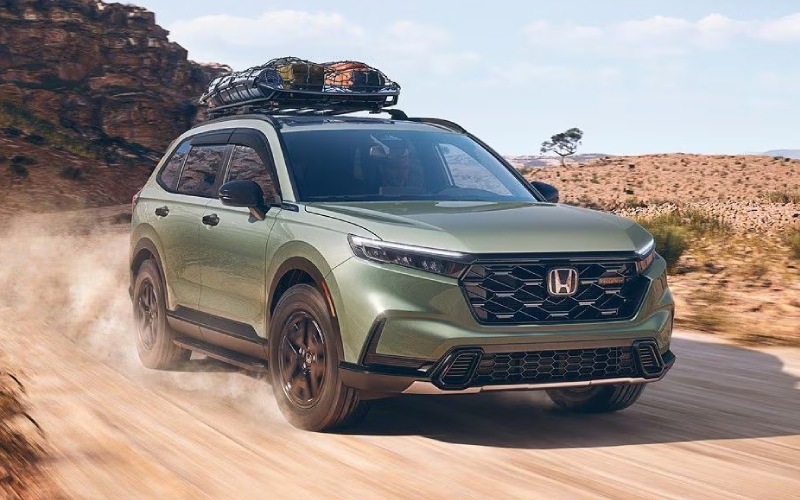
Active safety systems respond while you drive to reduce crash risk. The safety features of the Honda CR-V include reliable basics plus useful extras.
Common active systems:
49% off Today's Exclusive Deals
Limited-time Exclusive Deals. Check current discount on Amazon.
Check Price on Amazon As an Amazon Associate I earn from qualifying purchases.- Anti-lock Brake System (ABS) to prevent wheel lock during heavy braking
- Electronic Brake Distribution and Brake Assist to improve stopping power
- Vehicle Stability Assist (stability control) to keep the car tracking well in turns
- Traction Control to limit wheel spin in low grip
- Multi-angle rearview camera for better backing visibility
- Blind spot monitoring and rear cross-traffic alert on many trims
How these help in daily life:
- ABS and stability control make emergency maneuvers more predictable.
- Blind spot alerts reduce lane-change surprises on highways.
- The rear camera and cross-traffic alert make parking and reversing safer in crowded lots.
Practical tip: Keep the camera and sensors clean. Dirt or snow can block them and reduce safety.
Driver-assist: Honda Sensing and advanced features
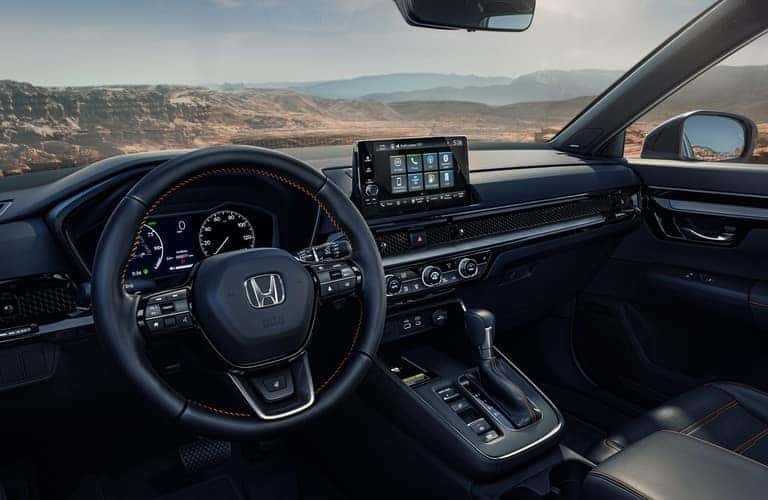
The Honda Sensing suite is central to the safety features of the Honda CR-V. It bundles smart driver aids into one package that works together to reduce collisions.
Typical Honda Sensing functions:
- Collision Mitigation Braking System (CMBS) with forward collision warning
- Road Departure Mitigation and Lane Departure Warning with Lane Keep Assist
- Adaptive Cruise Control with low-speed follow to reduce highway stress
- Traffic Sign Recognition and Auto High-Beam on select trims
- Lane Keeping Assist that nudges steering to help center the vehicle
How they perform in the real world:
- Adaptive cruise takes the fatigue out of long drives by holding distance.
- CMBS provides helpful warnings and can brake to avoid or reduce impact.
- Lane assist helps on long, monotonous drives but still needs driver attention.
Limitations and best use:
- These systems are driver aids, not replacements. Keep hands on the wheel.
- Performance drops in heavy rain, snow, fog, or when lane markings are faded.
- Software updates can improve behavior, so service updates matter.
Personal note: On a long highway test, adaptive cruise kept a steady gap and reduced my stress. But I still took over when traffic got erratic. Small interventions by the driver still matter.

Passive safety and crash protection
If a crash happens, the safety features of the Honda CR-V are designed to protect occupants. Honda builds in layered protection that absorbs energy and preserves cabin space.
Key passive protections:
- Advanced Compatibility Engineering (ACE) body structure to manage crash forces
- Front, side, and curtain airbags for multiple impact angles
- Front-seat active head restraints and three-point seat belts with pretensioners
- Rear seat anchors and tether points for child seats
- Tire Pressure Monitoring System (TPMS) to alert if pressure is low
Real benefits:
- The reinforced frame reduces intrusion into the passenger area.
- Multiple airbags reduce head and chest injuries in common crash types.
- Seatbelt pretensioners ensure the belt fits snugly at impact.
Limitations:
- No body design can prevent all injuries in high-speed or multi-impact crashes.
- Proper seat position and belt use remain critical to getting full protection.

Child safety, seating, and occupant care
Families often ask about the safety features of the Honda CR-V for kids. The CR-V is family-friendly and makes child-seat installation straightforward.
Child safety highlights:
- Lower Anchors and Tethers for Children (LATCH) in rear outboard seats
- Clear anchor locations and visible tether points to simplify installs
- Rear door child-safety locks and easy-to-reach seat belt anchors
- Roomy rear seat for forward- or rear-facing seats and boosters
Practical installation tips:
- Use the vehicle manual and seat instructions. Read both every time.
- If a seat wiggles too much, use the top tether in addition to lower anchors.
- Test installation by trying to move the seat base at the belt path — it should not move more than an inch.
From my experience, the CR-V’s wide rear seats make fitting two seats side-by-side easier than many rivals.

Crash-test ratings, reliability, and long-term safety
The safety features of the Honda CR-V are supported by consistent safety test results and real-world reliability.
What to know about ratings and reliability:
- Many CR-V model years earn strong ratings from safety testers and regulators.
- Crashworthiness and airbags are tested across multiple scenarios to validate protection.
- Honda’s build quality and post-sale support help safety systems age well with proper maintenance.
Ownership tip: Check safety recalls and software updates. If a recall affects braking, airbags, or driver-assist systems, get it fixed promptly.
Maintenance, real-world limits, and how to get the most from safety tech
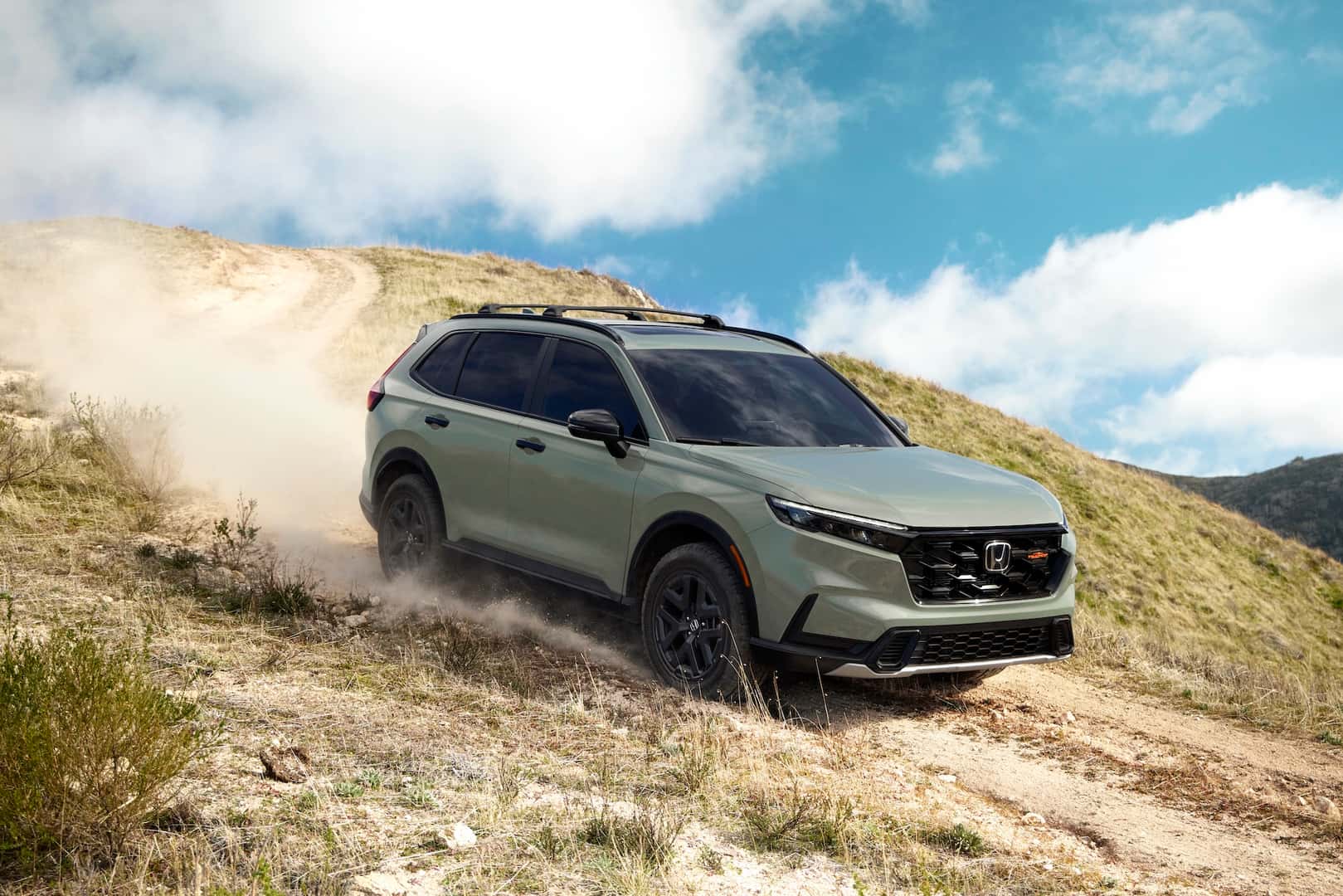
Safety tech must be maintained. The safety features of the Honda CR-V work best when the car receives routine care and the driver knows device limits.
Maintenance checklist:
- Keep sensors, cameras, and radar areas clean of dirt and ice.
- Replace worn tires and maintain correct tire pressure.
- Keep windshield wipers and the windshield in good shape for camera visibility.
- Follow recommended service schedules for brakes and suspension.
Limitations to remember:
- Driver-assist systems rely on sensors and cameras. They can’t see through heavy snow or dense fog.
- False positives and false negatives are rare but possible. Trust the system, but confirm visually.
- Not all trims include every feature; verify equipment when buying.
Personal tip: I clean the front bumper radar area after highway salt trips. Simple care prevents missed alerts and keeps the adaptive cruise reliable.
Frequently Asked Questions of What are the safety features of the Honda CR-V?
What is included in Honda Sensing on the CR-V?
Honda Sensing includes adaptive cruise control, lane keeping assist, collision mitigation braking, and road departure mitigation among other aids. Features vary by trim and model year, so check the spec list.
How many airbags does the CR-V have?
Typical CR-V configurations include front, front-side, and side-curtain airbags for front and rear occupants. Exact counts can vary by model year and trim.
Are the CR-V’s driver-assist systems fully autonomous?
No. The safety features of the Honda CR-V are driver-assist tools that help reduce risk but do not replace active driver control. Drivers must stay attentive.
Can a child car seat be installed easily in a CR-V?
Yes. The CR-V offers LATCH anchors and clear tether points that make installation straightforward. Using both the lower anchors and top tether usually creates a very secure fit.
How should I maintain sensors and cameras on the CR-V?
Clean camera and sensor areas regularly, especially after rain, snow, or road debris exposure. Check for software or recall updates at service intervals.
Conclusion
The safety features of the Honda CR-V blend active systems, driver-assist tech, and strong passive protection to reduce risk and protect riders. With routine care and proper use, these features deliver real benefits for families and daily drivers. Take one practical step today: check your trim’s Honda Sensing list and test the adaptive cruise and lane aids in a safe area so you know how they behave. If you found this helpful, subscribe for more car safety guides or leave a comment with your CR-V questions.