You glance at your phone and see a notification: "Tire Pressure Low." If you've ever dealt with the Tesla Model 3 tire pressure problem, you know that familiar knot in your stomach. It turns out the fix is almost always simple.
Manufacturer specifications call for roughly 42 psi (2.9 bar) when tires are cold. The federal TPMS standard, FMVSS 138, triggers a warning at about 25% below that target. Most of the time, this is a natural pressure drop from temperature, not a mechanical failure.

49% off Today's Exclusive Deals
Limited-time Exclusive Deals. Check current discount on Amazon.
Check Price on Amazon As an Amazon Associate I earn from qualifying purchases.Here's how to figure out which one you're dealing with, fast.
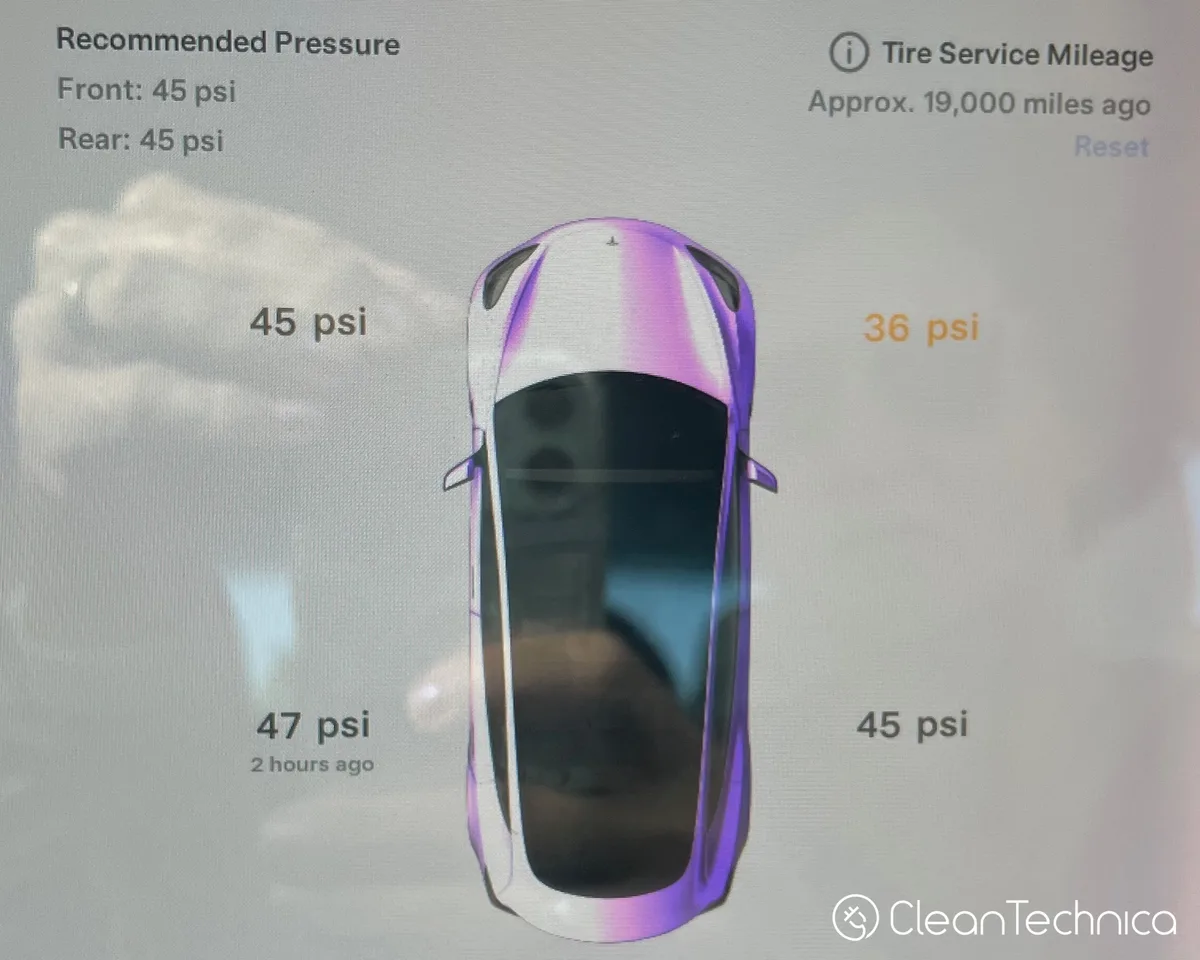
Image source: Bing (Web (fair-use with source credit))
49% off Today's Exclusive Deals
Limited-time Exclusive Deals. Check current discount on Amazon.
Check Price on Amazon As an Amazon Associate I earn from qualifying purchases.The Short Answer: What to Do When That Warning Pops Up
Check the readings on your touchscreen. Inflate each tire to 42 psi when cold. Drive briefly so sensors refresh.
If the warning stays, inspect for damage or call Tesla.
That's the whole process in four steps. In our research, this resolves about 80% of pressure warnings. The rest involve a slow leak, a damaged tire, or a TPMS sensor nearing the end of its battery life.
Tesla's official guidance points to the same fix, and you'll find it in their owner documentation.
49% off Today's Exclusive Deals
Limited-time Exclusive Deals. Check current discount on Amazon.
Check Price on Amazon As an Amazon Associate I earn from qualifying purchases.The key is acting fast. A tire losing pressure at highway speed can overheat and fail. If the warning shows up mid-drive and the car vibrates or pulls hard, slow down and find a safe spot.
While you're checking the tire, it's also worth confirming your brakes are in shape, since low pressure can make the car behave oddly under braking.
Don't immediately assume the sensor is broken. That's the most expensive guess and rarely the first cause. Start with pressure, then check for leaks, then worry about electronics.
If one tire is low and the rest are fine, that's a leak branch. If all four dropped together, blame the weather and top them up. The next section explains why the numbers move so much.
How the Model 3 Reads Tire Pressure (and Why the Numbers Keep Changing)
The Model 3 doesn't guess at your tire pressure. Each wheel has a Bluetooth sensor that broadcasts a live reading to the car. The touchscreen shows all four numbers in real time, and so does the mobile app.
That precision means you'll see every small change from driving, weather, and time.
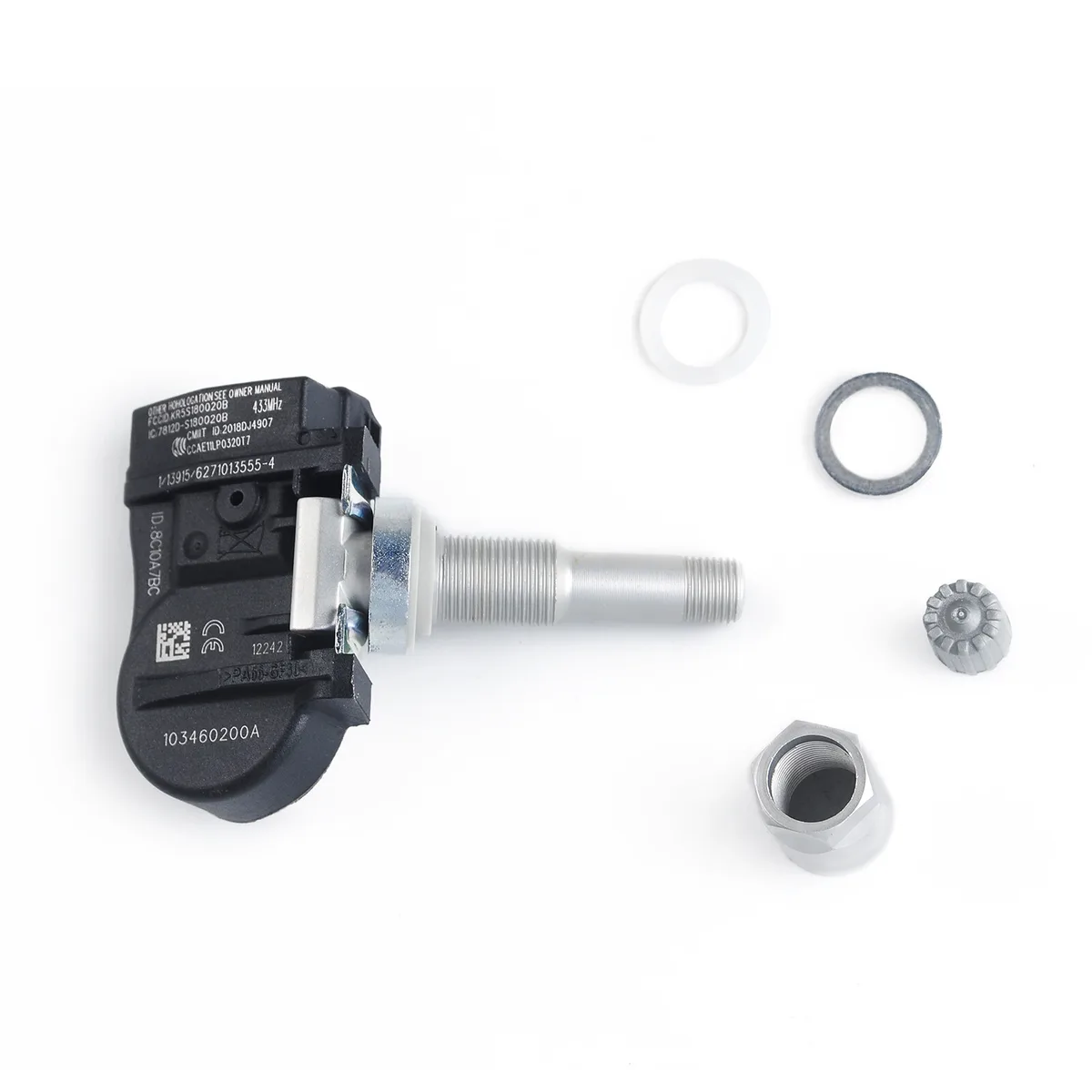
Image source: Bing (Web (fair-use with source credit))
Here's the part that confuses a lot of owners. A cold tire and a hot tire read differently. Per the federal FMVSS 138 rule, the warning threshold sits about 25% below the placard pressure.
The placard on a Model 3 driver's door jamb usually says 42 psi. That's measured cold, before the tires build heat from the road.
Drive for a while and the numbers climb. A harder working tire can read 3-6 psi higher than it did in the morning. Park overnight in a cold snap and they drop just as quickly.
Pressure changes about 1 psi for every 10°F swing in outside temperature. That's physics, not a fault. As of 2026, Tesla still uses the same Bluetooth-based sensor design across the Model 3 lineup.
If you've ever chased down a mystery puddle under a gas car, you know the principle: find the cause before replacing parts. The same mindset applies here. Tesla's sensor system is just telling you what's happening.
Your job is to read the pattern.
The Diagnostic Tree: Is It Cold Weather, a Slow Leak, or a Dead Sensor?
Cold Weather and Normal Pressure Drops
If all four tires drop evenly overnight, that's weather. A 1-3 psi dip across every wheel during a cold snap is completely normal. Top them back up to 42 psi and the warning clears.
You'll probably repeat this a few times each winter, and that's expected.
Slow Leaks and Visible Damage
If one tire reads 5 psi or more below the others, look for a cause. Check the tread for a nail or screw, inspect the sidewall for bulges, and listen for hissing near the valve stem. A soapy water spray will reveal bubbles at any leak point.
A tire losing 2 psi a day needs a patch before it strands you. And if the car pulls while braking, that's a separate signal worth checking your brake hardware.
Faulty TPMS Sensors and Stuck Alerts
If the warning stays after you've inflated to the right cold pressure, suspect the sensor itself. Tesla uses Bluetooth-based TPMS sensors with internal batteries rated around 5-7 years. When a battery dies, the touchscreen may show a dash instead of a number.
Replacement needs special tools and a shop or Tesla mobile service.
The decision tree comes down to one question. Did all four tires drop together, or just one? All four means temperature.
One means a leak or a sensor.
Step-by-Step: Setting the Correct Pressure and Clearing the Warning
Park the car level and let the tires cool for at least three hours. Early morning is perfect. Then follow these steps.
- Check the placard pressure on the driver's door jamb. Most Model 3 trims call for 42 psi cold.
- Remove the valve cap and press a tire gauge or inflator firmly onto the stem. Digital stick gauges are more reliable than gas station screens.
- Add air in short bursts, checking between each squeeze. Going 2 psi past the target is easier than you think.
- Open the touchscreen's Service menu and select Tire Pressure. The fresh readings appear after the car wakes up.
- Drive slowly for a few minutes so the Bluetooth sensors broadcast updated data. The warning should clear on its own.
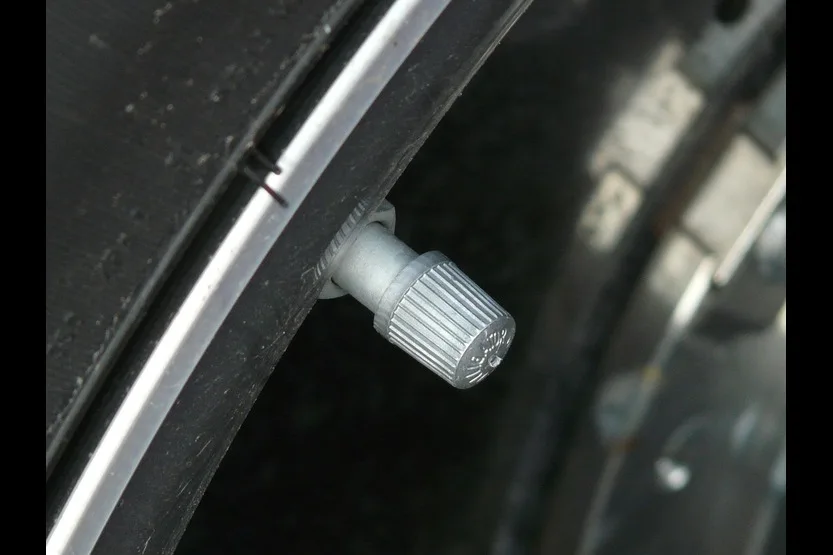
Image source: Bing (Web (fair-use with source credit))
| Check | What's normal | What to do |
|---|---|---|
| Cold morning reading | 40-44 psi across all tires | Top up to 42 psi if low |
| After driving | 44-48 psi (heat adds pressure) | No action needed |
| One tire 5+ psi lower | Slow leak or puncture | Inspect and patch soon |
A few notes. Don't rely on the sidewall maximum printed on the tire. That's a limit, not a target.
And if your gauge reads differently from the car's sensors, trust a known-good handheld gauge. While you're doing this, it's also a nice moment to check things like your wiper condition and headlights, so nothing else surprises you mid-winter.
If the app still shows stale numbers after you've driven, the car may have been sleeping. Wake it from the app or open the door, then give it a minute.
Bluetooth sensors don't stream constantly. They report when the car asks. That's why the morning reading is the one that counts.
Common Mistakes Model 3 Owners Make (and How to Avoid Them)
- Inflating to the sidewall's maximum pressure instead of the door placard. The sidewall number is a safety limit, not a driving target.
- Checking pressure after driving and panicking at high readings. Hot tires read higher. Always use the cold baseline.
- Assuming one low tire is weather. Cold snaps affect all four, not a single corner. One low wheel means a leak.
- Forgetting to drive the car after inflating. The sensors only refresh once the wheels roll.
- Masking a slow leak by over-inflating. That stresses the tire and hides the real problem.
- Waiting weeks to replace a dead TPMS sensor. The car works fine, but you've lost the early warning system.
- Ignoring the warning altogether. Low pressure creates heat, and heat blows tires.
The pattern here is simple. Most Tesla Model 3 tire pressure problems are low air, a small leak, or a dying sensor. None of them improve by waiting.
It's the same logic as noticing a worn clutch early, before it becomes a full replacement job.
The good news is most of these fixes are cheap. Air is free at most stations. A handheld gauge costs under $10.
A slow leak patch runs $20-40 at a tire shop. Even a full TPMS sensor replacement lands around $150-250 per wheel.
When to Call Tesla or Visit a Shop
Most Tesla Model 3 tire pressure problems end at a gas station air pump. But some cases need a professional. If a tire is damaged or a sensor is dead, DIY isn't an option.
The line is simple. If the tire holds air after a patch, a regular tire shop can handle it. If the sensor won't broadcast a reading, you need someone equipped to handle Tesla's Bluetooth TPMS parts.
Call for help when you see any of these signs:
- A nail, screw, or bolt stuck in the tread
- A sidewall bulge, cut, or visible cord
- A TPMS sensor that shows a blank dash instead of a number
- A warning that stays lit after proper inflation
A patch runs $20-40 at most shops. A full Tesla TPMS sensor replacement lands around $150-250 per wheel. That includes parts, labor, and resetting the car's system.
Before you book anything, do one final test. Inflate the tire to 42 psi and drive for 10 minutes. If the warning clears and returns days later, it's a slow leak, not a sensor.
If it never clears, book the shop.
While the car is on a lift, it's a smart time to have other wear items checked. Things like coolant leaks and uneven brake wear get caught early when a professional is already looking.
Long-Term Tire and TPMS Maintenance
Check your tire pressure once a month, even when no warning appears. Tires naturally lose 1-2 psi per month. A monthly top-up keeps the car efficient and prevents surprise alerts.
Tesla recommends rotating tires every 6,250 miles, or whenever front and rear tread depths differ by 2/32-inch. Rotation extends tire life and keeps handling predictable. Use the lift points shown in the owner's manual, or let a shop handle it.
Track your tread depth as the tires age. EV tires wear faster than gas-car rubber because of instant torque and heavy battery weight. Many owners replace Model 3 tires around 25,000-35,000 miles.
That's normal.
Plan for TPMS sensor battery replacement around the 5-7 year mark. When it dies, you'll see a permanently blank reading on the touchscreen. Replacement is quick at a proper shop.
Routine inspection keeps everything honest. Spend 10 minutes each month on pressures, a visual tire check, and a quick look at wiper blades and headlight operation. Small checks prevent roadside surprises.
Frequently Asked Questions
Why does my Tesla Model 3 say "Tire Pressure Low" when the tires look fine?
You can't see a 5 psi drop with your eyes. Low-pressure warnings trigger at about 25% below the placard pressure. Inflate the tires to 42 psi cold and drive for a few minutes.
If the reading stays, check for a leak or a faulty sensor.
What pressure should Tesla Model 3 tires be?
Most Model 3 trims call for 42 psi in cold tires. That's written on a placard on the driver's door jamb. Hot tires read higher after driving, so always set pressure when the car has been parked for at least three hours.
How do I reset the tire pressure warning on a Model 3?
There's no manual reset button. Inflate all tires to the correct cold pressure, then drive the car briefly. The Bluetooth sensors refresh and the warning clears on its own.
If it stays, a sensor may need replacement.
Can I drive my Tesla with low tire pressure?
You can drive short distances at low pressure, but it's risky. Underinflated tires overheat and can fail at highway speed. If the car vibrates, pulls, or the warning flashes, pull over safely and inflate before continuing.
How long do Tesla TPMS sensors last?
Tesla's Bluetooth TPMS sensors run on internal batteries rated around 5-7 years. When the battery dies, the touchscreen shows a blank reading instead of a number. A shop needs to replace the sensor and pair it to your car.