Your Tesla Model Y heater not working feels worse than a breakdown. The car drives fine, but you're shivering. You've probably tried the touchscreen, waited for warm air, and gotten a cryptic error.
The good news is that most causes are fixable without service.

49% off Today's Exclusive Deals
Limited-time Exclusive Deals. Check current discount on Amazon.
Check Price on Amazon As an Amazon Associate I earn from qualifying purchases.In our research, heater failures trace to software glitches, low coolant, a dead compressor, the octovalve, or a clogged cabin filter. Manufacturer specifications indicate the Model Y uses a heat pump. It produces roughly three times more heat per unit of energy than a resistive system.
As of 2026, thermal complaints have a known diagnostic routine, so let's walk through it.
49% off Today's Exclusive Deals
Limited-time Exclusive Deals. Check current discount on Amazon.
Check Price on Amazon As an Amazon Associate I earn from qualifying purchases.Image source: Bing (Web (fair-use with source credit))
No Heat in Your Model Y? Here's the Quick Answer
Tesla Model Y heater not working? The cause is usually software, heat pump, or coolant trouble. Check the climate screen for error messages first.
Then reboot the touchscreen using both scroll wheels for ten seconds. Wait two minutes and try heat again. If it still fails, match your exact symptom to the decision tree below.
Why Model Ys Feel Cold: Heat Pumps, Octovalves, and Coolant
Why does a Model Y feel cold faster than a gas car? Because its heater is a heat pump. A heat pump moves heat from outside air into the cabin, rather than burning fuel or using a glowing electric element.
49% off Today's Exclusive Deals
Limited-time Exclusive Deals. Check current discount on Amazon.
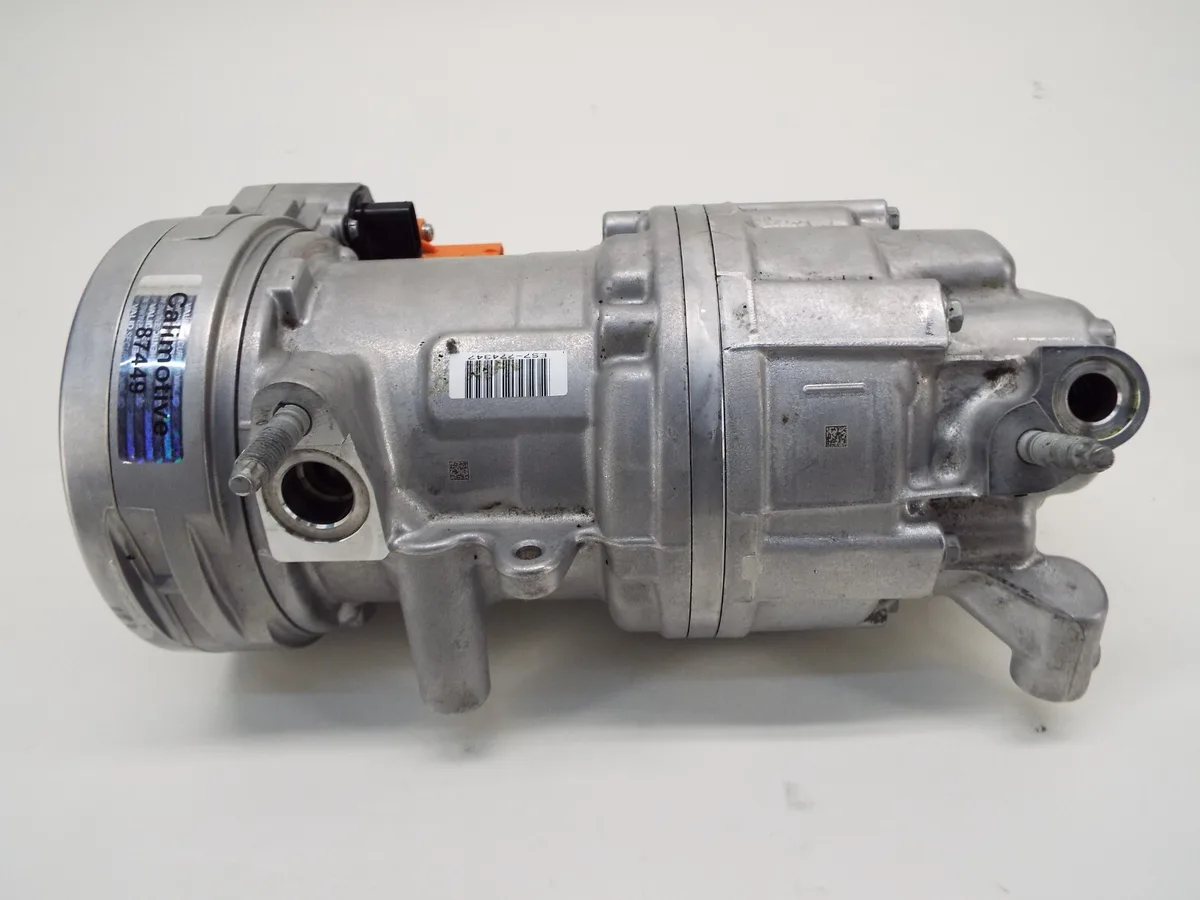
Check Price on Amazon As an Amazon Associate I earn from qualifying purchases.That makes it efficient, but it also gives you more parts that can fail. The heat pump assembly is the main unit, and it works alongside the octovalve, a valve that routes coolant to the battery, the cabin heater core, and the compressor.
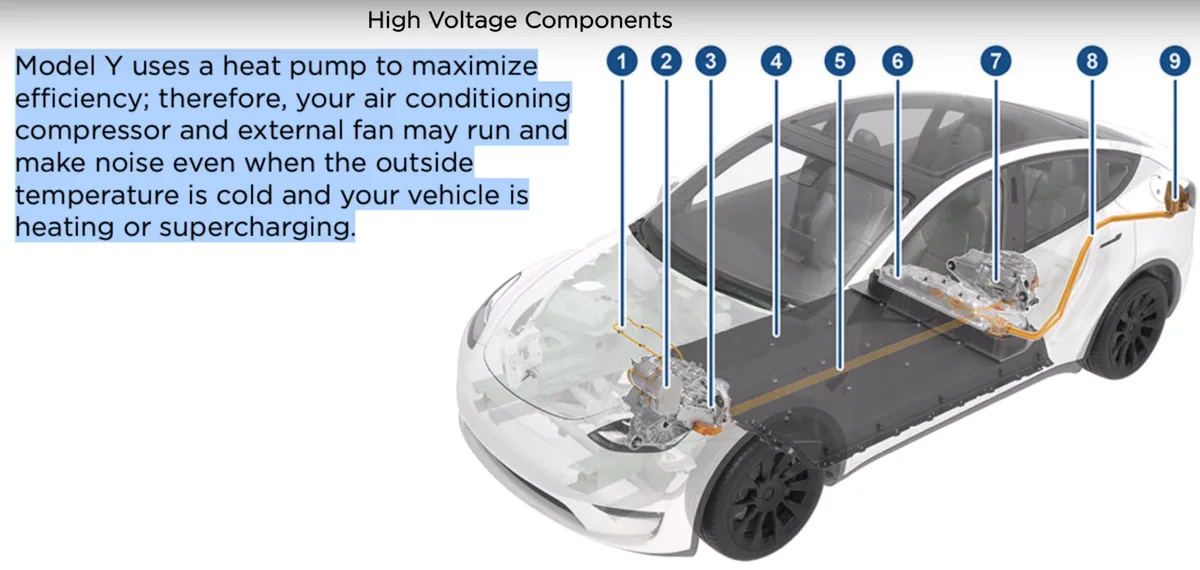
Image source: Bing (Web (fair-use with source credit))
National Renewable Energy Laboratory research confirms heat pump efficiency drops sharply below -10°C, so cold-climate owners feel failures first. A stuck octovalve can send heat to the battery instead of your feet. That's why you'll have ice on the windshield but a great battery temperature.
This is not like a traditional car heater repair, where a bad blower motor causes most issues. The pathway here is far more complex.
Match Your Symptoms: The Model Y Heater Decision Tree
Use your dominant symptom as the starting branch. Every branch has a different fix.
No Heat Anywhere
If the vents blow only cold, the compressor likely isn't engaging. First, check for a thermal fault in Service Mode. If none appears, try a full power cycle.
If heat still won't come back, the heat pump compressor or high-voltage coolant heater may need replacement. This is more involved than a simple AC issue that's blowing hot air.
Heat Only on One Side
If the driver vents are warm but the passenger vents are cold, the blend door actuator is the usual suspect. Go into Service Mode and run the actuator calibration test. If the test fails, the motor needs replacement.
It sits behind the dashboard, so this is a service-center job, not a driveway fix.
Weak or Lukewarm Air
A clogged cabin filter is the first cause to rule out. It strangles airflow, even when the heater is working. If airflow is strong but the air stays lukewarm, check the compressor RPM in Service Mode.
During heating, you should see 4000 to 8000 RPM. Lower readings point to a failing compressor or low refrigerant.
Heat Stops After a Software Update
Software updates can leave the thermal controller in a suspended state. Reboot the touchscreen, then disable Sentry Mode and let the car sleep for five minutes. If heat returns, reinstall the same software version.
That often clears the control logic without any hardware work.
Clicking, Grinding, or Pulsating Noise
A few clicks at startup are normal refrigerant expansion. Continuous grinding is not. It usually means the compressor bearing is failing, and the compressor needs replacement.
This sounds like a regular AC compressor noise problem, but the repair is more involved because the heat pump shares lines with the battery cooling loop.
Five Fixes to Try Before You Book Service
Run through these in order. Each one resolves a different failure branch.
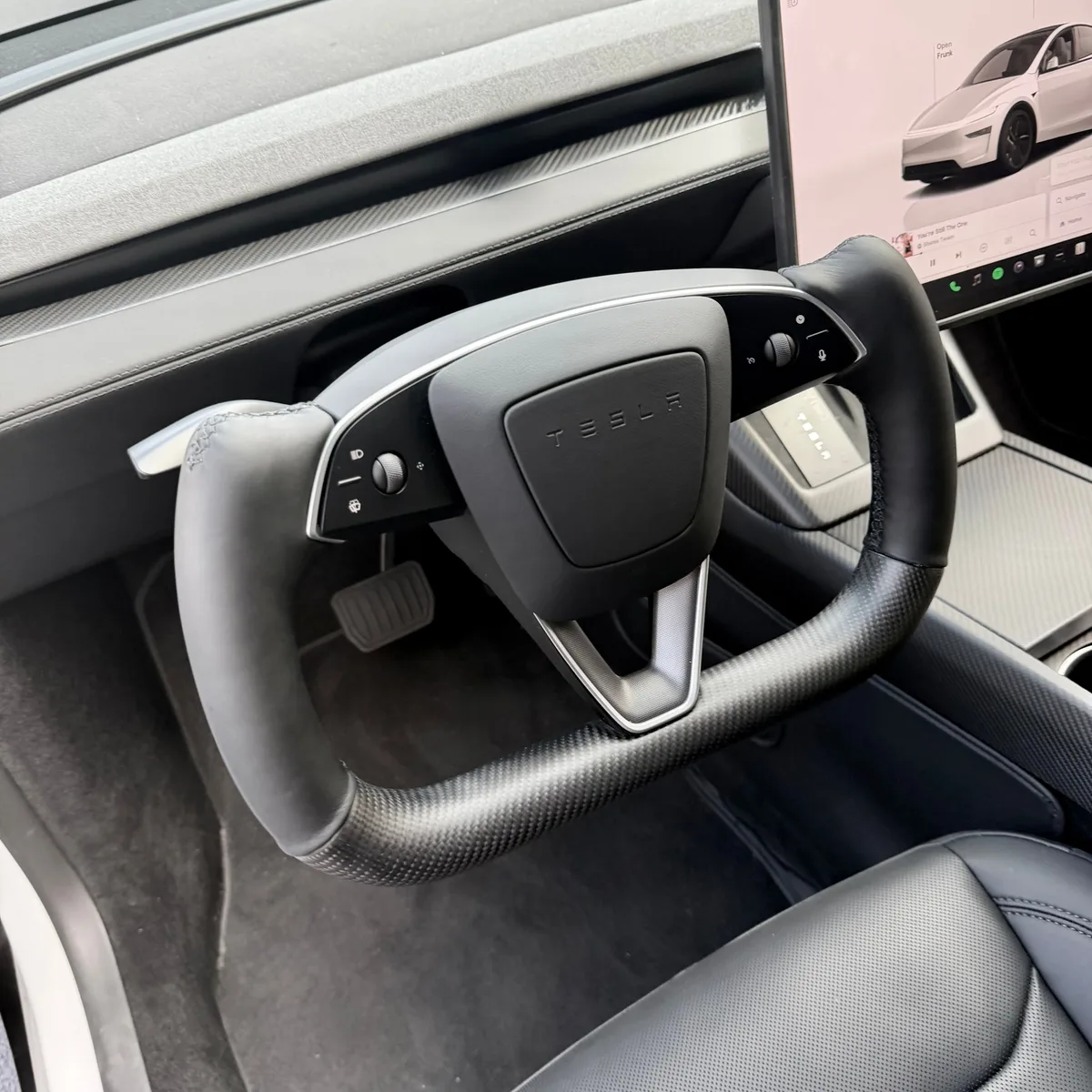
Image source: Bing (Web (fair-use with source credit))
- Reboot the touchscreen. Hold both scroll wheels until the Tesla logo appears. Wait two minutes. This clears sensor and display glitches.
- Power-cycle the car. Go to Controls > Safety > Power Off. Wait five minutes before waking the car. It resets the thermal control module.
- Install pending software. Check Controls > Software. Outdated firmware can disable the heat pump's control loop.
- Check coolant level. Open the frunk and inspect the reservoir. The level should be between Min and Max when cold. If it's low, fix the leak before topping off. A leaking system will just eat the new fluid.
- Replace the cabin air filter. This won't fix a dead heat pump, but it fixes weak airflow after months of use. Follow the Tesla owner's manual for the filter location.
Read the Service Mode Thermal Menu Like a Tech
Service Mode is the hidden diagnostic screen Tesla service centers use. You can open it yourself. Go to Controls > Software, then hold your finger on the "Model Y" text for ten seconds.
The Service Mode icon appears. Tap it, then accept the warning. Some safety systems switch off while it's active.
In the Thermal menu, look for three numbers:
- Compressor RPM. It should climb to 4000 to 8000 RPM when you turn on the heater.
- Coolant temperature. It should rise above 30°C within a few minutes.
- Actuator test result. Tap Run Test for each valve and look for "Pass" or "Not Responding."
A "Not Responding" result means a stuck valve. A low RPM reading means compressor trouble. A coolant temp that never rises indicates a blocked loop or a dead coolant heater.
Screenshot these values before leaving Service Mode, because they save time at the shop. If you see a fan error here, it's the same kind of issue as a blower fan not turning in any vehicle.
Mistakes That Turn a Small Fix Into a Big Bill
The biggest mistake is skipping the diagnostic steps and jumping to part replacement. If you're used to conventional car heating, this system looks deceptively simple. Replacing a heat pump when the real fault is a stuck octovalve is a multi-thousand-dollar error.
The second mistake is opening the coolant reservoir while the system is hot. Pressurized coolant can spray out and cause a serious burn. Wait at least an hour after the car has been parked.
Then check the level by turning the cap slowly.
Here's what else causes avoidable damage:
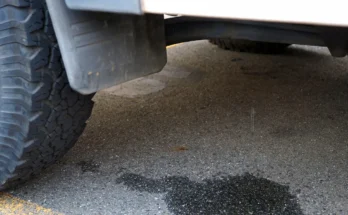
- Ignoring a slow coolant drop. Coolant levels don't fall on their own. It drains from somewhere, so find the leak before it ruins another component.
- Clearing errors and driving on. Clearing the code doesn't fix the physical fault. It will come back, usually at the worst possible time.
- Touching orange high-voltage cables. Those carry enough current to kill you. That's not a DIY repair.
Low temperatures force the compressor to work harder. That's why failing pumps usually die in winter, and why fixing the root cause matters more than swapping the loudest part.
FAQs: Model Y Heater Problems
Why is my Model Y heater blowing cold air?
The most common causes are a heat pump that isn't engaging, low coolant, or the octovalve stuck in battery-heating mode. Begin with a reboot and a Service Mode thermal test. If the compressor RPM stays near zero, the compressor unit likely needs replacement.
What does "cabin heater unavailable" mean?
This error means the thermal controller detected a fault in the heating circuit. It often appears alongside low coolant, a failed coolant heater, or a compressor communication error. Pull the exact codes from Service Mode before booking service.
A reboot clears some of these faults permanently.
Does the Model Y have a traditional gas-car heater?
No. The Model Y uses a heat pump plus a high-voltage coolant heater for backup. It's closer to an air conditioner running in reverse.
The heat pump moves heat from outside air into the cabin. That's why it stops working when a sensor, valve, or compressor misbehaves.
Can a software update fix Tesla heater problems?
Yes, sometimes. Tesla's over-the-air updates have repeatedly fixed climate-control bugs. That's especially true when the error appears without any mechanical fault.
Install pending updates, reboot, and retest. If the heat lasts for several days, software was the culprit.
Final Decision Guide: DIY, Mobile Service, or Service Center
| Option | Best For | Approximate Cost | Typical Wait |
|---|---|---|---|
| DIY | Stuck actuator test, cabin filter, software reboot | $0-$200 | 30 minutes to 2 hours |
| Mobile Service | Coolant top-up, some sensor repairs, filter work | $200-$800 | 1-3 days for appointment |
| Service Center | Compressor, octovalve, or major coolant loop replacement | $1,500-$4,000 | 1-3 weeks in winter |
Here's how to choose. If your heat returns after a reboot, start with DIY. If Service Mode shows a low coolant code and no visible puddle, mobile service is a good middle ground.
If the compressor won't spin or the octovalve fails its test, book the service center.
One more reality check. If your Model Y is still under the basic vehicle limited warranty, heater faults are covered. That means the repair costs nothing.
Check your warranty status before paying anything out of pocket.