A Kia Sportage door lock problem usually shows up as one door refusing to lock or unlock with the fob, a frustrating click with no movement, or the entire central locking system going silent. Across all Sportage generations, from the older JM models to the latest NQ5, the power door lock system shares a similar architecture. That means the root cause narrows down to a handful of predictable culprits.
Aggregate repair data shows the door lock actuator fails more often than any other component in the system. Kia Technical Service Bulletins have addressed actuator-related concerns on multiple model years. If your Sportage is experiencing this issue, you're in good company, and the fix is usually straightforward once you know where to start.

49% off Today's Exclusive Deals
Limited-time Exclusive Deals. Check current discount on Amazon.
Check Price on Amazon As an Amazon Associate I earn from qualifying purchases.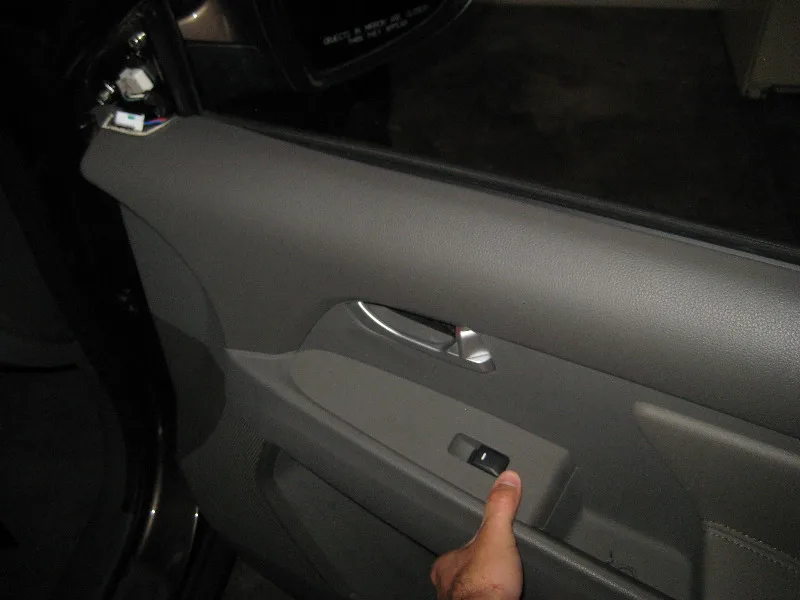
Image source: Bing (Web (fair-use with source credit))
Quick Answer: The Most Likely Culprit and the First Thing to Check
The number one cause of a Kia Sportage door lock problem is a failed door lock actuator. This small electric motor sits inside the door panel and physically moves the lock mechanism.
49% off Today's Exclusive Deals
Limited-time Exclusive Deals. Check current discount on Amazon.
Check Price on Amazon As an Amazon Associate I earn from qualifying purchases.Here's the good news. Before you spend money on parts, check two free things first. Replace your key fob battery (a CR2032 cell costs about $5).
Then check the lock circuit fuse in your fuse box.
If both of those check out and one specific door still won't respond, the actuator on that door is the likely failure point. If all doors stop working at once, suspect the central locking relay or the body control module instead.
How the Power Door Lock System Actually Works
Understanding what's happening inside your Sportage's doors makes the diagnosis much easier. The system has four main layers working together.
49% off Today's Exclusive Deals
Limited-time Exclusive Deals. Check current discount on Amazon.
Check Price on Amazon As an Amazon Associate I earn from qualifying purchases.The key fob or smart key sends a wireless signal to the receiver module. On newer Sportage models with push-button start, the smart key communicates via a low-frequency antenna embedded in the door handle.
The body control module (BCM) receives that signal and decides what to do. It sends an electrical command through the wiring harness to the appropriate lock actuators. The BCM also processes inputs from the interior door lock switches and the physical key cylinder.
The wiring harness carries the signal from the BCM through the door boot, a rubber grommet where the harness passes from the car body into the door. This is a common failure point. The wires flex every time the door opens and closes.
Over years of use, they fatigue and break internally.
The door lock actuator is the final piece. It contains a small DC motor and a gear mechanism. When it receives the electrical signal, the motor drives the gears to move the lock rod.
This physically locks or unlocks the door.
Where Each Component Lives
| Component | Location |
|---|---|
| Key fob / smart key | On your keychain or in your pocket |
| BCM | Behind the dashboard, typically driver's side |
| Door boot wiring | Between the door hinge area and the car body |
| Door lock actuator | Inside the door panel, attached to the lock mechanism |
| Interior lock switch | On the door panel armrest |
| Lock circuit fuse | Cabin fuse box (driver's side dash) or engine bay fuse box |
The critical thing to know is this. Each door has its own actuator, but they all share the same BCM and central wiring. If one door fails, the actuator on that door is the prime suspect.
If every door fails simultaneously, the problem sits upstream in the BCM, the central relay, or a shared fuse.
For owners of other Kia and Hyundai SUVs, this architecture is very similar across the platform. The Hyundai Tucson door lock problem follows the same diagnostic logic for the same reasons.
Step-by-Step Diagnostic Workflow: From Simple Fix to Full Repair
This is where the decision tree kicks in. Follow these steps in order. Each one costs less than the next, so you avoid replacing expensive parts unnecessarily.
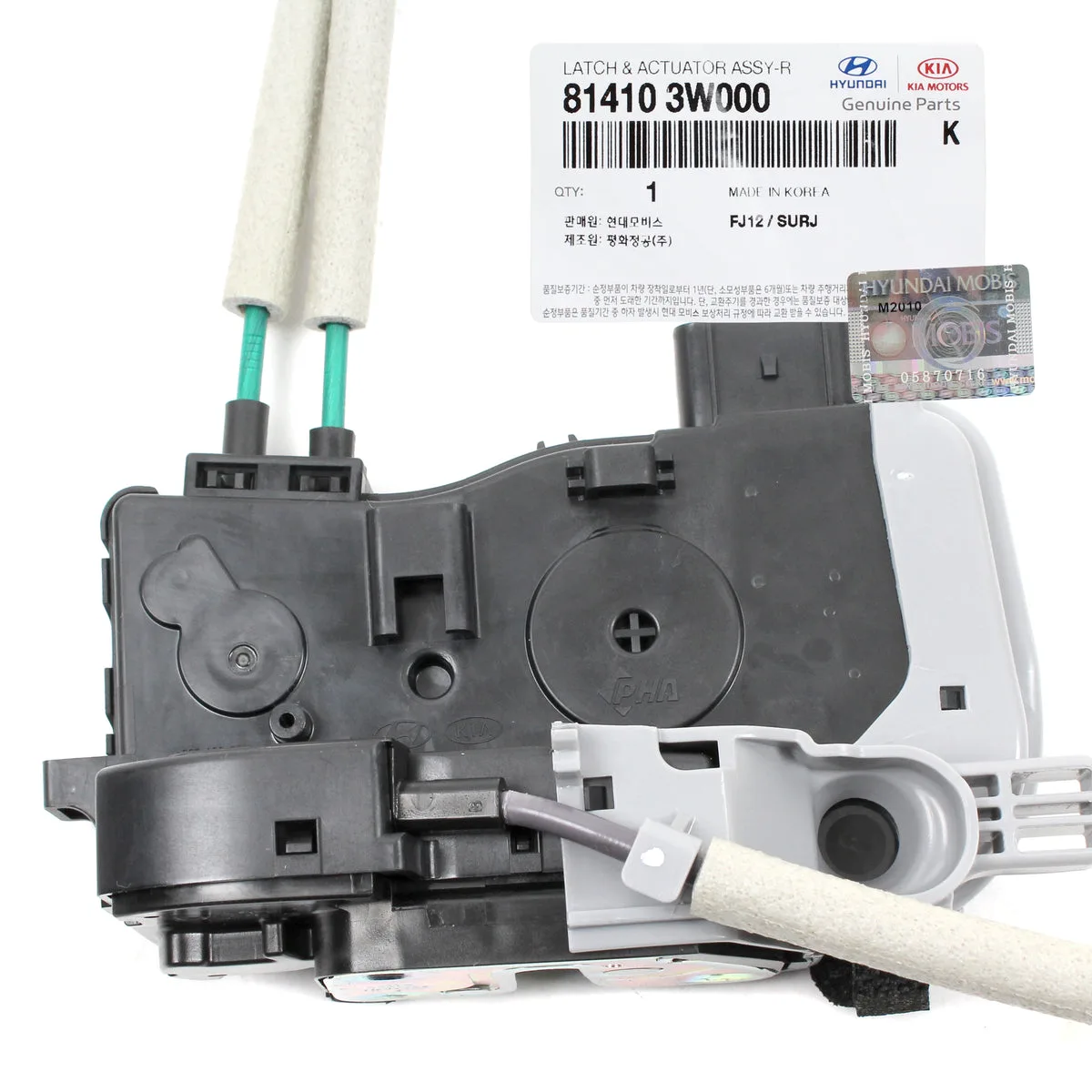
Image source: Bing (Web (fair-use with source credit))
Step 1: Test the Key Fob Battery
Start here because it's free and fast. Press any button on your fob. If the LED on the fob doesn't light up, or if the range has dropped dramatically, the CR2032 battery is likely dead.
Pop in a new one and test the locks again.
If your fob works from close range but not from a distance, battery voltage is low but not dead. Replace it anyway. A weak battery can produce partial signals that confuse the BCM.
Step 2: Use the Spare Fob
If you have a second key fob, test it. If the spare works fine, your primary fob has an internal issue or needs reprogramming. If the spare also fails, the problem is in the car, not the fob.
If your key fob isn't working at all, that article covers re-syncing procedures that apply to similar Kia and Hyundai platforms.
Step 3: Check the Lock Circuit Fuse
Open your fuse box. The cabin fuse box on most Sportage models sits behind a panel on the driver's side lower dash. Look for the fuse labeled "DOOR LOCK" or "Central Lock" using the diagram on the fuse box cover.
Pull the fuse and inspect it. A blown fuse has a broken metal strip inside. Replace it with the same amperage rating.
If the new fuse blows immediately, you have a short circuit in the wiring.
Step 4: Test with the Mechanical Key
Use the physical key blade hidden inside your fob to lock and unlock the driver's door manually. If the mechanical key works but the power system doesn't, the lock cylinder and linkage are fine. The problem is electrical.
Step 5: Test Each Door Independently
Use the interior door lock switch on each door. If one door doesn't respond but all others do, that door's actuator has failed. If no door responds to the interior switch, suspect the central lock switch, the BCM, or the shared relay.
Step 6: Inspect the Door Boot Wiring
Open the problematic door and look at the rubber boot between the door and the body. Pull it back gently. Look for wires that are cracked, frayed, or broken completely.
This is extremely common on Sportage models with higher mileage. Wires break from repeated flexing.
If you find a broken wire, splicing in a new section of wire with proper solder and heat-shrink tubing fixes it permanently.
Step 7: Check for Diagnostic Trouble Codes
Connect an OBD-II scanner to the diagnostic port under the dash. Look for body-related codes. Kia-specific scanners or the GDS/KDS diagnostic platform can access BCM codes that generic scanners miss.
Codes like B1346 or B1602 point to specific circuit faults within the locking system.
If you're dealing with other dashboard warnings alongside the lock issue, a check engine light can sometimes indicate related electrical faults worth investigating.
What It'll Cost: A Realistic Breakdown for DIY vs. Shop
Knowing the numbers helps you decide whether to tackle this yourself or hand it to a professional. Costs vary based on your Sportage generation and your local labor rates.
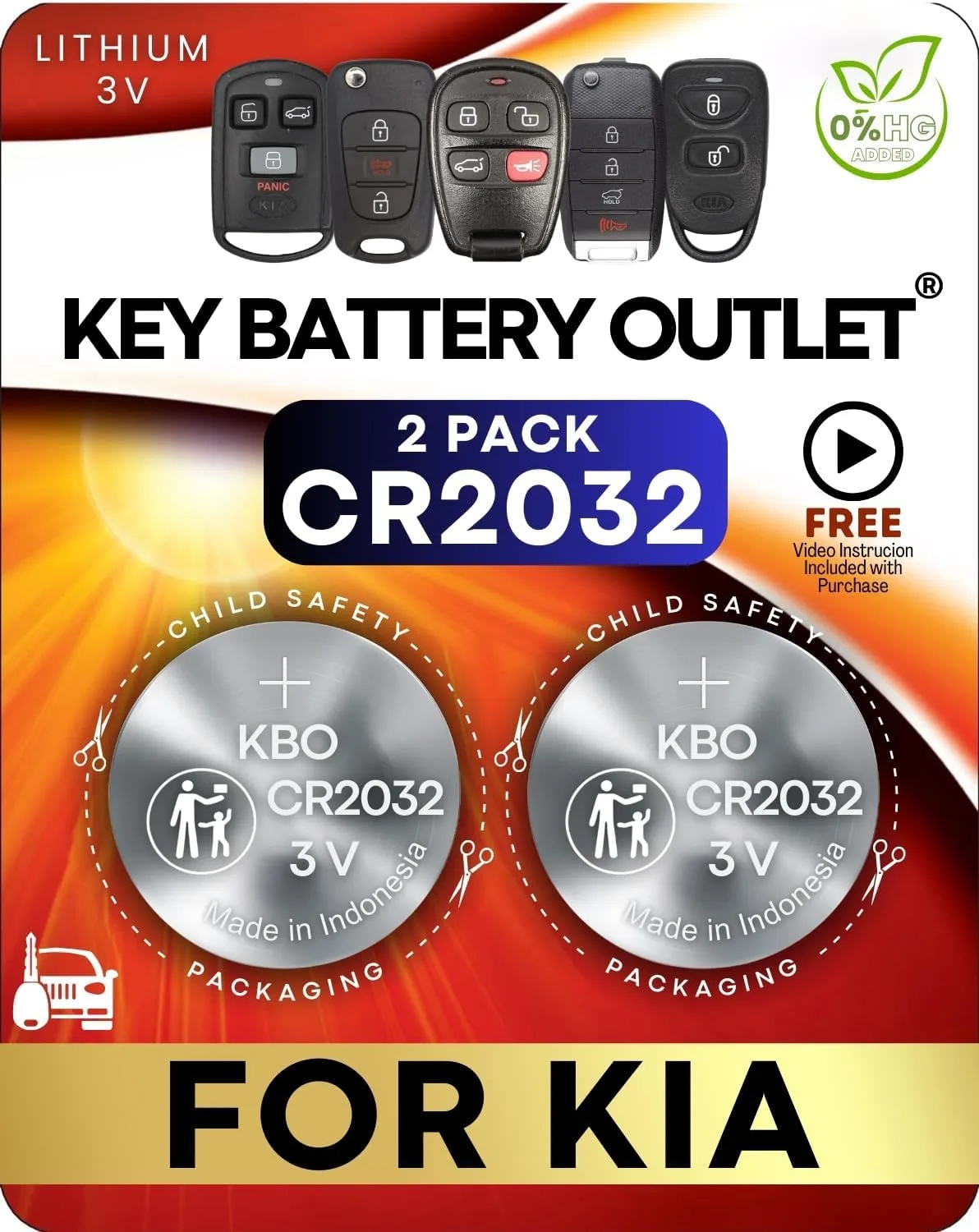
Image source: Bing (Web (fair-use with source credit))
DIY Repair Costs
| Repair | Parts Cost | Tools Needed |
|---|---|---|
| Key fob battery replacement | $3 to $8 | Small flathead screwdriver |
| Fuse replacement | $1 to $5 | Fuse puller (usually in fuse box) |
| Door boot wire repair | $5 to $15 in materials | Soldering iron, heat-shrink tubing, wire strippers |
| Door lock actuator replacement (aftermarket) | $25 to $80 | Trim removal tools, socket set, Phillips screwdriver |
The actuator replacement is the most involved DIY job. Budget about one to two hours per door. The process involves removing the door panel (held by plastic clips and a few screws), disconnecting the electrical connector, unclipping the actuator from the lock rod, and swapping in the new unit.
Shop Repair Costs
| Repair | Dealer Cost | Independent Shop Cost |
|---|---|---|
| Diagnostic fee | $100 to $175 | $50 to $100 |
| Actuator replacement (one door) | $250 to $500 | $150 to $350 |
| BCM programming / replacement | $400 to $900+ | $300 to $700 |
| Wiring harness repair | $150 to $300 | $100 to $200 |
As of 2026, aftermarket actuator quality has improved significantly. Brands like Dorman and A-Premium produce units that match OEM fitment on most Sportage generations. For vehicles past the factory warranty, an aftermarket actuator is a sensible choice.
For newer Sportages still under warranty, use OEM parts through the dealer to avoid warranty complications.
When DIY Makes Sense vs. When a Shop Is Smarter
If your issue is a dead fob battery, a blown fuse, or a broken wire in the door boot, handle it yourself. These are simple, low-risk fixes.
If the actuator needs replacement and you're comfortable removing a door panel, you'll save $100 to $270 doing it yourself. But if your Sportage has a smart key system with door-handle touch sensors, the door panel houses antenna wiring. A shop with Kia diagnostic tools can recalibrate things properly.
If the BCM is at fault, go to the dealer. BCM replacement often requires Kia-specific programming software that independent shops don't have. For electrical gremlins beyond simple component swaps, an experienced battery and electrical diagnostic can help you trace intermittent power issues that mimic lock failures.