If you've ever felt your Jeep Wrangler transmission problem turn a sunny trail day into a roadside headache, you're not alone. A slipping gear, a hard shift, or a shudder on the highway can feel like the start of a very expensive story.
But here's the thing: not every transmission issue is a rebuild. As of 2026, the Wrangler has used four very different transmissions across its TJ, JK, and JL generations. Each one has its own quirks, failures, and simple fixes.

49% off Today's Exclusive Deals
Limited-time Exclusive Deals. Check current discount on Amazon.
Check Price on Amazon As an Amazon Associate I earn from qualifying purchases.The diagnosis starts with knowing exactly which unit is bolted under your Jeep, then following a clear decision path. That's exactly what we'll walk through.
Quick Answer
A Jeep Wrangler transmission problem usually comes from five things: low fluid, a bad solenoid, a worn torque converter, a clutch failure, or a dying control module. Start by identifying the transmission, checking fluid and codes, and test driving. Many issues cost under $500 to fix.
Full rebuilds run $2,500 to $4,500.
49% off Today's Exclusive Deals
Limited-time Exclusive Deals. Check current discount on Amazon.
Check Price on Amazon As an Amazon Associate I earn from qualifying purchases.First, Identify Your Wrangler's Transmission: 42RLE, 32RH, NSG370, or 850RE
You can't fix what you don't know. The Wrangler has used a handful of very different transmissions over the years, and each one fails differently. Skip this step and you'll waste time and money chasing the wrong problem.
Here's a quick cheat sheet:
- 1997, 2002 TJ: 32RH 3-speed automatic or AX-15/AX-5 manual (depending on engine)
- 2003, 2006 TJ: 42RLE 4-speed automatic or NSG370 6-speed manual
- 2007, 2011 JK: 42RLE 4-speed automatic or NSG370 6-speed manual
- 2012, 2018 JK: W5A580 5-speed automatic or Aisin AL6 6-speed manual
- 2018+ JL: 850RE 8-speed automatic or Aisin manual
The 42RLE is famous for torque converter shudder. The NSG370 is known for grinding and popping out of 3rd gear. The 850RE is far more reliable, but it's still not immune to solenoid issues.
Check your owner's manual or look for the transmission code on the door jamb sticker. The gear selector pattern also gives it away. A 3-speed with 4WD is almost certainly a 32RH.
49% off Today's Exclusive Deals
Limited-time Exclusive Deals. Check current discount on Amazon.
Check Price on Amazon As an Amazon Associate I earn from qualifying purchases.A 4-speed with overdrive is a 42RLE.
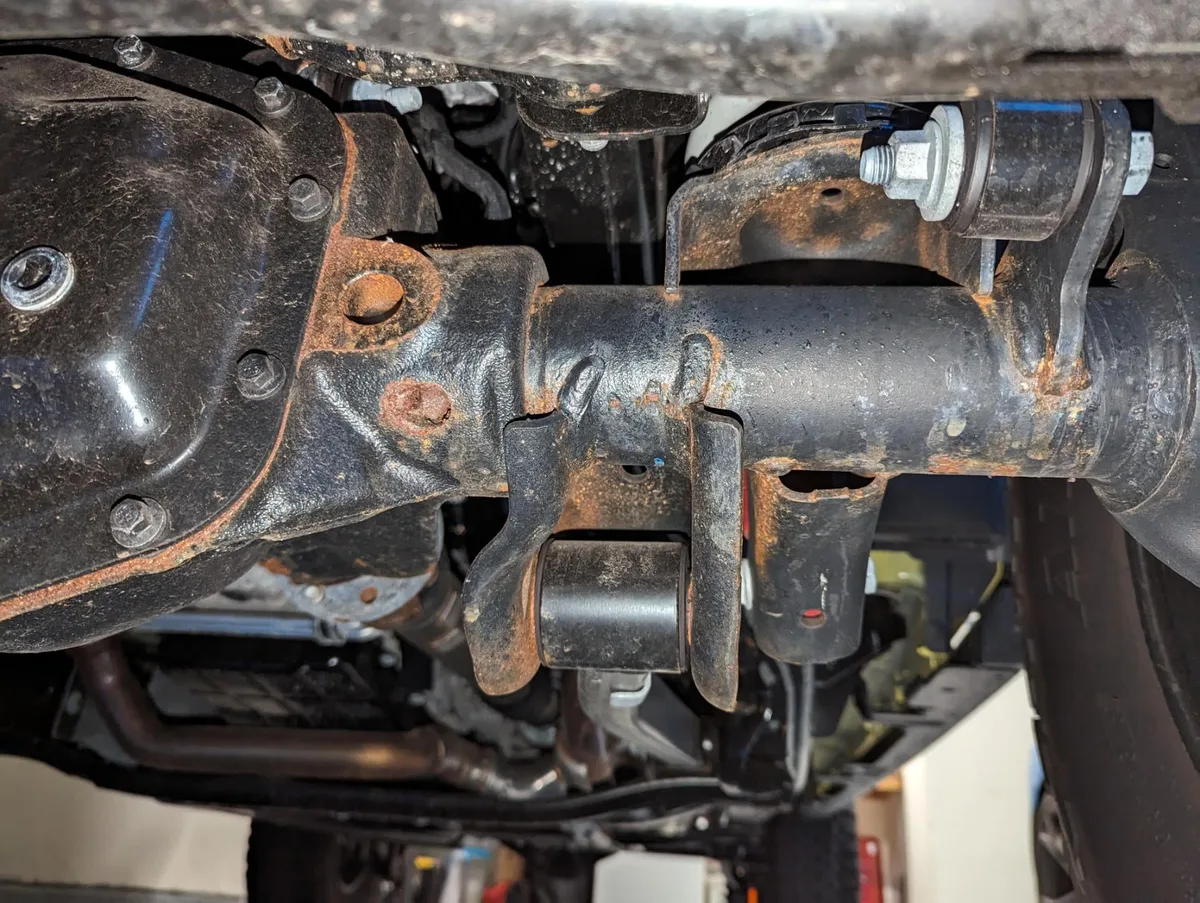
Image source: Bing (Web (fair-use with source credit))
Once you know the unit, you know what to expect. An 850RE failure is rare. A 42RLE shudder is common.
The fix path depends entirely on the transmission type and the symptom.
Symptom Check: What Your Wrangler Is Trying To Tell You
Transmission problems don't announce themselves politely. They grumble. They jerk.
They hesitate. Here's what each symptom usually points toward.
Automatic Transmission Symptoms
- Shudder at highway speed (45, 55 mph): This is almost always the torque converter not locking up properly. Common on 42RLE units.
- Hard or delayed shifts: Check the solenoid pack and valve body first. A simple electrical issue, not a mechanical one.
- Slipping when accelerating: Could be low fluid, worn clutch packs inside the transmission, or a failing torque converter.
- Burning smell: Burnt fluid. The transmission has overheated at some point, and the friction material is done.
- Limp mode with check engine light: The TCM has thrown a code and shut down shift commands. Common codes include P0700, P0715, P0730.
Manual Transmission Symptoms
- Grinding when shifting into a gear: Worn synchronizers or a clutch that's not fully disengaging.
- Popping out of 3rd gear: This is a known NSG370 weakness. The shift fork or detent wears out.
- Clutch pedal feels soft or spongy: Often a hydraulic system issue, not the transmission itself.
- Clutch pedal feels hard or grabs suddenly: A worn pressure plate or a hydraulic system problem.
If your clutch pedal feels off, that's a related but separate problem. A soft pedal could mean air in the hydraulic line. A hard pedal might point to a failing pressure plate.
Both deserve attention before they damage the transmission.
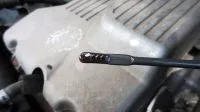
Image source: Bing (Web (fair-use with source credit))
The 20-Minute Diagnosis: Fluid, Codes, and a Test Drive
Don't panic yet. A structured diagnosis takes about 20 minutes and requires almost no special tools. Here's the workflow.
Step 1: Check the Fluid
Park on level ground. Warm the engine to operating temperature. With the engine idling, pull the dipstick.
- Fluid should be bright red or slightly dark. Burnt brown or black means overheating.
- Rub a drop between your fingers. It should feel slick, not gritty.
- Keep the level between the "ADD" and "FULL" marks. Low fluid causes slipping and hard shifts.
If the fluid is low but clean: top it off with the correct type. For the 42RLE, that's ATF+4. Do not mix fluids.
If the level drops again quickly, you have a leak in the cooler lines or pan gasket.
Step 2: Scan for Codes
Plug an OBD-II scan tool into the port under the dash. Read both engine and transmission codes.
- P0700: The TCM is requesting a check engine light. Generic warning.
- P0715: Turbine shaft speed sensor circuit fault.
- P0730: Incorrect gear ratio. This signals internal wear.
- P0750: Shift solenoid A malfunction.
Aggregate reviews from DIY owner forums show that many solenoid codes are just a wiring issue. Sometimes it's a clogged valve body. It's rarely a full transmission death.
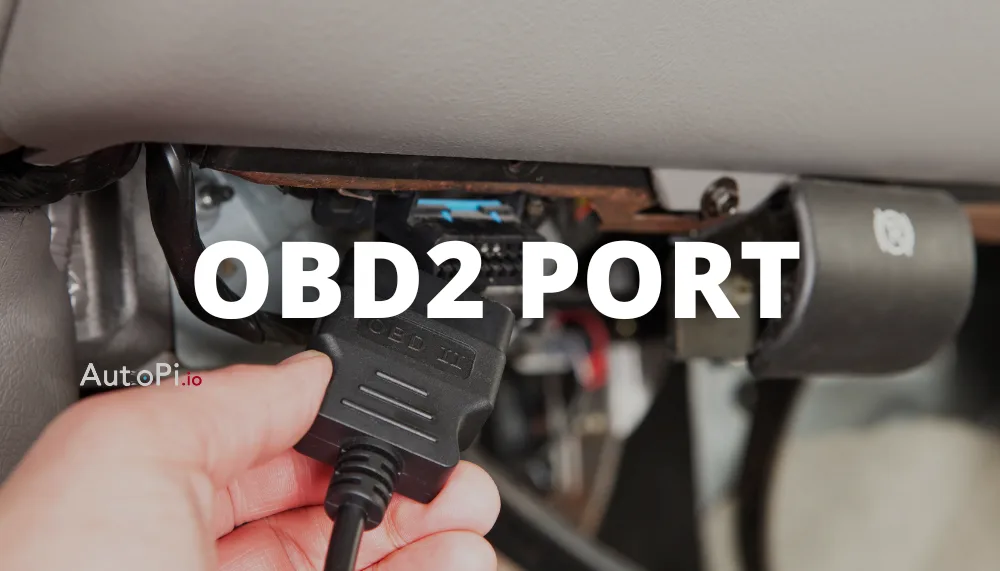
Image source: Bing (Web (fair-use with source credit))
Step 3: The Test Drive
Find a safe stretch of road. As you accelerate, feel for the shifts. Then do a slow speed turn, like a tight circle in a parking lot.
- Shudder while turning: Could be the transfer case, not the transmission.
- Slipping in a specific gear: Note which gear. That narrows the internal problem.
- No reverse: This often points to a specific clutch pack or valve body issue.
If shifting is your bigger concern, look at the whole shift system. A simple solenoid replacement can fix many of these issues without pulling the transmission at all.
Decision Branch: Repair vs Rebuild vs Replacement Swap
Now comes the fork in the road. You have three paths, and the right one depends on what the diagnosis shows.
Path 1: Minor Repair (Fluid, Sensor, Solenoid)
This fits if you have a code, clean fluid, and no metal shavings in the pan. We're talking about replacing a solenoid pack, a speed sensor, or fixing a wiring harness. This runs $200, $800 and is the smartest first step.
Best for: 42RLE shudder, intermittent hard shifts, limp mode with a single code.
Path 2: Full Rebuild
You need this if the fluid is burnt, the pan has metal debris, or the transmission slips in every gear. A rebuild involves removing the unit, replacing clutch packs, seals, and often the torque converter. Cost runs $2,000, $4,500 depending on the shop and parts.
Best for: High-mileage Wranglers with serious internal wear that you plan to keep.
Path 3: Replacement Swap
Install a used or remanufactured transmission. A used unit runs $1,000, $2,500 plus labor. A reman from a reputable builder costs more but has a warranty.
Best for: Wranglers with a cracked case, a total clutch-burn disaster, or owners who want the fastest turnaround.
Here's the honest truth: if the transmission has overheated badly, the torque converter is usually damaged too. Replace it at the same time, or the new unit will fail prematurely.
If you're on a tight budget and the Wrangler is a weekend toy, a used swap is tempting. If this is your daily driver, spend the extra on a rebuild or a quality reman. Your time and sanity are worth it.
Real Repair Costs: From a Fluid Change to a Full Transmission
Let's talk money, because that's what decides everything here.
| Fix | Typical Cost | Notes |
|---|---|---|
| Fluid change (drain and refill) | $80–$200 | Use correct fluid type, never flush a high-mileage unit |
| Filter and pan gasket | $120–$300 | Good preventive maintenance |
| Solenoid pack replacement | $300–$800 | Common fix for 42RLE hard shifts |
| Speed sensor replacement | $150–$400 | Fixed after code scan |
| Torque converter replacement | $800–$1,500 | Includes labor to drop the transmission |
| Used transmission swap | $2,000–$4,000 | Parts plus labor |
| Full professional rebuild | $2,500–$4,500 | Includes new clutch packs, seals, converter |
| Factory remanufactured unit | $3,500–$5,500 | Warranty included, longest lifespan |
A few notes on these numbers. Labor rates vary wildly by region. A shop charging $150/hour in a city will hit the high end fast.
A rural independent shop might finish closer to the low end.
Also, avoid the flushing debate entirely. If your Wrangler has over 100,000 miles and the fluid has never been changed, a drain-and-refill is safer than a full flush. The flush can dislodge debris and cause a slipping failure that didn't exist before.
Per manufacturer specifications, regular drain-and-refill intervals beat high-pressure flushes for longevity.
One more thing. If the transmission failed from overheating, check the cooling system too. A clogged radiator or a dead fan can cause exactly this kind of damage.
Fixing the transmission without fixing the cause just means you'll do it again.
Common Wrangler Transmission Mistakes That Turn Minor Issues Into Major Bills
A transmission problem rarely becomes a catastrophe overnight. Someone usually makes a simple error first. Here are the ones we see most often.
Using the wrong fluid. The 42RLE requires ATF+4. Many owners pour in whatever is on sale. That can cause hard shifts, shudder, and burnt clutches.
Always verify the spec.
Ignoring a small leak. A damp pan gasket or a weeping cooler line loses a few ounces. Top it off and forget it. Then the fluid level drops during a long highway trip, and the transmission overheats.
Fix leaks while they are cheap.
Flushing a neglected high-mileage transmission. If the fluid has never been changed at 120,000 miles, a pressurized flush can dislodge years of built-up debris. That debris clogs the valve body. Use a drain-and-refill instead.
Skipping the torque converter. A shop replaces the transmission but reuses the old converter. The old converter still has burnt material inside. It contaminates the new unit within a few thousand miles.
Replace both together.
Misdiagnosing a transfer case issue. A shudder during a tight turn is often a transfer case chain or a u-joint. It isn't always the transmission. Check the transfer case before committing to a rebuild.
Buying a mystery used transmission. A $900 used unit with 90,000 miles and no history is a gamble. Aggregate reviews from Jeep forums show many used units fail within a year. Those are the slipping symptoms that keep coming back.
If you have a jammed gear selector or a hard shift into reverse, stop and run the full diagnosis. It takes 20 minutes and could save you thousands.
Your Decision Guide: Keep, Fix, or Sell?
This is the decision tree. It comes down to three numbers: the repair cost, the vehicle value, and the condition of the rest of the Jeep.
If the repair is under 40 percent of the Wrangler's value, fix it. A $2,500 rebuild on a $12,000 Jeep makes sense. It doesn't make sense on a $6,000 Wrangler with a rusted frame.
If you plan to daily-drive it for another three years, choose a rebuild or a reman unit. Warranty coverage matters. A used swap is a gamble. Downtime costs more than the rental car you'll need.
If the frame has rot or the drivetrain has other major failures, sell it. You can't outrun structural rust. Check the floor pans and lower frame rails before spending a dollar on the transmission.
If it's a weekend trail rig with a solid body, a used swap is acceptable. Keep money aside for future repairs. You'll likely get two or three seasons from a good salvage unit. Just know that a used unit can bring its own gear noise problems.
Before you decide, check recall information through NHTSA. Some Wranglers had transmission cooler line corrosion. That may be covered by a free inspection or campaign.
If the transmission won't engage a gear, treat that as a pressing sign to start this decision process.
Frequently Asked Questions About Wrangler Transmissions
How long does a Jeep Wrangler transmission last?
With regular maintenance, a 42RLE can last 150,000 to 200,000 miles. The 850RE in newer JL models is typically more reliable. Harsh off-roading and towing shorten that lifespan.
Change the fluid every 30,000 to 60,000 miles.
Can I drive my Wrangler with a transmission problem?
Short distances only. If it's a minor fluid leak, you can drive to a shop. If it slips, shudders, or shifts hard, stop immediately.
Continuing to drive burns clutch packs. A $300 repair can quickly become a $3,000 rebuild.
Why is my 42RLE shuddering at 50 mph?
That shudder is usually a torque converter that won't lock up. A worn converter or a dirty valve body causes it. A fluid change might help early on.
More often, the converter needs replacement. This is common at roughly 60,000 to 100,000 miles.
Should I flush or drain and refill my Wrangler transmission?
If the fluid is clean and you've stayed on schedule, a flush is fine. If the fluid is old, dark, or the transmission has high mileage, use a drain and refill. A flush can push debris into the valve body and cause slipping.
When in doubt, drain and refill.
What causes a Jeep Wrangler to pop out of 3rd gear?
That's a classic NSG370 manual transmission issue. Worn shift forks or a damaged shift detent cause it. Sometimes the internal shift rail springs fail.
The transmission must come out to fix it. Expect $1,500 to $3,000 depending on the shop. If the clutch pedal also feels spongy or soft, inspect the hydraulic system before blaming the transmission.