Yes — the Nissan GT‑R can be driven every day, but expect higher costs, firmer ride, and some trade‑offs.
I’ve spent years testing performance cars and living with sporty daily drivers. In this guide I break down whether the Nissan GT‑R is a realistic everyday car. You’ll get clear answers about comfort, fuel use, reliability, running costs, and practical tips from real-world experience so you can decide if a GT‑R fits your daily life.

49% off Today's Exclusive Deals
Limited-time Exclusive Deals. Check current discount on Amazon.
Check Price on Amazon As an Amazon Associate I earn from qualifying purchases.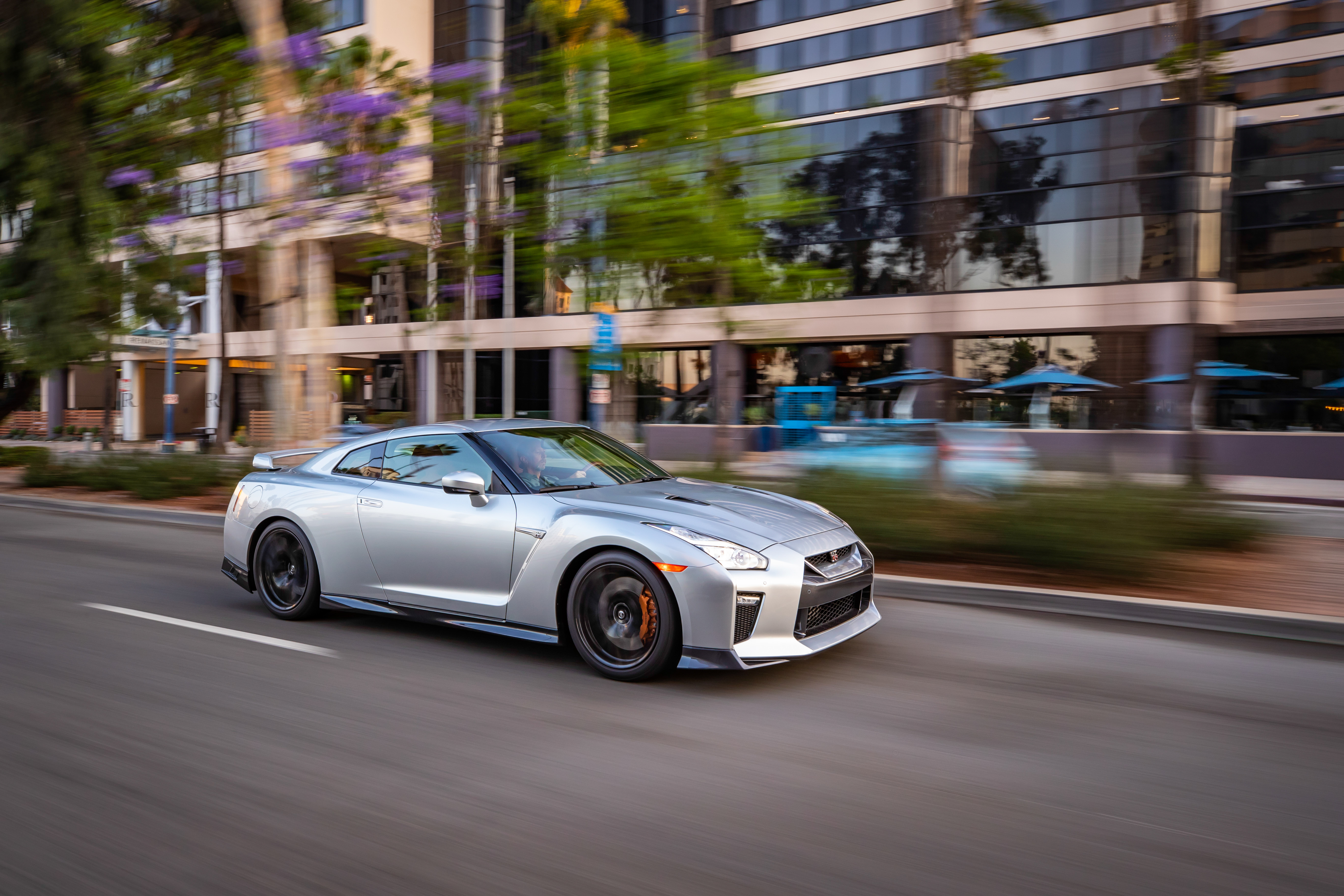
What the car is and what to expect
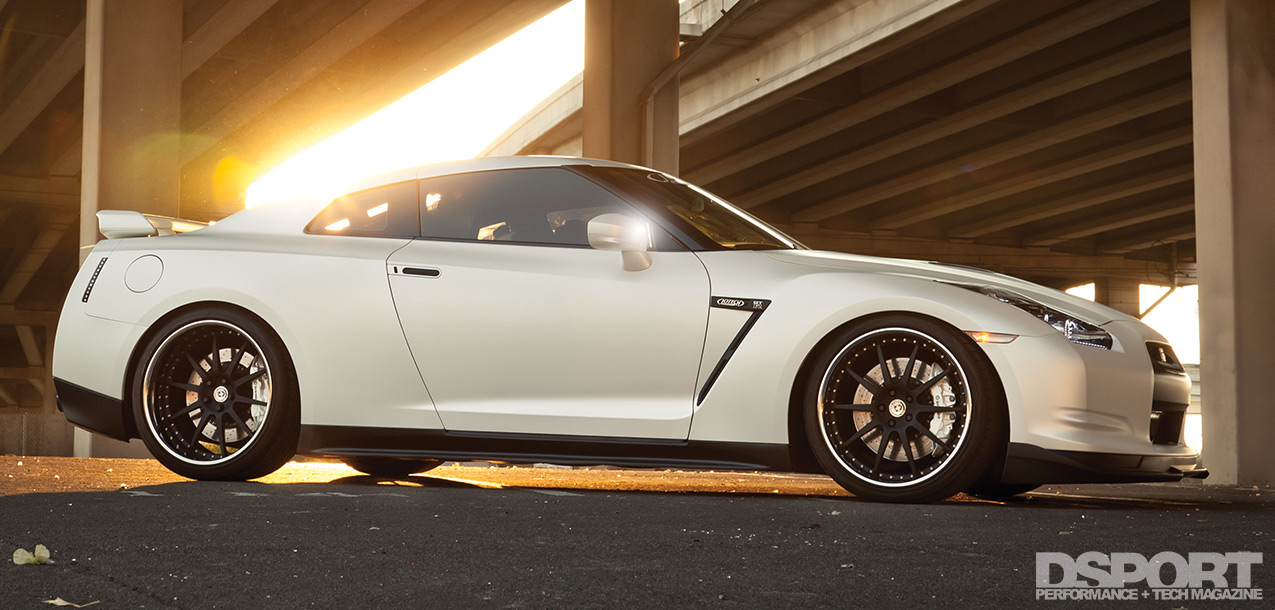
Is the Nissan GT‑R good for daily driving? The GT‑R is a high‑performance sports coupe built around a twin‑turbo V6 and advanced all‑wheel drive. It was designed to be fast and capable on road and track, but it also carries the traits of a performance car—firm suspension, strong braking, and a focused cockpit.
Expect sharp throttle, strong low‑end torque, and a ride that favors control over plushness. Practical items like cabin space, trunk size, and tech are decent but not luxury sedan level. If you want daily thrills, the GT‑R delivers them; if you want soft, invisible commuting, it may disappoint.
49% off Today's Exclusive Deals
Limited-time Exclusive Deals. Check current discount on Amazon.
Check Price on Amazon As an Amazon Associate I earn from qualifying purchases.
Pros for daily driving
Is the Nissan GT‑R good for daily driving? Here are the main strengths that make it usable every day.
- Strong traction and confidence in poor weather because of its all‑wheel drive system. This helps in rain and light snow.
- Immediate power and easy city driving at low revs thanks to twin‑turbo torque. It won’t feel underpowered in traffic.
- Solid build quality and durable drivetrain components when maintained properly. Many owners report high miles with few major issues.
- Good braking performance and composed handling improve safety and driver confidence in everyday maneuvers.
- Relatively practical trunk space and rear seats that serve for short trips or extra storage.
Cons and limitations for daily driving
Is the Nissan GT‑R good for daily driving? Here are the trade‑offs you must accept.
49% off Today's Exclusive Deals
Limited-time Exclusive Deals. Check current discount on Amazon.
Check Price on Amazon As an Amazon Associate I earn from qualifying purchases.- Fuel economy is poor compared with regular sedans; plan on premium fuel and below‑average MPG. Expect frequent fill‑ups.
- Ride comfort is firmer and road noise higher than family cars. Long commutes can feel tiring.
- Ownership costs are higher: insurance, tires, brakes, and routine maintenance are pricier than typical commuter cars.
- Visibility and parking can be less forgiving due to the wide track and low roofline. Tight city parking is more challenging.
- Repair and replacement parts can be costly if you push the car hard or skip recommended service intervals.

Practical considerations: cost, comfort, and reliability
Is the Nissan GT‑R good for daily driving when you measure real costs and comfort? It depends on your budget and tolerance for trade‑offs.
- Fuel and running costs
- Expect low MPG and a need for premium gas. Plan a higher monthly fuel budget compared to a compact.
- Maintenance and repairs
- Regular service, quality oil, and timely inspections keep the GT‑R reliable. Scheduled items and high‑performance tires can add up.
- Comfort and daily usability
- The cabin is sporty with good seats, but the ride is firm. For short commutes it’s fine; long daily highway drives may feel tiring.
- Weather and road conditions
– AWD helps in poor weather. Ground clearance is low, so steep driveways and speed bumps need care.
From my experience, a GT‑R driven daily in mixed weather and moderate mileage performs well so long as the owner budgets for fuel, tires, and service.
Quick practical questions
Is the Nissan GT‑R good for daily driving on snowy roads?
- Yes, the GT‑R’s all‑wheel drive gives better traction than rear‑drive sports cars, but winter tires are still recommended.
Is the GT‑R comfortable for two people daily?
- Yes. The front seats are supportive and roomy for two adults on short to medium trips.
Will a GT‑R break down often as a daily car?
- No, if maintained. The GT‑R is generally reliable, but neglected service raises the risk of expensive repairs.
Real‑world ownership: my hands‑on notes
Is the Nissan GT‑R good for daily driving? I owned a GT‑R for a year as a commuter and weekend car. Here’s what I learned.
- Morning commute: The car wakes up quickly and merges with ease. Fuel costs climbed, but the fun factor was high.
- City driving: Tight streets and parking required care. I used apps to find slightly larger spots.
- Long trips: On highways the GT‑R is stable and fast, but the firm suspension and engine noise become noticeable over several hours.
- Maintenance habits: I followed a strict service schedule. That cut surprises and kept resale value higher.
Lessons learned: budget for tires and brakes, use quality fuel, and accept a firmer ride. If you love driving, the trade‑offs feel worth it.

How to make a GT‑R more comfortable for daily use
Is the Nissan GT‑R good for daily driving with tweaks? Small changes can make big differences.
- Tire choice
- Use touring or all‑season performance tires for quieter ride and longer life.
- Suspension setup
- Choose softer street springs or adjustable dampers to improve comfort without losing control.
- Sound deadening
- Add a few quieting mods like trunk or door damping to cut road noise.
- Practical accessories
- Foldable cargo organizers, seat covers, and remote starters add daily convenience.
- Regular maintenance
- Leverage dealer or specialist service for predictable costs and warranty care when relevant.
These changes kept my GT‑R usable as a daily while preserving the car’s character.
Who should consider daily driving a GT‑R?
Is the Nissan GT‑R good for daily driving if you match it to your needs? Yes, for certain buyers.
- Good fit if you
- Value driving excitement and can accept higher running costs.
- Commute moderate distances and enjoy a sporty feel.
- Live where roads are well kept or you can avoid rough surfaces.
- Not a good fit if you
- Need a soft, quiet commute or the lowest cost of ownership.
- Require max interior space or rear‑seat comfort for daily family use.
- Prefer low insurance and cheap maintenance.
Match your priorities. If thrills and capability outrank frugality, the GT‑R can be a rewarding daily.

Frequently Asked Questions of Is the Nissan GT‑R good for daily driving?
Is the Nissan GT‑R fuel efficient for daily use?
The GT‑R is not fuel efficient compared to standard cars. Expect to spend more on premium fuel and fill up more often.
Can the GT‑R handle snowy or rainy commutes?
Yes, the GT‑R’s AWD system helps in wet or light snowy conditions, but winter tires improve safety and traction significantly.
Are maintenance costs high for a GT‑R used daily?
Maintenance costs are higher than average due to performance parts and specialized service. Regular care prevents expensive repairs.
Is the GT‑R comfortable for long daily commutes?
Comfort is subjective; many drivers find the seats supportive, but the ride is firm and engine noise is noticeable on long trips.
Is it practical to have a GT‑R as a single daily car?
It can be practical if you accept higher running costs and plan for maintenance, fuel, and occasional compromises in comfort.
Conclusion
The Nissan GT‑R can be a satisfying daily driver for people who value performance and are willing to pay more for fuel, tires, and upkeep. It delivers confidence, speed, and a unique driving experience, while asking for compromises in ride softness, cost, and some practicality. If you love driving and budget for ownership costs, try a long test drive and inspect service history before buying.
Act on it: weigh your commute, budget for running costs, and take a GT‑R for a weeklong trial if possible. If you found this helpful, subscribe for more ownership guides or leave a comment about your GT‑R experiences.