A car radiator fan not working can quickly cause overheating, engine damage, and costly repairs.
If you drive long enough, you learn that a small cooling problem can turn into a big one fast. A car radiator fan not working is one of those issues that often starts simple but can affect the whole cooling system. In this guide, I’ll walk you through what the fan does, why it fails, how to spot the signs early, and what to check before the engine gets too hot.

49% off Today's Exclusive Deals
Limited-time Exclusive Deals. Check current discount on Amazon.
Check Price on Amazon As an Amazon Associate I earn from qualifying purchases.
What the radiator fan does and why it matters
The radiator fan pulls air through the radiator when the car is not moving fast enough to cool the engine on its own. At low speeds, at idle, or in traffic, the fan helps keep coolant temperatures under control. When the car radiator fan not working, heat builds up more quickly than many drivers expect.
Think of the fan like a helper that steps in when wind from driving speed is not enough. Without it, the cooling system has to work much harder. That can lead to overheating, weak A/C performance, and stress on parts like the water pump, thermostat, and hoses.
49% off Today's Exclusive Deals
Limited-time Exclusive Deals. Check current discount on Amazon.
Check Price on Amazon As an Amazon Associate I earn from qualifying purchases.A healthy cooling system depends on a chain of parts working together. The radiator fan is just one piece, but it is a very important one. If that piece fails, the whole system can start acting up.

Common signs of a car radiator fan not working
The first clue is usually temperature. If the gauge climbs at idle but drops once you start moving, that often points to a fan problem. A car radiator fan not working may also cause the A/C to blow warm air when stopped.
Here are common warning signs:
49% off Today's Exclusive Deals
Limited-time Exclusive Deals. Check current discount on Amazon.
Check Price on Amazon As an Amazon Associate I earn from qualifying purchases.• The engine temperature rises in traffic
• The fan never turns on, even when the engine is hot
• The A/C gets weaker when the car is idling
• You hear no fan noise near the radiator
• The fan runs all the time, which can also signal a fault
• The check engine light may turn on in some vehicles
In my own experience, one of the easiest missed signs is intermittent fan operation. I once saw a car that only overheated in stop-and-go traffic, but ran fine on the highway. That kind of pattern is classic for a radiator fan issue, not always a radiator failure itself.

Why a car radiator fan stops working
A car radiator fan not working can come from many places, and the fan motor is not always the real problem. The issue may be electrical, mechanical, or even caused by a sensor that tells the fan when to run. That is why proper diagnosis matters.
• Blown fuse
• Bad relay
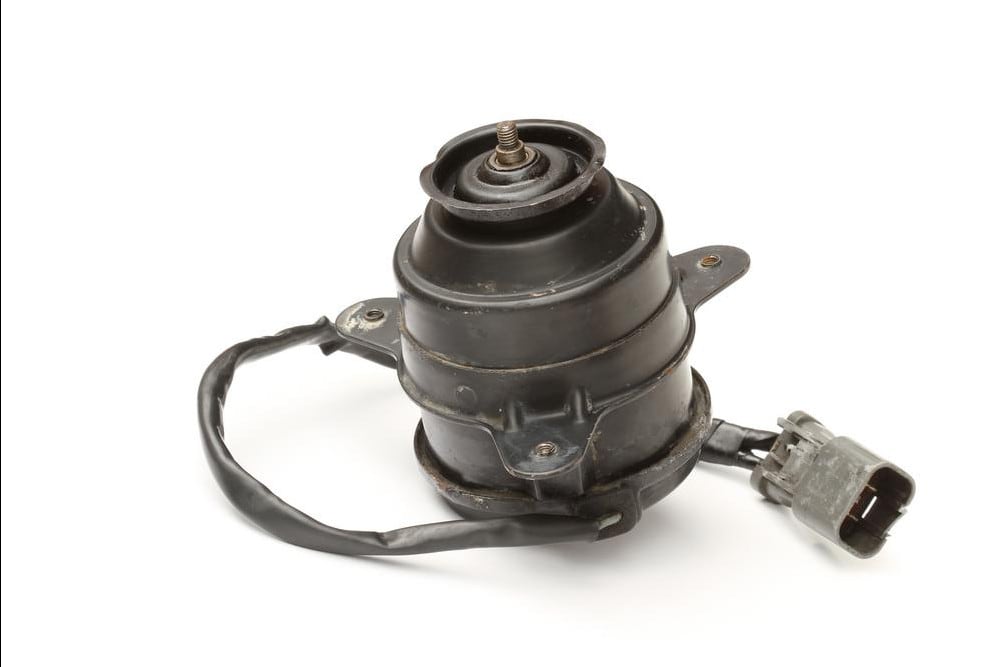
• Failed fan motor
• Damaged wiring or loose connector
• Faulty coolant temperature sensor
• Problem with the engine control module signal
• Broken fan blade or seized fan assembly
• Low coolant, which can confuse the cooling system response
Modern vehicles often use electric radiator fans controlled by relays and sensors. That means one bad signal can stop the whole system. Older cars may use a mechanical fan clutch, which fails in a different way but creates similar overheating symptoms.
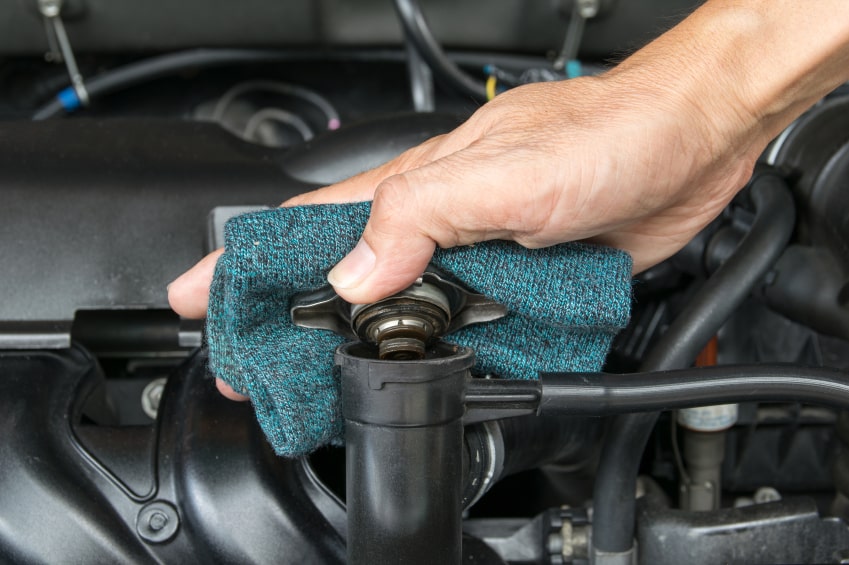
How to diagnose a car radiator fan not working
Start simple. Many fan problems can be found with a basic visual check before you spend money on parts. When I troubleshoot cooling issues, I always begin with the easiest and cheapest checks first.
Follow these steps:
-
Check the fuse
Look in the fuse box for the radiator fan or cooling fan fuse. If it is blown, replace it and see if it blows again. -
Check the relay
Swap the fan relay with another identical relay if possible. If the fan starts working, the relay was likely the issue. -
Inspect the wiring
Look for damaged wires, corroded connectors, or loose plugs near the fan motor and relay. -
Test the fan motor
If power reaches the fan but it still does not spin, the motor may have failed. -
Check the coolant temperature sensor
A bad sensor may prevent the fan from getting the signal to turn on. -
Verify coolant level
Low coolant can lead to poor heat transfer and confusing symptoms. -
Scan for trouble codes
A diagnostic scanner can reveal sensor or control problems that do not show up in a simple visual check.
One mistake I see often is replacing the fan motor too soon. If the fuse, relay, or sensor is the real cause, the new motor will not fix anything. A calm step-by-step check saves money and frustration.

Can you drive with a car radiator fan not working?
You can sometimes drive a short distance, but it is risky. If the car radiator fan not working, the engine may overheat fast in traffic, on hot days, or when idling. Overheating can warp the cylinder head, damage the head gasket, and create a repair bill far bigger than the fan repair.
If you must move the car, keep the trip short and watch the temperature gauge closely. Turn off the A/C, avoid heavy traffic, and pull over if the needle starts climbing. In real life, I always tell people this: if the gauge is rising, do not “see what happens next.” That gamble usually costs more.

Repair options and what each fix means
The right repair depends on the cause. Sometimes the fix is cheap and easy. Other times, a car radiator fan not working points to a deeper electrical issue.
Possible repairs include:
• Replacing a blown fuse
• Replacing a failed relay
• Installing a new fan motor or complete fan assembly
• Repairing wiring or connectors
• Replacing a bad coolant temperature sensor
• Fixing a thermostat or coolant flow problem
• Repairing control module issues in rare cases
Labor and part prices can vary a lot by vehicle. Some fans are built into a full assembly, which raises cost. Others allow just the motor to be replaced. If you are not sure, get a written estimate and ask whether the diagnosis was tested with power, ground, and signal checks.
How to prevent radiator fan problems
A little maintenance goes a long way. While no part lasts forever, good care can reduce the chance of a car radiator fan not working unexpectedly. The cooling system works best when it stays clean, full, and leak free.
Helpful habits include:
• Check coolant level regularly
• Replace coolant at the correct interval
• Keep the radiator and fan area free of dirt and debris
• Inspect hoses and connectors during routine service
• Pay attention to strange temperature changes early
• Fix small cooling leaks before they become bigger problems
The biggest lesson here is timing. Cooling system issues rarely fix themselves. If your car starts overheating only in traffic or the fan sounds weak, do not wait months. That small delay can turn a simple fan repair into engine damage.
When to call a mechanic
Some checks are easy to do at home, but not every fan problem is DIY friendly. If the car radiator fan not working after fuse and relay checks, it is time for a deeper diagnosis. A professional can test the fan circuit, sensor data, and control signals with proper tools.
Call a mechanic if:
• The engine overheats quickly
• You smell coolant or see leaks
• The fan keeps blowing fuses
• The wiring looks damaged
• The A/C and cooling system both act strange
• You are not comfortable testing electrical parts
A good shop should explain the cause clearly and show the failed part if possible. That transparency matters. It helps you know whether you are paying for a real repair or just a guess.

Frequently Asked Questions
Why does my car overheat only when idling?
That often means the radiator fan is not moving enough air at low speed. When the car starts moving, natural airflow helps cool the radiator, so the temperature may drop.
Can a bad thermostat look like a fan problem?
Yes, it can. A stuck thermostat can cause overheating that feels similar to a car radiator fan not working, which is why the cooling system should be tested as a whole.
Will a blown fuse always mean the fan motor is bad?
No. A blown fuse can be caused by a shorted motor, damaged wiring, or another electrical fault. Replacing the fuse without finding the cause may lead to the same problem again.
Why does my A/C get hot when the car is stopped?
Many cars use the radiator fan to help cool the A/C condenser too. If the fan is not working, the A/C can lose cooling power while idling or in slow traffic.
Is it safe to replace the fan myself?
It can be, if you have basic tools and follow safety steps. But if the issue involves wiring, relays, or engine control signals, a proper diagnosis is safer and often cheaper in the long run.
Conclusion
A car radiator fan not working is more than a small annoyance. It can lead to overheating, weaker A/C, and major engine damage if it is ignored. The good news is that many fan problems come down to a fuse, relay, wiring issue, sensor, or fan motor that can be diagnosed with a careful step-by-step check.
If your temperature gauge is acting up or your car overheats in traffic, take it seriously and inspect the cooling system soon. A little action now can save a lot of money later. If this guide helped you, keep learning about your car’s cooling system and share your experience in the comments.


