Your Outback's CVT is doing something weird. You hit the gas, the RPMs climb, but the car doesn't pull like it should. Maybe there's a shudder, a delay, or a flash of the AT Oil Temp light.
Subaru Outback transmission slipping is one of the most searched Lineartronic complaints, and for good reason. The fix can be a simple $200 fluid service or a catastrophic $7,000 replacement. The difference comes down to how quickly you diagnose it and which branch of the problem tree you're on.

49% off Today's Exclusive Deals
Limited-time Exclusive Deals. Check current discount on Amazon.
Check Price on Amazon As an Amazon Associate I earn from qualifying purchases.As of 2026, the CVT remains the Outback's most common weak point, especially on models from 2015 through 2020. Let's walk through what you're feeling and how to pinpoint the cause before you spend a dime.
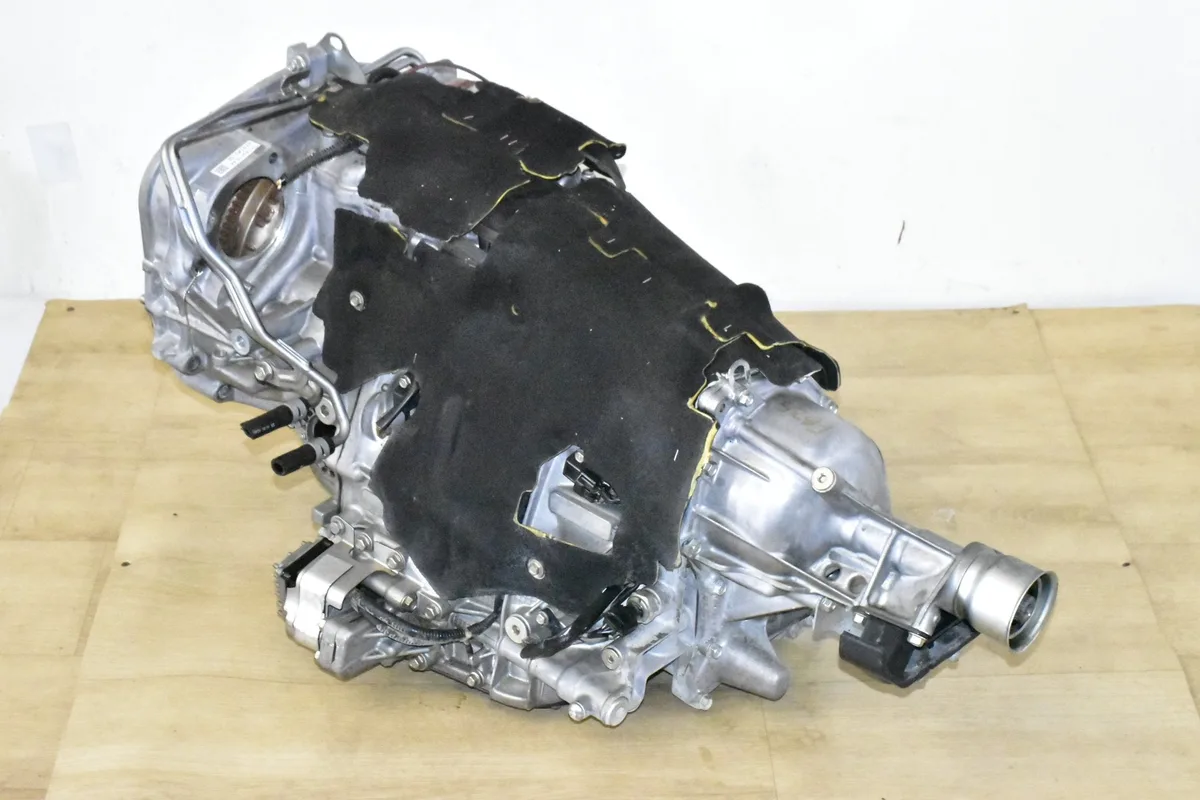
Image source: Bing (Web (fair-use with source credit))
49% off Today's Exclusive Deals
Limited-time Exclusive Deals. Check current discount on Amazon.
Check Price on Amazon As an Amazon Associate I earn from qualifying purchases.Quick Answer
Subaru Outback transmission slipping usually means low or degraded CVT fluid, a failing valve body, or internal chain wear. Start with a diagnostic scan and a fluid check. If the fluid is burnt or low, a drain-and-fill often resolves it.
If the AT Oil Temp light flashes, stop driving.
Wait, Is My Subaru Outback Transmission Actually Slipping?
Real CVT slipping vs. normal Lineartronic behavior
Let's be honest about something first. Not every hesitation you feel is actual slipping. Many Outback owners mistake the CVT's normal behavior for a mechanical failure.
The Lineartronic unit has no shift points, so the engine revs up and holds while the car accelerates smoothly. That naturally feels odd if you're used to a traditional automatic.
49% off Today's Exclusive Deals
Limited-time Exclusive Deals. Check current discount on Amazon.
Check Price on Amazon As an Amazon Associate I earn from qualifying purchases.Real slipping is different. Your RPMs surge without a matching surge in speed. The car may feel like it's in neutral for a split second.
You might notice a shudder during light acceleration, especially around 20 to 40 mph. Or you hit the pedal and there's a delay before the car moves at all.
When it happens matters: cold start, hot highway, uphill, towing
The pattern tells you everything. When does the slip happen? That's the single most important diagnostic question.
If it slips on a cold morning and clears up after the car warms, suspect cold fluid or a sluggish valve body. If it acts up on hot summer highway drives, the fluid may be breaking down or the torque converter could be struggling. Uphill grades and towing add heat, which exposes weak line pressure.
On a 2016 Outback with 80,000 miles, we've seen this exact symptom point to a clogged valve body more often than internal failure.
The Short Version: What's Likely Wrong and What It Costs
The three most common causes, ranked
Ranked by frequency in owner forums and repair data, the top causes are:
- Low or degraded transmission fluid. This is the most common and cheapest fix. Subaru claims "lifetime" fluid, but that's not accurate in real-world use.
- Valve body failure. The solenoid assembly loses hydraulic pressure. It's a repair, not a rebuild.
- Internal chain and pulley wear. The chain stretches or the pulleys lose grip. This is the expensive branch.
Why "slipping" often isn't the transmission at all
Here's the twist. Sometimes the transmission is fine. A misfiring engine under load can feel exactly like a slip.
The RPMs rise because the engine suddenly has less torque, but the CVT is doing its job. We've seen a $40 ignition coil replacement cure what felt like a dying gearbox.
Check engine misfires, low engine oil, or a failing torque converter clutch before you panic. A diagnostic scan takes five minutes and immediately rules out many false alarms.
How a Lineartronic CVT Works (So You Know What "Slipping" Really Means)
The Chain, Pulleys, and Pressure Explained Simply
Unlike a traditional automatic with fixed gears, the Lineartronic uses a steel chain running between two variable pulleys. The pulleys open and close to change the effective ratio, like a bicycle derailleur but without discrete gears. Hydraulic pressure from the valve body forces the pulleys to clamp the chain.
If that pressure drops, the chain can slip or the pulley grip weakens.
Why CVTs Shudder and Hesitate Without Actually Failing
A shudder is rarely the chain actually breaking free. More often, it's the torque converter clutch engaging and releasing rapidly. Or it's the valve body struggling to modulate hydraulic pressure.
These feel like a slip, but the internal hardware is still intact. Aggregate reviews report that a simple TCM reset after fresh fluid resolves many shudder cases. Don't assume the worst until you've ruled out the simple stuff.
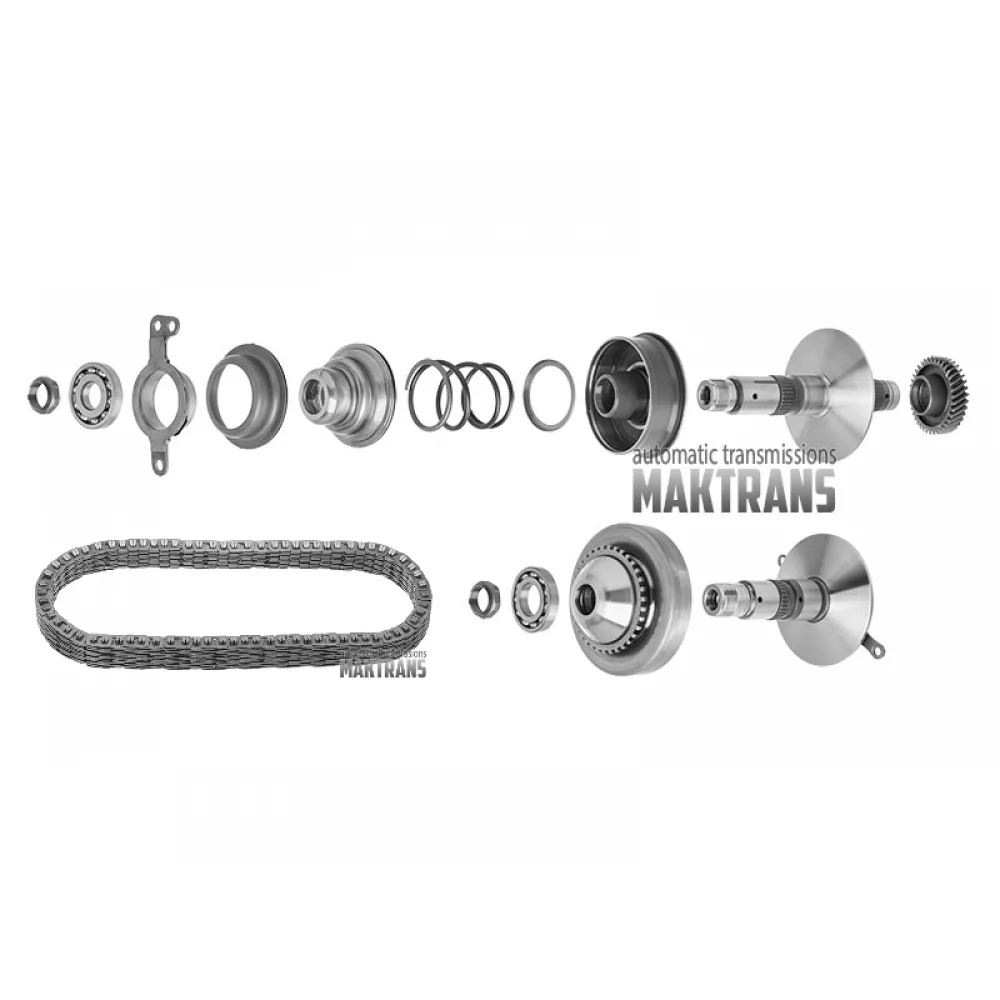
Image source: Bing (Web (fair-use with source credit))
The Diagnostic Flow: From First Symptom to Fix, Step by Step
Step 1: Scan for Codes and Read the AT Oil Temp Warning
Start with the one tool every owner should have: an OBD-II scanner. Plug it in and read the transmission codes. The critical one is the flashing AT Oil Temp light.
That's the CVT telling you it's overheating or sensing internal damage. If that light flashes, stop driving immediately. Continuing is how a $1,200 repair becomes a $7,000 replacement.
Step 2: Check the CVT Fluid Level and Condition the Right Way
Subaru CVTs don't have a traditional dipstick on many models. You check the fluid through the dipstick tube or the service fill port. The engine must be running and warmed up.
Park on level ground. If the fluid smells burnt or looks dark brown instead of translucent green, that's a major red flag.
Step 3: Test Drive and Log Exactly When the Slip Happens
Go for a 15-minute drive. Note the conditions: cold or warm engine, stop-and-go traffic, highway cruise, or uphill pull. Write down the RPM versus speed mismatch.
This log is what a mechanic will ask for first. It tells them which branch of the diagnostic tree to follow. If it only happens on hot mountain grades, the fix path is completely different than if it's constant.
Step 4: Drain-and-Fill With OEM Fluid, Not a Flush
The first repair attempt for most cases is a drain-and-fill using Subaru High Torque CVTF. This is critical: use the OEM fluid. That's not a brand preference.
Using generic "universal" CVT fluid can cause slipping because the friction characteristics are different. The Subaru fluid costs roughly $15 to $25 per quart, and a drain-and-fill takes about 5 quarts. It's the single cheapest test you can run.
Step 5: Re-Test and Reset the TCM if Needed
After the drain-and-fill, clear the codes and reset the TCM's learned adaptations. Some Subaru models need a brief idle relearn procedure. Then re-test drive.
If the slip is gone, you're done. The fluid was the fix, and you just saved thousands. If it persists, move to the next branch.
Step 6: Branch Out to Valve Body, Torque Converter, or Chain Wear
If fresh fluid didn't solve it, the valve body is the next suspect. Replacing the valve body and solenoids runs $1,000 to $1,800 at an independent shop, about half the price of a dealer. If the codes point to a mechanical ratio error, like the chain slipping on the pulleys, that means internal damage.
At that point, a used low-mileage CVT or a rebuild is your only real option.
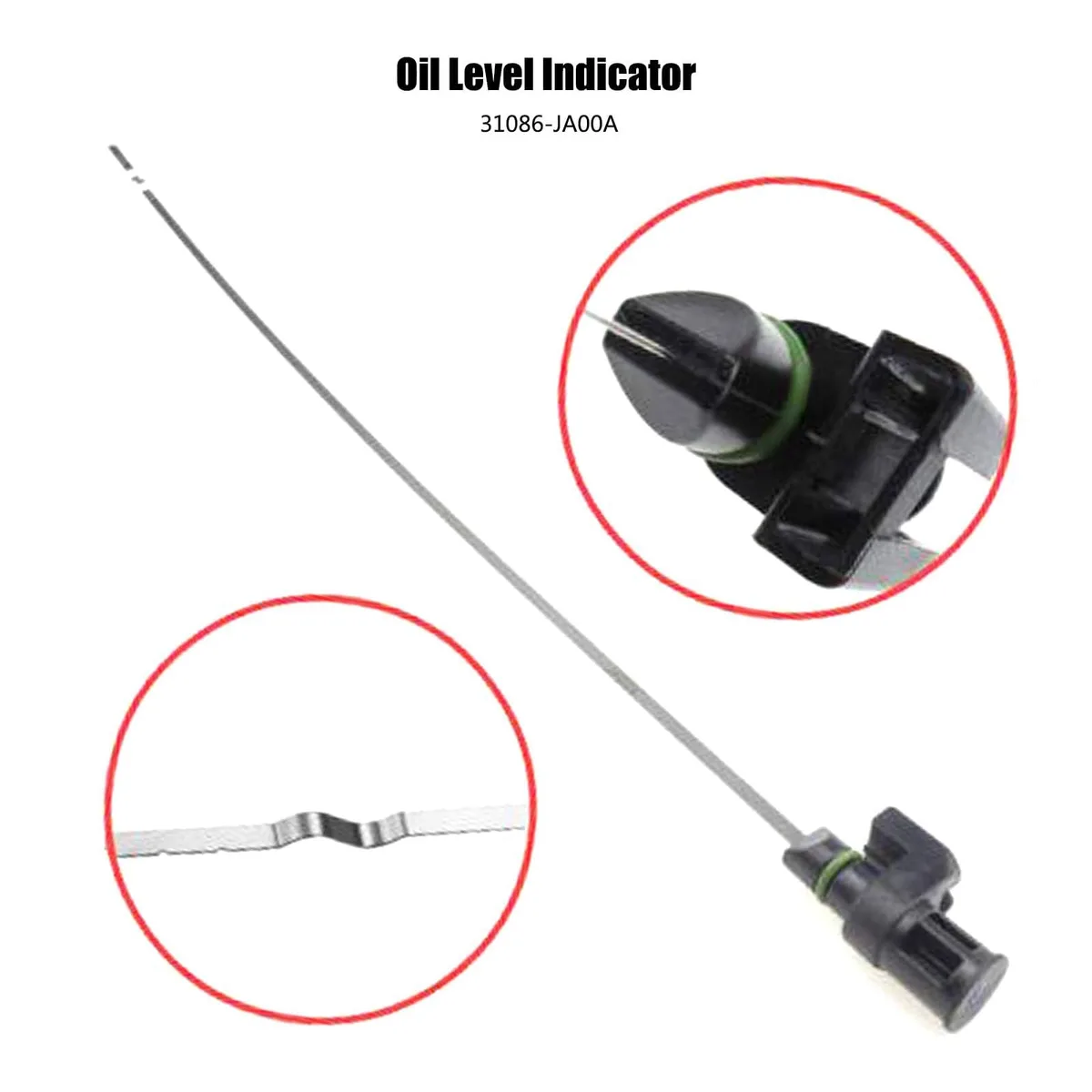
Image source: Bing (Web (fair-use with source credit))
Symptom-to-Cause Quick Chart
| Symptom Pattern | Likely Culprit | Typical Fix |
|---|---|---|
| Cold-start hesitation, clears when warm | Low fluid or sluggish valve body | Drain-and-fill, check level |
| Shudder at 20–40 mph light throttle | Torque converter clutch issue | Fluid service, TCM reset |
| Slip only on long highway trips or towing | Fluid breakdown from heat | Fluid service, add cooler |
| Constant slip, RPM surges under load | Internal chain/pulley wear | Replacement or rebuild |
| Flashing AT Oil Temp light | Internal damage or overheating | Stop driving, seek professional help |
Costly Mistakes That Turn a $200 Fluid Service Into a $7,000 Replacement
The Flush That Kills the CVT
A power flush sounds thorough, but it can destroy a CVT. The high-pressure flush can dislodge debris that then clogs the valve body or damages the chain. Subaru recommends a drain-and-fill, not a flush.
If a shop pushes a flush, find another shop.
Using Aftermarket "Universal" CVT Fluid
This is the most expensive way to save $30. Generic fluid has different friction modifiers than Subaru's high-torque spec. The chain and pulleys rely on precise levels of grip.
The wrong fluid can cause immediate slipping and long-term wear. Manufacturer specifications are clear: use the OEM fluid.
Ignoring the Flashing AT Oil Temp Light
The light isn't a suggestion. It's the transmission saying it's overheating and losing proper pressure. Continuing to drive with that light flashing can permanently damage the internal components.
Pull over, let it cool, and call a tow if needed. A tow bill is a bargain compared to a new transmission.
Misdiagnosing a Misfire as a Transmission Slip
We've seen it repeatedly. A bad coil pack makes the engine stumble under load. The RPMs spike because the engine stutters.
The driver assumes it's the transmission, and a shop happily quotes a rebuild. Always scan for engine misfire codes before touching the CVT. A cheap misfire is a great outcome compared to the alternative.
If you're dealing with other drivetrain symptoms, our guide to car transmission slipping applies to any car, not just the Outback.
What Each Fix Actually Costs (And When to Just Walk Away)
Here's the part that hurts. The price spread between a minor fix and a major one is enormous. That's why an accurate diagnosis matters more than anything else.
| Repair | Typical Cost Range | When It's the Fix |
|---|---|---|
| CVT drain-and-fill | $200–$350 | Low or degraded fluid, minor shudder |
| Valve body / solenoid replacement | $1,000–$1,800 | Pressure loss, specific code patterns |
| Used low-mileage CVT installed | $4,000–$6,000 | Internal chain damage, ratio errors |
| New transmission replacement | $7,000–$9,000 | Complete internal failure |
How to Decide if Your Outback Is Worth Fixing
Check your car's current market value before authorizing a big repair. If a used CVT installation costs $5,000 and your 2014 Outback with 160,000 miles is only worth $4,500, the math doesn't work. Sell it as-is or part it out.
If you're hearing unusual gearbox sounds alongside the slip, expect the repair bill to climb further. And always check the NHTSA recall database for outstanding transmission recalls before paying for anything.
Frequently Asked Questions
Can I Keep Driving With a Slipping Transmission?
Short answer: no. If the AT Oil Temp light flashes, stop immediately. Even a mild slip creates extra heat and friction.
That heat kills CVTs fast. Drive only to a nearby shop for diagnosis, and keep the engine load light.
How Long Do Subaru CVTs Last With Regular Service?
With drain-and-fills every 30,000 to 60,000 miles, many last 150,000 miles or more. Skipping fluid changes is the biggest killer. Owners who follow the severe-service schedule rarely see premature internal failure.
Does Towing Cause the Slipping?
Towing adds heat, and heat breaks down CVT fluid faster. If you tow regularly, change the fluid more often. Consider adding an aftermarket transmission cooler.
That's cheap insurance compared to a rebuild.
What Should I Check on a Used Outback Before Buying?
Ask for service records and confirm the CVT fluid was changed. Test drive with the engine cold and hot. Watch for hesitation, shudder, or any flashing dashboard light.
Bring an OBD-II scanner and check for stored transmission codes. If it refuses to shift into gear during the test drive, walk away.
Your Next Move: The One-Page Decision Guide
Here's the whole diagnostic flow condensed into one practical checklist.
- Flashing AT Oil Temp light? Stop driving, tow to a specialist.
- No codes, fluid low or burnt? Do a drain-and-fill with OEM fluid, reset the TCM, and re-test.
- Codes point to the valve body? Replace the valve body and solenoids.
- Codes show chain ratio errors? That's internal damage. Estimate repair versus car value.
- Car not worth the repair? Sell it as-is or negotiate a trade-in.
DIY, Independent Shop, or Dealer?
A drain-and-fill is doable in your driveway if you're handy. Valve body work belongs at an independent Subaru specialist. They charge half of what dealers do for the same labor.
Avoid dealers for out-of-warranty CVT repairs unless you need a documented service history.
When to Cut Your Losses and Move On
If the repair costs more than the car's value, walk away. A $4,000 Outback with a $5,000 problem is a parts car. If you notice gear shifter problems on top of the slipping, that's another sign the transmission is beyond a simple fix.
Take your time, get two or three quotes, and choose the branch that makes financial sense.