If your Hyundai Tucson brake pedal soft has you holding your breath at every stoplight, you're not overreacting. A soft pedal means something in the hydraulic system is off, whether it's air in the lines, a failing master cylinder, or a booster losing vacuum. We've combed through owner reports and service bulletins so you can tell a quick bleed from a serious failure.
Brake fluid standards like DOT 3 and DOT 4 set dry boiling points of 205°C and 230°C, but moisture absorption drags those numbers down fast. As of 2026, many Tucson owners are driving on brake fluid that's past its prime, and that alone creates a spongy pedal. Let's start with the safety triage, because some causes mean "drive to the shop" and others mean "call a tow truck."

49% off Today's Exclusive Deals
Limited-time Exclusive Deals. Check current discount on Amazon.
Check Price on Amazon As an Amazon Associate I earn from qualifying purchases.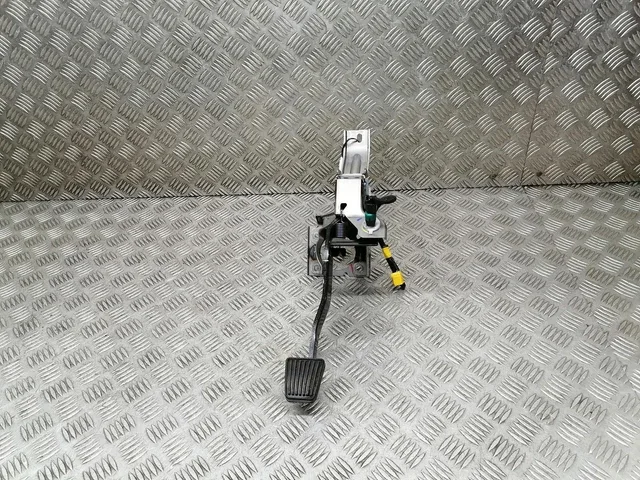
Image source: Bing (Web (fair-use with source credit))
Quick Answer
A soft brake pedal on a Hyundai Tucson usually means air in the hydraulic lines, a failing master cylinder, or a brake booster vacuum leak. Check the brake fluid level and look for leaks first. If the pedal sinks to the floor, do not drive the car.
49% off Today's Exclusive Deals
Limited-time Exclusive Deals. Check current discount on Amazon.
Check Price on Amazon As an Amazon Associate I earn from qualifying purchases.Have it towed to a shop.
Is It Safe to Drive? Quick Safety Triage
Before grabbing a wrench, answer three questions. Does the brake pedal go all the way to the floor? Does it slowly sink while you hold steady pressure?
Does it feel spongy but stop at a normal height?
If the pedal hits the floor, the hydraulic system has lost pressure. That's a tow-truck situation. Don't drive it, and don't creep slowly to the shop.
49% off Today's Exclusive Deals
Limited-time Exclusive Deals. Check current discount on Amazon.
Check Price on Amazon As an Amazon Associate I earn from qualifying purchases.Our guide on handling sudden brake failure covers emergency braking steps in detail.
If the pedal sinks under pressure, you've got an internal master cylinder leak or a line leak. Both are serious, but a slow sink sometimes means you can drive gently to a nearby mechanic. If the pedal is soft but holds firm at a reasonable height, air in the lines or contaminated fluid is the likely culprit.
Four red flags mean "stop driving now":
- Brake warning light is on
- Visible fluid leak under the car
- Pedal goes to the floor with little effort
- Brakes grab or pull to one side
You can also check for open safety recalls through NHTSA's recall database, which lists brake issues by vehicle and model year.
Why Does the Brake Pedal Feel Soft? Core Causes Explained
The Tucson's brakes are hydraulic, meaning they rely on brake fluid to transfer force from your foot to the calipers. Fluid doesn't compress, so when the pedal feels soft, something is interrupting that transfer.
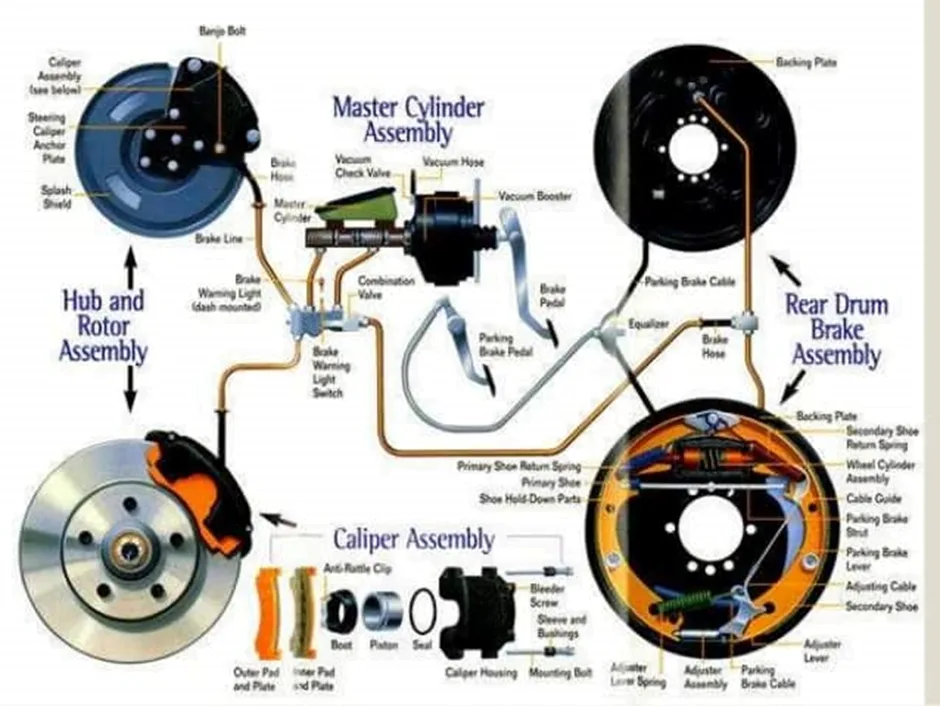
Image source: Bing (Web (fair-use with source credit))
Air in the Brake Lines
Air is the top suspect after any brake repair. It gets in when a line is opened, fluid runs low, or a leak lets air sneak past. Since air compresses, the pedal feels spongy and travels further than it should.
The fix is a proper bleed.
Failing Master Cylinder
The master cylinder builds the hydraulic pressure that pushes fluid to each caliper. When its internal seals wear, fluid leaks past them. The classic sign is a pedal that slowly sinks to the floor while you hold steady pressure.
A wet spot near the firewall confirms it.
Brake Booster Vacuum Leak
The booster multiplies your pedal force using engine vacuum. When vacuum is lost, the pedal can feel hard and unresponsive, but a torn diaphragm can also make it feel mushy. Listen for a hissing sound behind the dashboard when you press the pedal.
Contaminated Brake Fluid
Brake fluid absorbs moisture over time, which lowers its boiling point. When the fluid gets hot, tiny water bubbles form and turn into vapor. That vapor compresses like air, giving you a soft pedal right after demanding stops.
If the fluid looks dark or muddy, it's time for a flush.
| Symptom | Likely Cause | Urgency |
|---|---|---|
| Spongy pedal, stops at height | Air in lines | Medium |
| Sinks slowly to floor | Master cylinder | High |
| Hard pedal, hissing, inconsistent | Booster vacuum leak | Medium |
| Soft after hard braking | Contaminated fluid | Medium |
If you also hear grinding or squealing when braking, check our guides on grinding brake causes and squealing brake fixes to rule out worn pads and rotors.
The Hybrid Tucson Difference: Brake-by-Wire Changes Everything
If you drive a Tucson Hybrid or Plug-in Hybrid, the brake system works differently. These models use brake-by-wire, where the pedal sends an electronic signal instead of a direct hydraulic push. Regenerative braking handles the first part of the stop, and the hydraulic system only kicks in when needed.
That transition can feel odd. Some owners describe a slight pedal drop when the car switches from regen to friction brakes. That is often normal.
The key difference is whether the pedal stays soft or firm.
On hybrids, a truly soft pedal that sinks or loses braking power is still serious. It could mean air in the hydraulic circuit, a leaking caliper, or a fault in the electronic brake actuator. Bleeding these models sometimes requires a scan tool to cycle the ABS valves and purge all the air.
A basic gravity bleed won't always work.
Low-speed parking maneuvers also change the feel. The hybrid system reduces regen at low speeds, so the pedal gets more travel. That's programmed behavior.
If the car stops consistently and the pedal doesn't sink, you're probably fine.
If the brake lights stay on or misbehave, that's a separate electronics issue. Our guide on brake lights not working can help you sort it out.
Your First 20 Minutes: What to Inspect Before Paying a Shop
You don't need a lift or a diagnostic computer to narrow down a soft brake pedal. A careful driveway inspection tells you a lot. Grab a flashlight and give yourself twenty minutes.
Check the Brake Fluid Level and Condition
Pop the hood and find the brake fluid reservoir near the firewall. The level should sit between the MIN and MAX lines. If it's low, you have a leak or worn pads.
If the fluid is dark brown instead of light amber, it's contaminated and needs a flush.
Look for Visible Leaks
Inspect the master cylinder, the brake lines running along the frame, and the rubber hoses leading to each caliper. Wet spots, crusty residue, or drips mean a leak. Check the inside of the front wheels closely, since caliper leaks often show up there.
Test the Brake Booster
With the engine off, pump the brake pedal until it feels firm. Hold pressure and start the engine. The pedal should drop slightly as vacuum builds.
If it doesn't move, the booster could be failing.
Inspect Brake Pad Thickness
Thin pads force the calipers to travel further, which adds pedal travel. Look through the wheel spokes for the outer pad. If there's less than a quarter inch of friction material, plan on replacing the pads.
| Inspection Task | What to Look For | Quick Fix |
|---|---|---|
| Fluid level | Between MIN and MAX | Top up and hunt for leaks |
| Fluid color | Light amber, clear | Flush if dark or cloudy |
| Leaks | Wet spots on lines, calipers | Replace damaged component |
| Booster test | Pedal drops on start | Replace booster if no drop |
| Pad thickness | More than 1/4 inch | Replace pads if thinner |
If any check reveals a serious issue, don't keep driving. And if you're dealing with an oil leak that might be unrelated, our guide on car oil leaking causes helps you tell the difference.
Bleeding and Flushing: The Right Way to Fix a Soft Pedal
Once you've confirmed there's no external leak, the most common fix is bleeding the brakes. This removes trapped air from the hydraulic system. If the fluid is old, a full flush replaces it entirely.
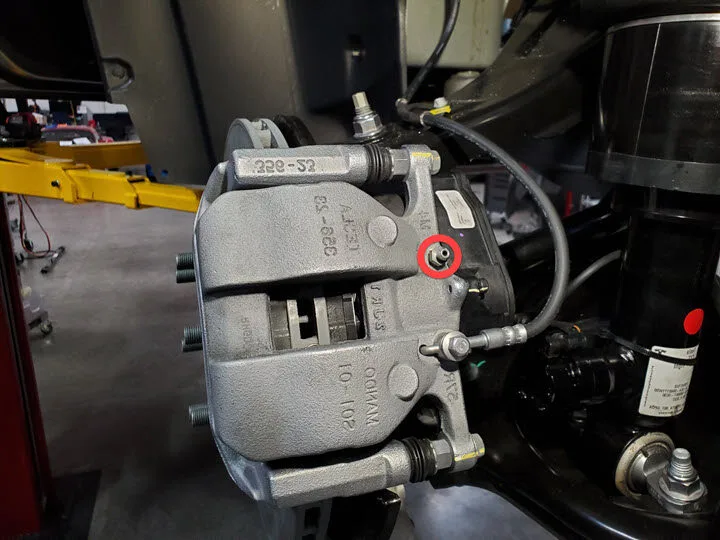
Image source: Bing (Web (fair-use with source credit))
The Two-Person Bleed Method
You'll need a friend, a wrench, a clear plastic hose, and a container. Have your friend press the brake pedal slowly and hold it down. Open the bleeder screw on the caliper.
Fluid and air will flow out. Close the screw before your friend releases the pedal. Repeat until only clean, bubble-free fluid comes out.
Start from the wheel farthest from the master cylinder and work closer.
Pressure Bleeding Works Better
A pressure bleeder pressurizes the reservoir and pushes fluid through the system. It's faster and reduces the chance of pulling air back in. You can rent one from most auto parts stores.
For a Tucson hybrid, a scan tool may be needed afterward to cycle the ABS valves.
Pick the Right Fluid
Check the reservoir cap for the required spec. Most Tucson models use DOT 3 or DOT 4 fluid. DOT 4 has a higher boiling point and is compatible with DOT 3 systems, but always follow the owner's manual.
Never use silicone-based DOT 5, which can damage seals.
What It Costs
A shop typically charges between $100 and $200 for a full brake fluid flush. DIY materials cost about $30 to $50 for fluid, hose, and a catch container. Master cylinder replacement adds significant labor and parts cost.
A properly bled Tucson should have a firm, predictable pedal that engages within the first third of travel. If the pedal goes soft again soon after a bleed, you're looking at a master cylinder, ABS module, or hybrid actuator problem. That's past DIY territory.
Quick FAQ: Common Tucson Brake Questions
Why is my brake pedal soft after new pads and rotors?
Air got into the lines when the calipers were pushed back to fit the new pads. It's not dangerous, but it's also not normal. Bleed the system with fresh fluid and the pedal should firm up immediately.
How often should I flush the brake fluid on a Tucson?
Hyundai recommends a brake fluid flush every two years or 30,000 miles, whichever comes first. In humid climates or salt-belt states, do it yearly. Moisture contamination lowers the boiling point and creates a spongy pedal.
Is it normal for the pedal to get stiff when the engine is off?
Yes. The brake booster runs on engine vacuum and only has enough stored power for two or three pedal presses. After that, the pedal goes hard because there's no vacuum assist.
If it stays hard while driving, investigate.
Can a bad ABS module cause a soft pedal?
It can. The ABS modulator sits between the master cylinder and the calipers. If its internal valves leak, pressure escapes and the pedal sinks.
A scan tool is usually required to confirm this, since there's rarely a visible external leak.
Does Hyundai have any recalls or TSBs for Tucson brake issues?
Hyundai has issued brake-related service bulletins for the Tucson over the years, but the faults vary by model year. Check NHTSA's recall database or Hyundai's official owner portal using your VIN. Both are free and take under a minute.
Final Verdict: The Safe Path from Soft Pedal to Stopping Power
Here's the plain decision tree. If the brake pedal goes to the floor, don't drive. Arrange a tow truck.
If the pedal sinks slowly while you hold pressure, check the fluid level and look for leaks. A wet master cylinder or caliper means a part replacement, not a simple bleed.
If the pedal feels spongy but stops at a normal height, plan for a brake bleed or fluid flush within the next few days. That's the most common Tucson diagnosis and a low-stakes repair if caught early.
On hybrid models, remember that a slightly vague pedal during the regen-to-hydraulic transition is engineered behavior. What is not normal is a pedal that sinks, a car that pulls while braking, or any drop in stopping power.
A soft pedal almost never means a full brake system replacement. It usually means one component is failing or the fluid is old. But brakes are safety-critical.
If a bleed doesn't restore firm pedal pressure, book a professional diagnosis. The cost of a master cylinder or ABS repair is far less than the cost of a crash.



3 Comments on “Hyundai Tucson Brake Pedal Soft”