If your Hyundai Tucson brake noise has you cringing every time you slow down, stop and listen for a second. You're not alone. Not every squeal is a costly repair.
Most brake sounds are either harmless surface noise or an early warning you can still catch cheaply.
49% off Today's Exclusive Deals
Limited-time Exclusive Deals. Check current discount on Amazon.
Check Price on Amazon As an Amazon Associate I earn from qualifying purchases.Hyundai's original brake pads start around 10 to 12 mm thick, and the wear indicators are designed to touch the rotor when roughly 3 mm remains. That's a built-in early warning system. Let's map out what you're hearing and exactly when to worry.
Quick Answer
Hyundai Tucson brake noise has four common causes. Rust, worn pads, glazed pads, or a stuck caliper. Morning squeal is often harmless.
Grinding or pedal pulsation is not. Metal-on-metal grinding means stop and inspect the pads.
49% off Today's Exclusive Deals
Limited-time Exclusive Deals. Check current discount on Amazon.
Check Price on Amazon As an Amazon Associate I earn from qualifying purchases.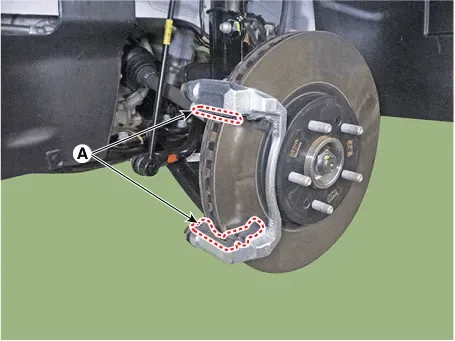
Image source: Bing (Web (fair-use with source credit))
Start Here: Is That Tucson Brake Noise Normal or a Real Problem?
Ask three questions before you do anything. What does the noise sound like? When does it happen?
Is the pedal steady or pulsing? These three answers send you down the right branch.
49% off Today's Exclusive Deals
Limited-time Exclusive Deals. Check current discount on Amazon.
Check Price on Amazon As an Amazon Associate I earn from qualifying purchases.| Noise you hear | When it shows up | What it usually means | | Light squeal | Cold mornings, damp weather, first stops | Surface rust, harmless | | Grinding or scrape | Constant, every stop | Metal on metal, stop driving | | Click or thunk | Shifting into Drive or Reverse, releasing pedal | Normal hardware movement | | Pulsing pedal | Medium or hard braking | Uneven rotor wear |
Light morning squeal on a Tucson is usually moisture and surface rust on the rotors. The first brake application wipes it off. Once the noise fades after a stop or two, there's nothing to fix.
If it hangs around all day, you're likely dealing with glazed pads or a worn set.
Compare that to the grinding row. That's the one that damages parts fast. If you hear a constant scrape, act before another stop.
Wear indicators on Hyundai's standard front pads squeal before the steel backing plate touches the rotor. Once that squeal turns to a scrape, the warning window has passed. Check the National Highway Traffic Safety Administration for any open brake recalls on your model year, too.
Branch 1: Morning Squeal, Wet Squeaks, and Other Harmless Noise
Morning squeal is mostly a cosmetic issue. The sound comes from a thin layer of rust or moisture on the rotor face. That film is abrasive enough to make the pad sing.
It's not dangerous.
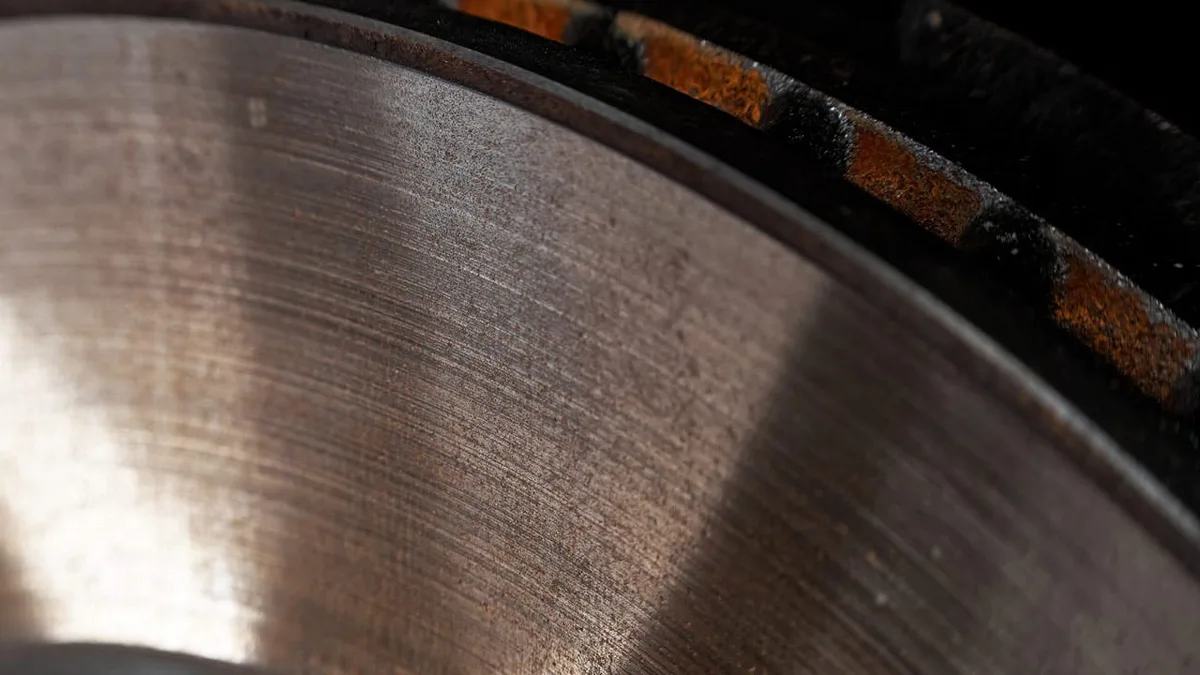
Image source: Bing (Web (fair-use with source credit))
Moisture from rain, dew, or a car wash does the same thing. The first two or three stops scrub the rotor clean, and the noise disappears. If that matches your pattern, you can drive on.
No repair needed.
There's a catch. If the squeal is still there after ten dry stops, something else is going on. That's usually glazed pads, worn pads, or missing anti-rattle hardware.
The fix is often a pad service, not a rotor replacement. If it keeps singing all day, why pads keep singing gets you deeper into the causes.
Ignore squeal that only happens on cold or damp mornings and fades quickly. Watch it closely if it becomes daily or gets louder. That means the next branch is closer than you think.
Branch 2: Grinding, Metal-on-Metal, and Pulsation
This is the branch that needs your attention today. A constant grinding or rasping sound means the friction material is gone. You're hearing the steel backing plate scrape against the rotor.
That contact cuts deep grooves into the rotor face and can reduce braking force.
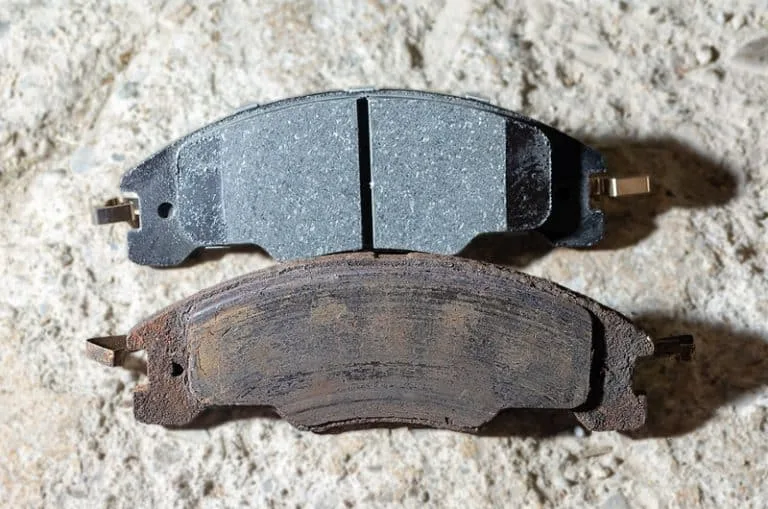
Image source: Bing (Web (fair-use with source credit))
If the pedal pulses under medium braking, that's a separate issue. It usually means disc thickness variation, or DTV. The rotor surface is uneven, so the pads grab and release rapidly.
Modern rotors are often too thin to resurface, so replacement is the practical fix.
Here's the if/then logic. If you hear grinding, stop driving and pull the wheel. Pad material below 3 mm means replace immediately.
If you feel pedal pulsation, check the rotor thickness against the minimum spec stamped on the rotor edge. If you can catch a fingernail in a deep score, replace the rotor. What to do after metal contact walks through the repair options.
One more warning. If the pedal ever drops toward the floor, that's a hydraulic problem, not a pad problem. Shut it down and get professional help right away.
That's a sudden brake failure scenario, not a diagnostic exercise.
Branch 3: Thunks, Clicks, and Hybrid-Specific Brake Quirks
Not every Tucson brake noise is a pad or rotor problem. Some sounds are the brake system doing its thing. A single thunk when you shift into Drive or Reverse is often the pads shifting slightly in their brackets.
A click when you release the pedal can be the caliper settling. Both are normal.
Hybrid and plug-in hybrid Tucsons add another layer. These models blend regenerative braking with friction braking. When the system switches between the two, you may hear a soft whir, click, or clunk from under the floor.
Aggregate owner feedback shows this is common and usually harmless. The same goes for the ABS module running a self-check when you start the car.
Pay attention to timing. If the noise only happens when you press or release the brake pedal at a stop, it's usually mechanical clearance. If it happens while you're rolling and braking, it deserves the same inspection as any other branch.
The exception is a rear brake thunk that grows louder over time. That's often a sign of worn rear caliper brackets or sticking slide pins. Catching it early keeps you from turning a grease job into a caliper replacement.
The 15-Minute Driveway Inspection: What to Look For
Before you book a shop appointment, you can check the basics at home. Park on level ground. Chock the rear wheels.
Loosen the lug nuts, jack up the front, and set it on a jack stand. Never trust a jack alone.
Here's what to look for:
- Look through the wheel spokes at the outer pad. Less than 3 mm of friction material means replace the pads.
- Check the rotor surface for grooves, rust rings, or blue spots. Blue spots mean overheating.
- Feel the rotor edge. A tall ridge on the outer rim means the rotor is worn and likely due.
- Compare pad wear side to side. One pad far thinner than the other points to a stuck caliper or seized slide pin.
- Wiggle the caliper by hand if you can reach it. Loose hardware rattles over bumps.
Brake rotors have a minimum thickness number stamped on the hub. Use a micrometer to measure. If you're unsure, a brake shop can measure it in five minutes.
After reinstalling the wheel, torque the lug nuts to about 80 lb-ft on Tucson models, or follow the owner's manual.
You can also cross-check service intervals using Hyundai's official site. If any part of the inspection feels beyond your comfort zone, don't skip it. Brakes are the one system where guessing is never worth it.
Mistakes That Make Tucson Brake Noise Worse
A few DIY habits can take a harmless noise and turn it into a bigger bill. Owner forums and service bays show the same patterns over and over. Here's what trips people up.
- Ignoring the squeal until it grinds. That morning squeak is a warning. Let it ride for months and you'll be buying rotors, not just pads.
- Fitting cheap aftermarket pads. Aggressive semi-metallic pads on a Tucson are notorious for noise. Stick with ceramic or OEM-spec friction material.
- Skipping new hardware. Anti-rattle clips and shims wear out. Reuse old ones and the pad vibrates. That vibration becomes a rattle or squeal.
- Forgetting to grease slide pins. Sticky caliper pins cause uneven pad wear, dragging brakes, and a pulling sensation. A few dollars of high-temp brake grease prevents all of it.
- Skipping the bedding-in procedure. New pads need a break-in sequence. Skip it and you get glazing, which makes the pads squeal on every stop.
Another expensive one is mixing old and new pads side to side. The car pulls under braking and the new pad wears fast. Always replace pads in axle sets.
The same rule applies to rotors. A mismatch in rotor thickness left versus right can trigger a pulsing pedal and uneven contact.
If you're getting parts for the job, double-check pad compatibility. Hybrid Tucsons use different rear calipers because of the electronic parking brake. Buying the wrong set wastes your time and keeps the noise alive.
Occasionally, the answer is to replace the caliper itself, especially if a piston is seized. That shows up as one pad worn far faster than the other, something a quick glance through the wheel can reveal. When that's the case, a stuck caliper and its symptoms is worth a read.
Tucson Brake Noise FAQs
Is it safe to drive with a squealing Tucson brake?
Usually yes, if the squeal is light and fades after the first few stops. That's surface rust. It's not safe if the noise is a constant grind or scrape.
That means the friction material is gone and metal is contacting metal. Get it checked immediately.
Why do my brakes sound worse in the morning?
Overnight, moisture and humidity form a thin layer of rust on the rotor face. The pads scrub it off on the first couple of stops. If the noise disappears after that, it's cosmetic.
If it lasts all day, you're dealing with glazed pads or worn hardware. Here's a deeper look at morning brake noise.
Can I replace just the pads without new rotors?
Yes, if the rotors are still within minimum thickness and the surface is smooth. Measure with a micrometer and compare against the spec stamped on the rotor hub. If there's a deep lip, scoring, or blue heat spots, replace the rotors too.
Do hybrid Tucsons have different brake noise causes?
Yes. Hybrid models blend regenerative braking with the physical friction brakes. The system may click, whir, or thunk as it switches between the two.
Drivers report that when the friction brakes sit unused for a while, surface rust builds faster. A few firm stops usually cleans it up.
When should I worry about pedal pulsation?
If the pedal pulses or shudders under medium braking, the rotors likely have uneven wear. That's called disc thickness variation. It won't fix itself.
The rotor surface needs machining or replacement.
The Decision Guide: When to Drive On, When to Repair, When to Tow
Here's the whole workflow in one place. Match your symptom and act accordingly.
| Condition | What to do | | Light squeal, cold or wet, fades after stops | Drive on. No repair needed. | | Squeal lasts all day, no grinding | Schedule a pad inspection soon. | | Grinding or scraping noise | Stop driving. Inspect or tow to a shop. | | Pulsing pedal under braking | Repair as soon as possible. | | Thunk when shifting or releasing pedal | Normal. Monitor only. | | Low or soft pedal | Tow immediately. Could be a hydraulic leak. |
The single most useful skill is learning to tell the difference between sound and risk. A morning squeak is your brakes talking. A grind is them screaming.
The decision tree is simple: if it's metal on metal, like the grinding branch we covered, the clock is ticking. Each stop removes more rotor material, and rotors cost far more than pads.
If you're ever torn, price the repair both ways. A pad replacement catches the noise early. A rotor and pad replacement because you waited doubles the cost.
Your owner's manual has the service intervals, and repair shops can tell you your current pad depth in minutes. That inspection is cheap. If the pedal ever feels low or soft, don't drive.
Brake failure warning signs explain what's happening and why it's urgent.



One Comment on “Hyundai Tucson Brake Noise”