If your Kia Sportage steering wheel is shaking, you're right to take it seriously. That vibration is your vehicle's primary warning signal, pointing to a potential issue with your tires, brakes, or suspension. Driving with an unstable steering wheel reduces your control and can mask a more serious developing problem.
Per SAE J2981 testing standards for wheel imbalance, vibrations at highway speeds often begin when tire imbalance exceeds roughly 0.25 ounces. This is a precise mechanical symptom with a direct cause. Let's walk through exactly what's happening and how to get it fixed.

49% off Today's Exclusive Deals
Limited-time Exclusive Deals. Check current discount on Amazon.
Check Price on Amazon As an Amazon Associate I earn from qualifying purchases.
Image source: Bing (Web (fair-use with source credit))
Why This Is a Safety Signal You Can't Ignore
Your steering wheel connects you directly to the road. Any abnormal behavior breaks that connection and erodes your driving confidence. The National Highway Traffic Safety Administration consistently lists steering-related complaints among its top safety concern categories.
49% off Today's Exclusive Deals
Limited-time Exclusive Deals. Check current discount on Amazon.
Check Price on Amazon As an Amazon Associate I earn from qualifying purchases.A vibration isn't cosmetic. It signals that a component is actively degrading. A failing suspension joint can cause unpredictable handling.
Warped brake rotors extend your stopping distance. The shake is the symptom. The underlying cause is what matters for your safety and your Sportage's health.
What's Causing the Vibration: The 4 Most Likely Culprits
Automotive service data shows the cause almost always falls into one of four systems. The specific character of the vibration is your best diagnostic clue.
Tire and Wheel Imbalance. The most common and least severe cause. If the shaking only happens between 55 and 75 mph and smooths out at other speeds, your tires are likely out of balance. A wheel bent from hitting a pothole causes the same effect.
Deal49% off Today's Exclusive Deals
Limited-time Exclusive Deals. Check current discount on Amazon.
Check Price on Amazon As an Amazon Associate I earn from qualifying purchases.Warped Brake Rotors. If vibration occurs only when you brake, the problem is in your brake system. The brake rotor has developed excessive lateral runout or warped from heat. This directly impacts stopping ability and demands prompt attention.
Worn Suspension Components. This presents as general looseness or vibration, especially over bumps. Worn tie rod ends, ball joints, or control arm bushings allow excess movement in the steering and suspension geometry.
Failing Wheel Bearing. A bad wheel bearing typically starts with a growling noise that changes with speed. As it worsens, it develops enough play to cause a wobble felt through the steering wheel. In extreme cases, this leads to wheel separation.
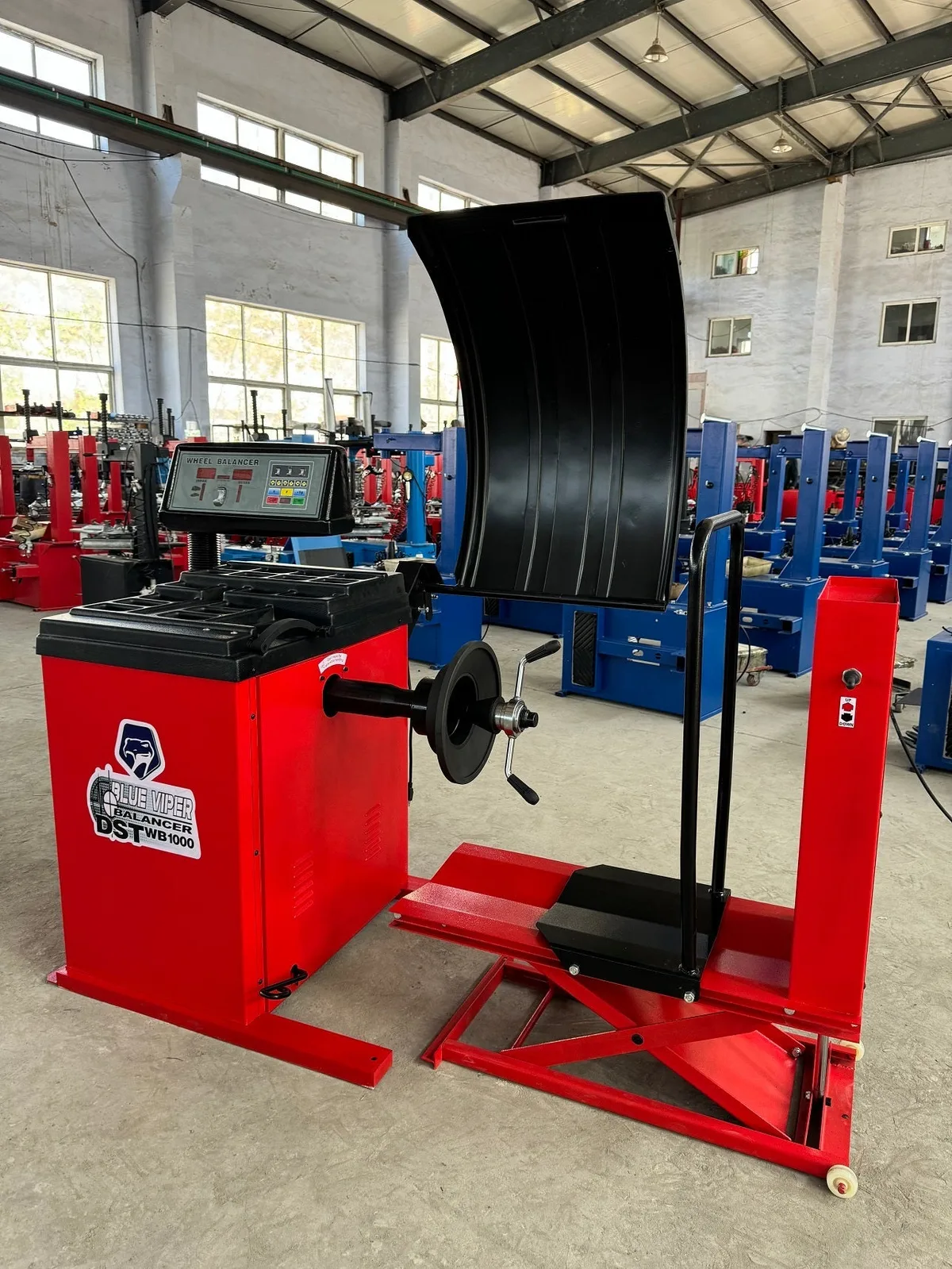
Image source: Bing (Web (fair-use with source credit))
How to Identify Which Cause Applies to Your Situation
Use this simple decision framework to narrow things down before your shop visit.
- Note the speed. Vibration only at highway speeds points to tire imbalance. Vibration at all speeds suggests a bent wheel or suspension issue.
- Test the brakes. On a safe, empty road, gently apply brakes from moderate speed. Does the shake intensify? If yes, the problem is brake rotors. Drivers dealing with brake pedal pulsing often have this same root cause.
- Listen and feel. Hear a humming noise that changes with speed? Does the car feel sloppy over bumps? Those signs point to suspension parts or a wheel bearing. Similar symptoms show up in models with steering complaints across this platform.
A mechanic will confirm with hands-on inspection. They'll check tire balance on a dynamic machine, measure rotor runout with a dial indicator, and inspect suspension joints for play.
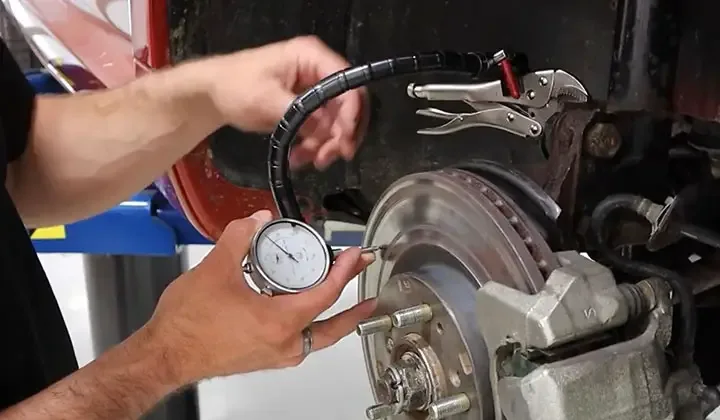
Image source: Bing (Web (fair-use with source credit))
How Serious Is It? Risk Levels for Each Symptom Pattern
Not all shakes carry equal urgency. Use this quick reference to prioritize.
| Symptom Pattern | Risk Level | What to Do |
|---|---|---|
| Shake at 60 mph, gone at 45 | Low to Moderate | Likely tire imbalance. Drive to a tire shop for rebalancing. |
| Shake only when braking | High | Brake rotors compromised. Get an inspection immediately. |
| Constant shake over bumps | High | Suspension failing. Avoid highways. See a mechanic soon. |
| Shake plus wheel noise | Critical | Wheel bearing may be failing. Stop driving. Consider towing. |
Repair Costs and What a Mechanic Will Actually Do
Knowing the typical process and cost range helps you have an informed conversation with your service advisor. As of 2026, here's what to expect.
Tire rebalancing is simple and affordable, often under $25 per tire. The process takes 15 to 30 minutes per wheel on a balancing machine.
Brake rotor replacement involves measuring rotor thickness and runout with a micrometer and dial indicator. If they're below spec or warped, replacement is needed. Parts and labor for an axle typically range from $300 to $600, including new pads.
Suspension component replacement varies by part. A single tie rod end might run $150 to $350. If multiple parts are worn, the total increases.
A four-wheel alignment, mandatory after suspension work, costs $100 to $150. If your Sportage is also showing signs of a cooling system leak, mention it during your visit so the shop can check multiple systems at once.
Wheel bearing replacement ranges from $300 to $600 per wheel, depending on labor rates and parts sourcing.
Always get a written estimate before authorizing work. Ask the shop to show you the worn parts and explain what failed.
Mistakes That Make Kia Sportage Steering Vibrations Worse
The biggest error is ignoring it. Aggregate service data from dealership networks shows that delaying a steering vibration often turns a $20 rebalance into a $500 plus suspension repair. The problem compounds over time.
Common mistakes to avoid:
- Driving on it for weeks. A tire imbalance wears tread unevenly, potentially ruining a tire with thousands of miles left. A bad rotor keeps deteriorating with every stop.
- Rotating tires instead of balancing them. Rotation moves tires to different positions. Balancing corrects weight distribution. They're different procedures, and rotation alone won't fix a speed-dependent vibration.
- Using aftermarket wheels without re-balancing. New wheels change weight distribution. You need a fresh balance on every new setup, even if the tires stay the same.
- Ignoring lug nut torque. Over-tightening or unevenly tightening lug nuts can warp a brake rotor. Use a torque wrench set to your Sportage's spec, typically 80 to 100 ft-lbs.
- Replacing only one rotor or one tire. Brake rotors should always be replaced in pairs per axle. Tires should be replaced in pairs or sets of four for even grip and handling. Mixing worn and new creates imbalance.
If the vibration has already led to engine shaking or broader mechanical concerns, the damage may have spread beyond the original cause. A thorough multi-point inspection is your best move.
When to Stop Driving and Get It Fixed Immediately
Some symptoms demand immediate action. Per NHTSA safety guidelines, any steering anomaly that compromises vehicle control requires you to stop driving until it's inspected.
Stop driving immediately if you experience any of these:
- Violent shaking at any speed that makes it hard to hold a straight line.
- Loud grinding, growling, or clicking from a wheel that gets louder with speed.
- A soft or spongy brake pedal, or aggressive pulsing during normal stops.
- Sharp pulling to one side when you release the steering wheel.
- Clunking through the steering wheel when turning.
These suggest active component failure. A separated tire, seized bearing, or disconnected tie rod can cause loss of control in seconds.
It's safe to drive to a shop if:
- The vibration is mild and only occurs at a specific highway speed.
- There's no accompanying noise, pulling, or brake issues.
- The symptom has been consistent and unchanged for several days.
Even in these cases, don't wait more than a week. Accelerated tire wear from imbalance becomes measurable within 500 miles. If your Sportage is also showing electrical glitches like key fob problems, address those during the same shop visit.
Frequently Asked Questions
Can I drive my Kia Sportage with a shaking steering wheel?
It depends on severity. A mild highway-speed vibration is drivable short-term, but get it checked within a few days. Violent shaking, shaking at all speeds, or shaking paired with noises means stop driving.
Towing to a shop is the safest choice.
Is a shaking steering wheel covered under Kia warranty?
It depends on the cause and your warranty status. Kia's basic warranty covers defects for 5 years or 60,000 miles. If the vibration stems from a manufacturing defect, coverage is possible.
Wear items like brake pads, rotors, and tires are typically excluded unless premature failure results from a defect. Check with your dealer.
How much does it cost to fix a shaking steering wheel?
Costs vary by cause. Tire rebalancing runs $10 to $25 per tire. Brake rotor replacement for an axle is $300 to $600.
A suspension component like a tie rod end costs $150 to $350. Wheel bearing replacement is $300 to $600 per wheel. Always get a written estimate.
Can bad alignment cause the steering wheel to shake?
Misalignment typically causes pulling or drifting, not vibration. However, if alignment is off because of a bent wheel or damaged suspension part, that underlying damage causes the shake. Alignment is part of the fix but rarely the sole cause.
How often should I get my tires balanced on a Kia Sportage?
Check tire balance at every rotation, typically every 7,500 to 10,000 miles. If you drive on rough roads frequently, check sooner. Signs you need a re-balance include highway-speed vibration or uneven tread wear.
Regular tire pressure monitoring also extends tire life between services.
Will a shaking steering wheel fix itself?
No. A mechanical vibration always has a physical cause that won't self-resolve. Tire imbalance, worn components, and warped rotors don't repair themselves.
The problem will stay the same or get worse. Early intervention is always cheaper and safer than waiting.