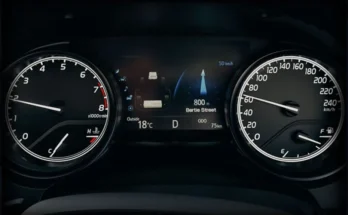
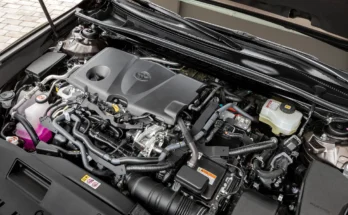
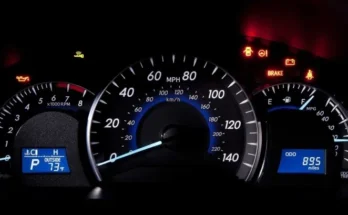
A Toyota Camry brake pedal soft under your foot is a warning, not a nuance. It means the hydraulic system responsible for stopping your car isn't building pressure the way it should. A pedal that feels spongy, mushy, or slowly sinks toward the floor demands immediate attention.
Toyota's braking system operates within tight hydraulic pressure tolerances. Even a small amount of trapped air or a degraded seal can noticeably ruin pedal feel. Here's what causes a soft brake pedal in the Camry, how to diagnose it yourself, and when you should stop driving altogether.

49% off Today's Exclusive Deals
Limited-time Exclusive Deals. Check current discount on Amazon.
Check Price on Amazon As an Amazon Associate I earn from qualifying purchases.Quick Answer
A Toyota Camry brake pedal soft under normal driving typically signals air in the brake lines, a failing master cylinder, contaminated brake fluid, or a leaking hydraulic component. Stop driving the vehicle immediately. Check your brake fluid level first.
If it sits below the MIN mark or appears dark and murky, that's your starting point. If the fluid looks fine but the pedal still sinks under pressure, get the car towed to a qualified technician.
Why a Soft Brake Pedal Is a Safety Emergency
A soft pedal means your braking system can't generate the hydraulic pressure it needs to stop efficiently. At 60 mph, a healthy Camry stops in roughly 120 to 130 feet. A compromised system pushes that distance out significantly, and in an emergency, those extra feet matter.
49% off Today's Exclusive Deals
Limited-time Exclusive Deals. Check current discount on Amazon.
Check Price on Amazon As an Amazon Associate I earn from qualifying purchases.The National Highway Traffic Safety Administration (NHTSA) classifies brake defects among the most critical vehicle safety issues. Brake-related complaints consistently rank in the top five reported defects across all vehicle makes.
This isn't Camry-specific either. Owners of the Mazda CX-5 report parallel brake pedal complaints rooted in the same hydraulic principles. Kia Sportage drivers have documented comparable brake concerns with similar symptoms and causes.
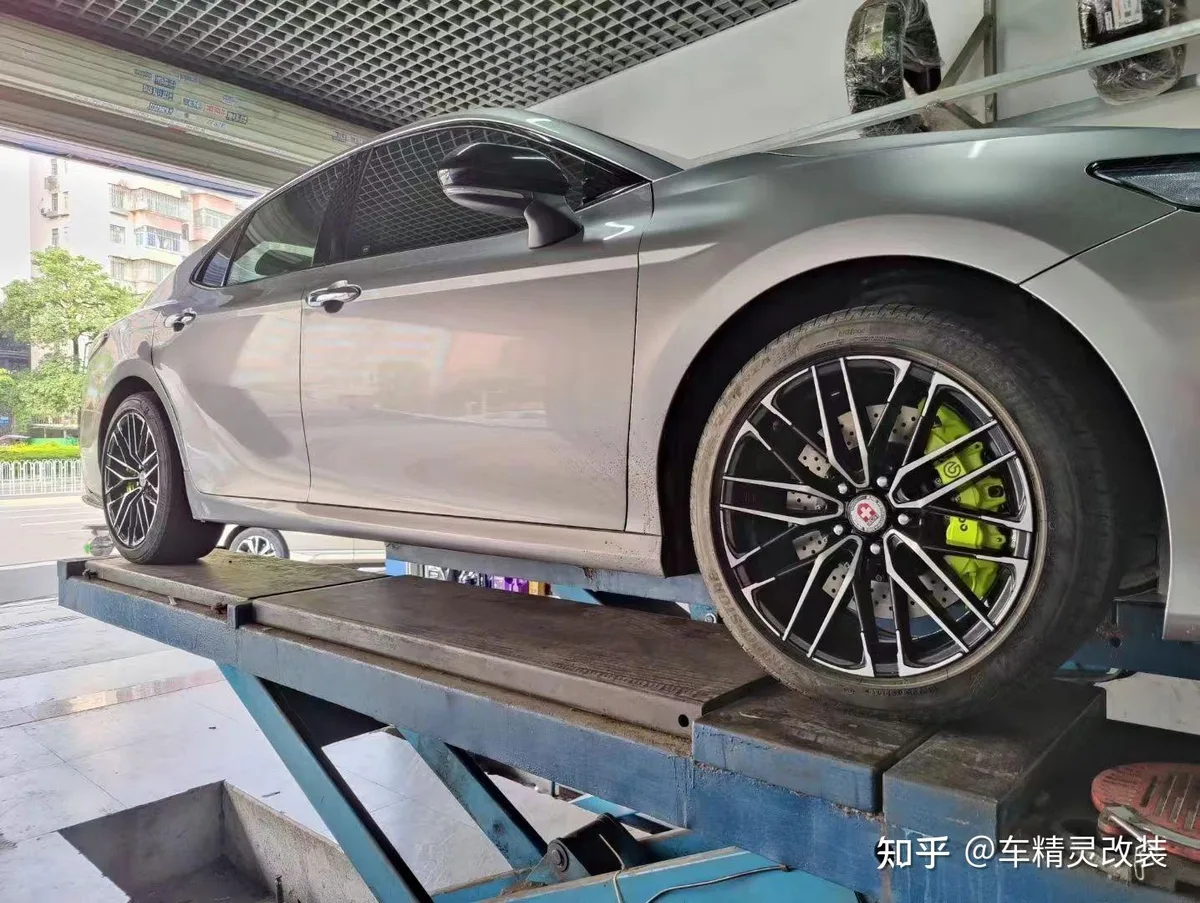
Image source: Bing (Web (fair-use with source credit))
49% off Today's Exclusive Deals
Limited-time Exclusive Deals. Check current discount on Amazon.
Check Price on Amazon As an Amazon Associate I earn from qualifying purchases.You shouldn't drive the car until you've identified and fixed the problem. Common patterns include a pedal that feels normal at first but sinks under steady pressure, one that requires extra travel before the brakes bite, or brakes that engage but never feel solid. Each pattern points to a different root cause.
If the soft pedal appeared right after brake service, air was likely left in the lines during bleeding. If it developed gradually over weeks, you're probably looking at worn components or fluid degradation.
What's Actually Happening Inside Your Camry's Brake System
Your Camry uses a hydraulic braking system. When you press the brake pedal, a pushrod forces the master cylinder piston forward. That action creates hydraulic pressure throughout the brake lines.
The pressure reaches each wheel's caliper and forces the pads against the rotors.
The brake booster sits between the pedal and the master cylinder. It uses engine vacuum to multiply the force you apply. Without the booster, you'd need roughly four times more leg effort to slow the car.
A failing booster won't directly cause a soft pedal, but it can make the pedal feel inconsistent.
Here's the critical principle. Hydraulic brake fluid doesn't compress. Air does.
When you push the pedal and feel mushiness, you're compressing trapped air instead of transferring force to the calipers. Even a single tiny bubble can ruin pedal feel.
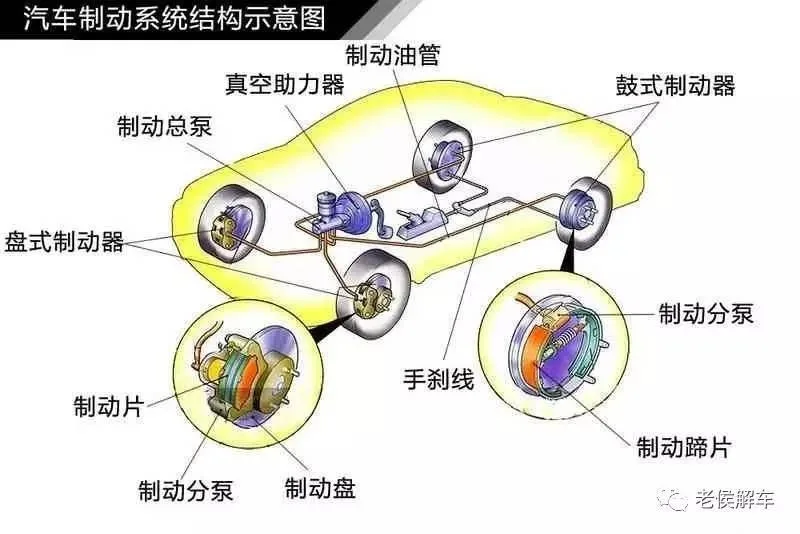
Image source: Bing (Web (fair-use with source credit))
Toyota specifies DOT 3 brake fluid for most Camry generations. Over time, brake fluid absorbs moisture from the atmosphere. That moisture lowers the fluid's boiling point and introduces internal contaminants.
Per testing standards from SAE International, brake fluid should be replaced per manufacturer intervals, typically every two to three years or 30,000 to 45,000 miles. As of 2026, Toyota recommends inspecting brake fluid condition at every scheduled service. Dark or murky fluid well past its service window is a red flag.
The 4 Most Common Causes of a Soft or Spongy Brake Pedal
Four causes account for the vast majority of soft pedal complaints across Camry generations.
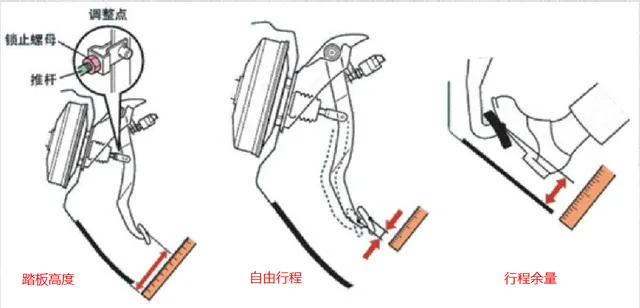
Image source: Bing (Web (fair-use with source credit))
1. Air in the brake lines
This is the most common cause and the easiest to fix. Air enters the system during brake service if the lines aren't properly bled. It can also seep in through a worn bleeder valve or a cracked flexible hose.
The telltale symptom is a spongy pedal that improves slightly when you pump it repeatedly.
2. Worn or failing master cylinder
The master cylinder converts your pedal force into hydraulic pressure. When its internal seals wear out, fluid bypasses the piston internally instead of building pressure. The classic sign: the pedal sinks slowly when you hold it steady.
This is especially common in Camrys over 100,000 miles.
3. Contaminated or old brake fluid
Moisture-saturated brake fluid loses its ability to transfer pressure cleanly. It can also cause internal corrosion of caliper pistons and master cylinder bores. Symptoms build so gradually that many drivers don't notice until the pedal is noticeably softer than it used to be.
4. Leaking hydraulic component
A leaking brake line, caliper seal, or wheel cylinder loses fluid from the system. Check under the car for wet spots near each wheel and along the rigid steel lines running under the chassis. Any fluid trail near a brake component is a clear sign of a leak that needs immediate repair.
Step-by-Step: How to Diagnose the Exact Cause at Home
You don't need a full shop setup to narrow down the cause. Follow this sequence if you have basic mechanical comfort.
Step 1: Check brake fluid level
Pop the hood. Locate the brake fluid reservoir on the driver's side, near the firewall. If the level sits below the MIN line, that's your first clue.
Top it off with the correct DOT-rated fluid and recheck the pedal feel.
Step 2: Inspect for visible leaks
Get under the car and look at each wheel for wet, dark spots on the brake components. Check the flexible rubber hoses where they connect to the calipers. Inspect the rigid steel lines along the undercarriage.
Fluid residue near any brake component points to a leak.
Step 3: Test the brake booster
With the engine off, pump the brake pedal five or six times until it feels firm. Then press and hold. Start the engine.
The pedal should sink slightly as the booster engages. If it doesn't move, the booster or its vacuum supply line may be faulty.
Step 4: Check for the sinking-pedal pattern
Start the engine. Press the brake pedal firmly and hold it. If the pedal slowly creeps toward the floor over 10 to 15 seconds, the master cylinder's internal seals are likely bypassing.
This is a strong indicator of master cylinder failure.
Step 5: Assess fluid condition
Dip a clean finger or a brake fluid test strip into the reservoir. Fresh DOT 3 fluid is clear to light amber. If it's dark brown or black, moisture contamination is almost certainly contributing to your problem.
Dangerous Mistakes That Could Make Things Worse
The wrong response to a brake issue can turn a manageable repair into a dangerous situation.
Driving the car to "test it out."
This is the big one. If your pedal feels soft, don't drive anywhere to see if it improves. A sudden loss of braking at highway speed can cause a serious accident.
If the car isn't safe to drive, get it towed.
Adding fluid without checking for leaks.
Topping off the reservoir is fine temporarily. But if fluid is escaping through a leak, you're masking the problem while the system continues to degrade. Always trace the source before refilling.
Bleeding brakes in the wrong sequence.
If you're bleeding the system yourself, start at the wheel farthest from the master cylinder and work toward the closest. On most Camrys, that means passenger rear first, then driver rear, passenger front, driver front. Skipping this order traps air in the lines.
Ignoring a soft pedal after recent brake work.
If the pedal went soft after a pad change or rotor swap, air was almost certainly left in the system. Don't wait weeks hoping it resolves on its own.
Using the wrong brake fluid.
Toyota specifies DOT 3 for most Camry models. Mixing fluid types or using the wrong specification can damage seals and reduce braking performance. Always check your owner's manual or the reservoir cap.
When to Call a Tow Truck Instead of Picking Up a Wrench
Some brake problems are safe to diagnose at home. Others aren't worth the risk.
Call for a tow if any of these are true.
- The pedal sinks to the floor with the engine running and doesn't recover.
- You see brake fluid leaking visibly from a wheel, line, or caliper.
- The brake warning light is on and the pedal feels abnormally soft.
- The pedal was fine yesterday and suddenly went soft with no recent service.
- You're not comfortable working around hydraulic brake systems.
Brakes aren't the place to "learn as you go" if you're uncertain. A brake system under pressure holds enough force to cause serious injury if a component releases unexpectedly. Professional technicians have the right tools, training, and containment to handle it safely.
If the car is drivable but the pedal is soft, take a conservative approach. Drive only if you must, at reduced speed, with extra following distance. Avoid highways and steep terrain. Head straight to a shop.
If the pedal gets softer during the drive, pull over immediately and call for a tow.
For Camry owners dealing with electrical or ABS-related brake issues, professional diagnosis with a scan tool is the only reliable path. Problems involving systems like the Kia Sportage's tire pressure monitoring teach a useful lesson. Modern vehicles tie multiple safety systems together, and a problem that looks mechanical may actually be electronic.
Technicians with the right equipment can tell the difference in minutes. You might spend hours guessing.
Similarly, drivers who've dealt with Kia Sportage coolant leak issues know that fluid system problems share a common pattern. A slow leak that seems minor today can escalate into a major failure if left unaddressed. The same principle applies to brake fluid.
If you see any sign of a leak, don't wait.
Frequently Asked Questions
How much does it cost to fix a soft brake pedal on a Toyota Camry?
It depends on the cause. A brake fluid flush runs roughly $100 to $200 at most shops. A master cylinder replacement typically costs $300 to $600 including parts and labor.
Leaking calipers or brake lines fall in a similar range per component. As of 2026, labor rates vary by region, so get a specific quote from a local shop you trust.
Can I drive my Camry with a soft brake pedal?
You shouldn't. A soft pedal means the braking system isn't delivering full stopping power. The car might feel manageable at low speeds, but under hard braking or in an emergency, the system could fail to stop you in time.
If the car is in your driveway, keep it there until it's fixed.
Is a soft brake pedal the same as brake fade?
No. Brake fade happens when brakes overheat during repeated hard use, like descending a long mountain grade. The pedal may soften temporarily but returns to normal once the components cool.
A Camry brake pedal soft under normal driving conditions points to a mechanical or hydraulic problem, not heat buildup.
Will bleeding the brakes fix a soft pedal?
Sometimes. If air entered the system during recent service, a proper bleed sequence usually restores firm pedal feel. But if the root cause is a failing master cylinder or a leak, bleeding won't solve it.
You need to fix the underlying problem first, then bleed as the final step.
How often should I replace my brake fluid?
Toyota recommends inspecting brake fluid condition at each scheduled service interval. Aggregate data from independent mechanics suggests a full replacement every two to three years or 30,000 to 45,000 miles. If you drive in humid climates or do a lot of stop-and-go commuting, err on the shorter side.
Moisture absorption is the primary reason brake fluid degrades, and humid environments accelerate it. Drivers who've dealt with Mazda CX-5 radiator problems on related platforms often find that ignoring fluid service intervals compounds multiple issues over time.