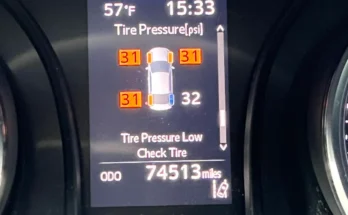
That sinking feeling when you turn the key and nothing happens is universal. Your Honda Civic won't start, and you're stuck. Is it a simple fix you can handle in the driveway, or do you need a tow truck?
The answer depends entirely on the specific symptoms you're experiencing right now.
49% off Today's Exclusive Deals
Limited-time Exclusive Deals. Check current discount on Amazon.
Check Price on Amazon As an Amazon Associate I earn from qualifying purchases.Aggregate repair data shows a dead or weak battery is the culprit in nearly 50% of no-start cases. Other common issues include a faulty starter motor, a drained key fob battery, or an immobilizer system glitch. We’ll walk you through the exact steps to diagnose the problem based on what you see and hear, starting with the most likely and easiest fixes first.
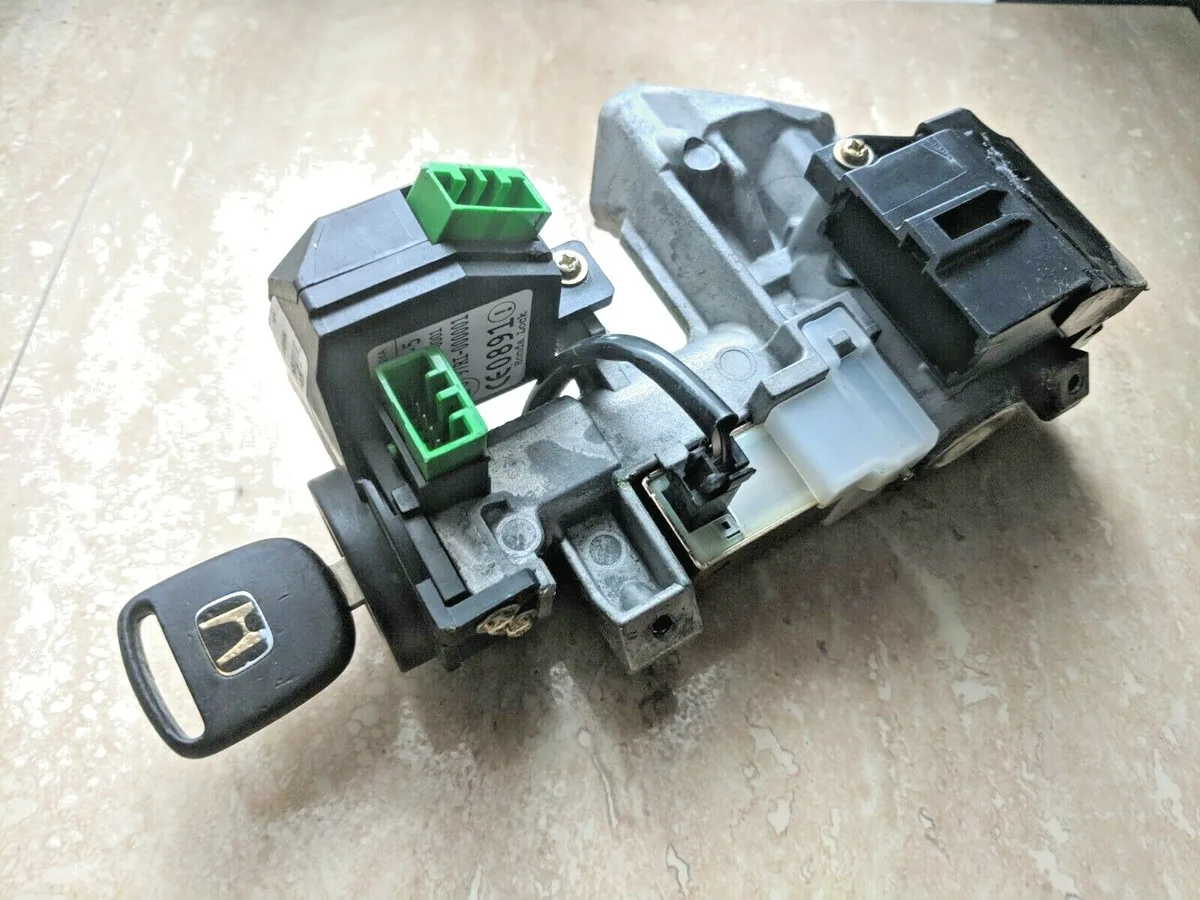
Image source: Bing (Web (fair-use with source credit))
49% off Today's Exclusive Deals
Limited-time Exclusive Deals. Check current discount on Amazon.
Check Price on Amazon As an Amazon Associate I earn from qualifying purchases.What Do You Mean By "Won't Start"?
Before you grab any tools, listen carefully. The sound (or lack of sound) when you turn the key is your primary diagnostic clue. A 2022 technical bulletin from Honda emphasized that misdiagnosing the initial symptom is the most common reason for repeated, unnecessary repairs.
There are three main categories of "won't start" conditions.
- Dead Silence: You turn the key and get absolutely nothing. No dash lights, no clicking, no sound at all.
- Rapid Clicking or a Single Loud Click: You hear a series of fast clicks or one solid "clunk" when you try to start it, but the engine doesn't turn over.
- Engine Cranks but Won't Start: The engine makes its normal "rur-rur-rur" starting sound, but it just won't fire up and run on its own.
Identifying which one you have immediately narrows down the potential causes and saves you time.
The Single Most Important First Step You Must Take
Regardless of the symptom, check two things first. Ensure the gear selector is firmly in Park (or in Neutral for a manual transmission). Next, try gently rocking the steering wheel left and right while turning the key.
49% off Today's Exclusive Deals
Limited-time Exclusive Deals. Check current discount on Amazon.
Check Price on Amazon As an Amazon Associate I earn from qualifying purchases.A locked steering wheel, a built-in security feature, can prevent the key from turning the ignition cylinder at all.
The Dead Silence Diagnosis: No Sound, No Crank, No Nothing
This is often the most alarming symptom, but it frequently points to the simplest problems. Your first task is to check for electrical power. Turn the key to the "ON" position (without trying to start) and look at the dashboard.
Do any warning lights illuminate? Do the interior dome lights or headlights turn on?
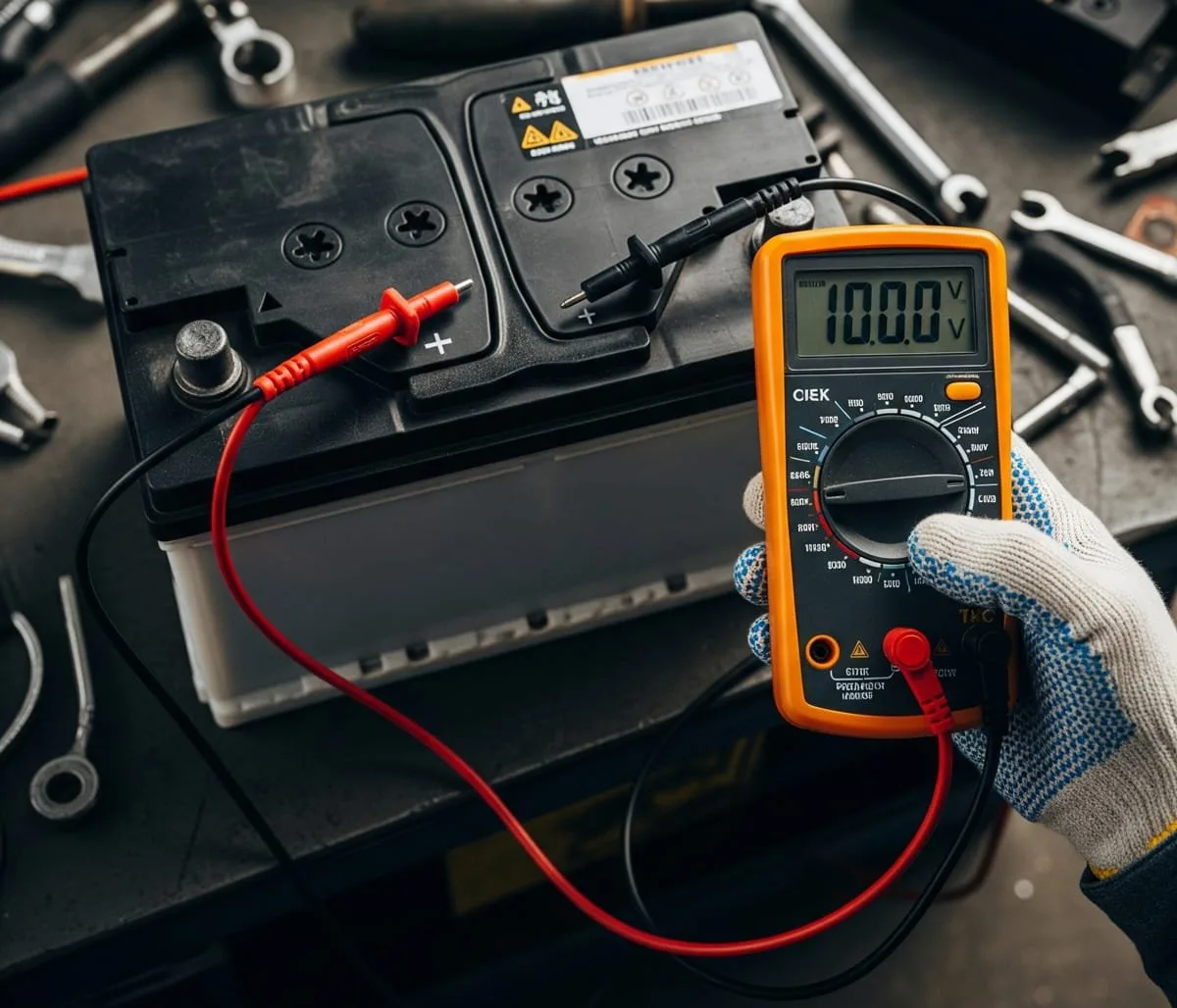
Image source: Bing (Web (fair-use with source credit))
If the dashboard is completely dead, the issue is almost certainly with the battery or its connections. Manufacturer specifications for a standard Honda Civic battery are typically 12.6 volts when the engine is off. A reading below 12.4 volts indicates a discharged state.
You can test this with a basic multimeter, placing the red probe on the positive terminal and the black on the negative.
The Immobilizer Check: That Blinking Green Key Light
If your dash lights up but you get silence, look for a green key-shaped light flashing on the instrument panel. This is the immobilizer system indicator. A flashing light means the system does not recognize your key.
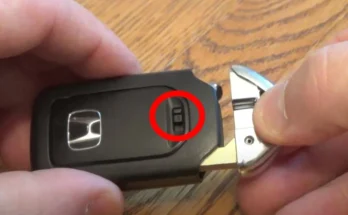
It could be a dead key fob battery or an issue with the transponder chip inside your key.
A quick reset attempt is to lock the car with the key fob, wait 30 seconds, and unlock it again. If you have a spare key, try using it. For models with a key fob not working issue, the problem might be the fob's own battery, not the car.
The Battery Verdict: Testing for Power
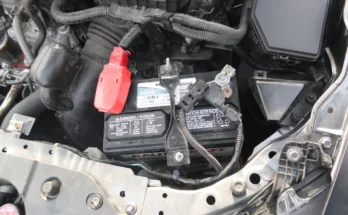
If the battery has power but the car is silent, open the hood. Examine the battery terminals. You're looking for a white, blue, or greenish powdery corrosion buildup on the metal posts.
This corrosion acts like a insulator, blocking the flow of electricity even if the battery itself is good.
Clean the terminals with a wire brush or a battery terminal cleaner tool. Ensure the cable clamps are tight and can't be wiggled by hand. A loose or corroded connection is a remarkably common and free fix for a no-start condition.
The Clicking Sound Diagnosis: What a Fast or Single Click Means
Hearing clicks means the battery has some power, but it’s likely too weak to engage the starter motor. The rapid "click-click-click" is the sound of the starter solenoid trying to pull in but failing due to insufficient current. This points strongly to a dying battery.
Before replacing it, perform a load test. An auto parts store can often do this for free. A weak battery may show 12.6 volts at rest but will drop dramatically under load.
If the battery tests good, the fault may lie with a poor connection you can't see or a failing alternator problem that didn't recharge the battery properly while driving.
The Terminal Check: Cleaning Corrosion
Just like with the dead silence scenario, visually inspect and clean the battery terminals. Pay close attention to the ground cable where it bolts to the vehicle's chassis. Rust or paint in this area can interrupt the ground circuit, causing the exact same clicking symptoms.
The Battery Health Test: More Than Just Voltage
If the battery is old (typically over 3-5 years), its internal health is suspect even if connections are clean. A single loud click often indicates the starter solenoid is getting power but the starter motor itself cannot turn. This could mean a seized engine (rare and serious) or a faulty starter motor.
Tap the starter lightly with a rubber mallet (while someone holds the key in "start"). Sometimes this temporary vibration can free worn brushes and get it going one last time, enough to drive it for service.
The "It Cranks But Won't Start" Diagnosis: Fuel and Spark
When the engine turns over normally but won't start, the problem is with fuel delivery, spark, or air. Start with fuel. Turn the key to the ON position (not START) and listen carefully near the rear seat or fuel filler door.
You should hear a faint 2-second hum or whine. That's the fuel pump priming the system. No hum?
The fuel pump or its relay may have failed.
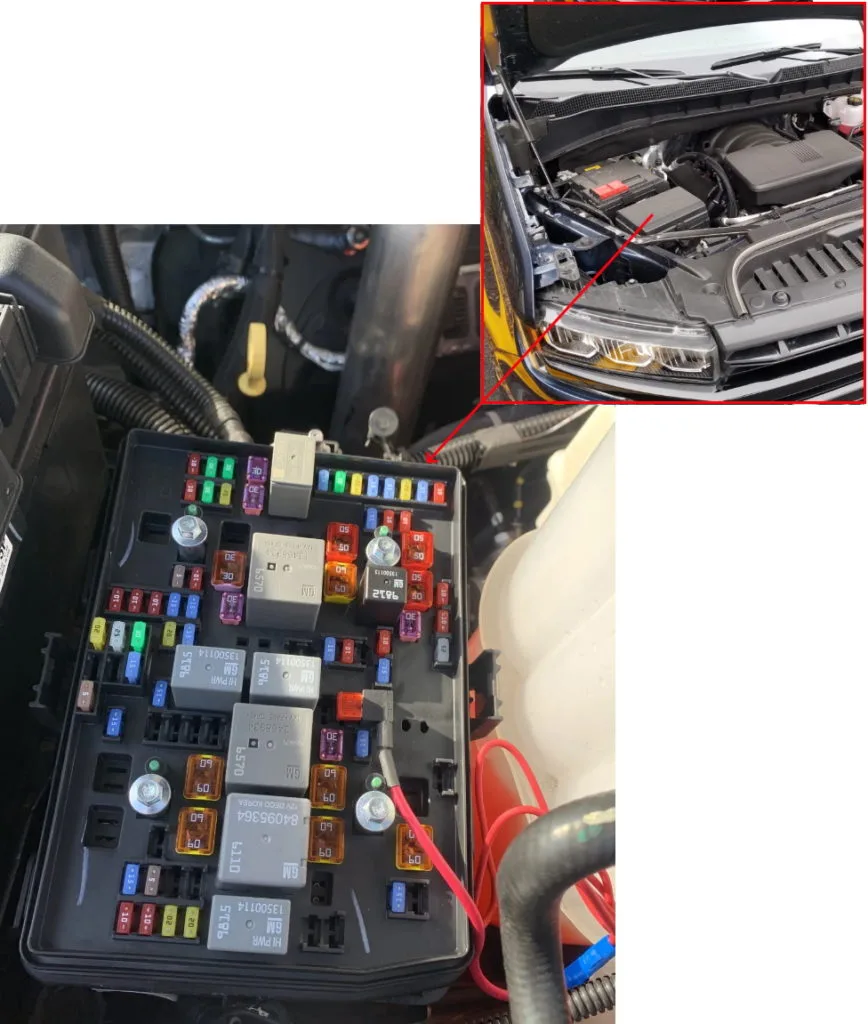
Image source: Bing (Web (fair-use with source credit))
The fuel pump relay is a common and inexpensive part that can fail. Your owner's manual will show its location in the under-hood fuse box. Swap it with an identical relay from another system (like the horn) to test.
If the car then starts, you've found your culprit.
The Fuel Pump Listen Test: Do You Hear That Hum?
If you hear the pump prime, your next check is for spark. Remove a spark plug wire or ignition coil, insert a spare spark plug, ground it against the engine block, and have someone crank the engine. Look for a bright blue spark.
No spark points to an ignition system issue, like a failed coolant leak causing overheating that damaged a sensor, or a faulty crankshaft position sensor.
The Quick Reset: A Possible ECM Glitch Fix
Sometimes, the Engine Control Module (ECM) just needs a reboot. Disconnect the negative battery terminal for 15 minutes. This clears any temporary fault codes and resets the system.
Reconnect the battery and try starting again. This simple process can resolve intermittent electronic gremlins.
The Decision Guide: When to Fix It Yourself and When to Call for Help
Knowing when to stop is part of smart troubleshooting. You can confidently handle cleaning terminals, replacing a key fob battery, swapping a relay, or even testing the battery. These are low-risk, low-cost jobs.
However, you should call for professional help if: you've confirmed the battery and connections are good but still get a single click (starter motor replacement), you have no spark and no fuel pulse (complex electrical or sensor diagnosis), or if you smell gasoline strongly when trying to start (potential fuel leak, a serious fire risk).
The $5 Fix vs. The $500 Problem: Cost Reality
Understanding potential costs helps you decide if a DIY attempt is worthwhile. Here’s a realistic breakdown of common repairs for a no-start condition.
| Problem | DIY Fix Cost | Professional Repair Cost |
|---|---|---|
| Dead Key Fob Battery | $5 (battery only) | $20-$50 (battery + labor) |
| Corroded Battery Terminals | $10 (cleaning kit) | $50-$80 (cleaning + inspection) |
| Weak/Dead 12V Battery | $100-$160 (new battery) | $180-$250 (new battery + install) |
| Failed Starter Motor | $150-$250 (part only) | $350-$600 (part + labor) |
| Failed Fuel Pump | $150-$250 (part only) | $600-$900 (part + labor + tank drop) |
Your On-Board Diagnostic Tool: Reading the Codes
If the check engine light is on, an OBD-II scanner is invaluable. Many auto parts stores will read the codes for free. Codes like P0685 (ECM Power Control Circuit) or P0335 (Crankshaft Position Sensor) provide a direct roadmap to the problem.
However, be aware that a no-start condition can sometimes occur without setting a diagnostic code.
Mistakes That Get You Stuck (And How to Avoid Them)
Even simple diagnostics go wrong when you're stressed and running late. Here are the most common errors people make, and how to avoid them.
Don't Ignore the Obvious
Before tearing into the engine bay, check the basics. Is the car in Park? Is the steering wheel locked?
Is the key fob battery dead? Aggregate repair shop data suggests nearly 30% of no-start tow calls get resolved before the truck even arrives. A simple door lock problem on a related system can sometimes confuse the immobilizer into thinking the vehicle is being tampered with.
Why You Shouldn't Keep Trying to Start It
Repeatedly cranking the engine drains the battery further. Each attempt uses significant current. If the engine doesn't fire within 5 seconds of cranking, stop.
Wait 30 seconds before trying again. Continuous cranking can overheat the starter motor and cause permanent damage to the starter windings.
The Right Way to Jump-Start
Connect the positive (red) cable to the dead battery's positive terminal first. Attach the other end to the good battery's positive. Then connect the negative (black) cable to the good battery's negative terminal.
Attach the final clamp to an unpainted metal surface on the dead car's engine block. Start the working car, wait two minutes, then try starting yours. Per the [U.S.
Department of Transportation](https://www.nhtsa.gov/) vehicle safety guidelines, always secure loose clothing and remove jewelry before working near batteries.
FAQ: Quick Answers for Common Concerns
Can a dead key fob battery prevent my Civic from starting?
Yes. The immobilizer system requires the transponder chip inside the key to communicate with the car's ECU. If the key fob battery is dead on a Smart Entry model, the car won't recognize the key.
On push-button models, hold the fob directly against the start button. The system has a backup RFID reader that detects the chip even with a dead battery.
How do I reset my Honda Civic immobilizer?
Lock all doors with the key, remove the key from the ignition, and wait at least 30 minutes. Some models require you to turn the key to "ON" and leave it for 10 minutes until the security light stops flashing, then turn it off and try starting. If the issue persists, you may need a dealer-level reprogramming tool to re-sync the keys.
Why does my Civic click but not start?
A rapid clicking sound means the battery has enough power for lights but not enough to engage the starter motor. This points to a weak or dying battery. A single loud click often indicates a faulty starter solenoid or starter motor itself.
Testing battery voltage under load will confirm which one it is.
How long does a Honda Civic battery last?
Manufacturer data and aggregate owner reports place average battery lifespan between 3 and 5 years. Extreme heat and cold shorten this window. In southern states, batteries may only last 2 to 3 years.
Regular voltage checks during oil changes help you catch a declining battery before it leaves you stranded.
Should I jump-start my Civic or just replace the battery?
If the battery is under 3 years old and was recently drained, a jump-start followed by a 30-minute drive will recharge it. If the battery is over 4 years old or won't hold a charge after driving, replacement is the smarter move. A battery that repeatedly dies is telling you it's at end of life.
Prevention: How to Keep Your Civic Starting Reliably
The best no-start fix is preventing the problem entirely. A few simple habits go a long way toward keeping your Civic dependable year after year.
Battery Maintenance
Have your battery tested every 6 months, ideally before winter arrives. Clean the terminals annually to prevent corrosion buildup. If your Civic sits unused for more than two weeks, consider a battery tender.
These trickle chargers maintain optimal voltage and can extend battery life significantly. During routine brake inspections, ask the shop to check battery voltage and alternator output simultaneously.
Key Fob Care
Replace the key fob battery every 12 to 18 months. A CR2032 battery costs a few dollars and takes 30 seconds to swap. Keep your spare key charged for Smart Entry models and stored somewhere accessible.
If you notice the fob's range decreasing, that's your early warning sign that the battery is fading.
Regular Electrical System Checks
A weak alternator slowly kills your battery while you drive. Catching it early prevents the classic scenario of a car that dies after sitting overnight. Steering wheel shaking at certain speeds can sometimes indicate electrical grounding issues that also affect starting circuits.
For older Civics in cold climates, radiator problems that cause overheating can damage sensors critical to the starting system. Keeping your cooling system in good shape protects more than just the engine. A transmission slipping issue can also place extra load on the electrical system.
Addressing these connected systems proactively saves you from surprise no-start mornings.