If you're dealing with a Tesla Model Y battery problem, you're not alone. It's one of the most common concerns among owners, and for good reason. Your battery powers everything from the drive unit to the heated seats.
When something goes wrong, you feel it fast.

49% off Today's Exclusive Deals
Limited-time Exclusive Deals. Check current discount on Amazon.
Check Price on Amazon As an Amazon Associate I earn from qualifying purchases.Tesla backs the Model Y's high-voltage battery with an 8-year, 120,000-mile warranty on Long Range and Performance trims. But that coverage doesn't extend to every battery-related issue. A dying 12V accessory battery, phantom drain, or sudden range loss can all hit without warning.
Let's break down what's actually happening and what you should do.
49% off Today's Exclusive Deals
Limited-time Exclusive Deals. Check current discount on Amazon.
Check Price on Amazon As an Amazon Associate I earn from qualifying purchases.Image source: Bing (Web (fair-use with source credit))
Why This Problem Deserves Your Attention
When your Model Y throws a battery warning, panic is natural. But not every battery problem is the same. Some issues are minor and fixable in minutes.
Others need a technician and real money.
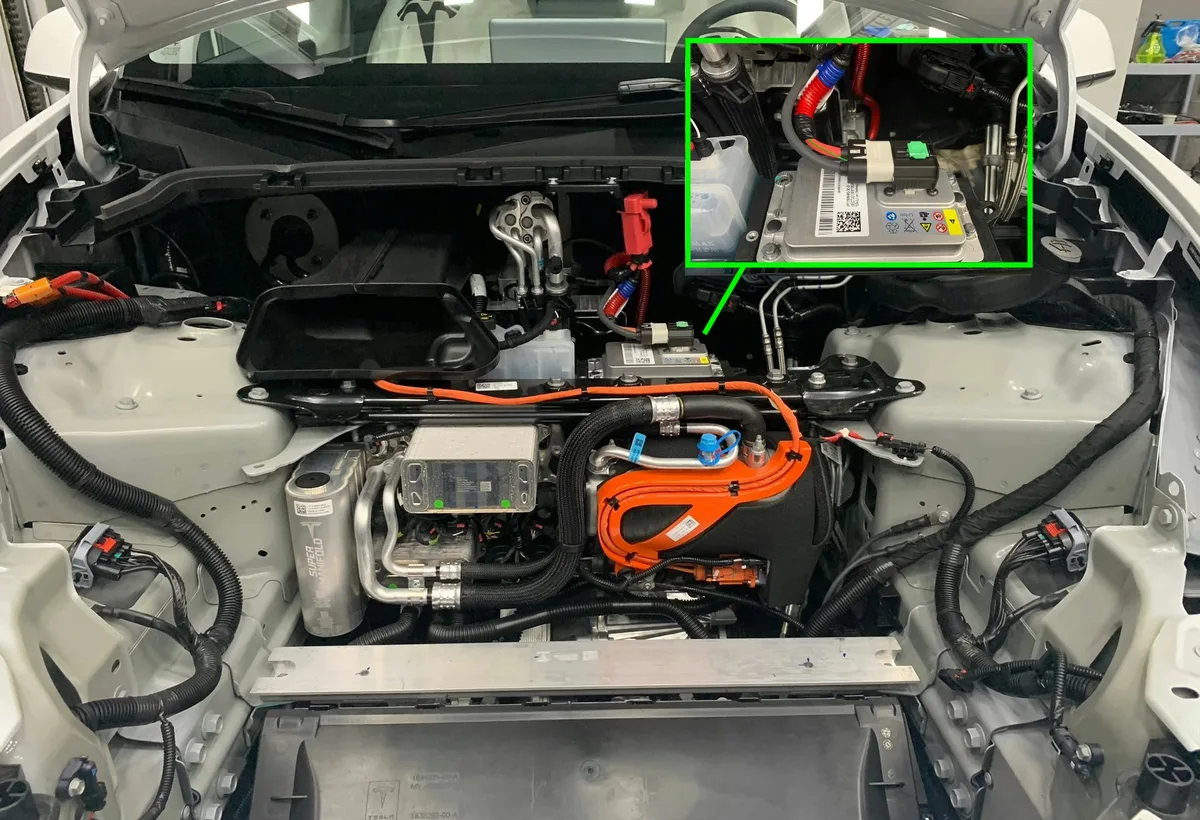
The critical detail most people miss: your Model Y runs on two separate batteries. The high-voltage lithium-ion pack drives the motors. The small 12V accessory battery powers your lights, locks, touchscreen, and onboard computers.
49% off Today's Exclusive Deals
Limited-time Exclusive Deals. Check current discount on Amazon.
Check Price on Amazon As an Amazon Associate I earn from qualifying purchases.When either one starts failing, the symptoms look completely different.
A dead 12V battery can lock you out of your car overnight. Your lights might flicker or go dark, your horn could go silent, or the car simply won't wake up. A high-voltage issue is rarer but far more serious, potentially meaning expensive repairs outside warranty.
Aggregate owner reports show most Model Y battery complaints fall into two camps: cold-weather range loss and 12V accessory failures. Both are manageable once you understand what you're looking at.
The Real Expert Insight: 12V vs. High-Voltage Battery
This is where most Model Y owners get confused, and it's the single biggest mistake we see in owner communities. The 12V battery and the high-voltage traction battery are completely different systems.
The 12V lithium-ion battery sits under the hood. It powers your lights, door locks, horn, and onboard computers. When it dies, the car won't wake up.
The touchscreen stays black. This battery typically lasts three to five years.
The high-voltage battery is the large pack under the floor pan. It weighs over 1,000 pounds and powers the motors. Degradation happens gradually, usually one to two percent per year under normal use.
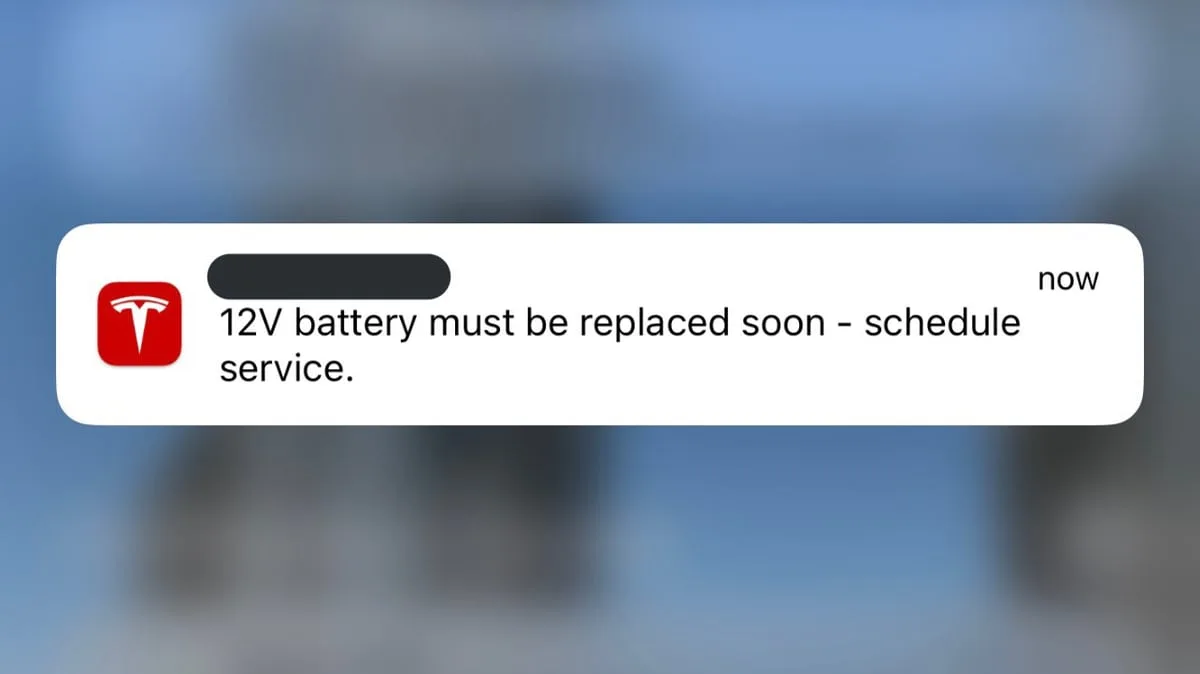
Image source: Bing (Web (fair-use with source credit))
| System | What Fails | Typical Lifespan | Replacement Cost |
|---|---|---|---|
| 12V battery | Car won't start, accessories die | 3-5 years | $150-$400 |
| High-voltage battery | Range drops, power limited | 8-12+ years | $10,000-$20,000 |
Tesla's official support documentation covers both battery systems in detail. If your car shut off and won't unlock, it's almost certainly the 12V. Dead turn signals or sluggish windows are classic 12V symptoms.
If your rated range is dropping noticeably between charges, the high-voltage pack is degrading.
How to Diagnose the Problem Yourself
Before you call Tesla service, there are quick checks you can run. These won't fix anything, but they help you describe the issue accurately and avoid a wasted trip.
Open the Tesla app and check your vehicle status for alerts. A "12V battery low" alert means the accessory battery is failing. A "Battery degradation" or "Maximum range reduced" message points to the high-voltage pack.
Next, check the touchscreen. Navigate to the service menu. Your Model Y shows battery voltage for both systems.
The 12V should read around 13 to 14 volts while running. Below 12 volts is a red flag.
Watch for physical symptoms too. Windows slow to respond and a weak horn are 12V clues. If your AC is blowing warm when it shouldn't, that can tie into thermal management issues with the high-voltage battery.
One warning to take seriously: "Vehicle may not restart." This means the 12V battery is critically low. Do not turn the car off. Drive straight to a service center or call Tesla roadside assistance.
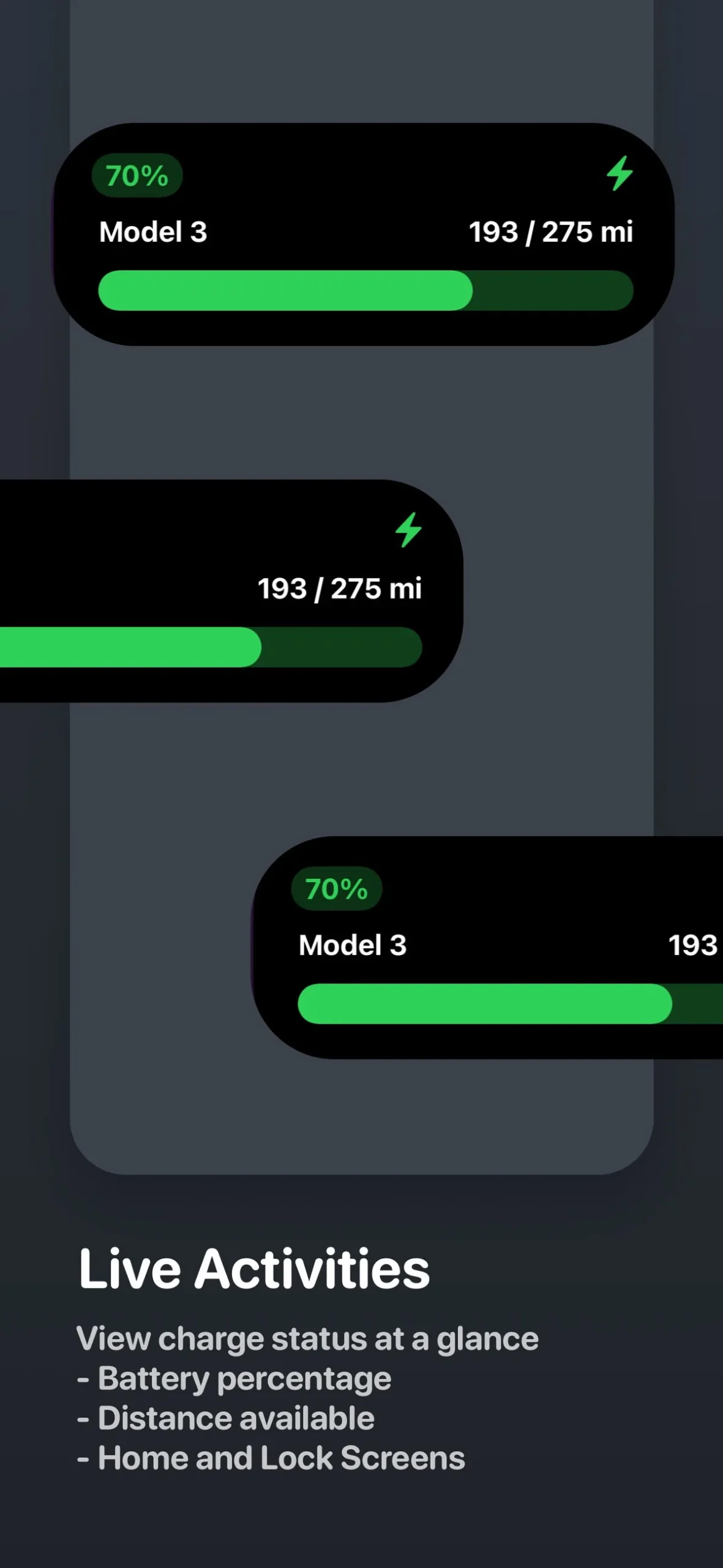
Image source: Bing (Web (fair-use with source credit))
Step-by-Step: What to Do Next (Safely)
Once you've identified which battery is causing trouble, follow the right path. Doing the wrong thing here can make things worse or void your warranty.
For 12V battery failures:
- If you're in the car and it's running, don't turn it off. Drive directly to a Tesla service center.
- If the car is off and won't wake, use the mechanical key card on the door pillar to unlock.
- Open the front trunk using the emergency release cable in the footwell.
- Contact Tesla mobile service through the app. They'll replace the 12V battery on-site.
For high-voltage battery warnings:
- Reduce speed immediately. Pull over safely if you see "Power reduced."
- Do not attempt any DIY work on the high-voltage system. The orange cables carry lethal voltage.
- Schedule a service appointment through the Tesla app.
- If you're mid-road-trip, use the in-car navigation to find the nearest Supercharger or service center.
Never try to jump-start a Tesla 12V battery the way you would a traditional car. The process is different and can damage your electronics. Brake warning lights can appear alongside battery issues in the Model Y, so watch for those too.
Costs, Warranty, and Longevity Data
The cost gap between these two problems is huge, so it pays to know the numbers upfront.
The 12V lithium-ion battery in your Model Y costs $150 to $300 for the part. Tesla mobile service adds labor, bringing the total to roughly $200 to $400. If your car is under the basic 4-year, 50,000-mile vehicle warranty, this may be covered.
The high-voltage battery is a different story. Tesla's Battery and Drive Unit Limited Warranty covers it for 8 years and 120,000 miles on Long Range and Performance models. The Rear-Wheel Drive variant gets 8 years and 100,000 miles.
Per NHTSA standards, the battery must retain at least 70 percent of its original capacity during that window.
Out of warranty, a full high-voltage replacement runs $10,000 to $20,000. That's a serious expense. Maintenance habits matter here more than almost anywhere else on the car.
Aggregate data shows most Model Y batteries hold 85 to 90 percent capacity after 100,000 miles. Newer LFP chemistry packs degrade slower, especially with regular full charges to 100 percent. As of 2026, Tesla hasn't changed these warranty terms, though software updates keep improving battery management.
Cold-weather heating issues can tie into the same thermal management system that protects the high-voltage battery.
Maintenance Habits That Prevent Battery Problems
Your Model Y's battery health comes down to daily charging habits. Small choices compound over years.
Keep the daily charge limit at 80 percent for NMC chemistry packs. That means most Long Range and Performance models built before 2024. Charging to 90 or 100 percent daily adds unnecessary stress.
LFP packs are different. If your Model Y has the newer LFP chemistry, Tesla recommends charging to 100 percent regularly. This keeps the battery management system calibrated.
You'll know you have LFP if your charge screen says "100% recommended."
Avoid repeated Supercharger-only usage. Occasional DC fast charging is fine. Relying on it every day accelerates degradation.
A home Level 2 charger remains the gentlest option for daily needs.
In cold weather, precondition the battery before charging. Use the Tesla app to warm the pack while plugged in. This reduces stress and improves efficiency.
Minimize phantom drain by enabling "Deep Sleep" or parking with Sentry Mode off. Aggregate reports show that frequent short trips without full charge cycles confuse the BMS. Letting the car sleep and charging to 100 percent occasionally keeps the range estimate accurate.
Safety, Warranty, and Compliance Warnings
High-voltage battery repairs are not DIY work. The orange cables under your Model Y carry over 400 volts. Touching them without proper training can kill you.
If you ever see smoke, smell burning, or notice visible damage to the battery pack, pull over immediately. Park outside, away from buildings. Call Tesla Roadside Assistance and local emergency services if needed.
Aftermarket parts can void your battery warranty. Use genuine Tesla components for 12V replacements and any related repairs. Third-party chargers may also trigger BMS errors.
Check the NHTSA database for recalls tied to your Model Y's battery or charging system. As of 2026, several software updates have addressed thermal management issues. Tesla typically pushes these as over-the-air fixes.
Battery disposal follows strict environmental regulations. Used high-voltage packs must go through certified recycling channels. Tesla service centers handle this correctly.
Never attempt to salvage or sell a damaged battery pack yourself.
Real Scenarios: What Other Model Y Owners Hit
Aggregate owner reports paint a clear picture of the most common battery failures.
The classic 12V outage happens overnight. The car sits in the garage, won't wake up, and the touchscreen stays dark. Most owners discover that a failing 12V battery gave warnings days earlier.
Ignoring those warnings is the real mistake.
Another frequent panic: "Range dropped 30 miles overnight." This almost always happens after a software update or a long park period. The BMS recalculates capacity based on new data. It recalibrates after a few full charge cycles.
Cold-weather road trips generate the most complaints. A Model Y that shows 250 rated miles at 70 percent may only deliver 150 real miles at 20 degrees Fahrenheit. That's not a defect.
It's the physics of lithium-ion cells.
One LFP owner reported charging to 100 percent daily as Tesla instructs. After 40,000 miles, range loss stayed under 5 percent. NMC owners who routinely charged to 90 percent and parked for weeks at low state of charge saw noticeably faster degradation.
Frequently Asked Questions
How long does a Tesla Model Y battery last?
The high-voltage battery typically lasts 8 to 12 years. Most packs retain 85 to 90 percent capacity after 100,000 miles. The 12V battery is the weak point, lasting only 3 to 5 years before needing replacement.
Does Supercharging ruin the battery?
No, but frequent use adds stress. Occasional Supercharging has minimal impact. Daily Supercharger-only habits can accelerate degradation.
Home charging remains the best approach for everyday needs.
How much does it cost to replace a Tesla Model Y battery?
A 12V battery replacement costs $200 to $400. A high-voltage pack replacement out of warranty runs $10,000 to $20,000. Most high-voltage failures happen within the 8-year warranty period and are covered.
Is it safe to drive with a battery warning?
It depends on the warning. "Vehicle may not restart" means stop immediately and get help. "Power reduced" means pull over when safe.
Minor voltage alerts can wait, but schedule service quickly.
Can I fix the 12V battery myself?
You can replace the 12V battery with the right tools and knowledge. The process involves disconnecting the high-voltage safety loop first. If you're not confident, let Tesla mobile service handle it for $200 to $400.
Does Tesla cover battery degradation under warranty?
Yes, if capacity drops below 70 percent of the original rating. The warranty covers that loss during the 8-year term. Normal degradation above 70 percent capacity is not covered.
The Bottom Line: What Every Model Y Owner Should Know
Battery problems in a Model Y are manageable if you diagnose them correctly. 12V failures are common and cheap to fix. High-voltage issues are rare but warrant serious attention.
Check your Tesla app for alerts weekly. Follow the charging habits that match your battery chemistry. Keep software updated and schedule service promptly when warnings appear.
Never work on the high-voltage system yourself. Stay calm, use the app, and call Tesla when something feels off. Most battery problems resolve with a phone call and a service appointment.