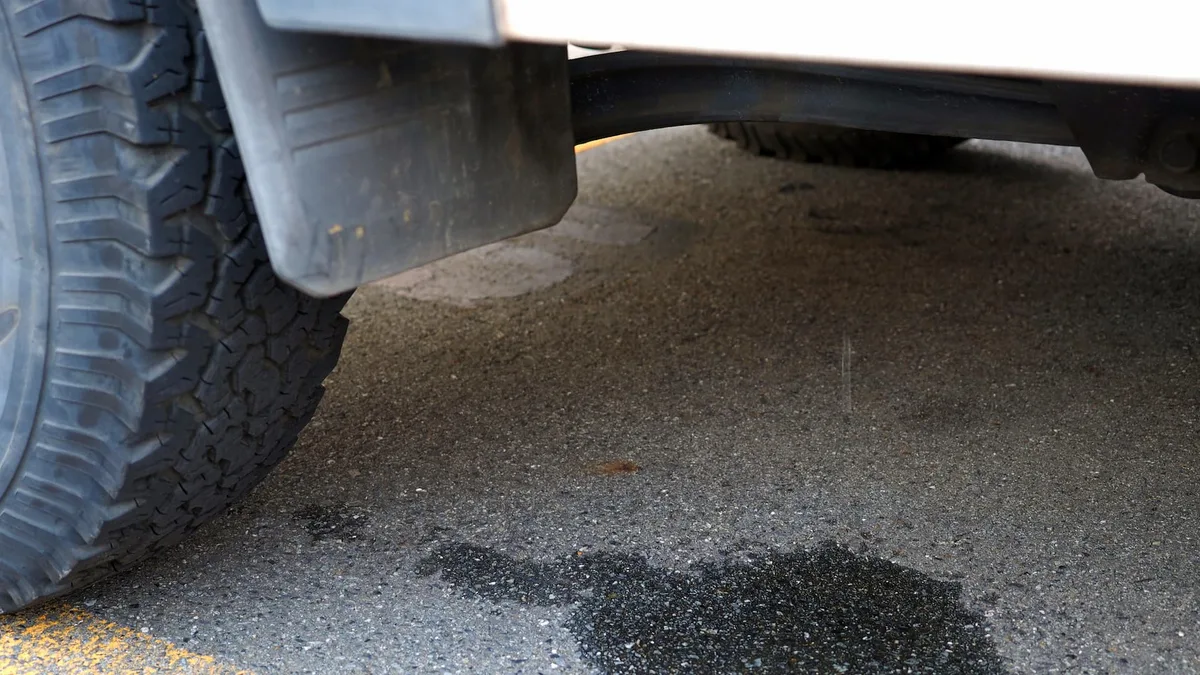
You've spotted a dark puddle under your Volkswagen Jetta. Maybe the low oil light flickered on. Either way, a Volkswagen Jetta oil leak needs attention, and fast.
The cause ranges from a loose drain plug to a failing turbo seal, so figuring out the source is your first job.

49% off Today's Exclusive Deals
Limited-time Exclusive Deals. Check current discount on Amazon.
Check Price on Amazon As an Amazon Associate I earn from qualifying purchases.Manufacturers typically specify engine oil viscosity like 5W-30 or 0W-20. Your Jetta's engine holds between 4.2 and 5.8 quarts, depending on the model year. Losing even half a quart between changes can signal trouble.
Let's walk through how to diagnose it.
49% off Today's Exclusive Deals
Limited-time Exclusive Deals. Check current discount on Amazon.
Check Price on Amazon As an Amazon Associate I earn from qualifying purchases.Image source: Bing (Web (fair-use with source credit))
Quick Answer
A Volkswagen Jetta oil leak most often comes from a worn valve cover gasket, a seeping oil pan gasket, or a loose drain plug. Check your dipstick first. Locate the highest point of wetness on the engine.
Tighten loose components, or replace failing gaskets. Seepage from the timing chain cover or turbo lines requires professional repair.
Why Your Jetta Is Leaving Oil on the Driveway
Oil leaks on Jettas follow patterns based on your engine and mileage. Knowing the common culprits saves you time and panic.
49% off Today's Exclusive Deals
Limited-time Exclusive Deals. Check current discount on Amazon.
Check Price on Amazon As an Amazon Associate I earn from qualifying purchases.The 1.8T and 2.0T TSI engines are known for specific issues. The valve cover gasket hardens with age and seeps oil down the engine block. On higher-mileage TSI models, the timing chain tensioner gasket can fail.
That demands immediate attention.
Older 2.5L engines often develop a valve cover seep. It's messy but rarely catastrophic. The 1.4T engines can leak from the oil cooler housing gasket.
This often gets mistaken for a filter leak.
Gravity pulls oil downward. A leak at the top of the engine often drips from the oil pan area. The spot on your garage floor is just a clue.
You need to look higher to find the true origin.
How to Tell If It's a Real Leak or Just a Messy Top-Off
Not every drop is a crisis. A sloppy oil change can mimic a leak. Here's how to tell the difference.
First, clean the area. Use a degreaser and rags to wipe the suspected spot. A clean engine reveals fresh oil quickly.
If it's spillage, you'll see a dry surface after wiping.
Check the color and texture. Fresh oil is amber and slick. Old leaked oil turns black and gritty.
Grit mixed with oil means the leak has been there a while.
The best test is monitoring your dipstick. Mark the level with a paint pen after topping off. Check it again after 50 miles of driving.
A noticeable drop confirms an active leak. A stable level means leftover mess from a spill.
Also, watch for burn-off. Leaks from the valve cover drip onto the hot exhaust manifold. You'll smell burning oil when you stop.
That's a telltale sign of a real leak.
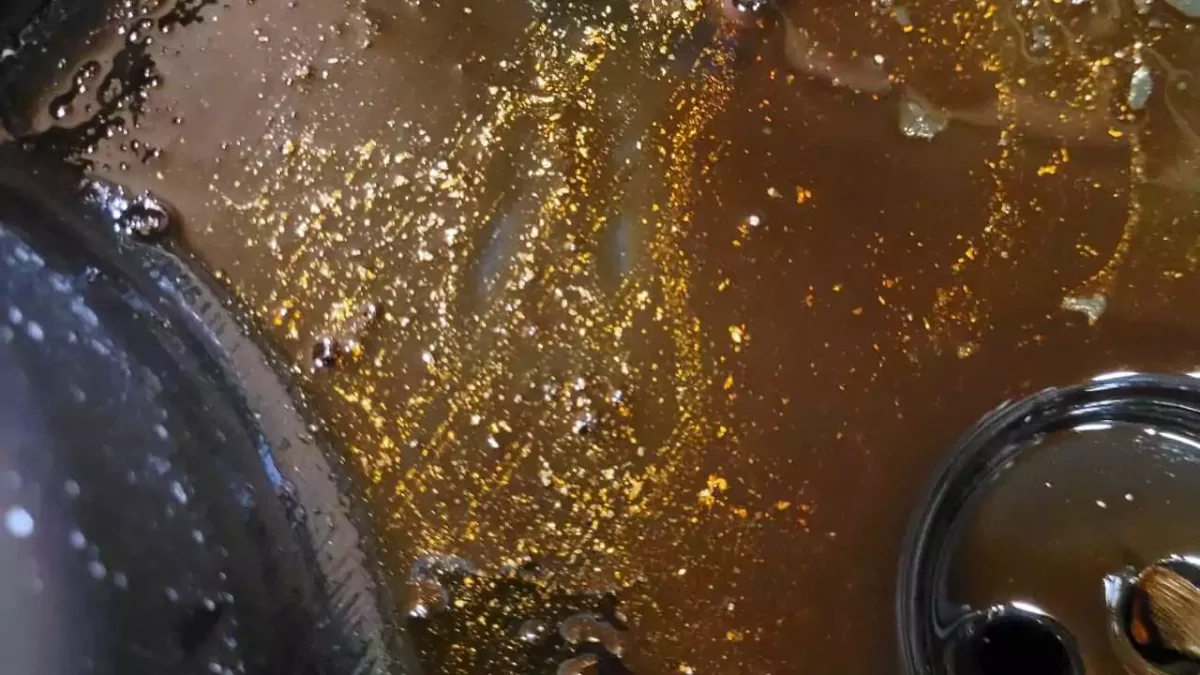
Image source: Bing (Web (fair-use with source credit))
Step-by-Step: Finding the Exact Source of the Leak
You need a flashlight, gloves, and patience. Trace the oil back to its origin with these checks.
1. Start with the easiest checks. Look at your oil filter. Hand-tight plus three-quarters of a turn is the rule.
Check the drain plug for seepage around its edge. A simple crush washer change might solve it.
2. Move to the top of the engine. Shine your light along the valve cover edges. Look for dark, wet lines where the cover meets the cylinder head.
This is the most common leak point on most Jettas.
3. Inspect the back of the engine. For TSI engines, peer near the firewall. You're looking for oil dampness around the timing chain cover area.
This is a complex, labor-intensive repair.
4. Check the turbo if applicable. On GLI or TSI models, inspect the turbo lines. Oil caked around the turbo housing or its feed lines indicates seal failure.
This is a high-priority fix.
5. Use a UV dye kit for mystery leaks. Add dye to the oil, drive for a day, then scan with a UV light. The leak glows brightly, pinpointing the source.
It's the definitive method for slow, hard-to-find seeps.
For step 5, the U.S. Environmental Protection Agency recommends proper disposal of any oil containing UV dye or contaminants. Don't pour it down drains or onto soil.
Decision Guide: What's Leaking and How Urgent Is It
Match what you found to the right action. Use this flow to prioritize your repair.
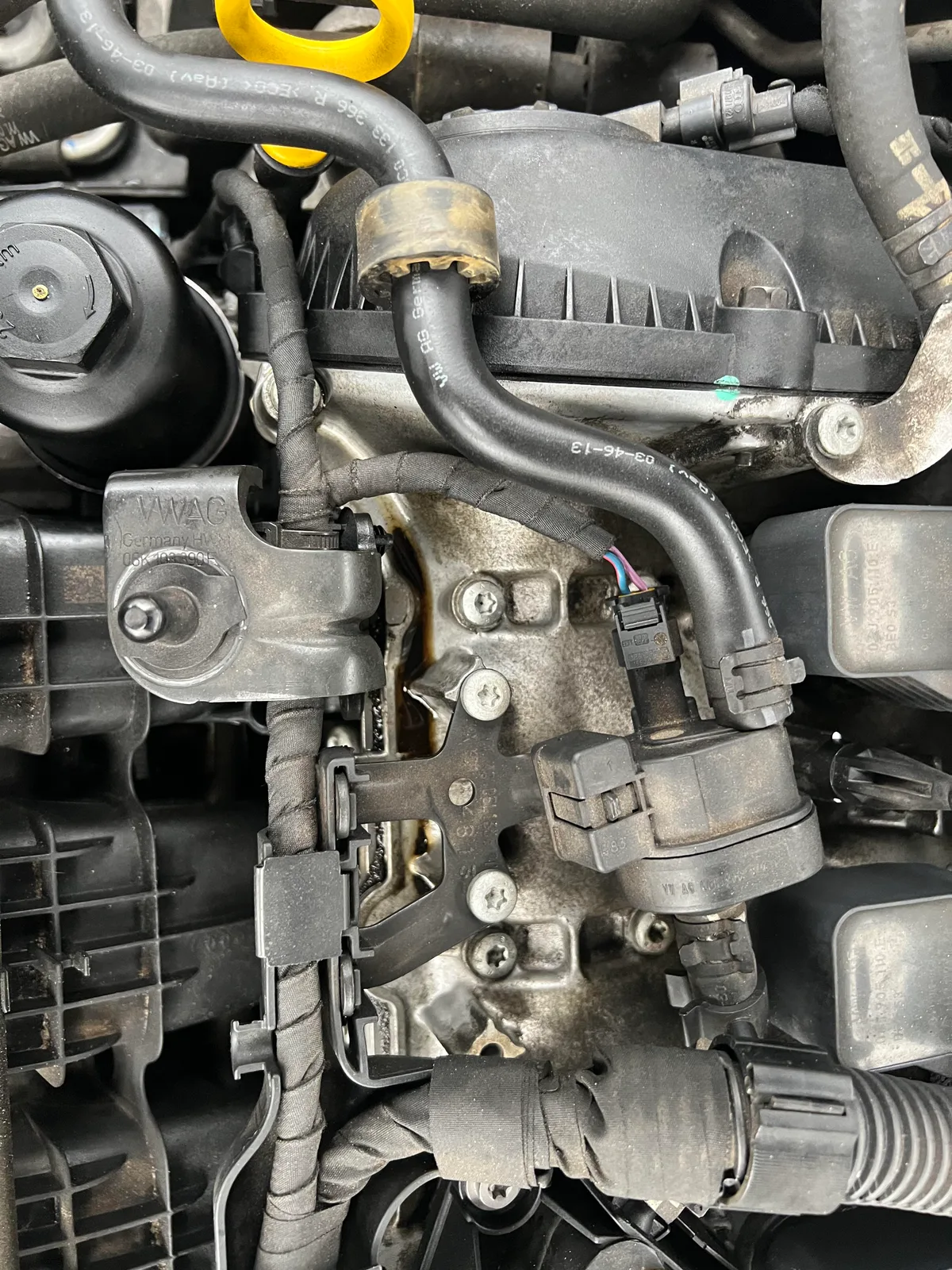
Image source: Bing (Web (fair-use with source credit))
Leak Source: Oil Filter or Drain Plug
- Urgency: Low.
- Action: Tighten the filter or plug. If it still seeps, replace the crush washer or filter. You can handle this immediately in your driveway.
Leak Source: Valve Cover Gasket
- Urgency: Medium.
- Action: Monitor your oil level weekly. Plan to replace the gasket within a month. Driving is okay, but don't ignore it for long.
Leak Source: Timing Chain Cover (TSI Engine)
- Urgency: High.
- Action: Schedule a professional repair soon. This leak can affect engine timing and cause major damage if oil pressure drops.
Leak Source: Turbo Oil Lines or Seal
- Urgency: Very High.
- Action: Get a professional diagnosis immediately. A failing turbo sends debris into the engine. Minimize driving until it's fixed.
Aggregate repair cost data from verified shops shows gasket replacements between $150 and $400 for parts and labor. A timing chain or turbo repair runs significantly higher, often over $1,000.
What the Fix Involves: DIY vs. Shop, Costs, and What to Expect
Your choice depends on the leak's location, your tools, and your comfort level.
DIY-Friendly Fixes:
- Oil filter or drain plug tightening.
- Valve cover gasket replacement (moderate skill required).
You'll need a socket set, gasket scraper, and the correct new gasket. Torque the valve cover bolts to spec, usually 7 to 10 ft-lbs. This can save you hundreds compared to shop labor.
Shop-Required Repairs:
- Timing chain cover reseal.
- Turbocharger seal or line replacement.
These jobs require special tools and deep engine knowledge. Labor alone is extensive. A specialized mechanic or Volkswagen dealership is the safe choice here.
Cost Breakdown (as of 2026):
| Repair | DIY Cost | Shop Cost |
|---|---|---|
| Valve cover gasket | $20-$60 (parts only) | $200-$500 |
| Oil pan gasket | $30-$80 (parts only) | $300-$600 |
| Timing chain cover reseal | Not recommended | $800-$1,500+ |
| Turbo replacement | Not recommended | $1,500-$2,500+ |
Always use quality parts. OEM gaskets from Volkswagen are designed for a precise fit. Aftermarket options are cheaper but check reviews for seal reliability.
If you notice your coolant levels dropping alongside the oil loss, the engine may have multiple seal failures. That changes the repair priority significantly.
Mistakes Jetta Owners Make with Oil Leaks
The biggest error is ignoring a small leak. A slow seep today becomes a quart-a-month problem next year. Oil degrades rubber components it touches.
A minor valve cover drip can destroy nearby hoses or the serpentine belt.
Over-tightening the drain plug is another common mistake. It seems harmless, but stripping the oil pan threads turns a five-dollar washer fix into a six-hundred-dollar pan replacement. Use a torque wrench.
Twenty-five Nm is the spec for most Jettas.
People also chase the wrong leak. They replace the oil pan gasket when the real source is a dripping valve cover above it. Clean the engine first.
Apply UV dye if needed. Confirm the source before buying parts.
Skipping the crush washer is surprisingly common. That aluminum or copper washer on the drain plug is single-use. Reusing it guarantees a slow drip.
Always replace it at every oil change. It costs pennies.
Using the wrong oil type can also cause leaks. VW specifies oils meeting standards like VW 502 00 or VW 508 00. Some aftermarket oils have seal-swell properties that don't match VW's rubber compounds.
Over time, this hardens or shrinks gaskets.
DIY mechanics sometimes forget to clean mating surfaces. Old gasket material left on the valve cover or oil pan creates an uneven seal. Scrape surfaces clean, then wipe with isopropyl alcohol before installing the new part.
A related issue: not replacing gaskets in pairs when accessible. If you're doing the valve cover, check the spark plug tube seals. They're often included in the gasket kit.
Leaving old tube seals means oil seeps into your spark plug wells. That causes misfires and coil damage. A check engine light after a valve cover job is a strong clue this happened.
Some owners add oil stop-leap products thinking it's a cheap fix. Aggregate mechanic reports show these additives clog the PCV system, radiator, or oil passages. They treat the symptom while creating new problems.
Fix the leak properly instead.
Frequently Asked Questions
How long can I drive with a small oil leak?
You can drive temporarily if the oil level stays between the dipstick marks. Check it every time you start the car. A leak losing less than a quart over 1,000 miles is low urgency.
Still, get it fixed sooner rather than later.
Will an oil leak pass inspection?
It depends on your state. Some states fail cars that drip oil onto the ground. Others focus only on emissions.
A visibly wet engine raises concerns during inspection. Fix the leak before your appointment to avoid re-test fees.
Can cold weather make a Jetta oil leak worse?
Yes. Cold temperatures make old rubber gaskets shrink and harden. Oil also thickens when cold, putting more pressure on seals.
You might notice heavier dripping on cold mornings that eases once the engine warms up.
Is it safe to use high-mileage oil in my older Jetta?
High-mileage oils contain seal conditioners that can help older gaskets swell slightly. This may reduce minor seeps. It's not a permanent fix.
If the leak is significant, the gasket needs physical replacement. Treat it as a temporary measure.
Should I get a second opinion on a turbo leak diagnosis?
Absolutely. Turbo replacement is expensive, often exceeding $1,500. Before committing, have an independent specialist confirm the diagnosis.
Sometimes what looks like a turbo seal failure is actually a loose oil line fitting. That's a much cheaper repair.