The Subaru Outback check engine light is one of those dashboard warnings that can make your stomach drop. Is it a loose gas cap, a dying sensor, or something serious in the engine? The right move depends on a few simple clues, and guessing wrong can cost you thousands.
The light is controlled by the engine control unit (ECU) using the OBD-II diagnostic standard, which has been mandatory on all Subaru models since 1996. When the light turns on, the ECU stores a diagnostic trouble code (DTC) that points to a specific system. As of 2026, you can pull that code yourself with a scanner that costs less than a tank of gas.
49% off Today's Exclusive Deals
Limited-time Exclusive Deals. Check current discount on Amazon.
Check Price on Amazon As an Amazon Associate I earn from qualifying purchases.Let's walk through exactly what to do, starting with the first 60 seconds.
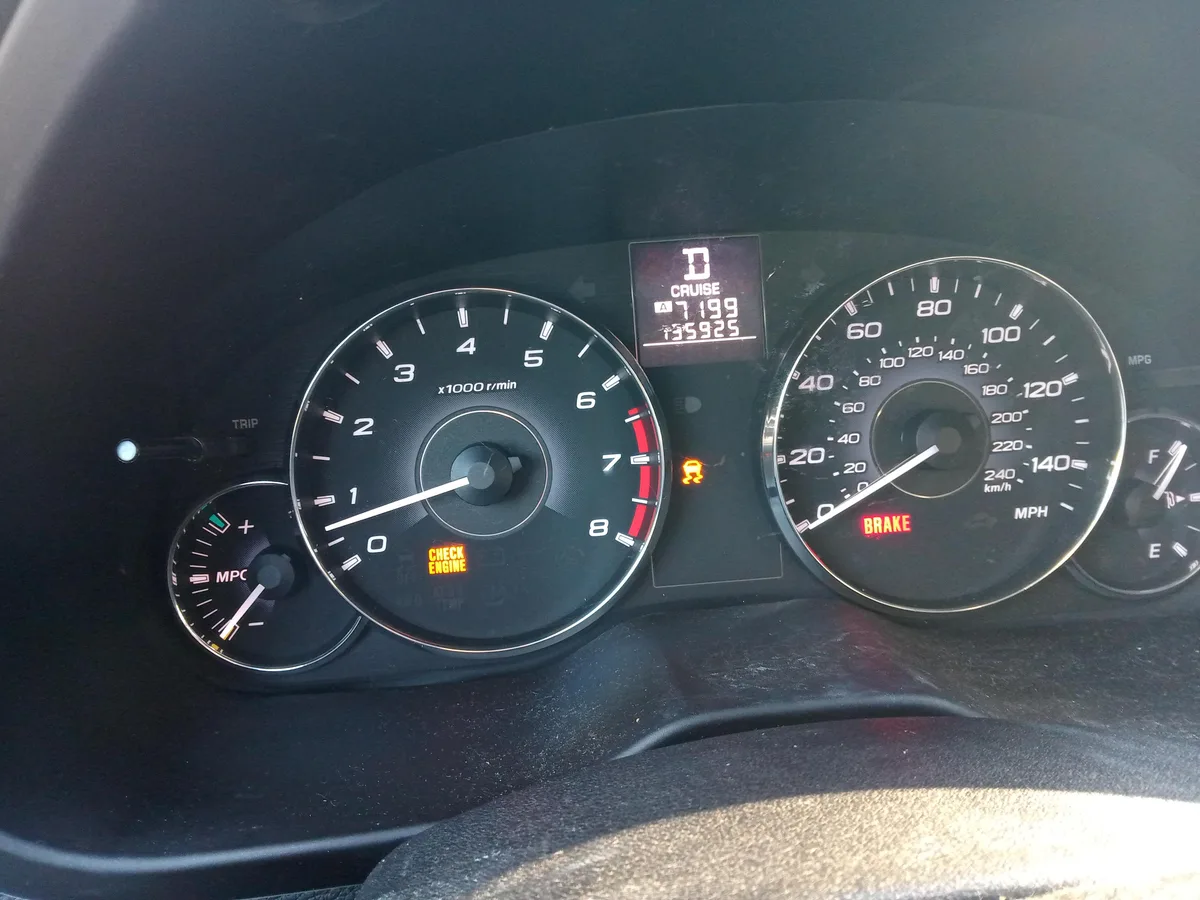
Image source: Bing (Web (fair-use with source credit))
49% off Today's Exclusive Deals
Limited-time Exclusive Deals. Check current discount on Amazon.
Check Price on Amazon As an Amazon Associate I earn from qualifying purchases.Quick Answer
If the light is flashing, stop driving and shut the engine off. If it's steady, you can usually drive to a repair shop. Pull the OBD-II code first.
Never clear it without fixing the root cause. A flashing light means severe misfire.
Steady or Flashing? The First 60 Seconds Matter Most
The single most important thing you can do is look at the light's behavior. Is it solid, or is it blinking? That one detail sends you down two completely different paths.
A flashing check engine light on a Subaru Outback means the engine is actively misfiring. Unburned fuel is pouring into the exhaust, and the catalytic converter is overheating to the point of destruction. In our research, an ignored flashing light can turn a $200 coil replacement into a $2,500 converter replacement.
49% off Today's Exclusive Deals
Limited-time Exclusive Deals. Check current discount on Amazon.
Check Price on Amazon As an Amazon Associate I earn from qualifying purchases.If you see flashing, your job is to get the car stopped safely, turn the engine off, and call a tow truck. There is no "drive it to the shop" option.
A steady light is a different story. The ECU has logged a fault, but it's not causing immediate, catastrophic damage. It could be a loose gas cap, an oxygen sensor nearing the end of its life, or a small EVAP leak.
You have time to diagnose it calmly, or you can drive to a mechanic without turning it into an emergency.
| Light Behavior | What It Means | Action | | Flash | Active misfire, converter at risk | Stop, shut off, tow | | Steady | Fault logged, no immediate damage | Diagnose, schedule repair |
Even a steady light deserves a quick scan of your gauges before you keep driving. Check the temperature gauge, listen for unusual rattles, and feel for a rough idle. If any of those are off, play it safe.
A little extra caution beats a breakdown on the highway.
Now, let's get into what the light actually tracks under the hood.
What the Check Engine Light Actually Tells You in an Outback
You'd expect the check engine light to be a simple "something is broken" indicator. It's more nuanced than that. The ECU continuously monitors input from dozens of sensors: crankshaft position, air-fuel ratio, coolant temperature, manifold pressure, and more.
When one of those readings falls outside a defined range, it sets a code and turns on the light.
Subaru brings its own quirks to the table. The Boxer engine sits low and wide, which is great for handling but sometimes sensitive to ignition problems. A worn spark plug or a failing ignition coil can trigger a flashing misfire light more readily than on other engine layouts.
The Outback's Lineartronic CVT also talks to the ECU, so a transmission solenoid problem like P0776 can switch on the check engine light alongside the AT warning.
You might also notice the cruise control light blinking when the check engine light comes on. That's not a separate failure. Subaru intentionally disables cruise control when the ECU detects a fault, and it blinks to tell you it's off.
The same happens with traction control. It's a safety feature, not a new problem.
If you're dealing with a transmission-related code, you may recognize some of these signs from a typical shifting problem. The behavior can feel similar, even when the root cause is electronic rather than physical.
Knowing what the light tracks is useful. Knowing the actual code is what gets you closer to the fix.
Gathering the Code: Using an OBD-II Scanner (Before You Panic)
You don't need to be a mechanic to read the code. The OBD-II port is usually under the driver's side dash, near the steering column. Plug in a scanner, turn the ignition to "on" without starting the engine, and read the display.
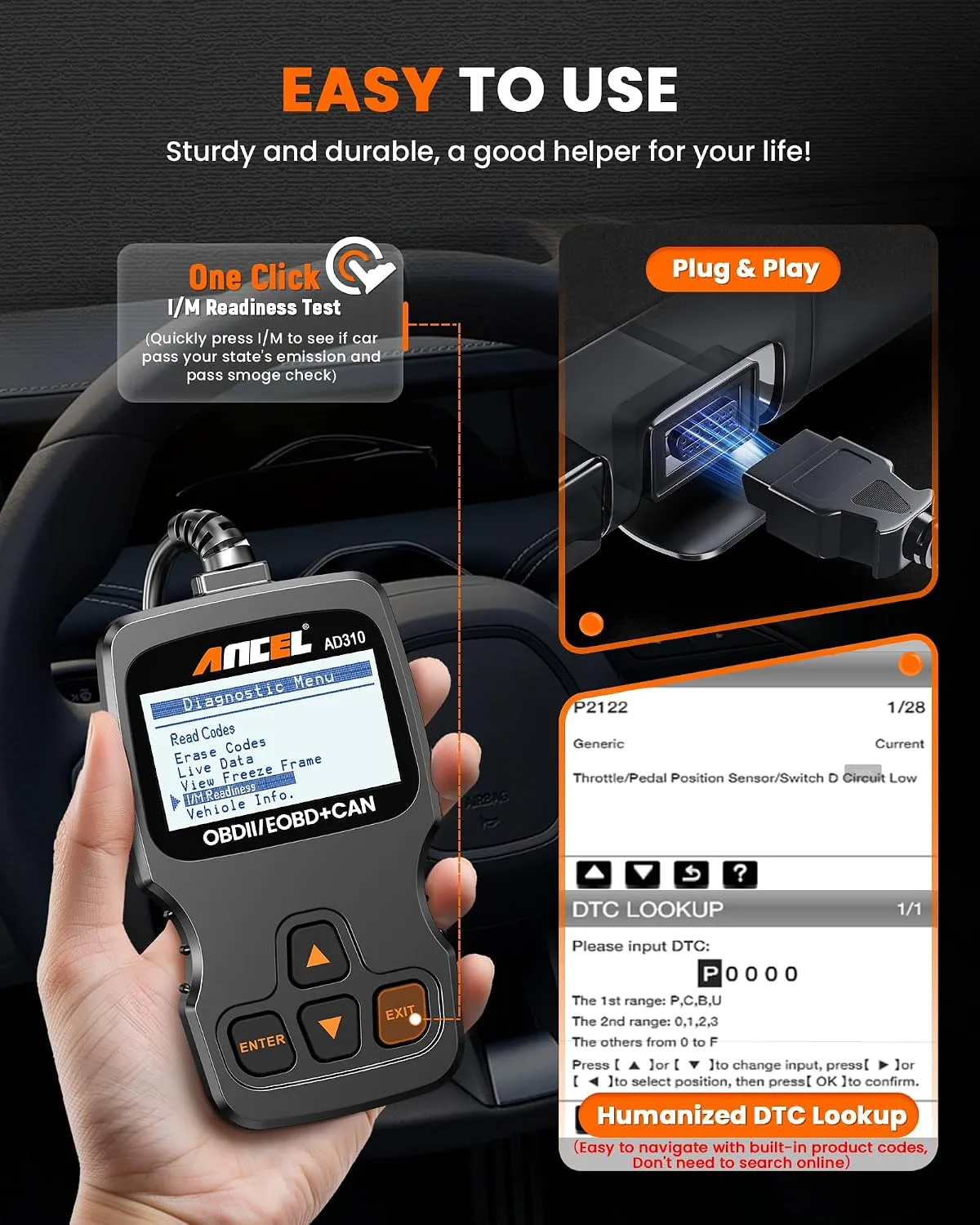
Image source: Bing (Web (fair-use with source credit))
Here's the fast path:
- Locate the OBD-II port under the dash.
- Plug in the scanner and turn the ignition to "on."
- Select "Read Codes" from the menu.
- Write down every code number shown.
- Record the freeze frame data before you clear anything.
Freeze frame data is a snapshot of engine conditions at the exact moment the code set: coolant temperature, engine RPM, vehicle speed, and throttle position. That snapshot helps you understand what the engine was doing when it complained. It disappears the moment you clear the code, so write it down.
A basic handheld scanner costs $30 to $60. A Bluetooth dongle paired with a phone app works too. Per EPA's official OBD-II requirements, all 1996 and newer vehicles must support the same basic diagnostic signals, so any decent tool will read a Subaru fine.
One warning: don't let an auto parts store "clear the code for free" as a courtesy. That erases freeze frame data and resets readiness monitors, which makes diagnosis harder and can delay emissions testing. You're throwing away evidence you might need.
Once you have the code, you can start figuring out what's really wrong. That's where the Outback gets interesting.
The Most Common Subaru Outback Trouble Codes: What They Really Mean
Some codes show up in Outbacks far more often than others. Here are the big ones, what they mean, and what they tend to cost.
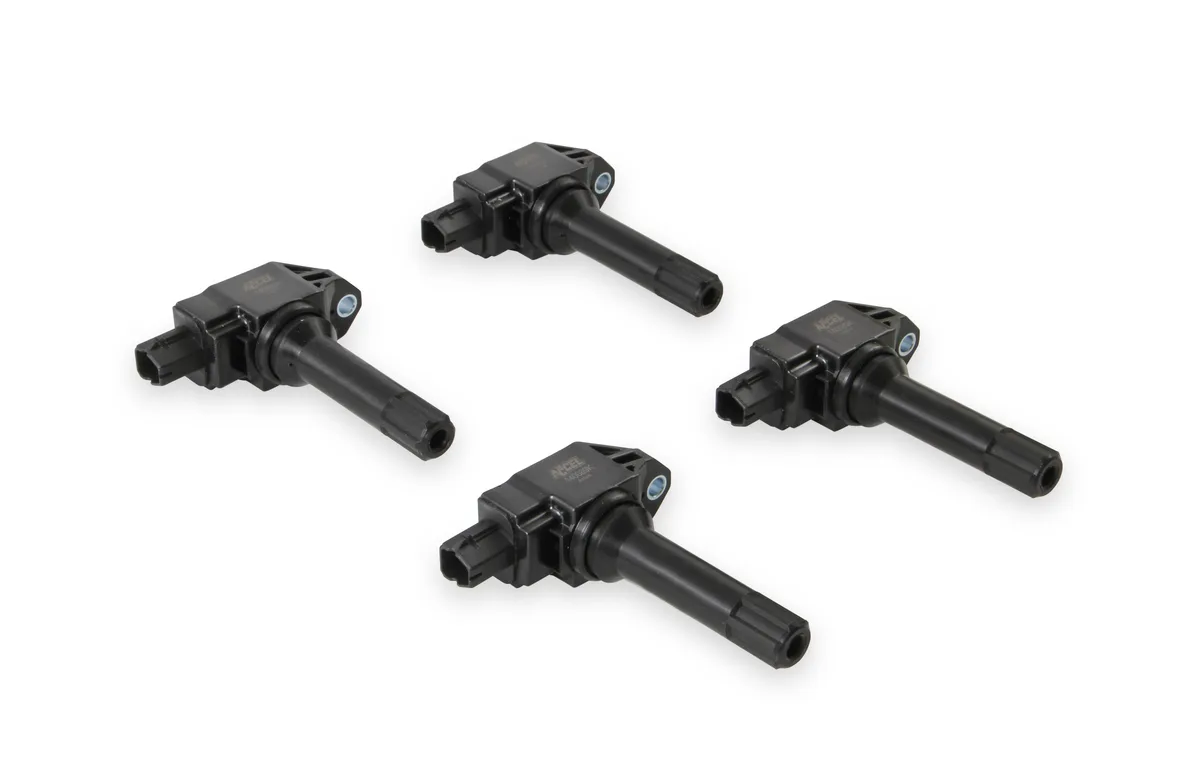
Image source: Bing (Web (fair-use with source credit))
| Code | What It Indicates | Common Causes | Typical Repair Cost | | P0420 | Catalyst system efficiency below threshold | Oil consumption, misfire damage, oxygen sensor | $1,200 to $2,500 | | P0301 to P0304 | Cylinder misfire | Ignition coil, spark plug, fuel injector | $150 to $400 | | P0776 | CVT pressure control solenoid | Worn solenoid, low transmission fluid | $500 to $1,500 | | P0171 / P0174 | System too lean | Vacuum leak, MAF sensor, dirty air filter | $100 to $300 | | EVAP Codes | Evaporative emissions leak | Loose gas cap, cracked filler neck | $20 to $200 |
P0420 is the classic high-mileage Outback complaint. The catalyst stops converting exhaust gases efficiently, often because the engine has been burning oil. That oil coats the converter and shortens its life.
On older EJ25 engines, oil consumption was a well-documented issue. On FB engines, it still appears in some model years. If you spot related symptoms, check for oil leaks on the ground before spending money on a converter.
Misfire codes are the ones that cause flashing lights. The fix is usually an ignition coil or spark plug. It's a straightforward DIY job on a Boxer engine, but you need to replace the correct cylinder's component.
Cheap aftermarket coils often fail again quickly, so genuine Subaru parts are worth the extra cost.
P0776 is a transmission code specifically related to the CVT's pressure control solenoid. Some owners call it the "limp mode" code because the car limits power to protect the trans. You might notice symptoms similar to a worn-out gearbox, but the fix can be a simple solenoid replacement rather than a full transmission rebuild.
Still, don't ignore it. The CVT in the Outback is sensitive to low fluid and overdue service.
Lean codes like P0171 and P0174 point to unmetered air entering the engine. A cracked vacuum hose, a dirty MAF sensor, or a clogged air filter are the usual suspects. On older Outbacks, the intake hose cracks near the clamp and causes this exact code.
EVAP codes are the least scary. A loose or worn gas cap is the top cause. Re-tighten it, clear the code, and see if it comes back.
If it returns, the charcoal canister or a line may need attention.
Is It Safe to Drive? Your Decision Checklist
The question everyone really wants answered is simple: can I keep driving? The honest answer is: it depends. Use this checklist to make the call fast, and err on the side of caution when you're unsure.
Stop driving immediately if:
- The check engine light is flashing.
- The engine shakes, lurches, or sounds wrong.
- The temperature gauge sits in the red or climbs while you drive.
- You smell fuel, burning oil, or a sharp chemical odor.
- Acceleration feels dangerously weak, especially on hills or highways.
You can usually drive to a shop if:
- The light is steady.
- The engine idles and accelerates smoothly.
- No strange smells or smoke are present.
- The temperature gauge stays in the normal range.
Before you head out, do a 30-second walkaround. Check your brake system for obvious issues and peek under the car for coolant leaks or fresh oil spots. A car that's low on coolant can overheat fast, especially if the radiator fan isn't working.
A car with a failing brake or cooling system is a bigger risk than a check engine light alone.
If you need to drive, keep it short and gentle. Avoid hard acceleration, skip the highway if you can, and go straight to the shop. A steady light at 60 mph in the right lane is a very different situation from a steady light while merging into rush-hour traffic.
In our research, the drivers who got stranded were almost always the ones who ignored the flashing light or pushed a steady light with an obvious problem.
For safety-related recalls and official defect information, the NHTSA's recall database is the first place to check. It's free, it covers every Subaru model sold in the US, and it will tell you whether your car already has a known fix.
Where You Get It Fixed and the Mistakes That Cost You
Once you know the code, you need to decide who fixes it. The right answer depends on the code, your skill level, and the car's age.
| Repair Location | Best For | Typical Diagnostic Fee | Downside | | Dealership | Warranty work, recalls, software updates | $120 to $180 | Highest hourly rate | | Independent Subaru shop | Older Outbacks, second opinions | $80 to $130 | Quality varies by shop | | DIY | Running your own diagnosis first, sensor replacements | $0 (besides tools) | Risk of misdiagnosis |
Every Outback owner should pull the code themselves before choosing a shop. That single step tells you whether you're dealing with a $20 gas cap or a $2,000 converter, and it gives you leverage in the conversation.
The dealership is the right call when your car is under warranty or when the fix involves software programming, like a CVT solenoid adaptation from the P0776 code. They have the factory scan tools, up-to-date TSBs, and genuine parts on hand. The downside is price.
Dealerships charge both higher rates and longer labor times.
An independent shop that specializes in Subarus is often the smarter move for higher-mileage Outbacks. These mechanics see the same P0420 and P0301 failures daily. They usually give honest advice, and they'll use OEM parts if you ask.
Ask your local Subaru owners group for a recommendation before booking.
DIY is genuinely practical for a few specific jobs. Replacing an ignition coil, spark plug, A/F ratio sensor, or gas cap is doable with basic tools. A Boxer engine makes the coils and plugs accessible if you're methodical.
Buy genuine Subaru parts for anything electrical. Cheap aftermarket sensors in our research failed again within months, turning a $50 "deal" into a $350 repeat job.
The mistakes that cost people real money are not the repairs themselves. They're the shortcuts. In our research, the most common ones are:
- Clearing the code without fixing anything. The light always comes back, and you lose the freeze frame data that helps diagnose it.
- Ignoring a flashing light because the car still runs. That's how a $200 coil turns into a $2,500 converter.
- Trusting an auto parts store's free code read as a full diagnosis. They read codes, they don't test the cause.
- Using the cheapest parts online. For what you save, you risk another failure and repeat labor costs.
If the repair is safety-related, like a transmission that feels like it's slipping, don't gamble on it. Pay the extra dollars for a shop that can test the fix under load.
Frequently Asked Questions
Can I keep driving with the check engine light on?
It depends on the light. A steady light usually means you can drive to a shop, especially if the car runs fine. A flashing light means stop immediately and tow the car.
The flashing pattern indicates an active misfire that can destroy the catalytic converter in minutes.
Why is my cruise control light blinking too?
That's normal. Subaru disables cruise control when the ECU detects a fault. The blinking cruise light is just telling you it's switched off.
It clears automatically after the underlying check engine light issue is repaired and the code is cleared.
How long can I drive after clearing the code before an emissions test?
You need to complete a drive cycle so the readiness monitors reset. That usually takes 50 to 100 miles of mixed driving. Some states require specific monitors to read "ready." If you clear the code right before a test, the car will likely fail for incomplete monitors.
Why did my gas cap fix the light, and will it come back?
A loose or worn gas cap lets fuel vapors escape. The ECU detects the small leak and sets an EVAP code. Tightening the cap until it clicks often clears the issue.
If the cap's rubber seal is cracked, the light will return, so replace the cap if it looks old.
How much does a Subaru Outback diagnostic inspection cost?
Dealerships typically charge $120 to $180 for a diagnostic. Independent shops range from $80 to $130. If you approve a repair at the same visit, many shops waive the fee.
Pulling your own code with a $40 scanner is always cheaper and gives you the baseline first.