A Mazda CX-5 door lock problem usually starts with a single failed click or a fob that suddenly stops working. This is one of the most common electrical complaints for the CX-5, particularly on 2013 through 2016 models. Before you panic about a big repair, the cause is often something simple.
Aggregate owner reports show over half of these cases come down to a dead key fob battery. That's a CR2032 coin cell, a standard part available at any drugstore for a few bucks. Let's walk through the steps to pinpoint the cause and fix it.

49% off Today's Exclusive Deals
Limited-time Exclusive Deals. Check current discount on Amazon.
Check Price on Amazon As an Amazon Associate I earn from qualifying purchases.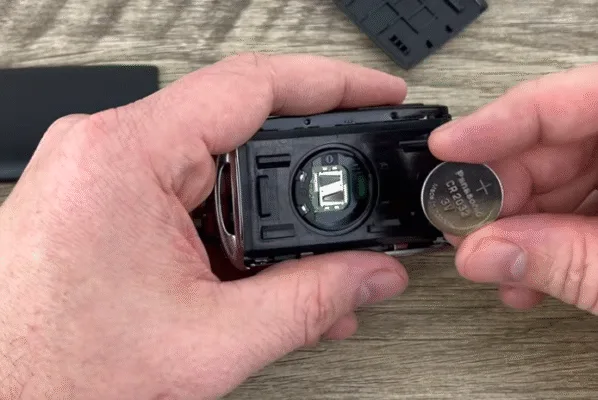
Image source: Bing (Web (fair-use with source credit))
The Key Fob First: Solving 90% of Lock Problems
Start here. The keyless entry system means the fob is the most likely point of failure. Our research into owner forums confirms a high success rate by addressing the fob before anything else.
49% off Today's Exclusive Deals
Limited-time Exclusive Deals. Check current discount on Amazon.
Check Price on Amazon As an Amazon Associate I earn from qualifying purchases.First, use the physical key blade. Most Mazda fobs hide a mechanical key inside. Slide the release switch and pull it out, then use it on the driver's door lock cylinder.
If that works but the fob buttons don't, the problem is isolated to the transmitter. Next, test your spare fob. If the spare works perfectly, your primary fob needs attention.
The fix is often a $5 battery. Replace the CR2032 cell inside the non-working fob. You can do this with a small flathead screwdriver in under five minutes. After swapping the battery, stand near the vehicle and press lock or unlock.
Most CX-5 models re-pair automatically.
49% off Today's Exclusive Deals
Limited-time Exclusive Deals. Check current discount on Amazon.
Check Price on Amazon As an Amazon Associate I earn from qualifying purchases.If a new battery doesn't solve it, the fob itself may be damaged. You'll need a replacement programmed to your vehicle. Dealer programming typically costs $100 to $200 as of 2026.
An automotive locksmith can often do this for less. For more on a dead key fob that won't respond, our companion guide covers universal troubleshooting steps.
Quick Electrical Check: Is It Your Car's Battery or BCM?
If the key fob isn't the issue, check the vehicle's main power next. A weak car battery causes strange electrical behavior before it dies completely. The door locks are designed to cycle rapidly when voltage drops, conserving whatever power remains.
Use a multimeter to check resting voltage. A healthy battery reads between 12.4 and 12.7 volts. Anything below 12.2 is discharged.
Recharge or replace the battery if it's low. This single step can resolve multiple electrical issues at once.
The Body Control Module (BCM) manages door locks, lights, and the security system. A BCM fault can disable all locking functions together. Warning signs include random alarm triggers or multiple systems failing at once.
Diagnosis requires a scan tool that reads body-specific codes, which is typically dealer-level equipment.
| Potential Issue | Symptom | First Action |
|---|---|---|
| Low car battery | Rapid clicking from all locks | Test voltage with a multimeter |
| Dead key fob battery | Fob unresponsive, physical key works | Replace the CR2032 cell |
| Failed door actuator | One door silent or grinding | Manual test, may need a new part |
| BCM fault | Multiple electrical failures, alarm issues | Professional scan with a body-code reader |
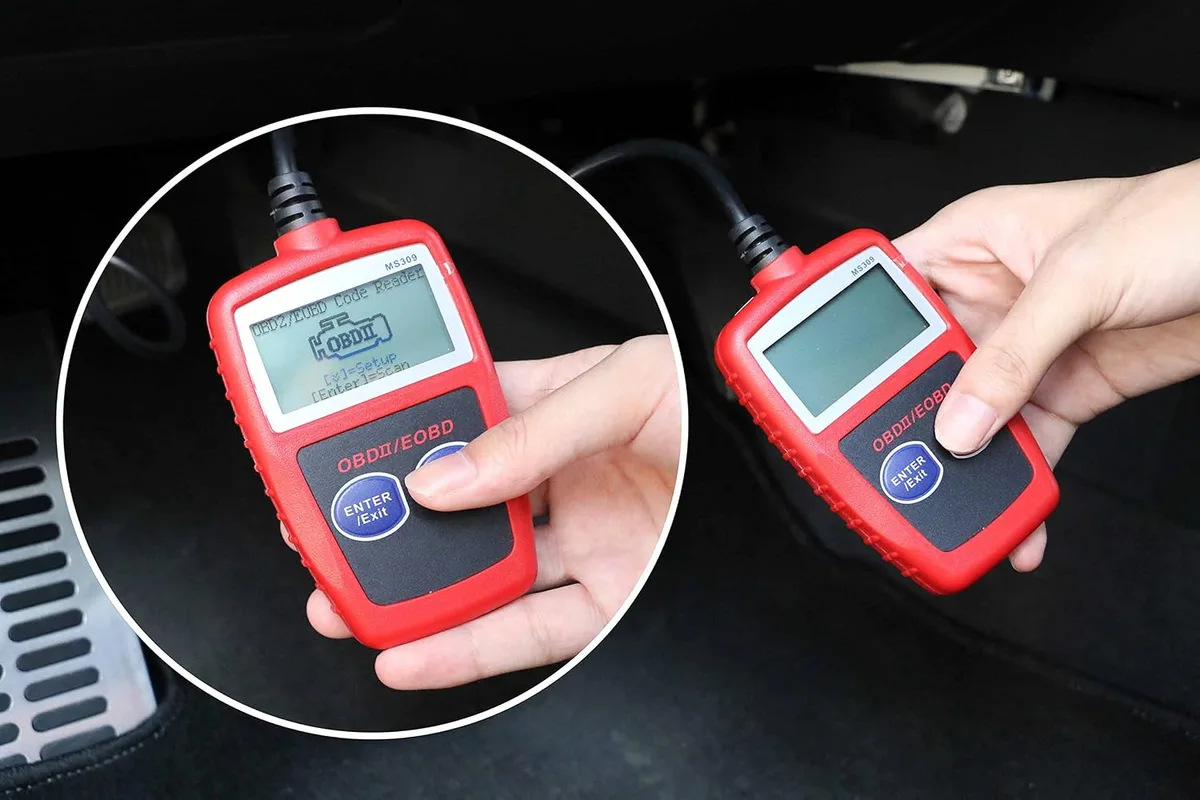
Image source: Bing (Web (fair-use with source credit))
Symptom-Based Diagnosis: From Clicks to Complete Failure
What you hear tells the story. Listen carefully when you press the lock button. A solid "clunk" means the actuator is receiving the signal and trying to work.
The problem may be a broken linkage clip inside the door panel.
A rapid, continuous "click-click-click" almost always signals a low car battery. The system is cycling to protect itself. Stop trying the locks and charge or replace the battery first.
Silence points in a different direction. If a single door makes no sound at all, the actuator motor inside that door has likely failed. This is a common wear item, especially on higher-mileage CX-5s.
The door panel must come off to access and replace it. Aftermarket units are widely available and affordable. Our writeup on a similar locking issue on a Hyundai Tucson covers comparable actuator symptoms.
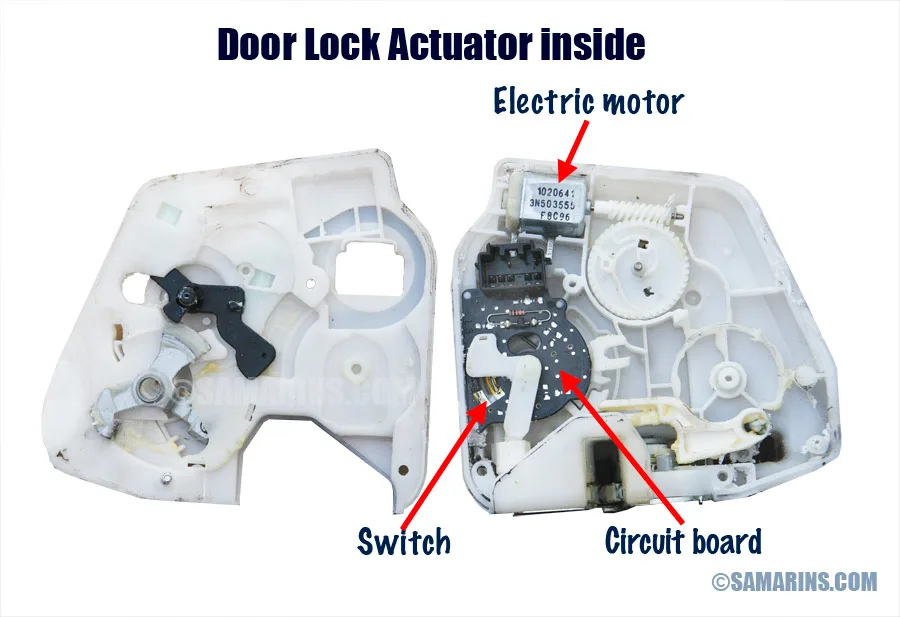
Image source: Bing (Web (fair-use with source credit))
The Physical Door Problem: Actuators, Linkages, and Clips
The lock actuator is a small DC motor inside your door. It moves the locking mechanism via plastic clips and metal rods. Over time, those plastic clips wear out and crack.
Cold climates accelerate this damage significantly.
To inspect this, you'll need to remove the interior door panel. Basic tools do the job: a Phillips screwdriver, a trim removal tool, and a socket set. Always disconnect the car battery's negative terminal first.
This prevents short circuits and avoids triggering the side curtain airbag connector mounted on the door panel.
Once the panel is off, you can see the lock assembly. Move the lock knob by hand. It should slide smoothly.
If it feels loose or disconnected, find the broken clip. OEM actuator assemblies from Mazda run $80 to $180. Aftermarket options cost $30 to $80.
For a walkthrough on removing interior door panels without damage, our crossover repair guide covers the general process.
Professional Help vs. DIY: A Decision Guide for Each Scenario
Your comfort level matters. Some fixes are perfect for a weekend project. Others need specialized tools or programming that make a shop visit the smarter play.
Go DIY if: You're replacing a key fob battery, resetting the system by disconnecting the car battery for 10 to 15 minutes, or swapping a single door actuator and you own basic tools. The actuator job takes one to two hours per door once the panel is off.
Go professional if: You suspect a BCM fault, need a new key fob programmed, or the problem involves wiring deep inside the door harness. Dealer diagnostics cost $100 to $150, but they pinpoint the exact issue. This prevents you from buying parts you don't need.
Independent shops often handle actuator replacements at a lower labor rate than the dealership. Get a quote for the specific repair rather than a full diagnostic if you've already identified which door is failing. For complex electrical problems that involve warning lights on your dashboard, a Mazda specialist is worth the premium.
Frequently Asked Questions
What type of battery does a Mazda CX-5 key fob use?
The key fob uses a CR2032 coin cell. This is a standard 3-volt lithium battery found at most retailers. Replacement takes under five minutes with a small screwdriver.
Most owners notice immediate improvement after installing a fresh cell.
Can a dead car battery cause door lock problems?
Yes, it absolutely can. A weak car battery causes the door locks to cycle rapidly. This is a built-in power-saving feature.
Recharging or replacing the vehicle's battery usually resolves this symptom immediately.
How much does it cost to fix a door lock actuator?
A DIY repair with an aftermarket actuator runs $30 to $80 for the part. An independent shop charges $150 to $300 total. A dealership repair can reach $250 to $500, including diagnostic fees.
The price difference comes down to labor rates and whether you need OEM parts.
Why does only one door fail to lock?
This almost always points to a failed actuator in that specific door. The plastic linkage clips inside the panel may also be broken. The issue is localized, not a central system failure.
Replacing the actuator assembly fixes it in most cases.
Should I disconnect the car battery before working on the door?
Yes, always. Remove the negative terminal before touching any door wiring. Wait at least 10 minutes for residual power to drain.
This prevents electrical shorts and avoids triggering the airbag system.
Does Mazda cover door lock problems under warranty?
The basic warranty covers 3 years or 36,000 miles. The powertrain warranty extends to 5 years or 60,000 miles. Door lock actuators fall under the basic warranty.
If your vehicle is past those limits, the repair is out of pocket. Check the NHTSA recall database for any open campaigns tied to your VIN.
For drivers dealing with broader electrical gremlins beyond the doors, our guide on a battery that keeps dying covers power system checks that apply across modern crossovers.