Hyundai Tucson transmission slipping can feel like the car just lost connection with the engine. You hit the gas, the tachometer climbs, but the Tucson doesn’t move the way it should. In our research, that’s one of the most common complaints among Tucson owners, especially on higher-mileage examples.
As of 2026, several Tucson generations are still on the road, from older 6-speed automatics to the 7-speed dual-clutch and the newer 8-speed. Each one slips for different reasons. That’s why diagnosing the problem starts with exact behavior, not with tearing the transmission apart.

49% off Today's Exclusive Deals
Limited-time Exclusive Deals. Check current discount on Amazon.
Check Price on Amazon As an Amazon Associate I earn from qualifying purchases.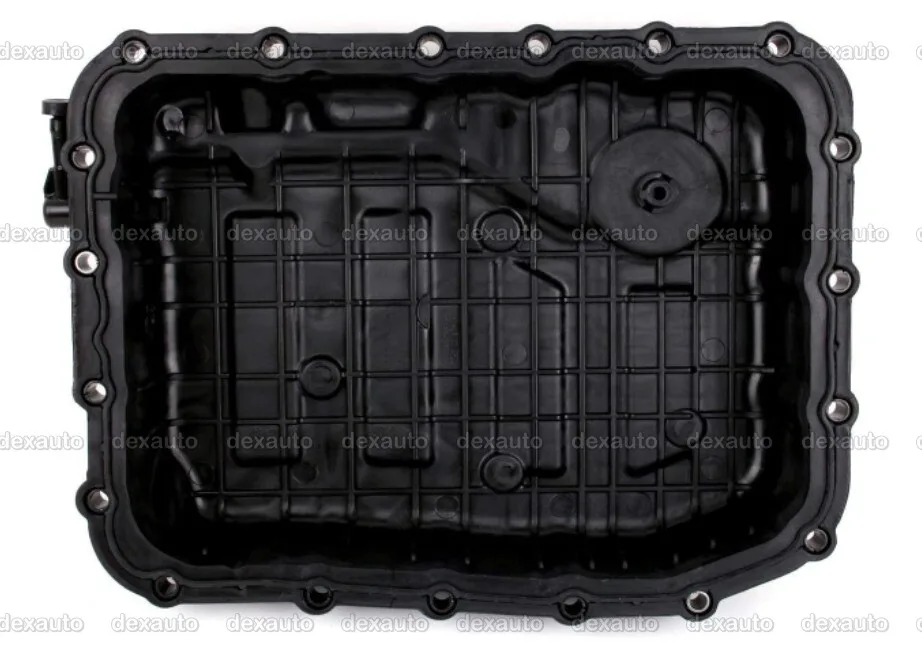
Image source: Bing (Web (fair-use with source credit))
What "Slipping" Actually Means in a Tucson (and What It Doesn't)
Slipping isn’t the same as a hard shift. It’s a loss of grip between the engine and the wheels. When the transmission slips, the engine revs up, but the car’s acceleration doesn’t match.
49% off Today's Exclusive Deals
Limited-time Exclusive Deals. Check current discount on Amazon.
Check Price on Amazon As an Amazon Associate I earn from qualifying purchases.You’ll feel the motor spin faster while the Tucson just loafs along.
There are three common forms:
- RPM flare. The tachometer jumps 500 to 1,000 RPM without a corresponding surge forward.
- Delayed engagement. You shift into Drive, and there’s a 2 to 3 second pause before the car moves.
- Shudder or vibration under acceleration. The whole car shakes during a gear change.
If you feel a single hard clunk at low speed, that’s not necessarily slipping. That’s often just normal driveline lash or a worn engine mount. Real slipping shows up as a mismatch between engine speed and road speed.
In our research, Tucson owners describe it as “the engine running away from the car.”
49% off Today's Exclusive Deals
Limited-time Exclusive Deals. Check current discount on Amazon.
Check Price on Amazon As an Amazon Associate I earn from qualifying purchases.Tucson transmissions come in three main flavors: a conventional 6-speed automatic, a 7-speed dual-clutch (DCT), and a newer 8-speed automatic. Each one slips in its own way. The 6-speed usually develops torque converter lockup issues.
The DCT experiences clutch shudder at low speeds. The 8-speed tends to be more reliable, but still suffers from valve body problems.
That’s why you need to watch the exact symptom closely. A shudder at 30 mph feels different from a flare at highway speed. A delayed engagement after a cold start is different from a slip under hard acceleration.
Write down what you feel, when it happens, and under what conditions. That information is gold for a mechanic.
One more thing: don’t confuse slipping with the transmission hunting for gears. If your Tucson surges or hesitates while climbing a hill, that might be the transmission switching between gears oddly. That’s often a calibration issue or a bad speed sensor, not a mechanical slip.
The fix is far cheaper. That’s also where worn clutch symptoms start to show.
First Check: Fluid, Codes, and the Transmission's History
Before you spend a cent on parts, run these checks. They’ll rule out the cheap problems first.
Step 1: Check the fluid.
On older Tucson models with a dipstick, park on a level surface and pull the dipstick while the engine is warm and idling. On 2021-2026 models with seven and eight speed units, you often don’t have a dipstick. You’ll need to get the car on a lift and check through the side fill plug.
If you’re not comfortable with that, a shop can do it in minutes.
Step 2: Scan for codes.
Plug an OBD-II scan tool into the port under the dash. The transmission control module stores diagnostic trouble codes that point to specific failures. Common codes for a slipping Tucson include P0731, P0732, P0733, P0741, and P2711.
Here’s what they mean.
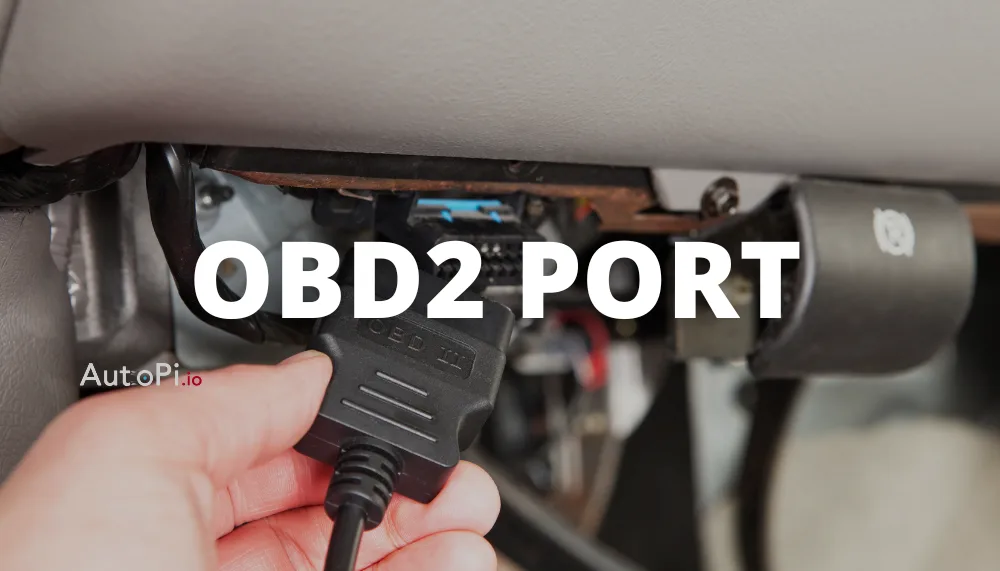
Image source: Bing (Web (fair-use with source credit))
| Code | Common Meaning |
|---|---|
| P0731 | Gear 1 incorrect ratio |
| P0732 | Gear 2 incorrect ratio |
| P0733 | Gear 3 incorrect ratio |
| P0741 | Torque converter clutch stuck off |
| P2711 | Shift solenoid performance / stuck |
Step 3: Pull the service records.
Hyundai recommends automatic transmission fluid replacement at 30,000 miles for severe driving and 60,000 for normal use. If the previous owner skipped that, low or degraded fluid might be the entire story. The filter has to be replaced too.
Some shops want to flush the system, but if the fluid is burnt, a flush can push debris into the valve body. That can make things worse.
At this point, if the codes point to a mechanical failure, you may also be looking at the same problems behind gear engagement issues. The diagnostic path overlaps. And don’t forget to check the NHTSA safety records for your model year before paying for anything.
There may already be a recall or technical service bulletin that covers your exact issue.
Decision Branch 1: Low Fluid or Dark/Burnt Fluid
Start here if your fluid level is low or the fluid is dark brown and smells burnt. That’s the most common cause of a slipping Tucson transmission, and the easiest to fix.
Image source: Bing (Web (fair-use with source credit))
Low fluid means a leak. A small leak might just be a pan gasket or a worn fill plug. You can top off the fluid and watch for drips.
But don’t just keep pouring fluid in. Find the leak and fix it. A slow leak can leave you stranded.
If the fluid is dark brown or smells like a burnt clutch, the clutches have been slipping. The fluid has lost its friction properties. When that happens, the transmission can’t generate the pressure it needs to hold a gear.
Changing the fluid and filter can sometimes restore enough performance to get you a few more months. But if the transmission is already scarred, it’s just a stopgap.
Here’s the if/then part. If the fluid is just low and still red, top it off and test drive. If the slipping stops, find the leak.
If the fluid is burnt, do a drain and fill, not a flush. A flush can push debris into the valve body and clog the solenoids. After a fluid change, drive it for a week.
If the slip comes back, the damage is done. Start shopping for a rebuild or a used unit.
Sometimes a worn transmission can also make a sticky shifter feel worse, especially when the fluid thickens in cold weather. Keep that in mind if you’re dealing with a stubborn shifter at the same time.
Decision Branch 2: The Engine Revs But the Tucson Doesn't Go
This is the classic torque converter and clutch pack failure. You press the gas. The RPMs climb.
The speedometer barely moves. That’s not a fluid problem. That’s a mechanical loss of pressure inside the transmission.
The torque converter has a lockup clutch. At highway speeds, it locks to keep the engine and transmission spinning at the same rate. When the lockup clutch wears out, the engine revs freely at anything above about 50 mph.
You’ll also see lower fuel economy.
Clutch packs inside the transmission can also wear. As friction materials break away, the clutches can’t hold anymore. The transmission slips in specific gears.
First gear holds, second slips. Or third holds, fourth slips.
Do a quick test. Shift the transmission manually through the gears. If you can hold first, second, third, and fourth without flare by doing it manually, the hydraulic clutches may actually be fine.
A stuck shift solenoid in the valve body can mimic a hard slip. Replacing a solenoid is a few hundred dollars. A full rebuild is a few thousand.
That’s why this distinction matters.
If you’re seeing any other red flags, like flashing warning lights or a burning smell, it’s worth comparing other transmission trouble before you approve any big repair. And if the car struggles to accelerate at highway speed, the torque converter is usually the first suspect. Hyundai’s official service documentation for your model year, available on the manufacturer site, can confirm the exact oil spec and test procedures.
Decision Branch 3: DCT Model and Slow-Speed Clicks or Shudders
Tucson models with the 7-speed dual-clutch come with a different personality. The DCT operates like a manual transmission with two clutches. At low speeds, it can hesitate, shudder, or clunk.
That’s enough to make owners think the transmission is failing, when it’s actually just the nature of a DCT.
The first move is to check for transmission control module (TCM) software updates. Hyundai has released shift calibration updates for some model years. These updates change shift points and clutch apply logic.
A software update can completely clear up a shudder or a clunky downshift. In many cases, the dealer will do it under a warranty or at a lower cost.
If the software is current and the shudder persists, the clutch packs are likely worn. DCT clutches wear differently than torque converter automatics. They engage at low speed to move the car, which creates heat and friction.
Stop-and-go traffic accelerates the wear. When the clutch discs get thin, you’ll feel a chatter or a vibration during a slow launch.
Then the decision: replace the clutch packs or replace the whole unit. Replacing DCT clutches involves dropping the transmission, which is labor heavy. If the transmission also has internal damage, a used or rebuilt unit might cost less.
Before you go deep, ask about the transmission’s adaptive learning. The TCM learns the driver’s habits and clutch wear. A simple reset and relearn can fix some sluggish behavior.
That’s a quick shop procedure that costs less than an hour of labor.
If the DCT also makes whining or clicking noises that aren’t just clutch chatter, compare it with the symptoms in our write-up on odd transmission noises. A bearing failure or a worn input shaft can sound similar, but the fix is completely different.
Maintenance, Costs, and Warranty Reality
Once you know what’s failing, the money question comes next. Transmission service is far cheaper than a replacement. A fluid and filter service on a Tucson runs between $150 and $300 at a shop, depending on fluid type and labor.
A full transmission replacement can cost anywhere from $3,000 to $5,500, plus labor. Rebuilds sit in the same range, though they can dip lower if only the clutch packs or torque converter need work.
Hyundai’s powertrain warranty covers the transmission for 10 years or 100,000 miles in the United States, as long as you’re the original owner or bought it as a certified pre-owned vehicle. The basic warranty lasts 5 years or 60,000 miles. If your Tucson is within those limits, a dealer repair could be covered in full.
Here’s a quick cost reference table:
| Repair | Typical Cost | Warranty Coverage |
|---|---|---|
| Transmission fluid service | $150–$300 | Not covered (maintenance) |
| Shift solenoid replacement | $400–$900 | Covered under 10/100k if failing |
| Torque converter replacement | $1,500–$2,500 | Covered under 10/100k |
| Rebuilt transmission | $2,800–$4,500 | Not covered |
| New transmission | $4,000–$5,500 | Covered |
Before you pay for anything, check your VIN’s service history and any open recalls through the NHTSA page we linked earlier. A known defect can extend coverage or trigger a free fix.
To file a warranty claim, gather your maintenance records and schedule a dealership diagnosis. Ask for a copy of the repair order and keep all receipts for fluid services. A clean service history makes a claim much harder for the dealer to deny.
Signs You Should Stop Troubleshooting and See a Pro
Some problems are beyond DIY. If you drop the pan and find metal shavings, that’s bearing or gear damage. Stop driving the car and get it towed.
A transmission with metal debris needs a full rebuild. Keep driving it and the damage spreads to the valve body and torque converter.
Also stop if the transmission warning light flashes while you drive. That can mean the computer has detected a loss of pressure. The system might put the car into a protective mode to prevent further damage.
Continuing to drive can turn a rebuildable unit into a paperweight.
If you get no codes and the fluid looks clean but the Tucson still slips, the problem is internal. A certified Hyundai technician can run a pressure test and review live sensor data. They’ll also know which known issues affect your model year.
That’s worth the $100, $200 diagnostic fee, because guessing wrong is far more expensive.
Before you approve anything, ask your shop these questions:
- Have you diagnosed Tucson transmission issues before?
- Will you road test it after the repair?
- Do you use OEM seals and filters?
- Is there a warranty on the repair?
Frequently Asked Questions
Can low transmission fluid cause slipping in a Hyundai Tucson?
Yes. Low fluid reduces hydraulic pressure, so the clutch packs can’t hold gears. Top off to the correct level and check for leaks.
If the fluid is old or burnt, do a drain and fill. Then retest. That fixes many Tucson slipping cases early on.
Is a slipping Tucson transmission covered under warranty?
In the US, the powertrain warranty covers the transmission for 10 years or 100,000 miles for original owners. Certified pre-owned buyers get different coverage. Check your VIN and service records.
A dealership diagnosis carries a fee unless the repair is covered.
How long can I drive on a slipping transmission?
Not long. A slipping transmission generates heat and debris. The longer you drive, the more internal damage accumulates.
You might get a few miles or a few weeks, but the repair bill will keep growing. Tow it to a shop rather than risk a breakdown.
Should I replace or rebuild my Tucson’s transmission?
It depends on overall condition and mileage. If a new or remanufactured unit is available, a swap is often simpler. A rebuild is cheaper but only if the case and valve body are still solid.
Ask for a written estimate comparing both options.
Why does my Tucson shudder at low speed in traffic?
That’s often the DCT clutch packs. Slow-speed engagement creates heat and wear. Check for a TCM software update first.
If the shudder persists, the clutches likely need replacement. A torque converter issue is less common on DCT models.



One Comment on “Hyundai Tucson Transmission Slipping”